The Virginian offers a broad continuum of senior living, from independent and assisted living to memory care and skilled nursing/post-acute rehabilitation. The experience described across reviews is notably mixed by care setting. Independent- and assisted-living accounts are often positive, while skilled-nursing experiences range from highly favorable to serious concerns about day-to-day reliability. Families considering the post-acute unit may therefore want to assess that area separately from the renovated residential floors and ask specific questions about staffing, response times, clinical routines, and family communication.
Staff are a consistent strength in positive accounts. Residents and families describe caregivers as kind, attentive, and respectful, and frequently recognize individual nurses, aides, therapists, and activity staff for their personal approach. Admissions and transition support also receive strong praise, particularly for responsiveness, detailed tours, move-in assistance, and discharge planning. At the same time, other accounts raise concerns about staffing levels and turnover, delayed responses to call bells, medication timing, and whether prescribed care plans are followed consistently. These differences suggest that the experience can vary by unit, shift, and individual care team. Rehabilitation is praised for encouragement, skilled therapy, and meaningful gains, though some families wanted more frequent sessions or greater tailoring to the resident.
Dining feedback is similarly varied. Many residents praise the meals, menu options, and desserts, and some describe the food as a notable benefit. Other accounts mention inconsistent quality, late service, order errors, and limited accommodation of dietary preferences. Families may benefit from asking how special diets and meal concerns are handled, especially in the skilled-nursing setting.
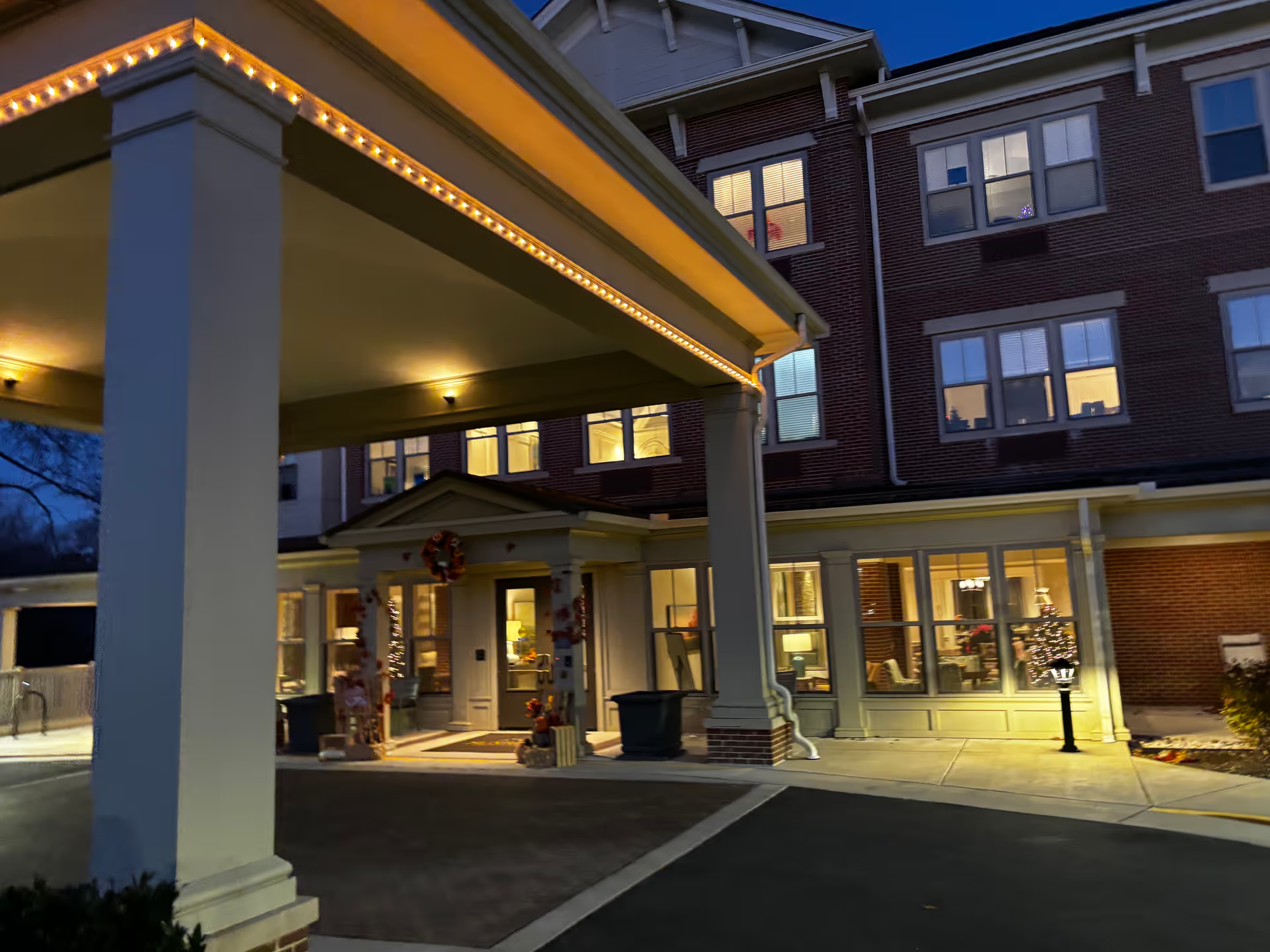
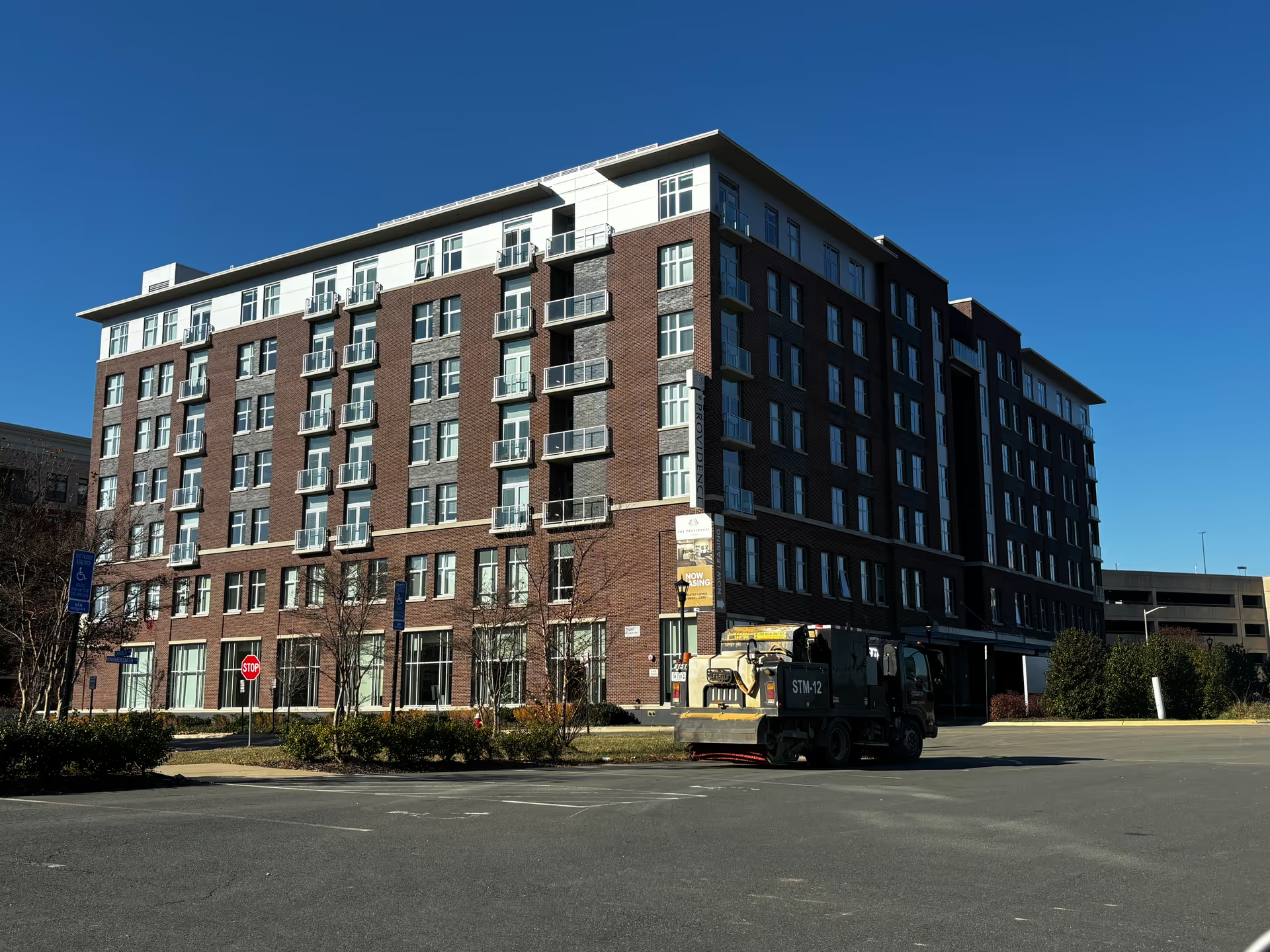
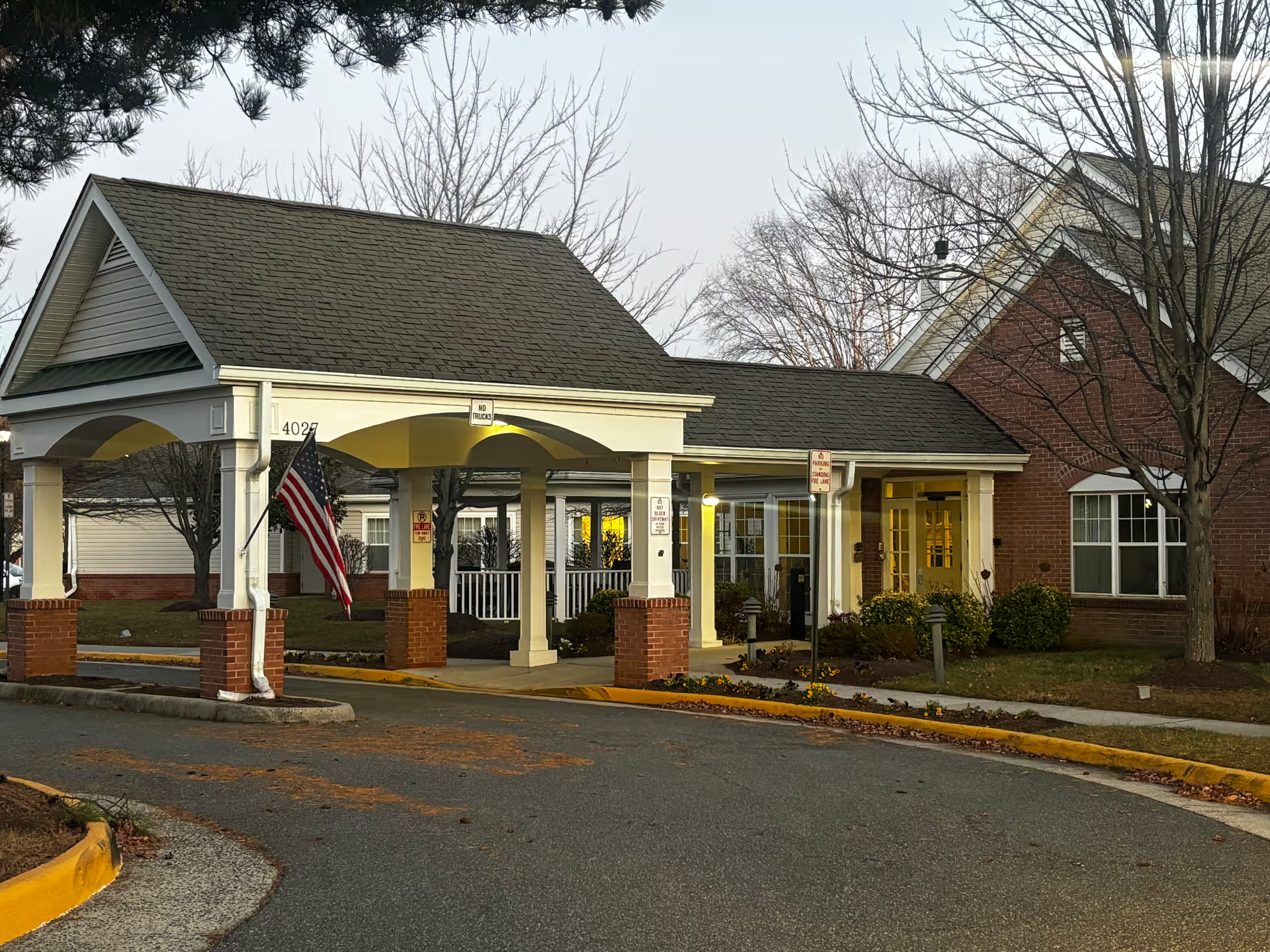
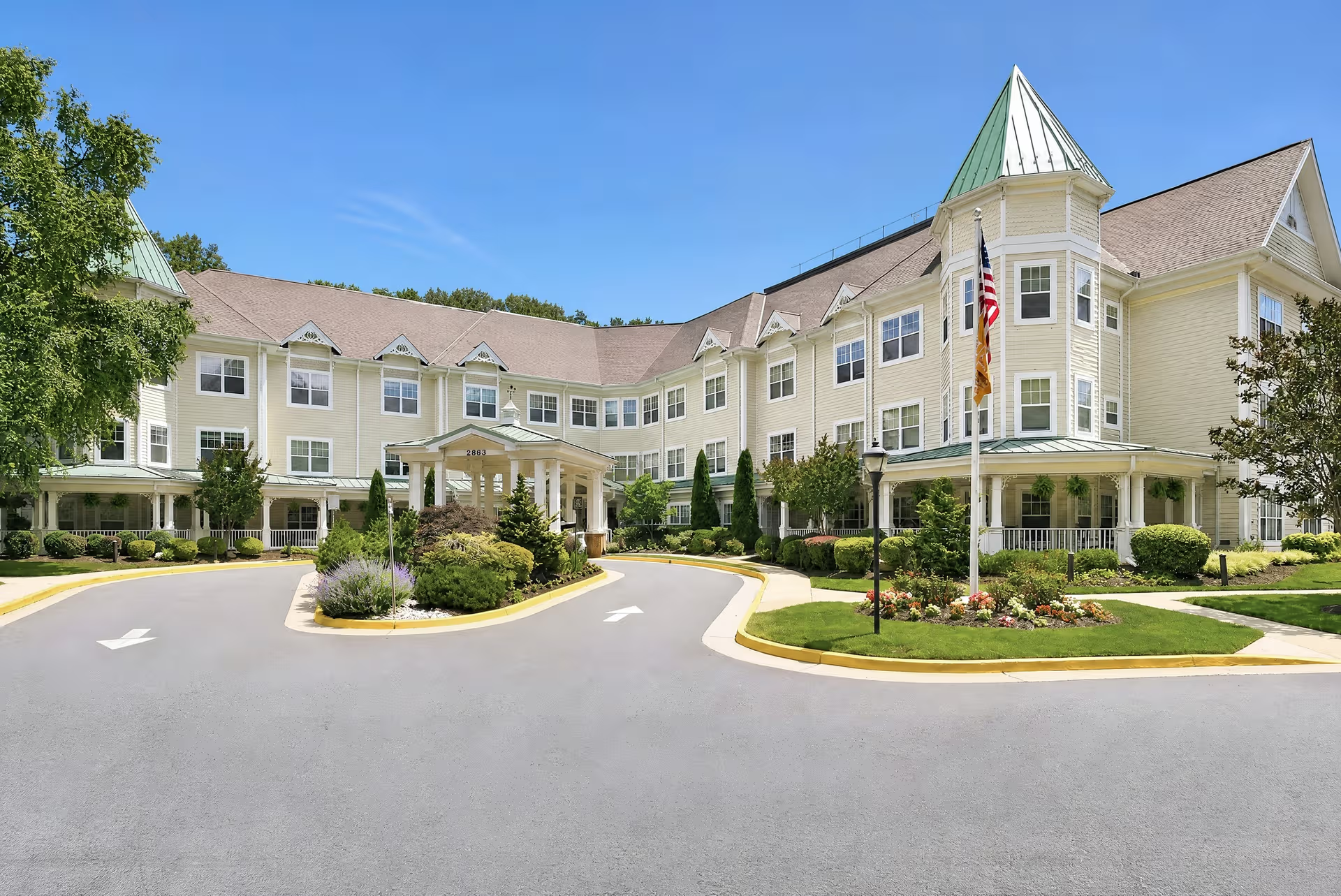
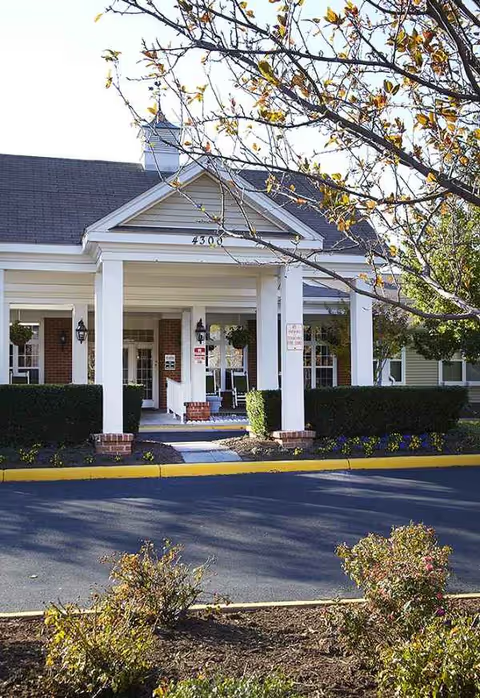
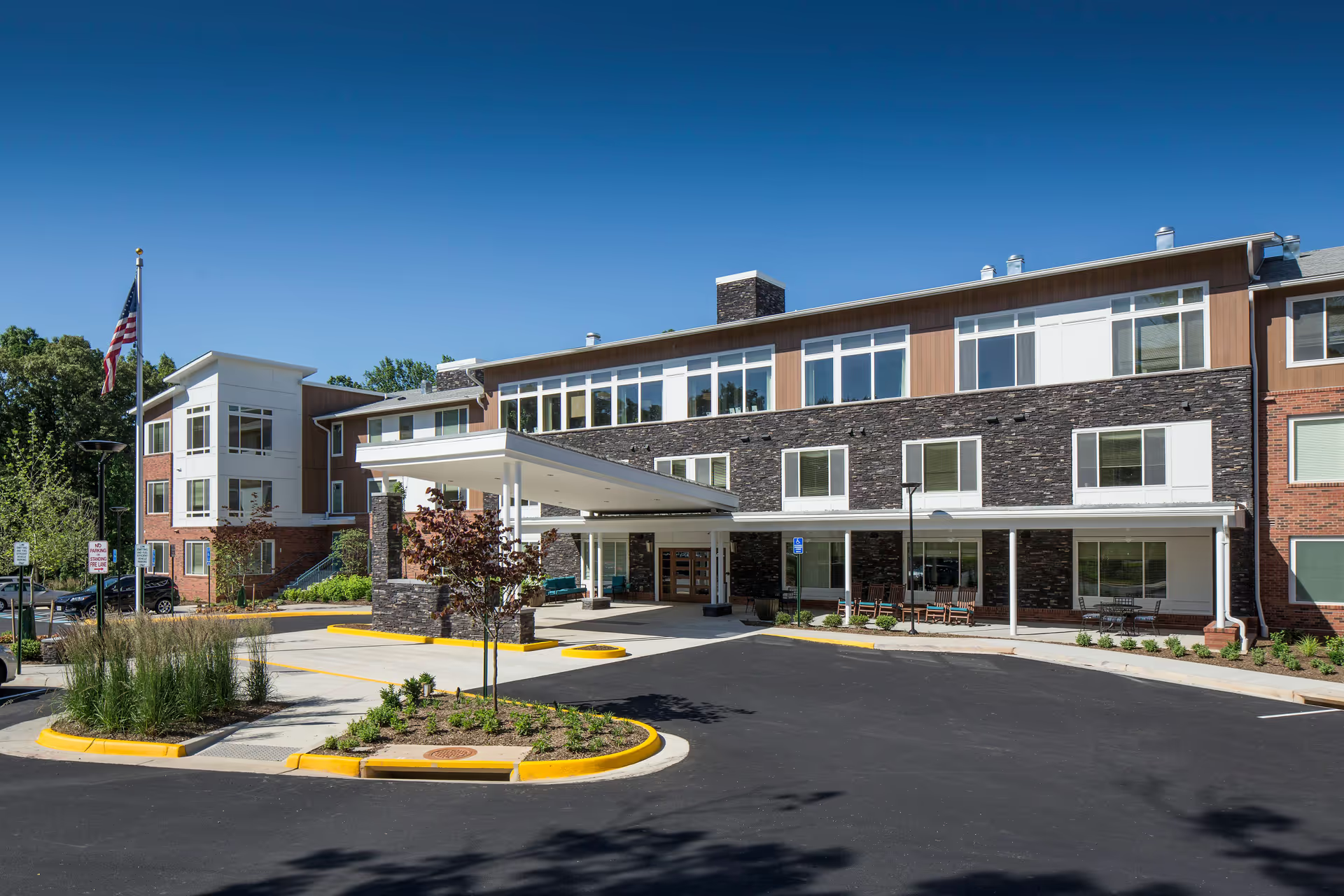
The community’s renovations, attractive grounds, updated apartments, and range of amenities are prominent positives. Residents and visitors mention dining venues, a library, fitness facilities, social spaces, and organized activities. Renovation work was disruptive in some accounts, with construction affecting cleanliness, access, and the availability of shared spaces; other reviews describe the completed updates favorably. Activity programming is praised in many accounts, including in memory care, but some families report reduced offerings or limited outings when staffing changes occur.
Management and communication receive both praise and criticism. Marketing and admissions staff are frequently described as knowledgeable and helpful, and several accounts commend discharge planners for coordinating care and next steps. In contrast, families have described difficulty reaching staff or administrators, unclear responsibility for decisions, and inconsistent updates. Cost is another consideration: the community is often viewed as upscale and well equipped, but some prospective residents find it expensive, and additional fees for services can be unexpected. Overall, the strongest accounts emphasize compassionate staff, effective rehabilitation, and a welcoming residential environment; the main cautions concern the consistency of skilled-nursing care, staffing and communication, dining reliability, and the effects of construction.