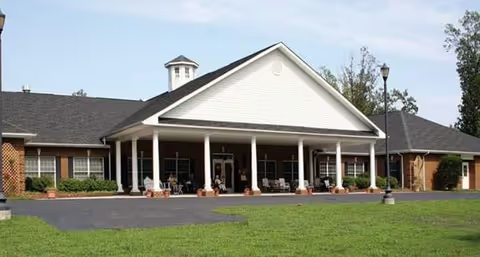
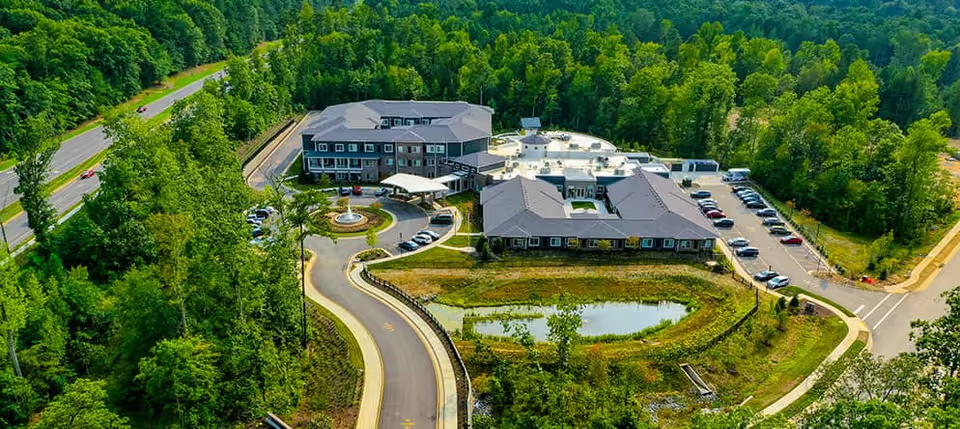
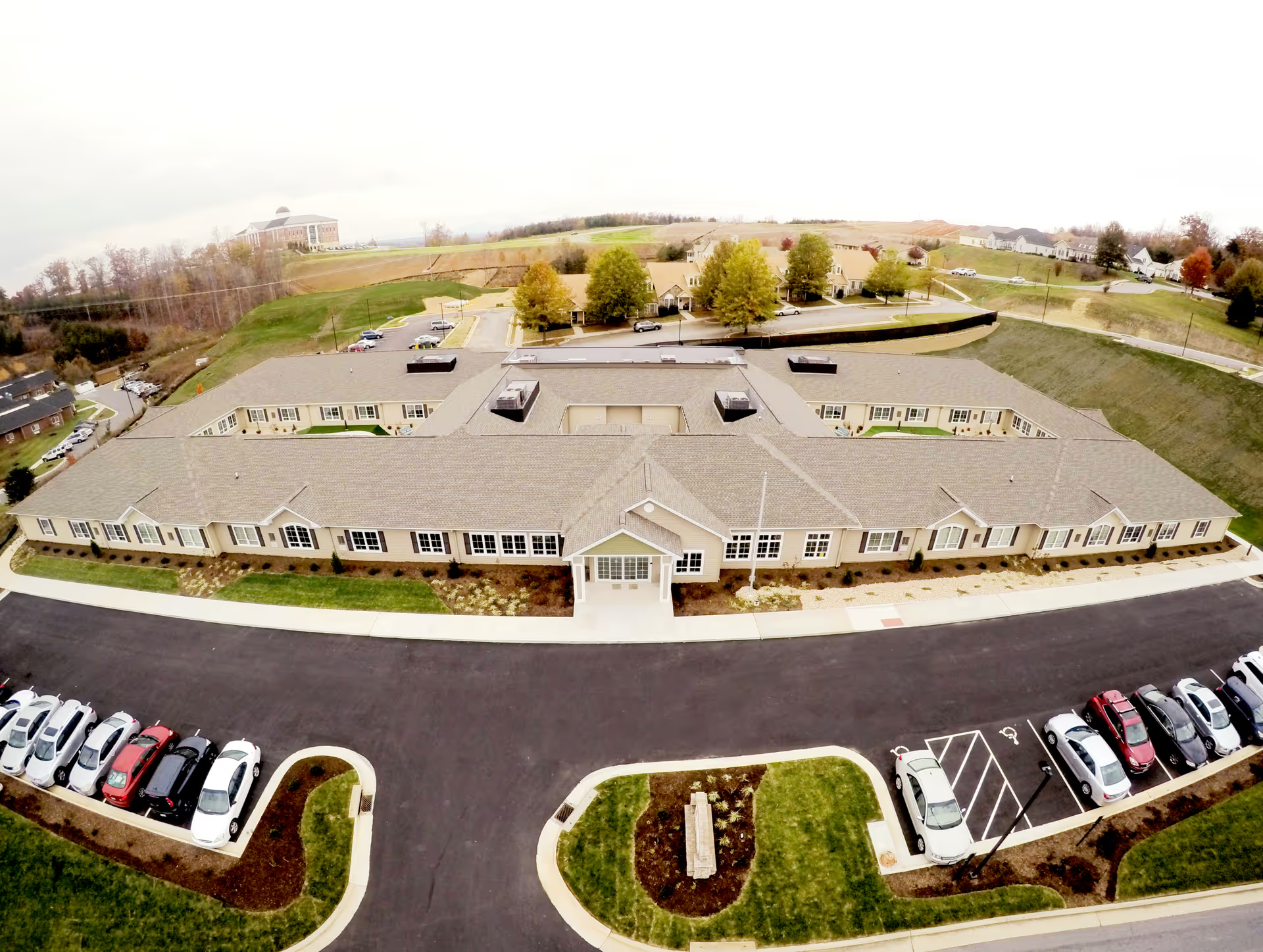
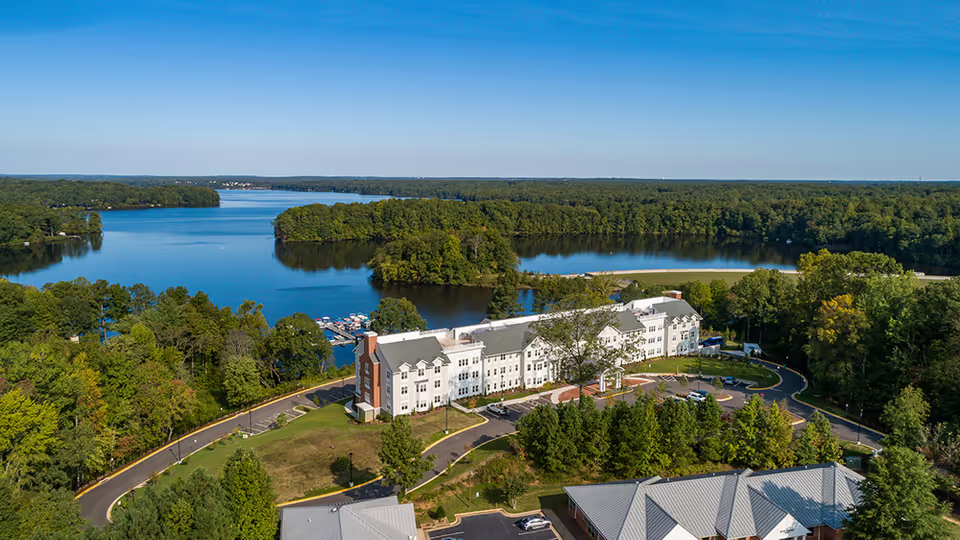
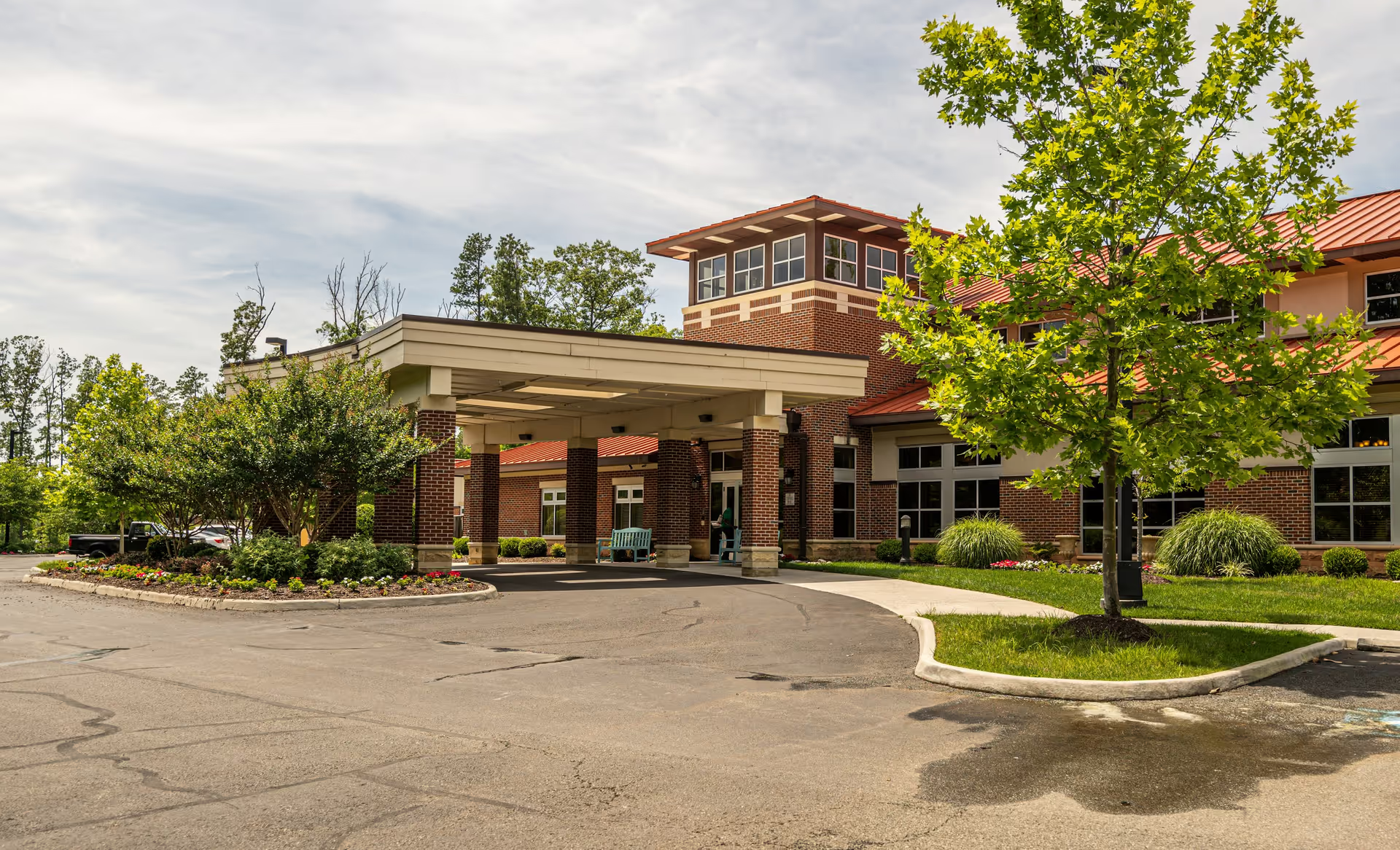
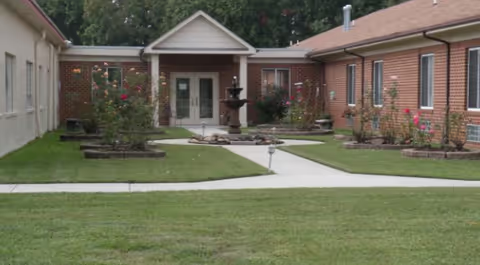
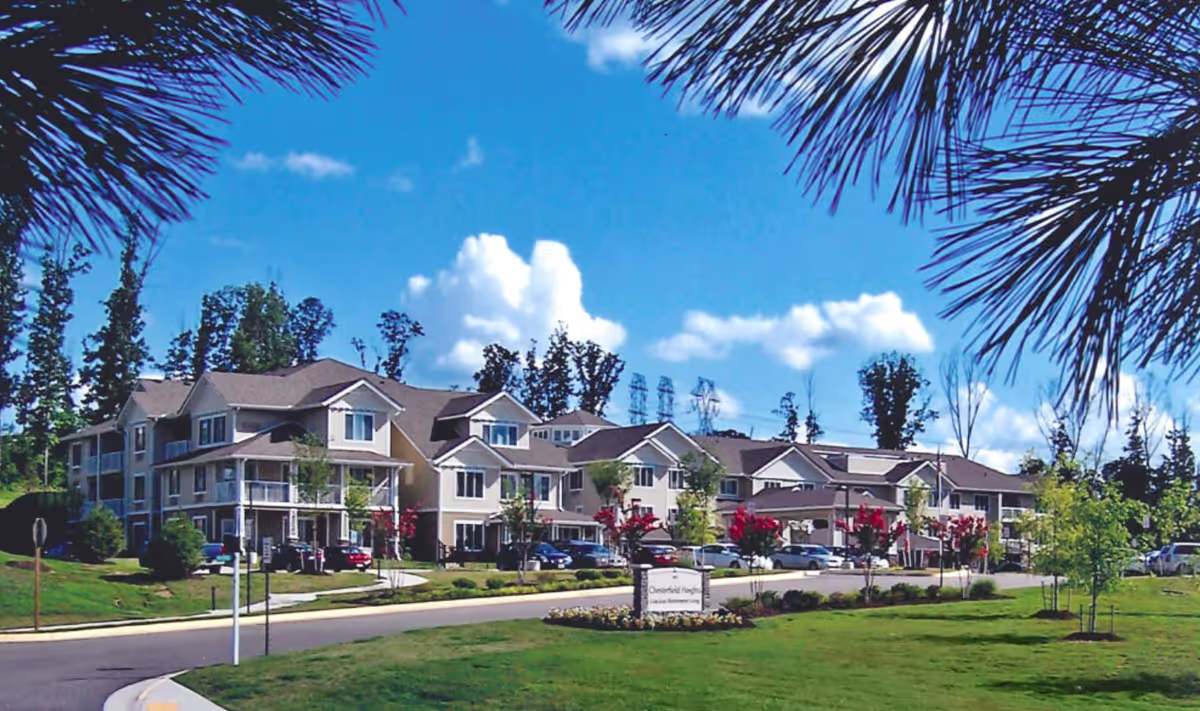
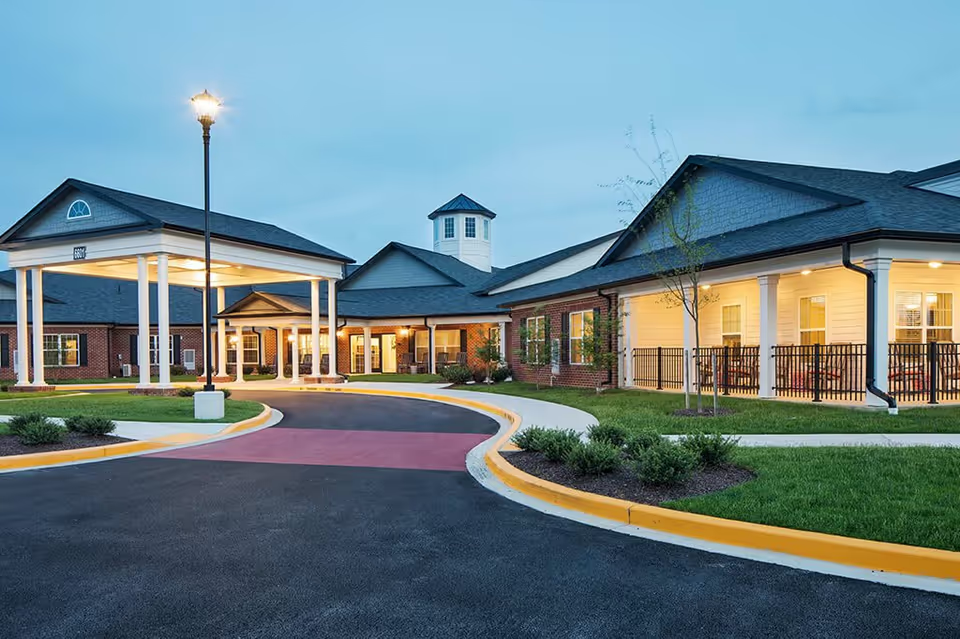
The Woodland elicits a strongly mixed set of impressions. Many accounts highlight a staffed team that can be compassionate and effective—nurses, CNAs, and therapists receive repeated praise for attentive care and successful rehabilitation outcomes. The facility offers a campus-like environment with suite-style rooms in some units, access to aquatic therapy and group exercise, and a range of social programming (bingo, crafts, movies, water aerobics, clergy visits). Admissions and some members of administration are described as welcoming and supportive, and several families credit staff advocacy when coordinating insurance or discharge planning.
At the same time, a consistent pattern of operational weaknesses appears across reviews. Staffing variability and shortages are the most frequent concerns; reviewers describe delayed responses to call lights, late or missed medication administration, and limited weekend nurse coverage. Therapy quality is often praised, but scheduling gaps and occasional no-shows can reduce continuity of rehabilitation services. Housekeeping and laundry processes are uneven—issues such as missing items, inconsistent linen changes, and sanitation/odor concerns are reported for particular units rather than universally across the campus. Dining feedback is polarized: some residents report good meals and pleasant dining spaces, while others describe inconsistent food quality, small portions, difficulties with special-diet compliance (including gluten-free handling and puree diets), and beverage/serving issues.
Clinical oversight and management follow-through are areas of concern. Reviewers describe intermittent failures in incident response, inconsistent family communication, and leadership turnover that contributes to variable experiences between units and shifts. There are isolated but serious allegations about adverse clinical events; these accounts emphasize the need for transparent incident investigation and improved documentation and family notification processes. Equipment and supply-management problems (incorrect equipment deliveries, equipment left unsecured, CPAP noncompliance) and mattress comfort complaints (hard foam) were also noted.
For prospective residents and families, the most salient pattern is variability: positive, rehabilitation-focused outcomes and caring staff coexist with operational lapses that can affect timeliness of care, hygiene maintenance, and dietary accommodations. If considering The Woodland, visitors should tour the specific unit and shifts likely to provide care, ask about current staffing ratios and weekend coverage, review medication-administration and incident-reporting procedures, verify special-diet handling practices, and inquire about recent quality-improvement initiatives. Families who maintain close advocacy and communicate frequently with the care team are more likely to experience the facility’s strengths; those unable to do so may be more exposed to the operational weaknesses noted above.