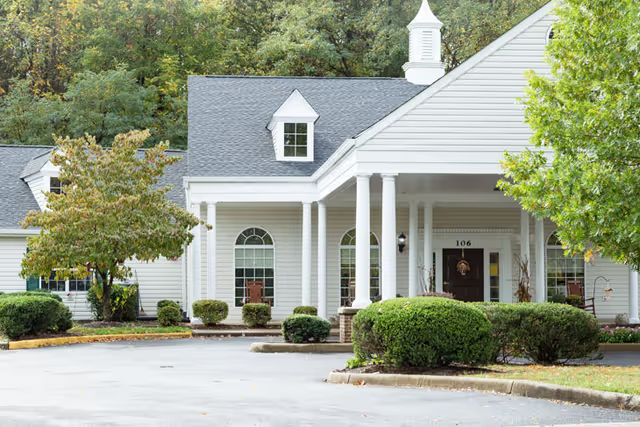
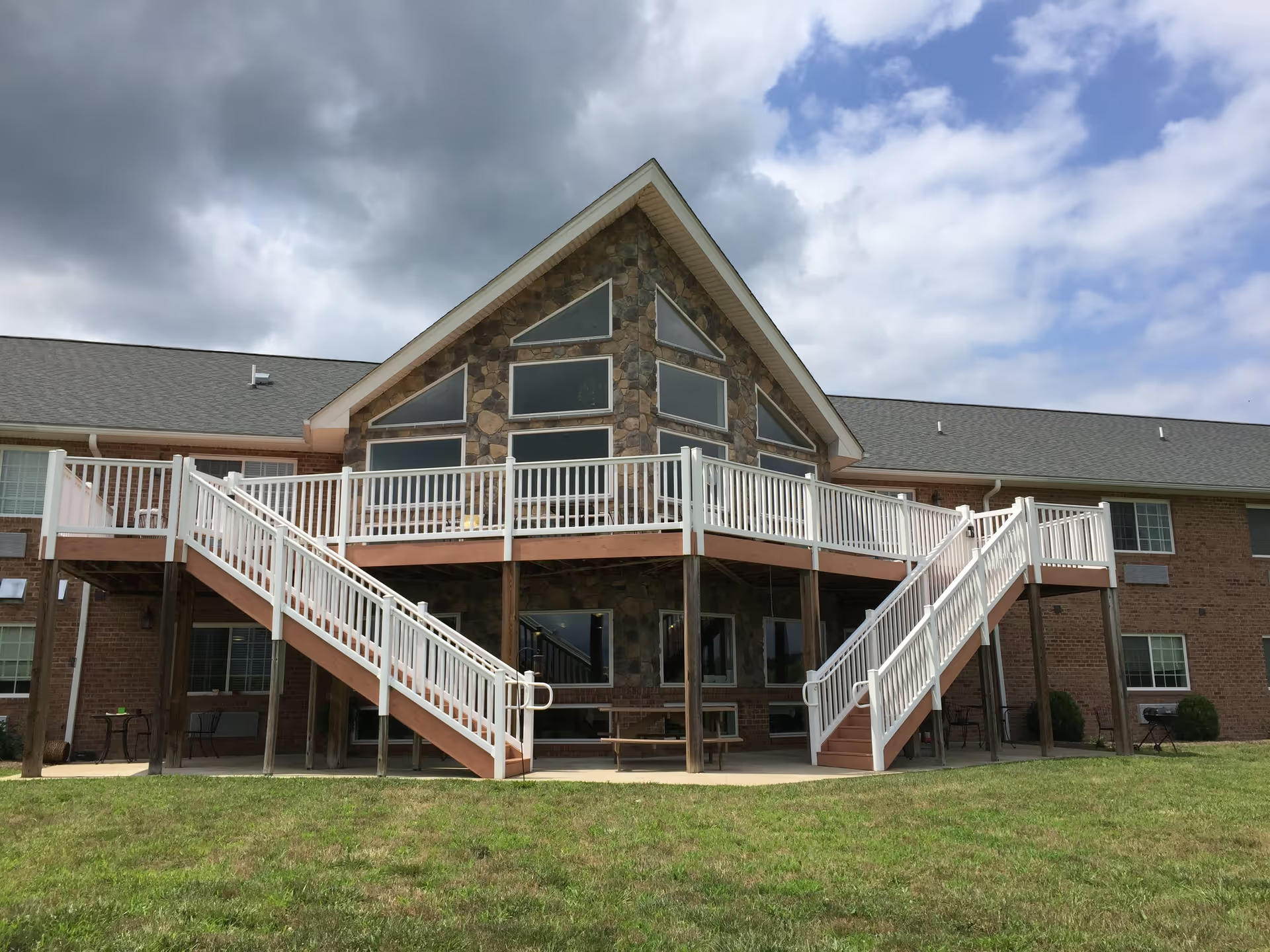
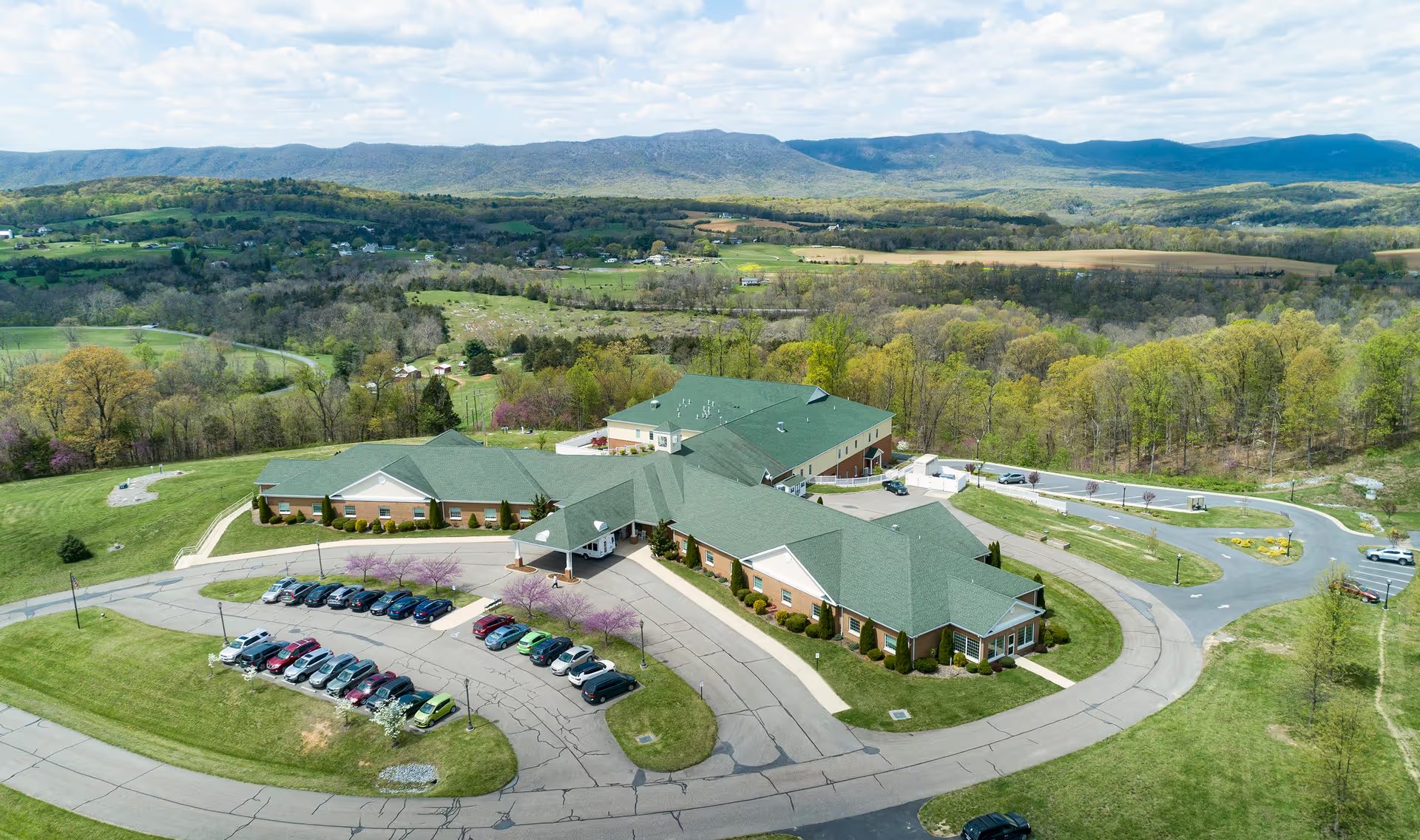
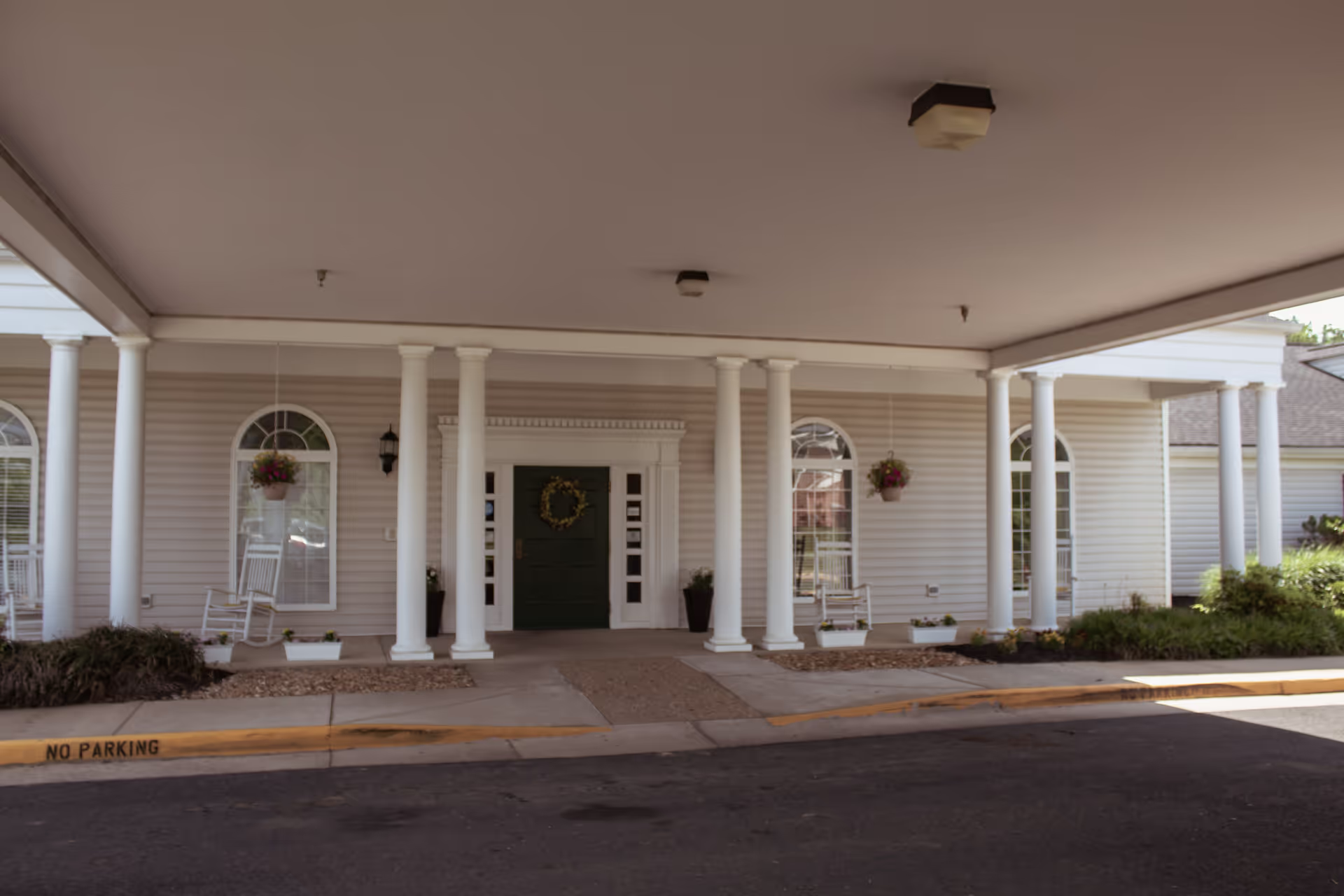
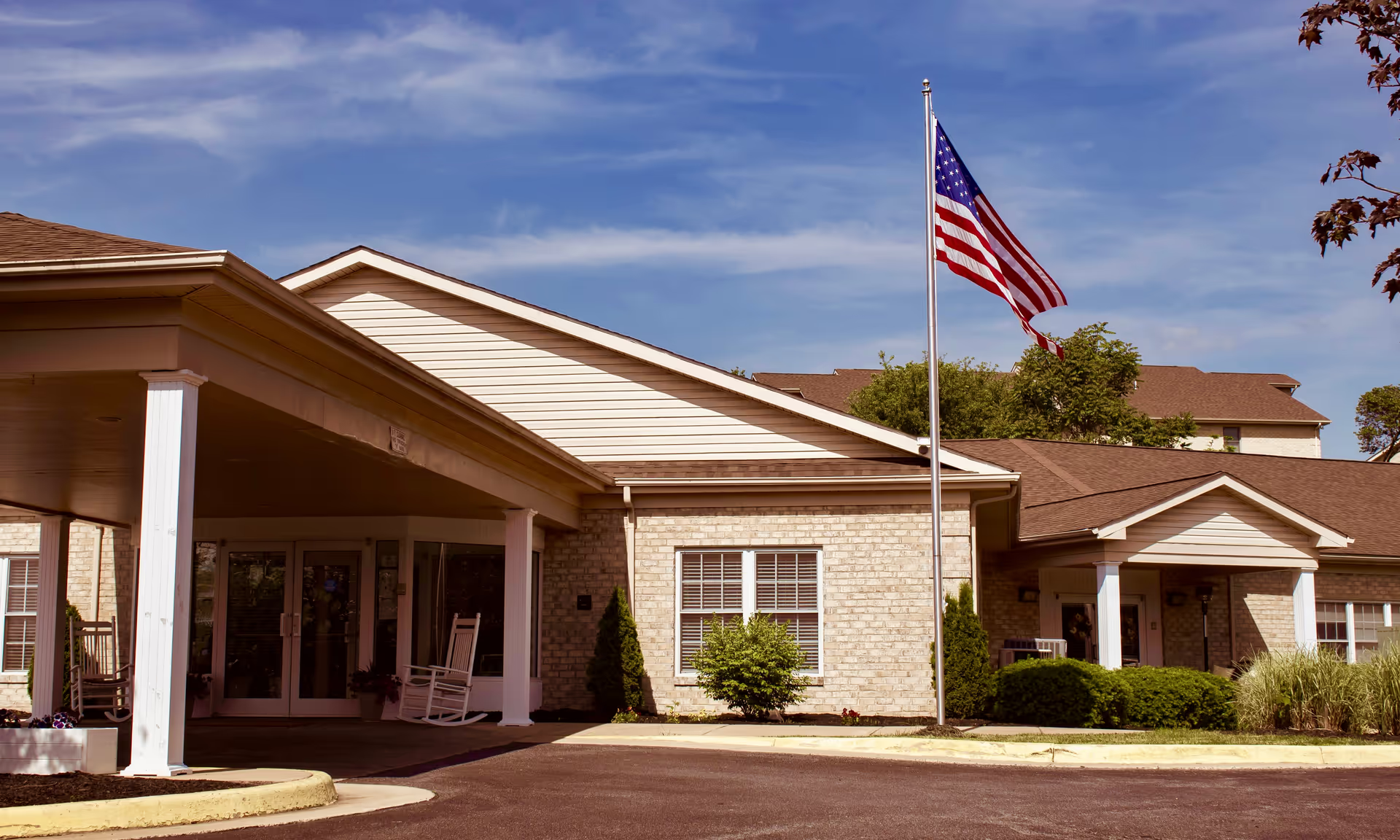
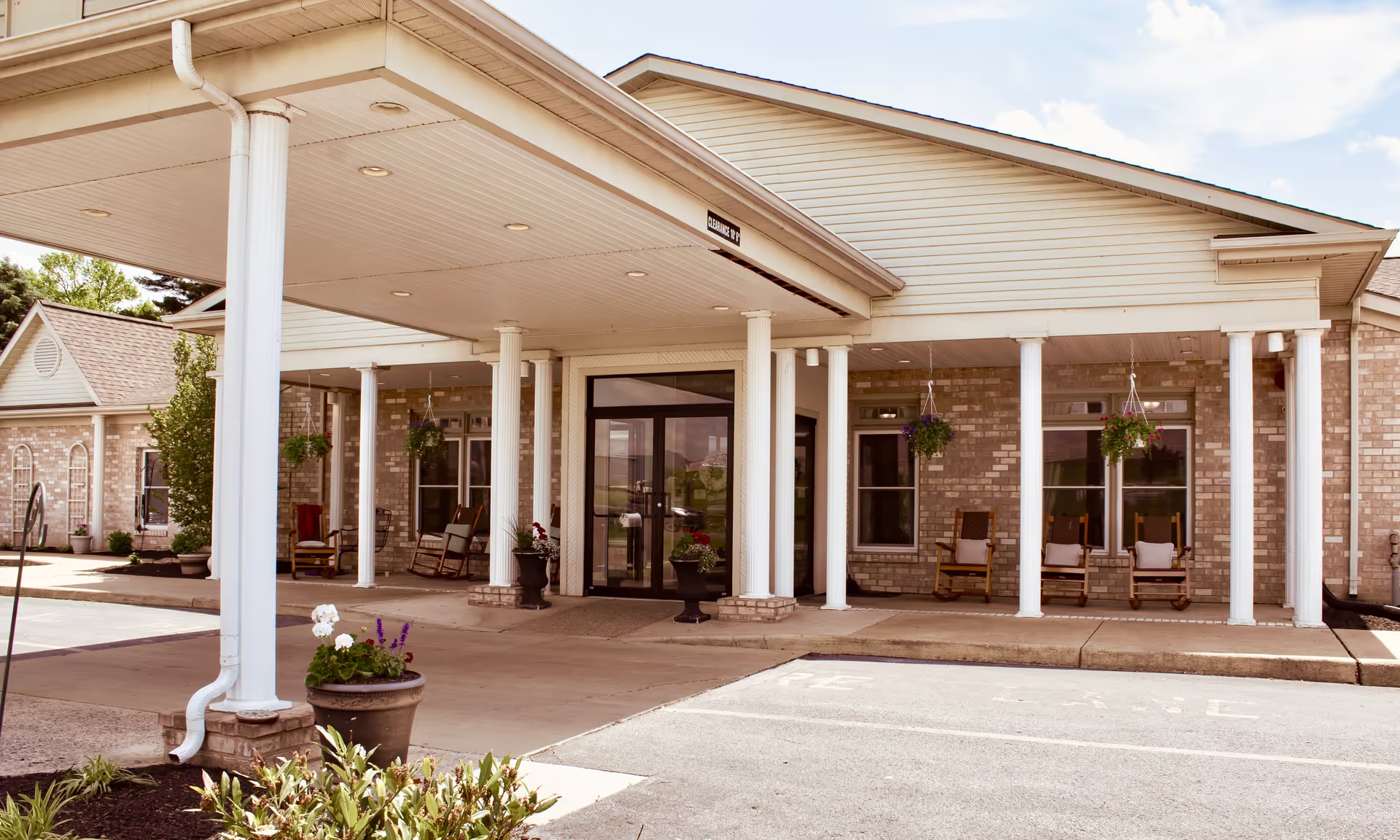
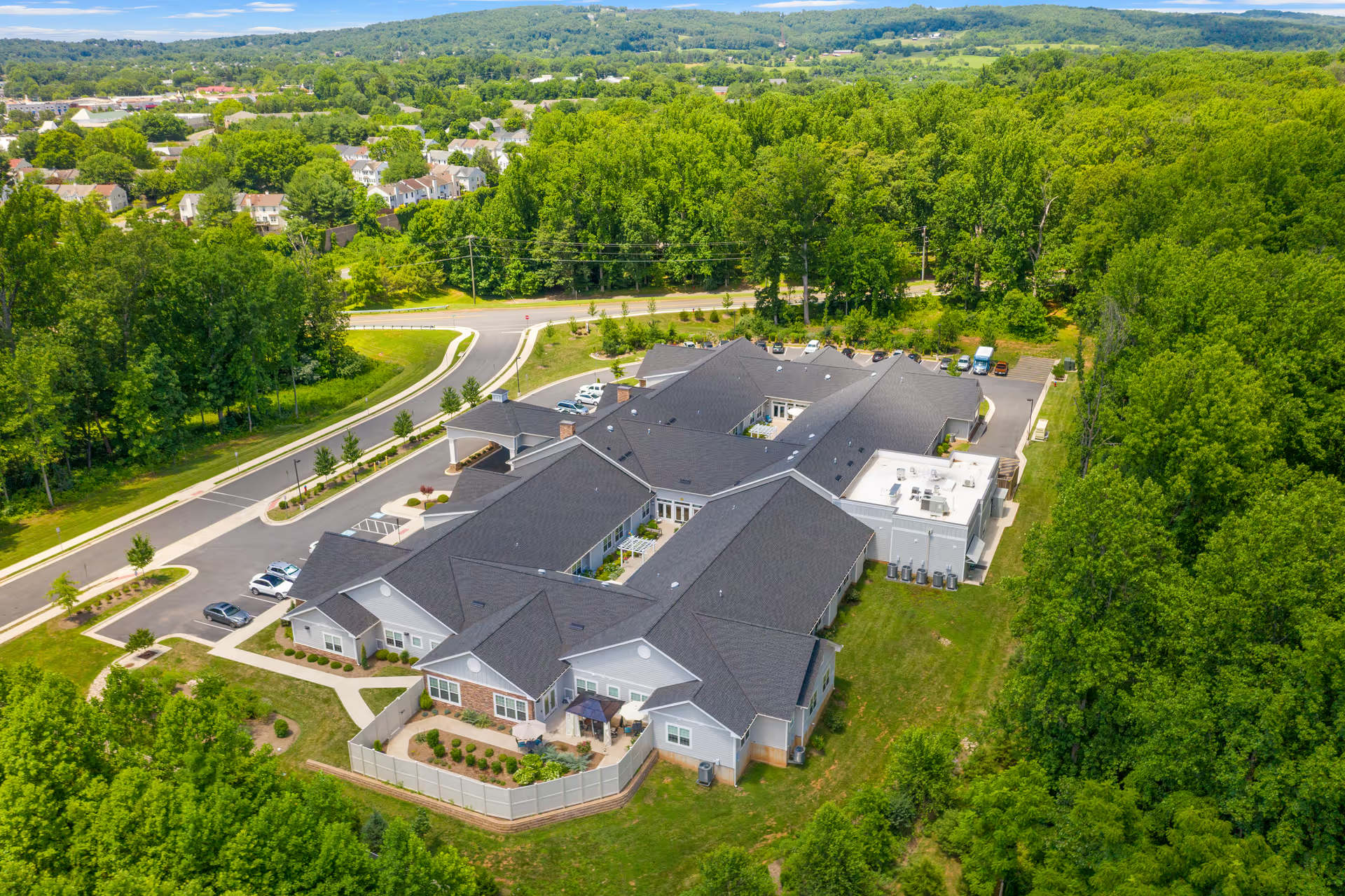
Commonwealth Senior Living at Front Royal presents as a well-appointed, largely new facility with a strong emphasis on person-centered care, particularly in memory-support services. The physical environment is consistently described as clean, modern, and comfortable — large resident rooms with kitchenettes, updated bathrooms with walk-in showers, multiple fitness spaces, a salon, library and well-kept outdoor areas. Its Shenandoah Valley setting and proximity to medical services are seen as location strengths.
Care quality is frequently characterized by compassionate, attentive staff and experienced nursing leadership. Families commonly note that staff learn resident names and preferences, include families in daily care discussions, and provide emotional as well as physical support. Memory-care programming includes individualized profiling, shadowboxes, themed displays and activities designed for engagement. Coordination with hospice and end-of-life support is noted positively in multiple accounts.
Dining and programming are recurring strengths: a substantive activities calendar (yoga, Tai Chi, crafts, dancing, supervised outings), resident-driven events, and a dining program that emphasizes fresh, locally sourced, farm-to-table meals prepared by a dedicated kitchen team. Reviewers describe varied menus, participation-friendly events (birthdays, themed displays), and regular social opportunities that support resident engagement.
Operational and management patterns are mixed. Several accounts describe gaps in communication and coordination — unclear activity notices, billing or admissions coordination errors, and business-office limitations such as outdated invoicing processes and lack of online payment options. Understaffing and turnover are cited as drivers of delayed responses to resident requests and operational strain; one theme links changes in operational consistency to a shift in ownership or management practices. There are also intermittent comments about variability in memory-care staff training and occasional inconsistencies in meal quality.
Taken together, the prevailing impression is of a facility with notable strengths in staff commitment, cleanliness, amenities and programming, offset by operational issues that prospective families should investigate during tours. Recommended due diligence includes asking for details about staffing ratios, memory-care staff training and supervision, recent ownership or management changes, billing and contract procedures (including benefits verification), and examples of how the community communicates activity schedules and care-plan changes to families. These checks can help align expectations with the facility’s strong caregiving culture while clarifying operational constraints that some reviewers experienced.