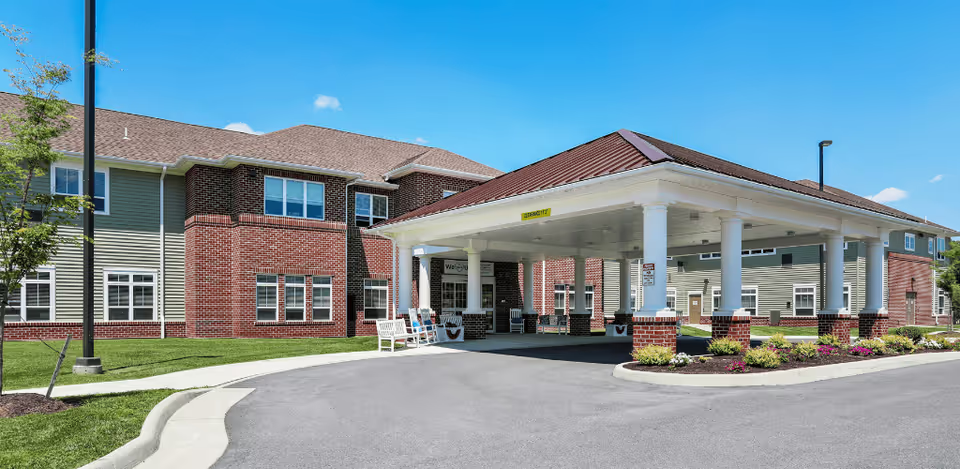
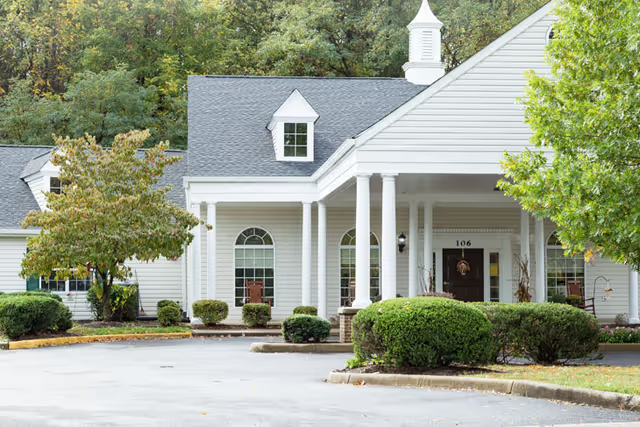
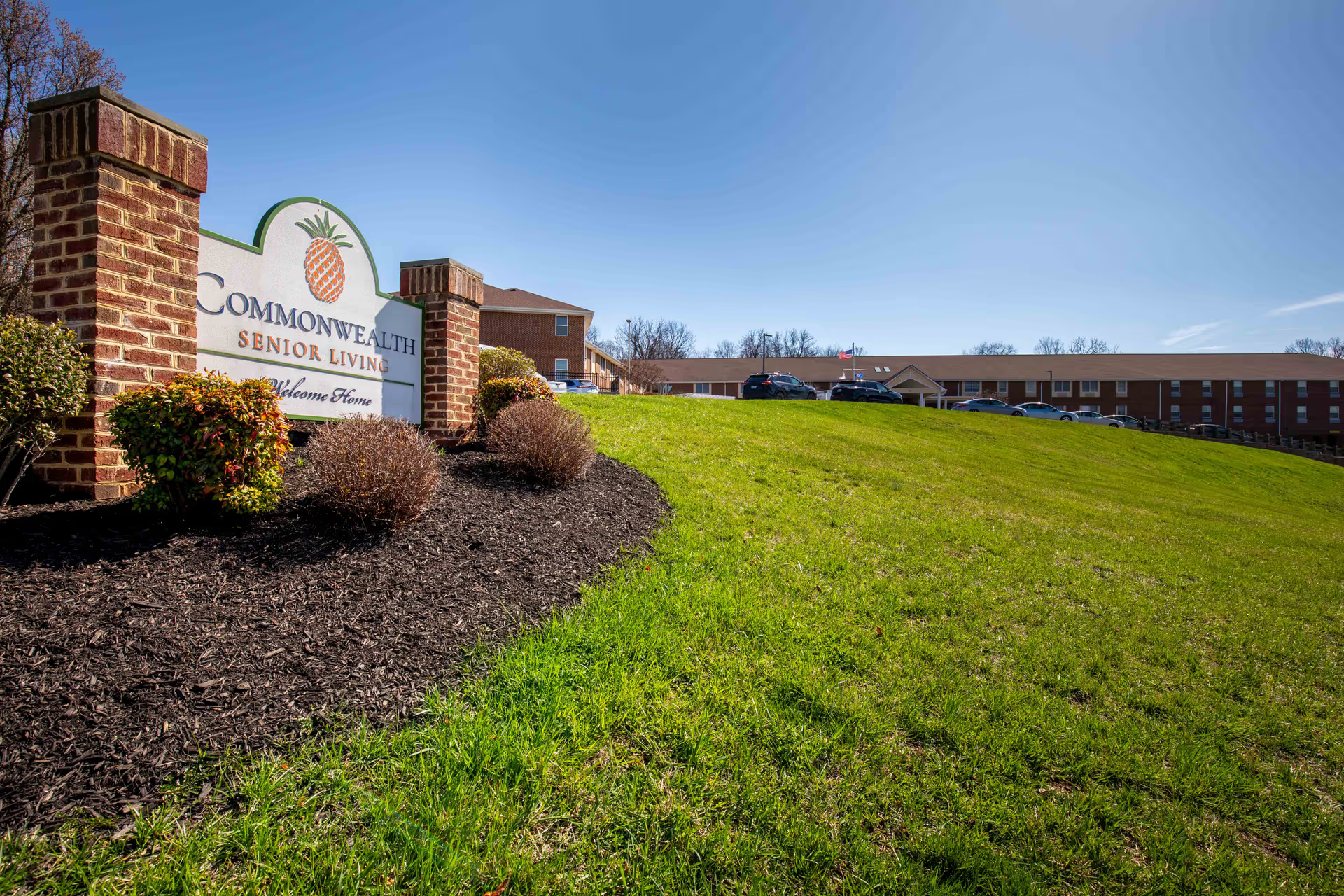
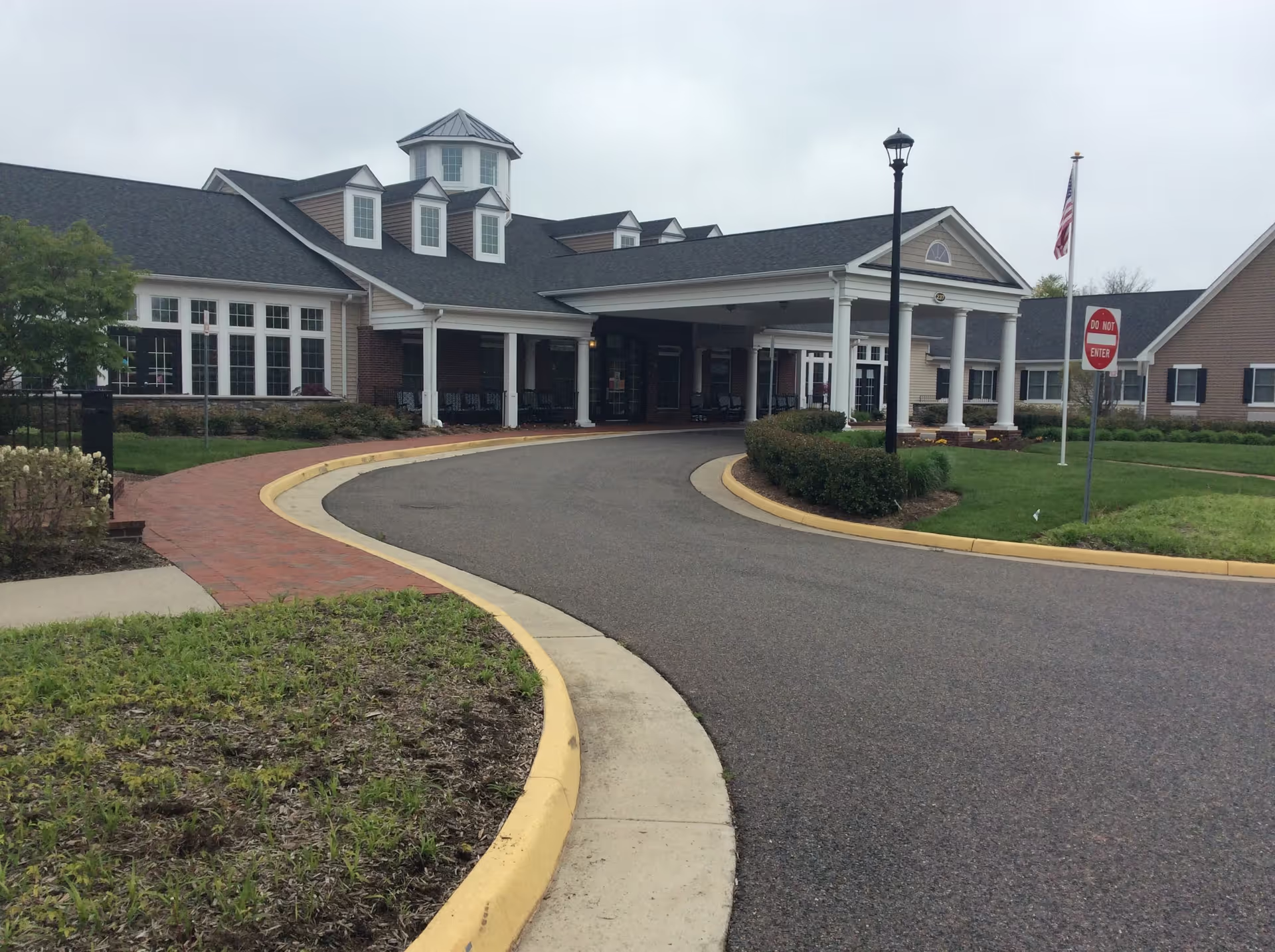
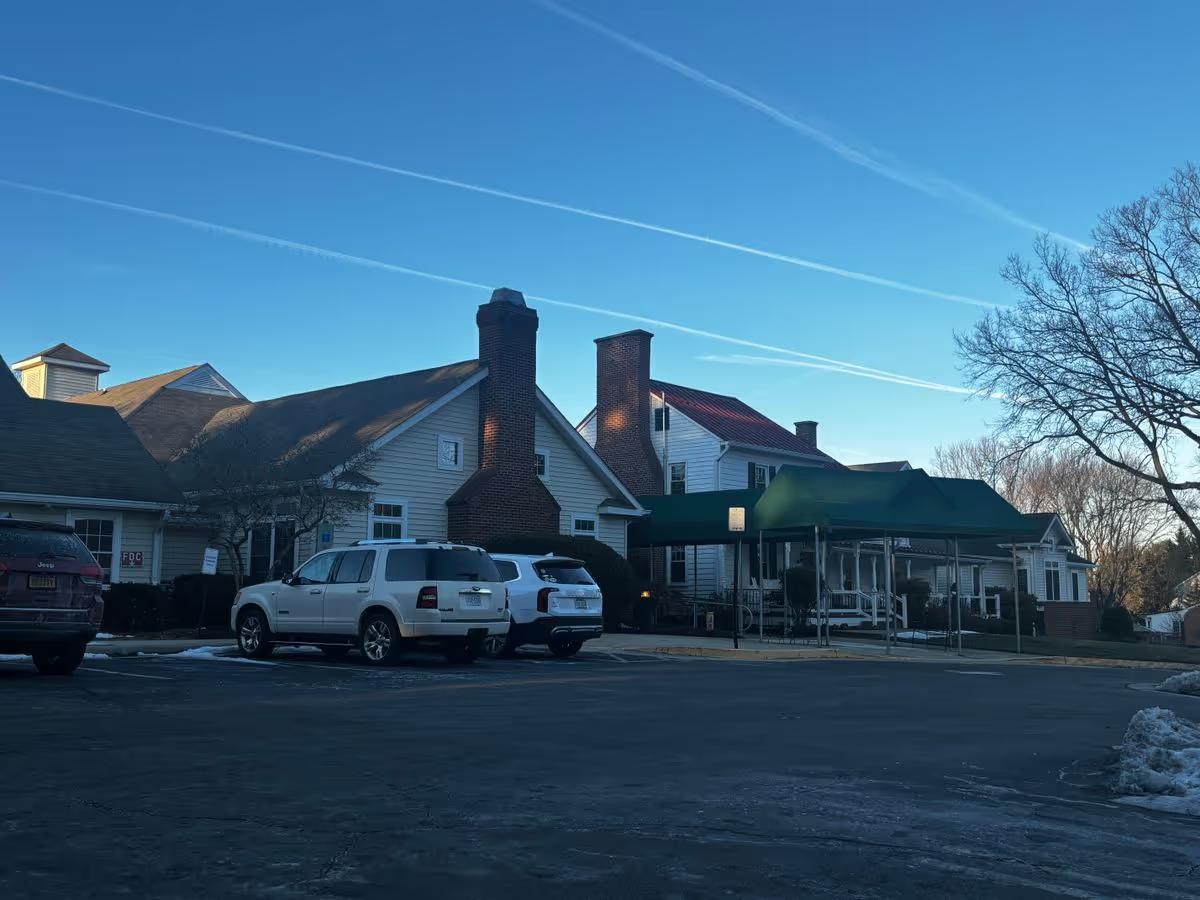
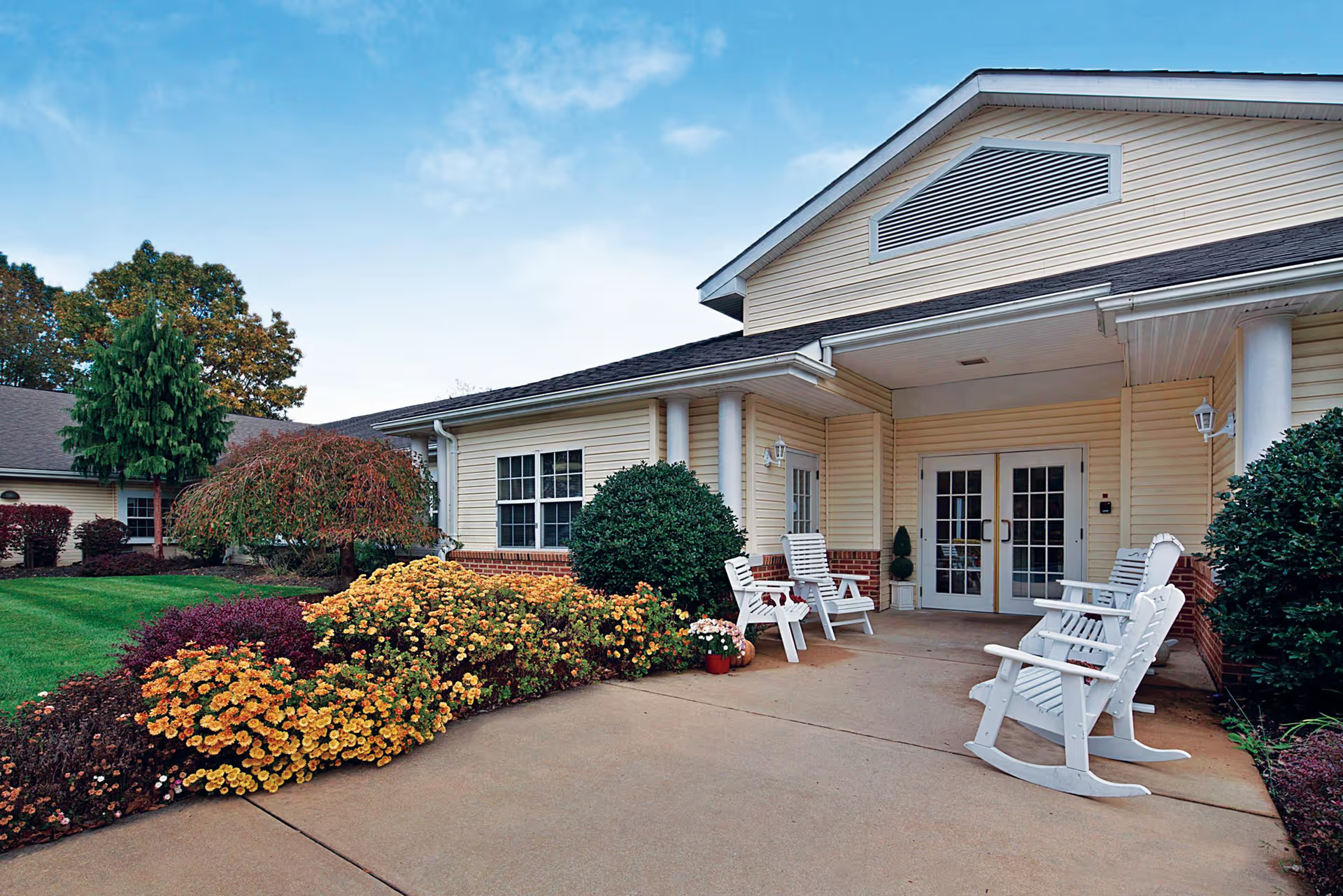
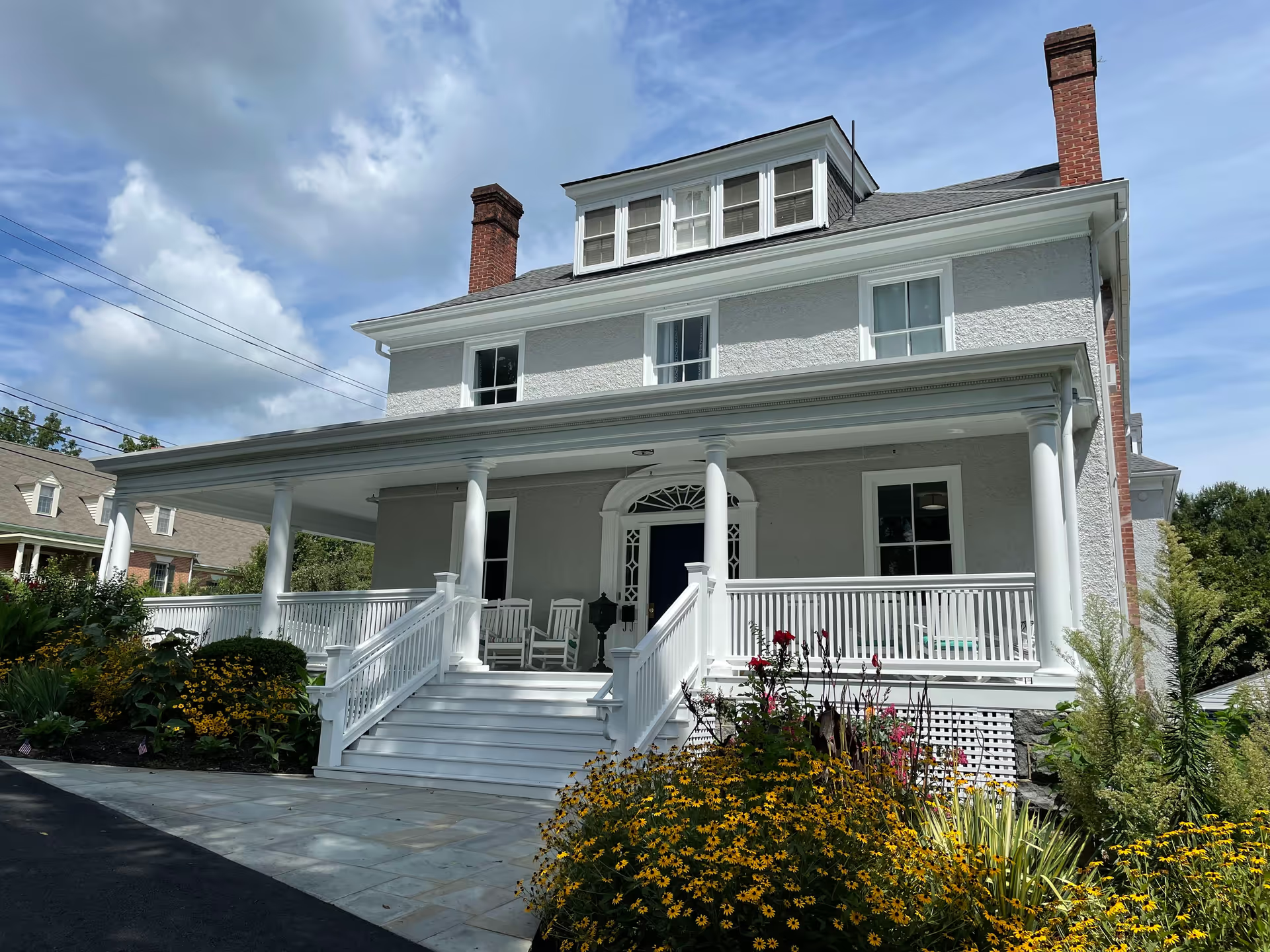
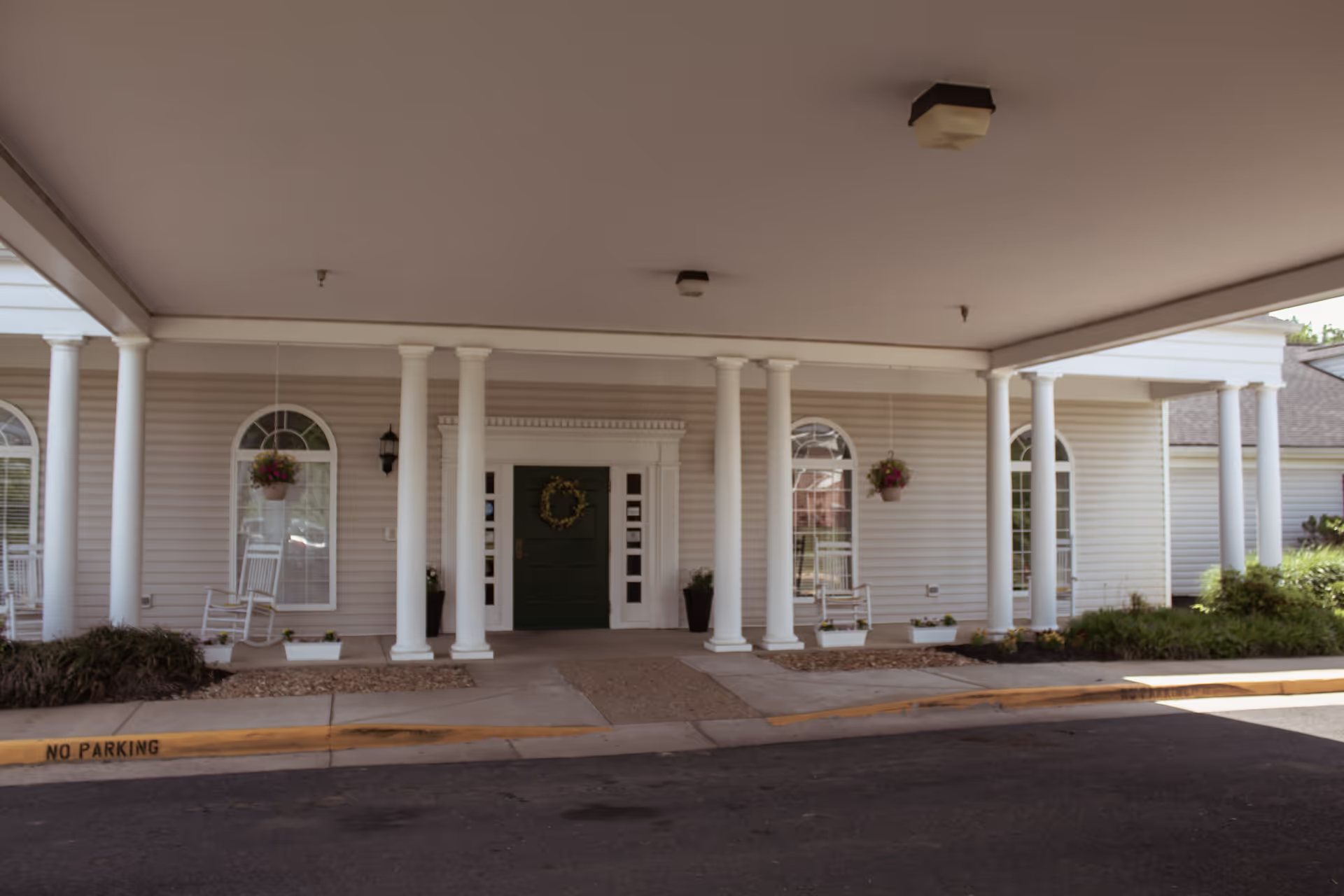
Commonwealth Senior Living at Berryville elicits predominantly positive impressions for families seeking an affordable, small-community assisted living option. Strengths frequently highlighted include a compassionate direct-care team and notable nursing presence, an engaged activities director who organizes outings and events, and a well-regarded salon that contributes to residents' quality of life. Many families describe the facility as clean, home-like, and easy to navigate thanks to its single-level design and wide corridors; staff familiarity with residents' names and a social atmosphere are commonly praised. Admissions staff and the marketing director are often described as personable and helpful, and the facility's proximity to medical services is seen as a practical advantage.
Clinical and care-quality patterns are mixed. Positive accounts describe attentive nursing and good daily support; however, a number of families raised clinical concerns including falls, weight loss, and urinary-tract infections, which point to risks in resident safety and care continuity. Several comments referenced delays or inconsistencies in incontinence care and bathing availability, which suggest gaps in routine personal-care processes. There are also isolated but consequential accounts of medication-dispensing errors and documentation lapses; these indicate the need for stronger medication-administration controls and clearer clinical recordkeeping.
Dining and activity offerings reflect variability. Some residents and families report tasty, well-portioned meals and an active calendar of arts, exercise classes, bingo, and field trips. Others describe inconsistent food quality, occasional reliance on simpler or frozen-style items, and unmet expectations relative to marketing materials. Activity engagement appears robust for socially active residents but less well matched to individuals requiring more structured or therapeutic memory-care programming. Memory-care units are described as limited in space and programming by multiple families, with constrained common-area options and fewer activities tailored to cognitive-impaired residents.
Operationally, reviewers identified recurring themes of staffing instability and turnover among nonprofessional staff, which can affect continuity of care and require frequent retraining. There are several mentions of communication gaps — unanswered calls or delayed email responses from certain staff — and a few instances where families felt admission promises were not fully honored. Financial concerns surfaced in the form of unexpected charges or third-party vendor billing issues, underscoring the importance of clarifying billing practices before move-in. Finally, while many areas are well maintained, some reviewers suggested that portions of the facility would benefit from updates and ongoing maintenance.
For prospective residents and families, the facility may be a good fit if priority is placed on compassionate staff, social programming, and value-oriented pricing within a small, home-like community. Families considering memory care or residents with higher clinical needs should seek detailed information about staffing ratios, fall-prevention protocols, medication-administration procedures, incontinence-care practices, and the specifics of the memory-care program and physical space. It is advisable to tour during activity hours, review sample menus, ask for recent staffing and incident-response policies, and obtain clear written explanations of all fees and third-party billing arrangements to assess operational fit and risk mitigation measures.