The Maynard is described by families as a small, home-like assisted and independent living community with strengths in direct caregiving, activities, and a welcoming atmosphere. Reviewers frequently emphasize compassionate, attentive staff who provide both physical and emotional support; staff dedication during the pandemic and willingness to work overtime are noted as indicators of commitment. Many accounts highlight successful move-ins, personalized attention, and supportive end-of-life care that families found comforting.
Care quality is generally characterized as strong: families report proactive nursing check-ins, thoughtful personal care, and staff who build deep relationships with residents. At the same time, operational strains appear—staffing levels and coverage are described as inconsistent, which is perceived to contribute to overtime and occasional delays in care-related tasks. Reviewers also raise concerns about safety monitoring and transfer practices, suggesting a need for systematic review of fall-prevention and resident-mobility protocols.
Dining and activities are prominent positives. The community runs a broad, active calendar (bingo, movie nights, animal visits, outings, holiday programming), and the activities director is frequently singled out for going above and beyond. Meals are described positively for variety and presentation by many families, though there are intermittent comments about meal temperature and service consistency that indicate operational variability in food delivery.
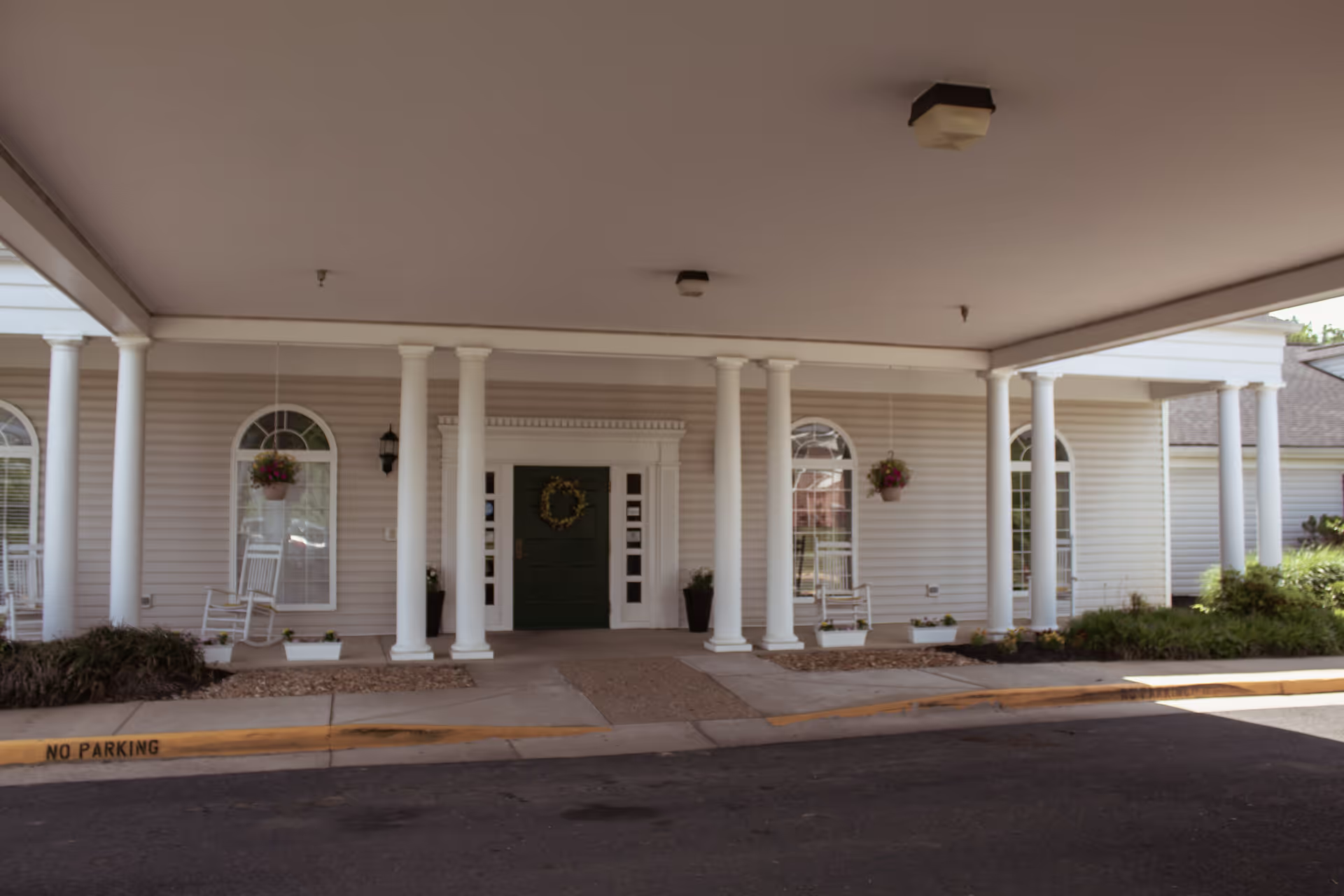
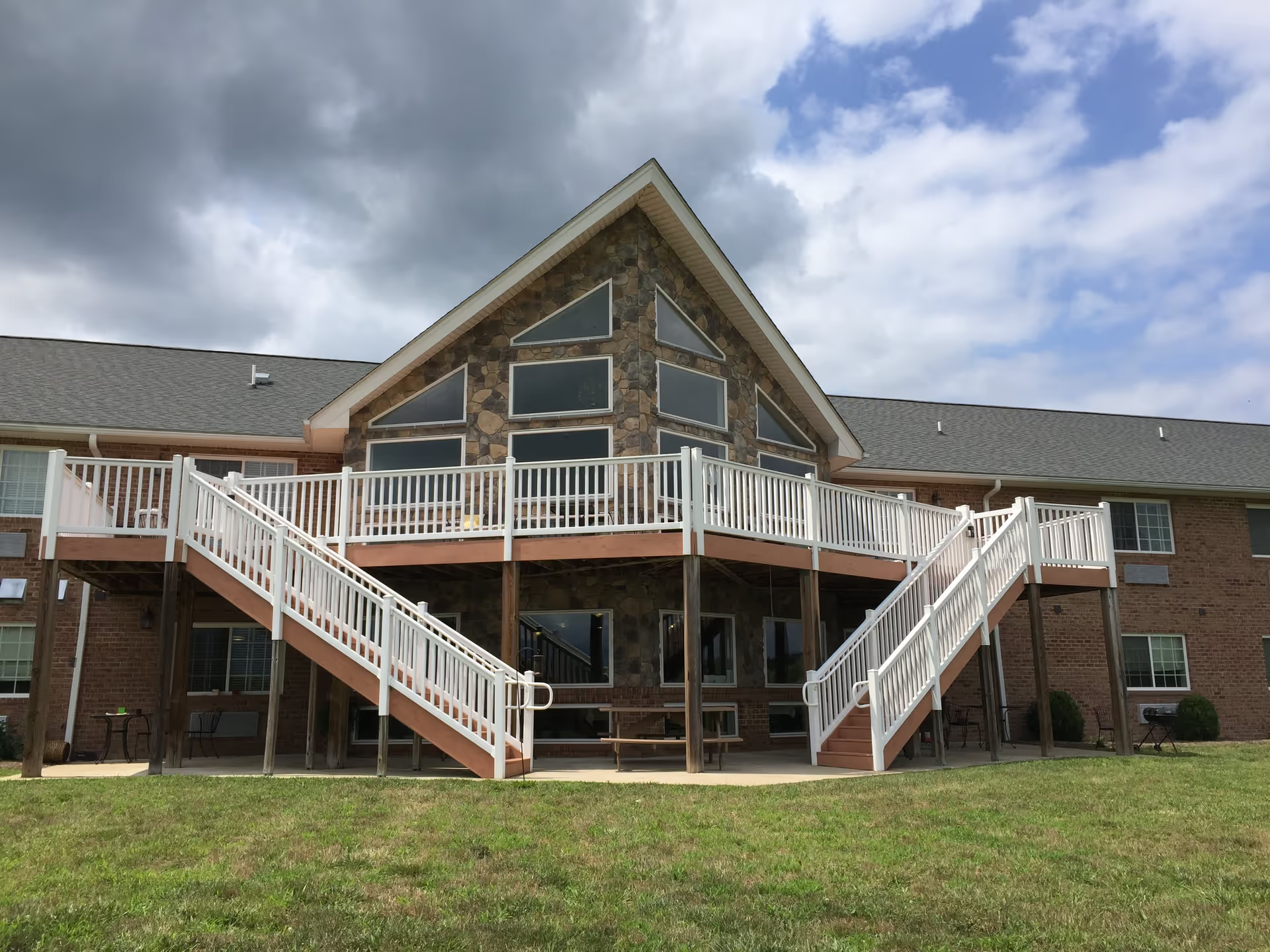
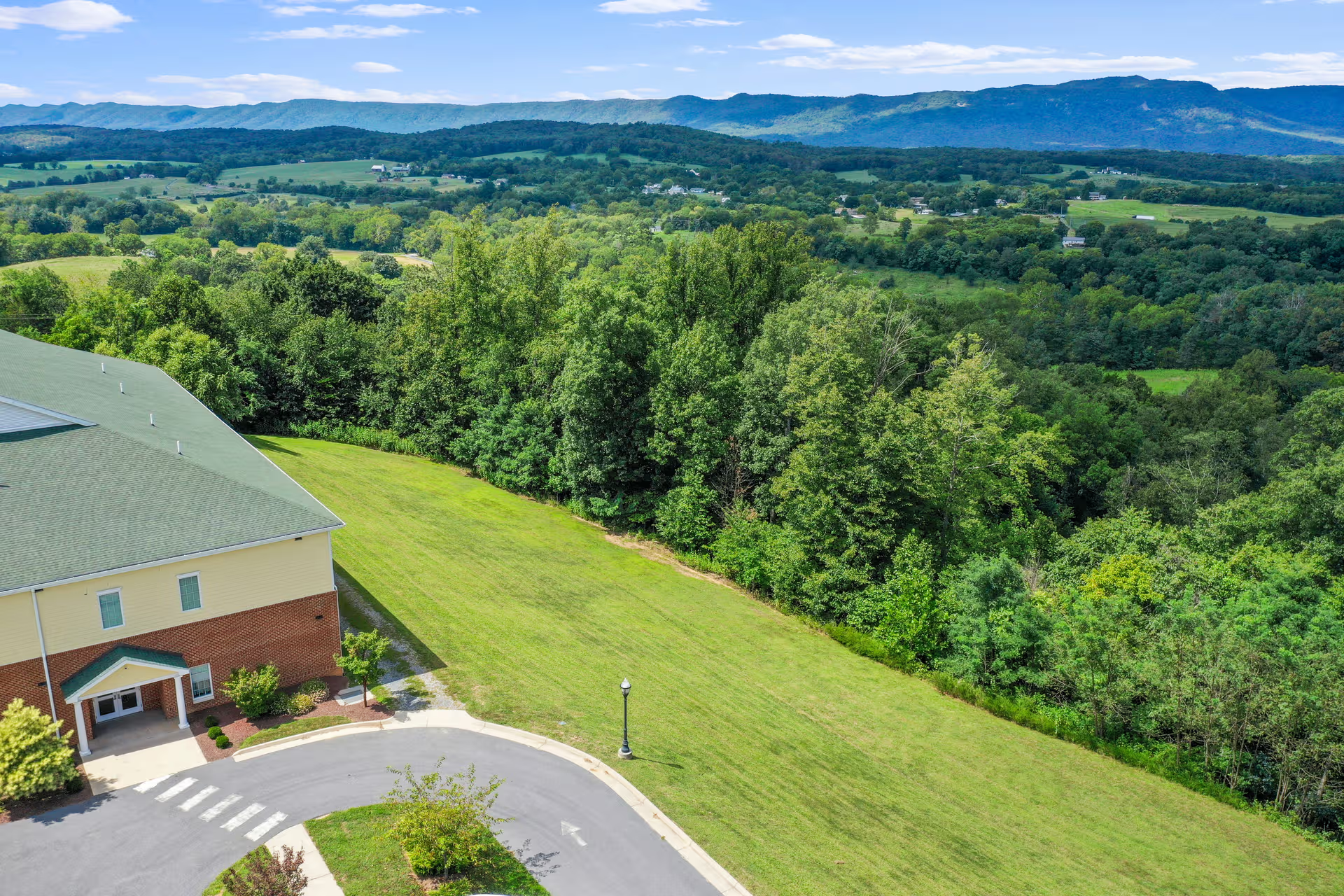
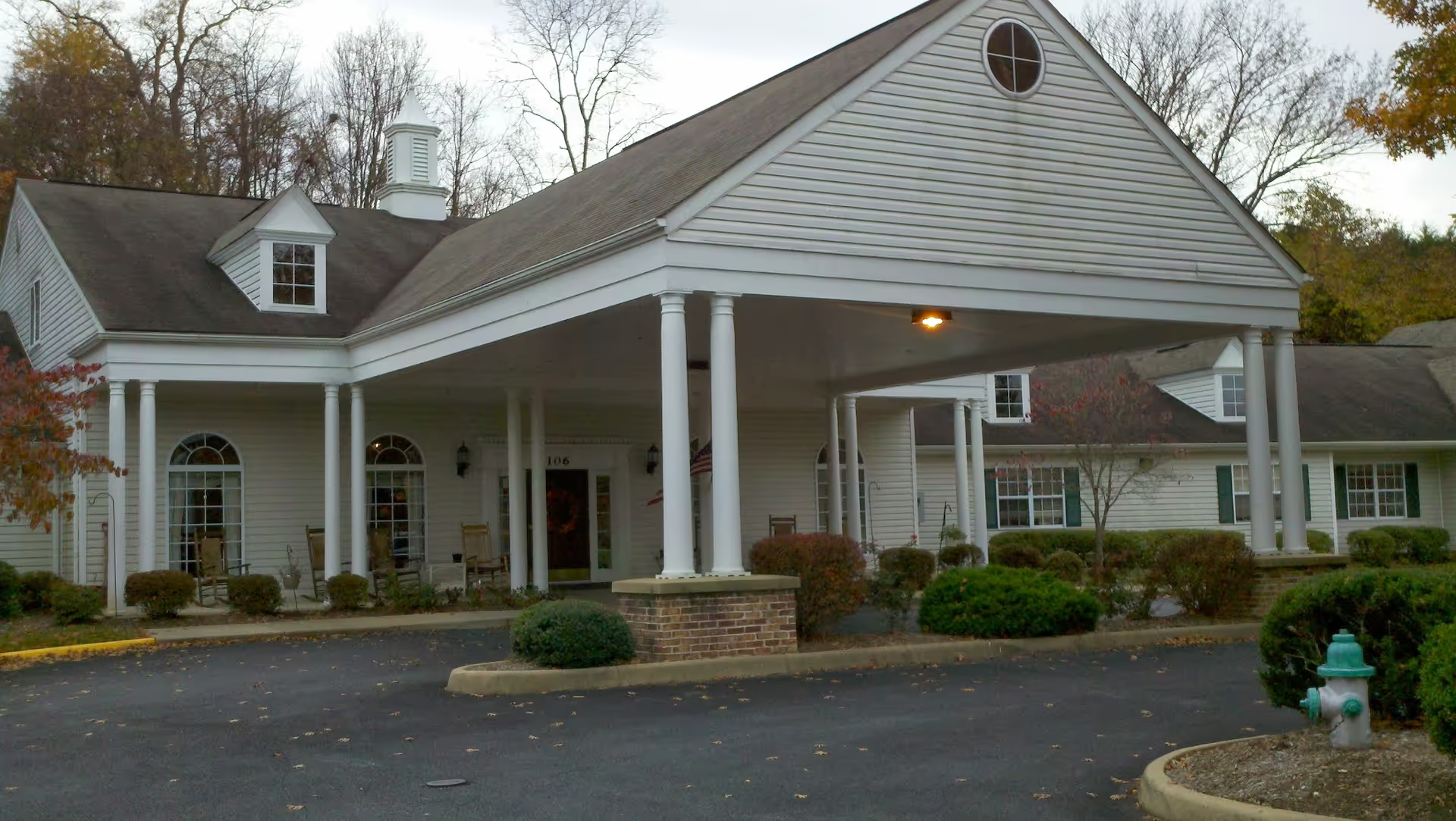
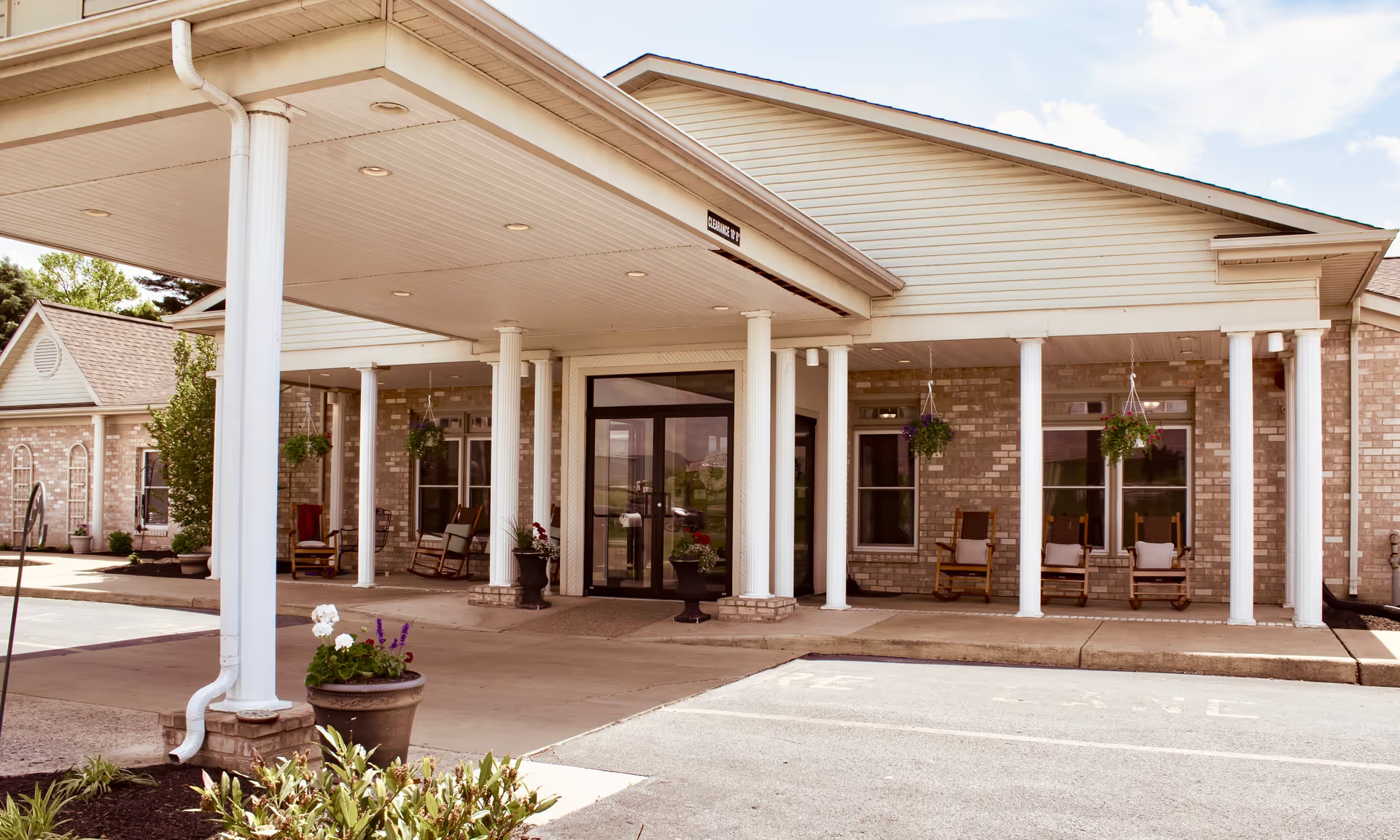
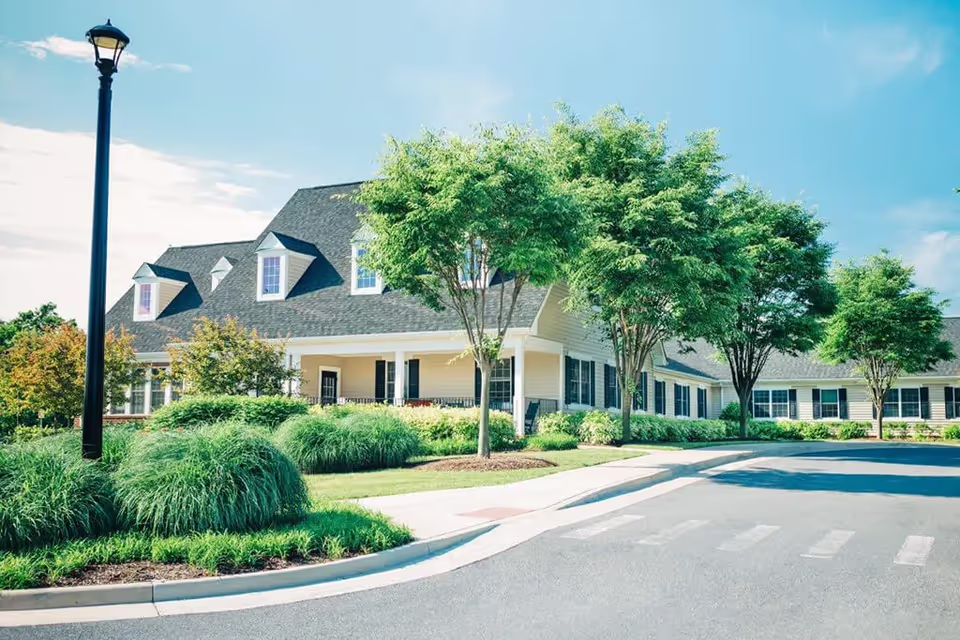
Facilities impressions skew positive: reviewers cite clean, bright, well-kept interiors, apartment-style rooms, and a one-level layout that improves accessibility. Maintenance and housekeeping receive praise when timely, and specific staff (maintenance and reception) are noted as responsive. Conversely, several accounts describe delays in repairs and isolated pest-control and cleanliness concerns that suggest room-level variability. Site constraints such as limited parking and occasional long walks from street parking are also mentioned.
Management and communication present a mixed picture. Some families praise the administrator, nurse leadership, and marketing/activities staff for clear explanations and responsiveness; others describe lapses in communication, missed calls, and unmet expectations around room moves or promised repairs. This variability suggests inconsistent administrative follow-through rather than a uniform service pattern.
Overall, The Maynard appears to offer a warm, activity-rich environment with committed caregiving staff and good value for families seeking a small-community setting. Prospective residents and families should weigh the evident strengths in personal care, programming, and cleanliness against operational caveats: confirm current staffing patterns, repair-response procedures, safety and transfer protocols, meal-service logistics, salon availability, and parking arrangements during touring and contract discussions.