The reviews for this facility present a sharply mixed picture, with recurrent praise for frontline caregivers alongside multiple operational concerns. Many families and short-term residents describe direct-care staff and therapists as compassionate, attentive, and effective — particularly for rehabilitation stays and dementia-related assistance such as turning, feeding, and dressing. Several accounts highlight successful therapy outcomes, quick functional gains, and staff who communicate well and accommodate individual food preferences. The facility is also described by some as having a welcoming admission process, a homelike atmosphere, and programming that includes arts and games; service animals are accommodated and insurance/Medicaid coverage is viewed positively by some families.
At the same time, a number of substantive facility-level weaknesses emerge. Staffing adequacy and morale are recurring themes: reviewers describe understaffing that contributes to delays in responding to resident needs and to inconsistent follow-through on routine care tasks. Clinical oversight appears uneven across shifts, with specific concerns about registered-nurse coverage and the availability of clinical leadership. Several reviewers described delays in testing and treatment escalation, and others raised issues with medication reconciliation and incomplete discharge instructions — operational gaps that have implications for continuity of care.
Dining and activities show variability. Multiple reviewers praised appealing meals and responsiveness to requests, while others found the food poor or prepackaged. Recreational offerings such as painting and bingo, and one-on-one therapy, are cited as positive elements, but some comments point to a limited activities budget and fewer amenities than desired, which may reduce engagement for long-term residents.
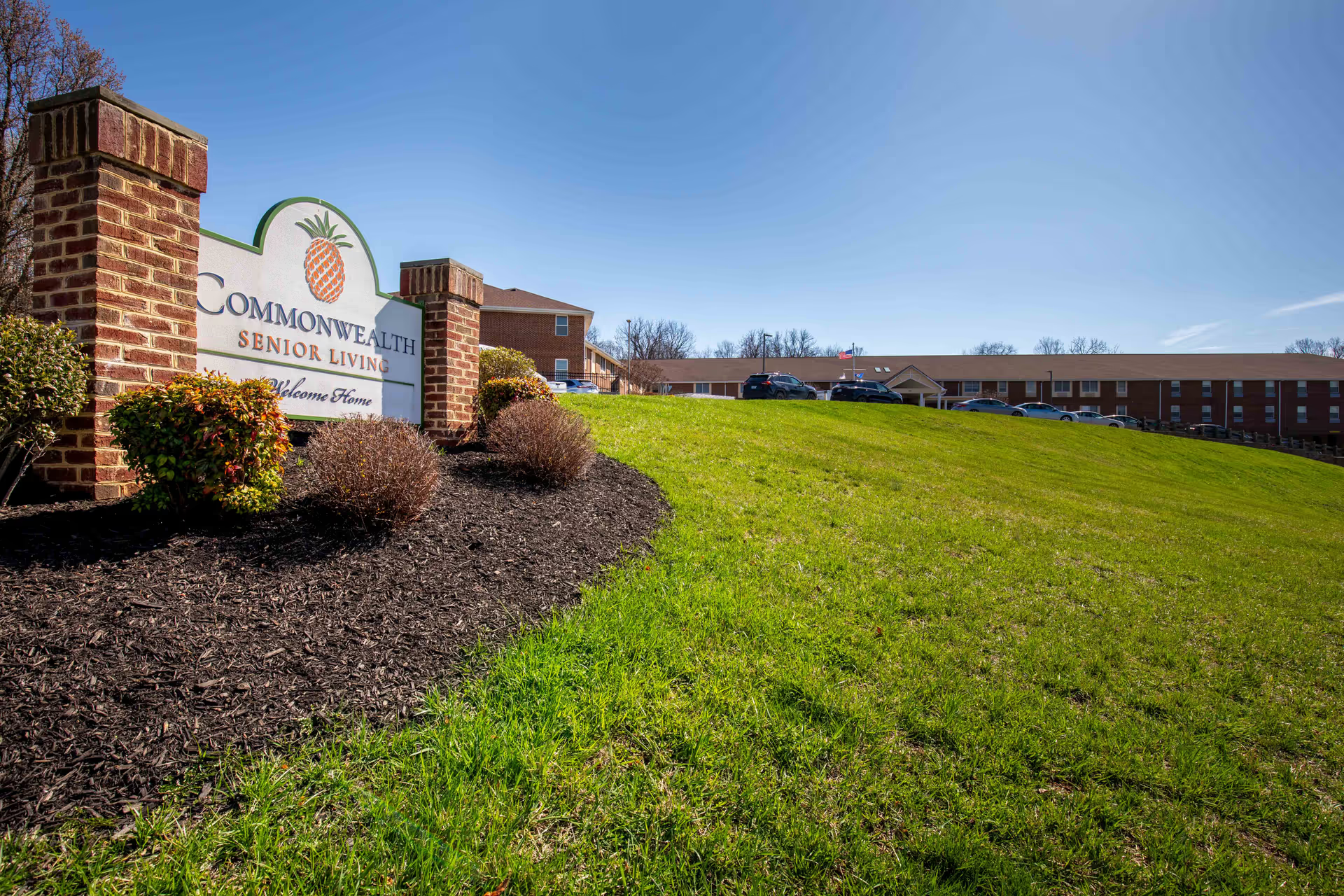
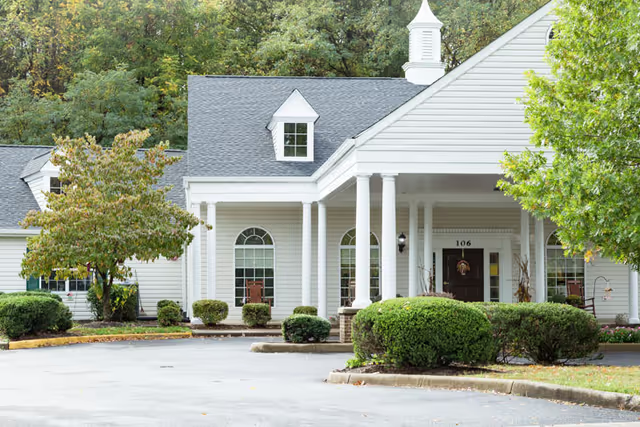
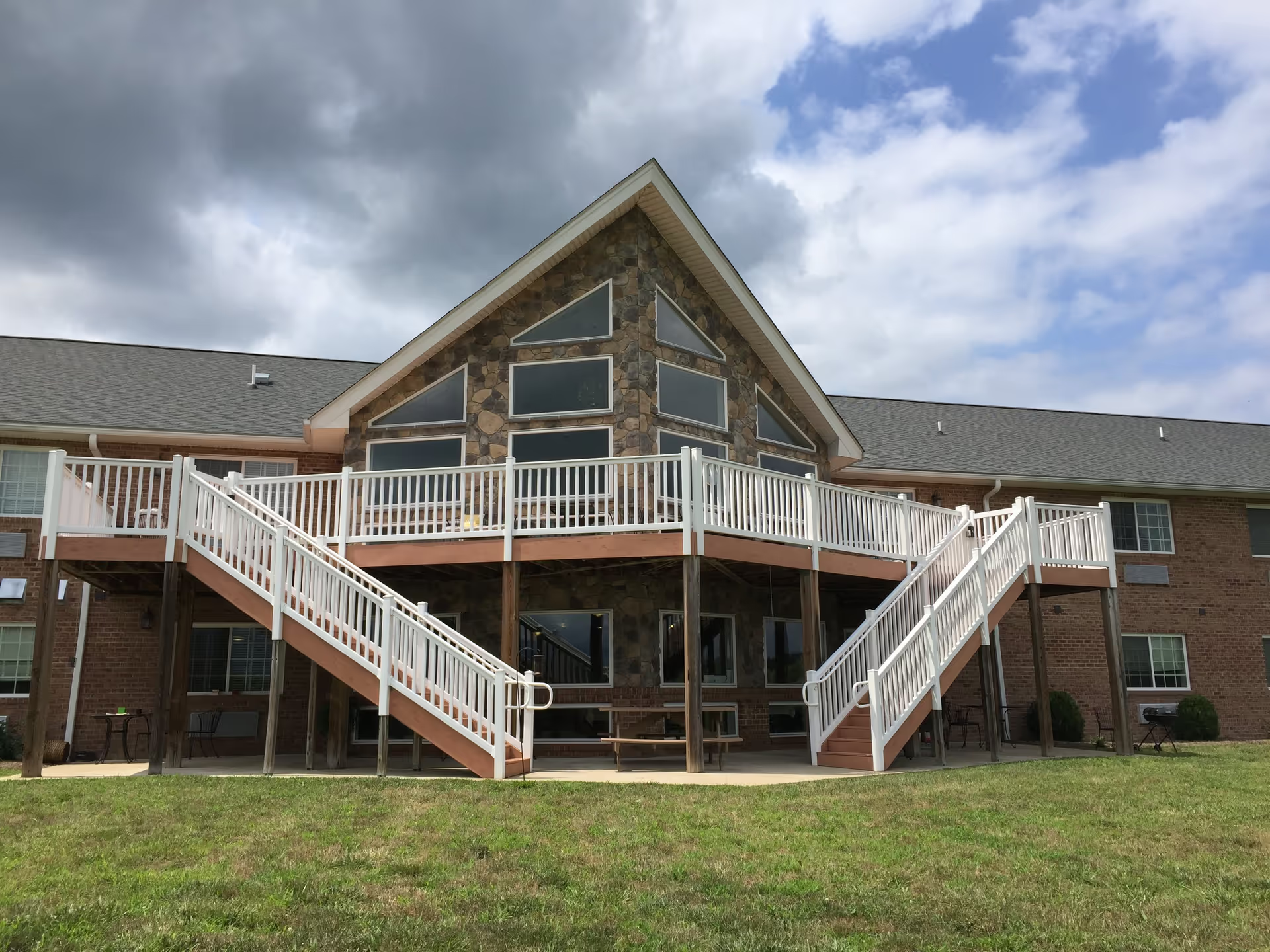
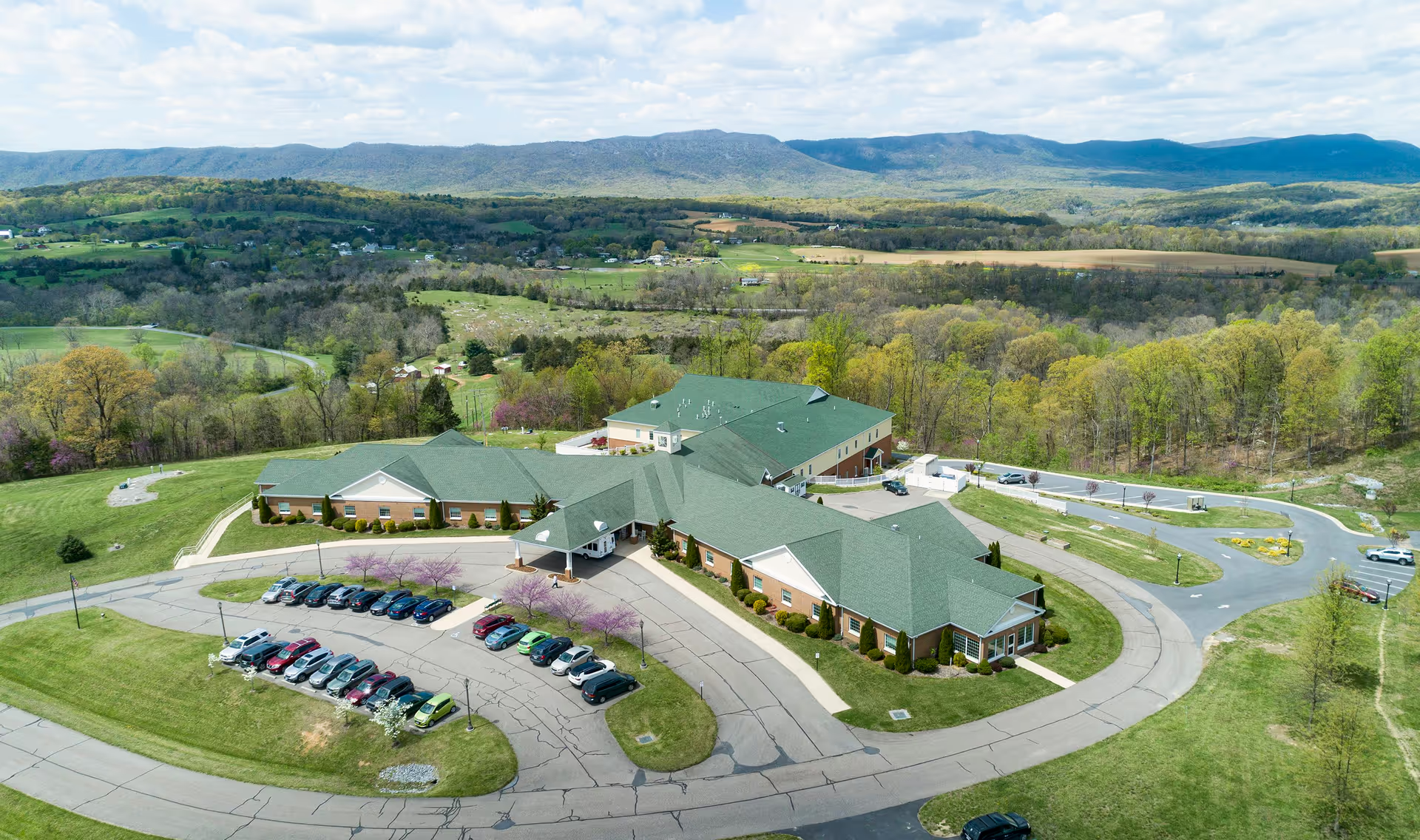
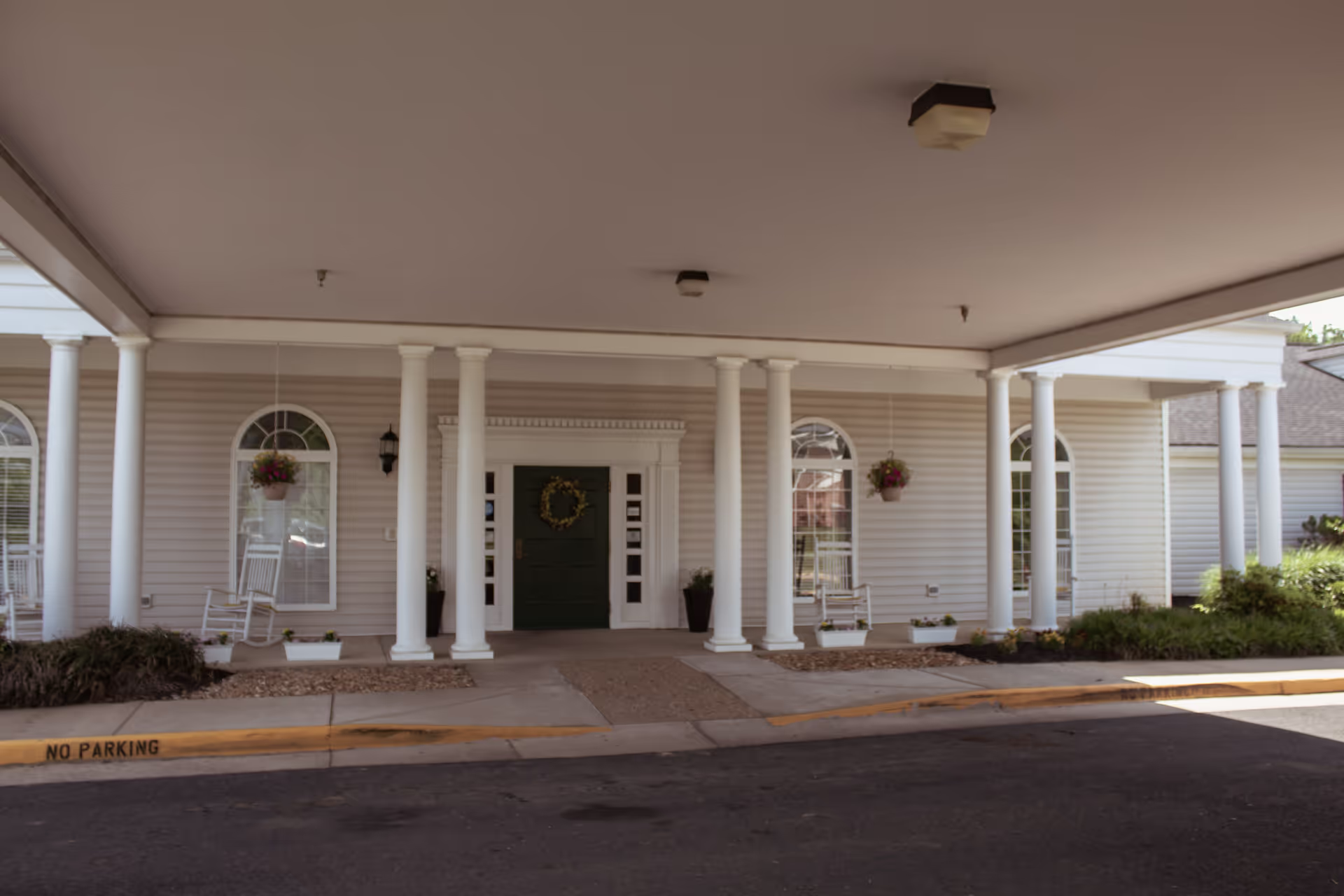
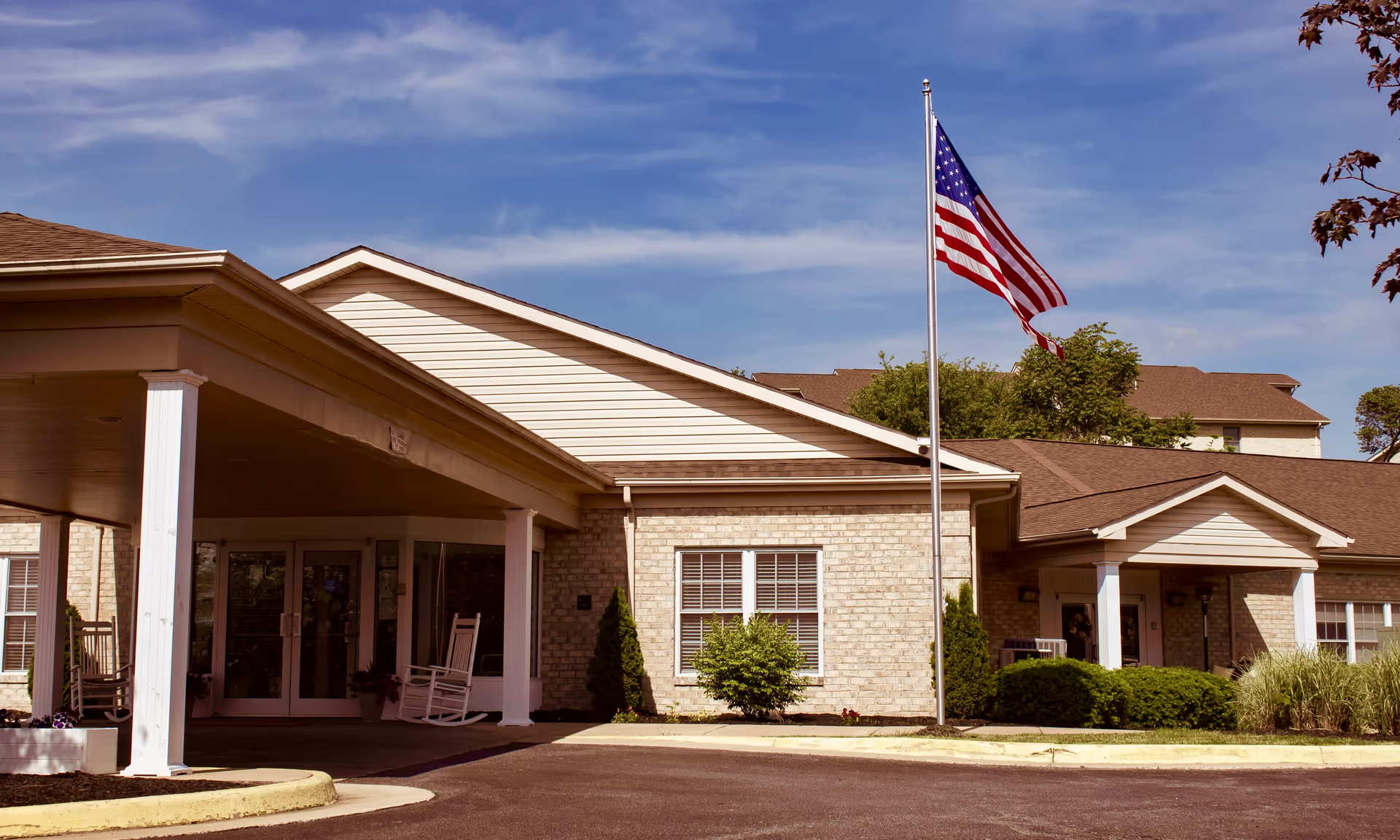
Facility and housekeeping impressions are mixed. Many families describe a clean, welcoming environment and accessible administrators, yet other reviewers reported sanitation and incontinence-care concerns in particular areas, odor issues, and minimal maintenance attention. Overcrowding or high occupancy pressure is implied in accounts describing overworked staff and constrained resources.
Management and communication are polarizing topics. Some reviewers praise accessible administration and frequent updates; others perceive an operational focus on census and financial metrics, limited social-work presence, and inconsistent family communication — especially during clinical incidents or end-of-life transitions. Several accounts describe late hospice initiation or gaps in coordinating end-of-life care, which some families found distressing.
Overall, the pattern suggests the facility can deliver strong, person-centered care under favorable staffing and oversight conditions — notably in short-term rehabilitation and with supportive front-line caregivers. However, persistent operational concerns (staffing levels, clinical oversight, sanitation in certain units, medication and discharge processes, and management priorities) create variability in the experience. Prospective residents and families seeking placement would benefit from asking targeted questions about current staffing ratios and RN coverage, medication reconciliation and discharge procedures, infection-control and visitation policies, personal-item protocols, and the scope of recreational programming before committing to long-term placement.