Overall impression: Review content shows a polarized but informative picture. A large volume of comments praise the staff and therapy services, and many families report positive rehabilitation outcomes and compassionate bedside care. At the same time, a subset of reviews describes operational and safety concerns that materially affected patient experience for those families. Prospective residents and their families are likely to encounter strong clinical and rehabilitative capacity, accompanied by variability in day-to-day care processes.
Care quality and clinical staff: Clinical strengths are a consistent theme. Physical, occupational, and speech therapy teams are frequently singled out for producing strong functional gains and for being motivating and professional. Specialist nursing (wound care, respiratory care) and several named nurses and nursing leaders receive repeated positive mention for clinical competence and communication. However, review content also indicates variability in nursing and aide performance; some families described slow responses to requests, medication and documentation inconsistencies, and a range of experience levels among frontline staff. There are also recurring concerns about transfer safety and fall-prevention adherence, which suggest uneven implementation of safety protocols across shifts.
Dining and housekeeping: Feedback on meals is mixed. Several families praised dietary staff for accommodating allergies and preparing appetizing meals, while other comments call for greater menu variety, fresher options, and more consistent meal delivery (including timely service and adherence to prescribed textures). Housekeeping and common-area cleanliness receive positive endorsement in many comments, yet there are also specific sanitation and incontinence-care process concerns and reports of inconsistent laundry/linen handling that indicate room for operational improvement.
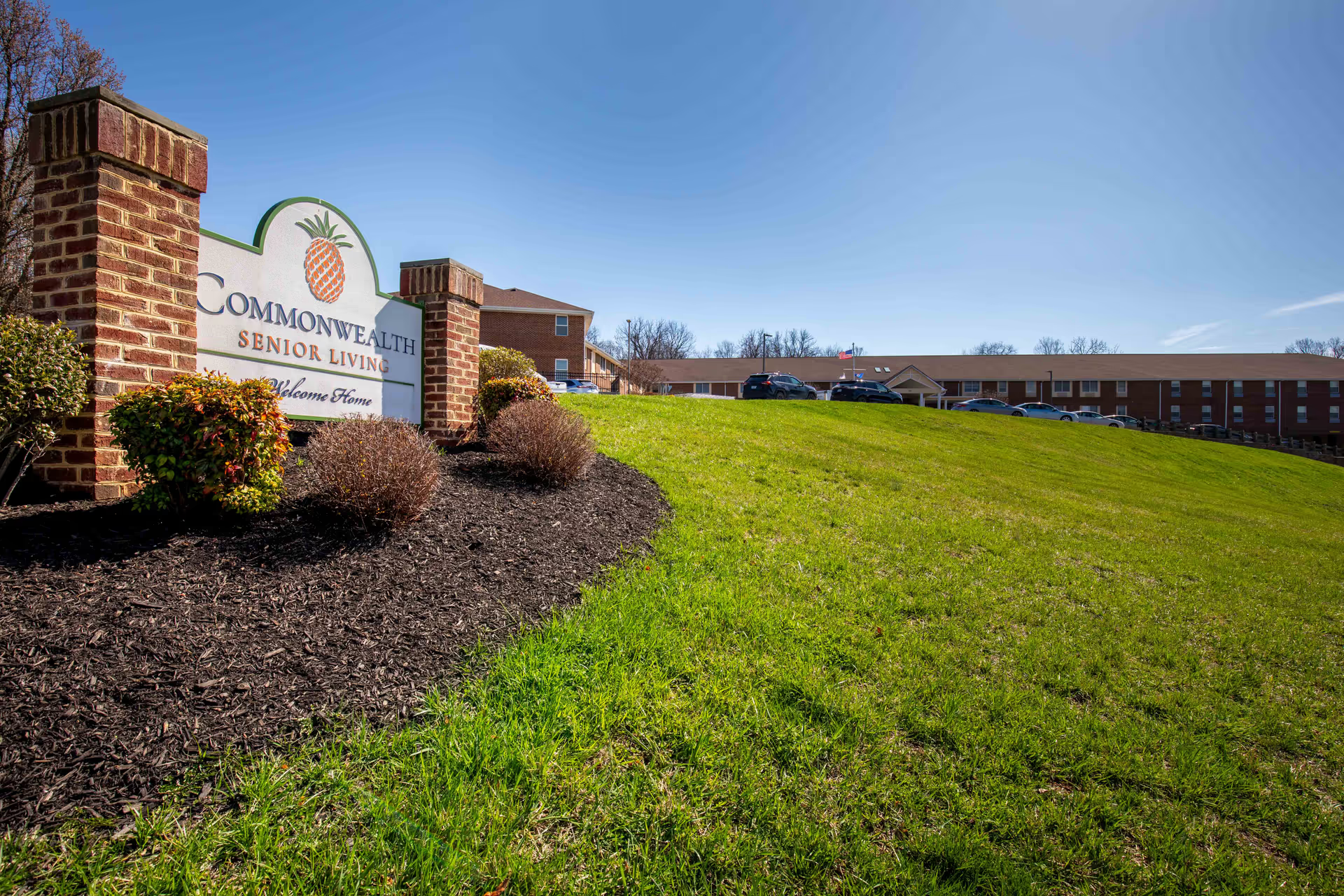
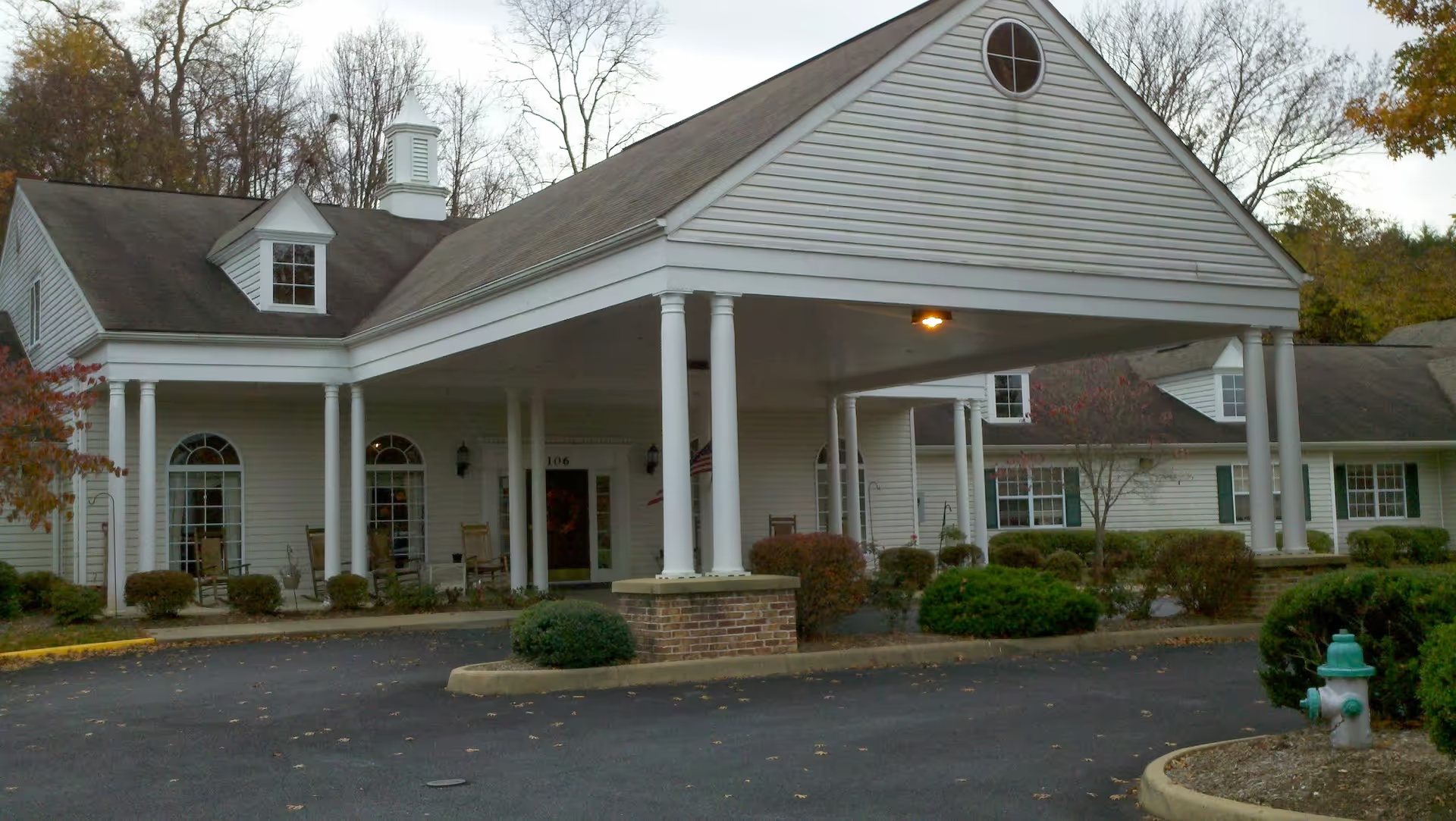
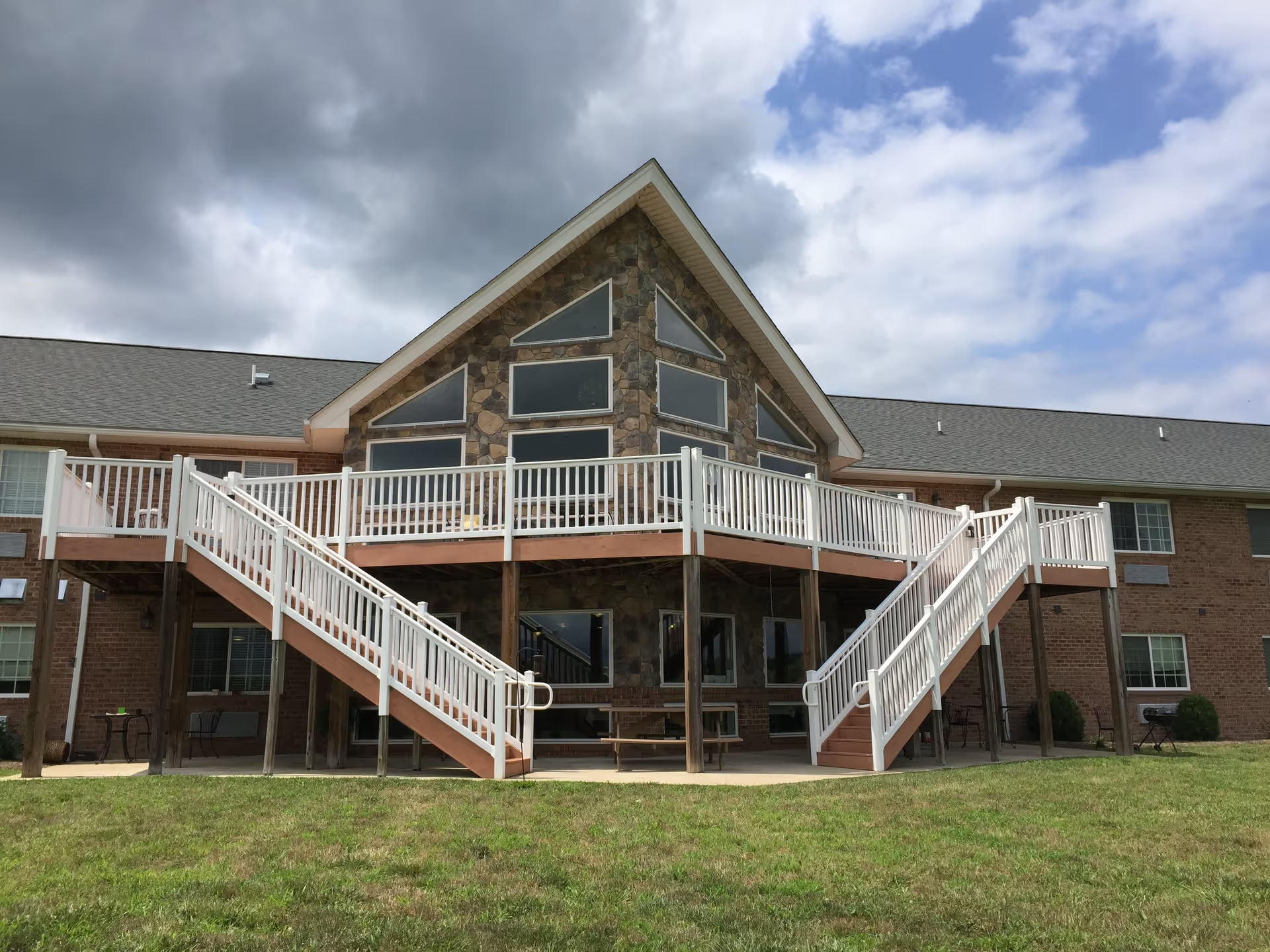
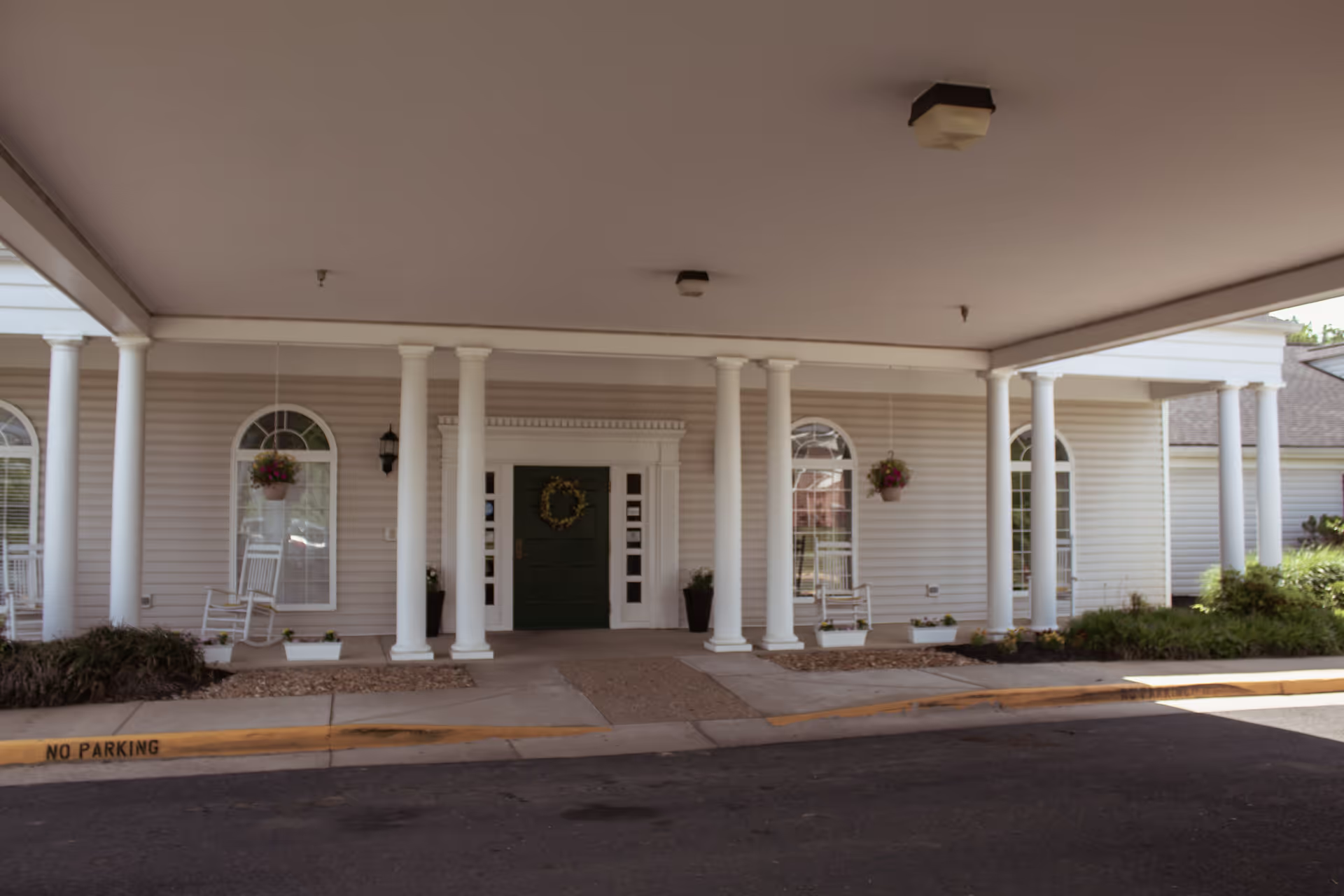
Activities and environment: The facility’s activity program is widely praised for its range and frequency — bingo, crafts, holiday events, outings, and pet visits are commonly referenced. Memory-care programming is described as nurturing and personalized, and families often characterize the atmosphere as home-like and family oriented. The therapy gym and some clinical spaces are viewed as well-equipped; some areas of the building are described as somewhat dated even when clean and well maintained.
Management, communication, and operational patterns: Several administrative staff and business-office liaisons are repeatedly commended for clear communication and helpfulness. Nonetheless, reviewers also cite inconsistent family communication, billing complexity, and high daily copays as stress points. Multiple comments indicate staffing variability tied to weekends, shift changes, and turnover, and a few reviewers describe a perceived decline in quality following leadership transitions. A small number of serious individual allegations — including concerns raised after an adverse outcome — appear in the comments and warrant direct inquiry and verification by families considering placement.
Notable patterns and guidance for families: The dominant pattern is one of strong rehabilitation and many dedicated staff members delivering high-quality care, juxtaposed with operational inconsistencies that can affect safety and comfort on particular shifts. Families touring the facility should ask targeted questions about staffing ratios and weekend coverage, fall-prevention and transfer procedures, incontinence-care protocols and laundry workflows, meal service schedules and menu rotation, and the facility’s process for communicating clinical changes and billing details. Requesting recent staffing data, examples of safety audits, and opportunities to speak with therapy and nursing leaders can help clarify whether the facility’s praised strengths will meet a prospective resident’s specific needs while mitigating the operational risks noted by other families.