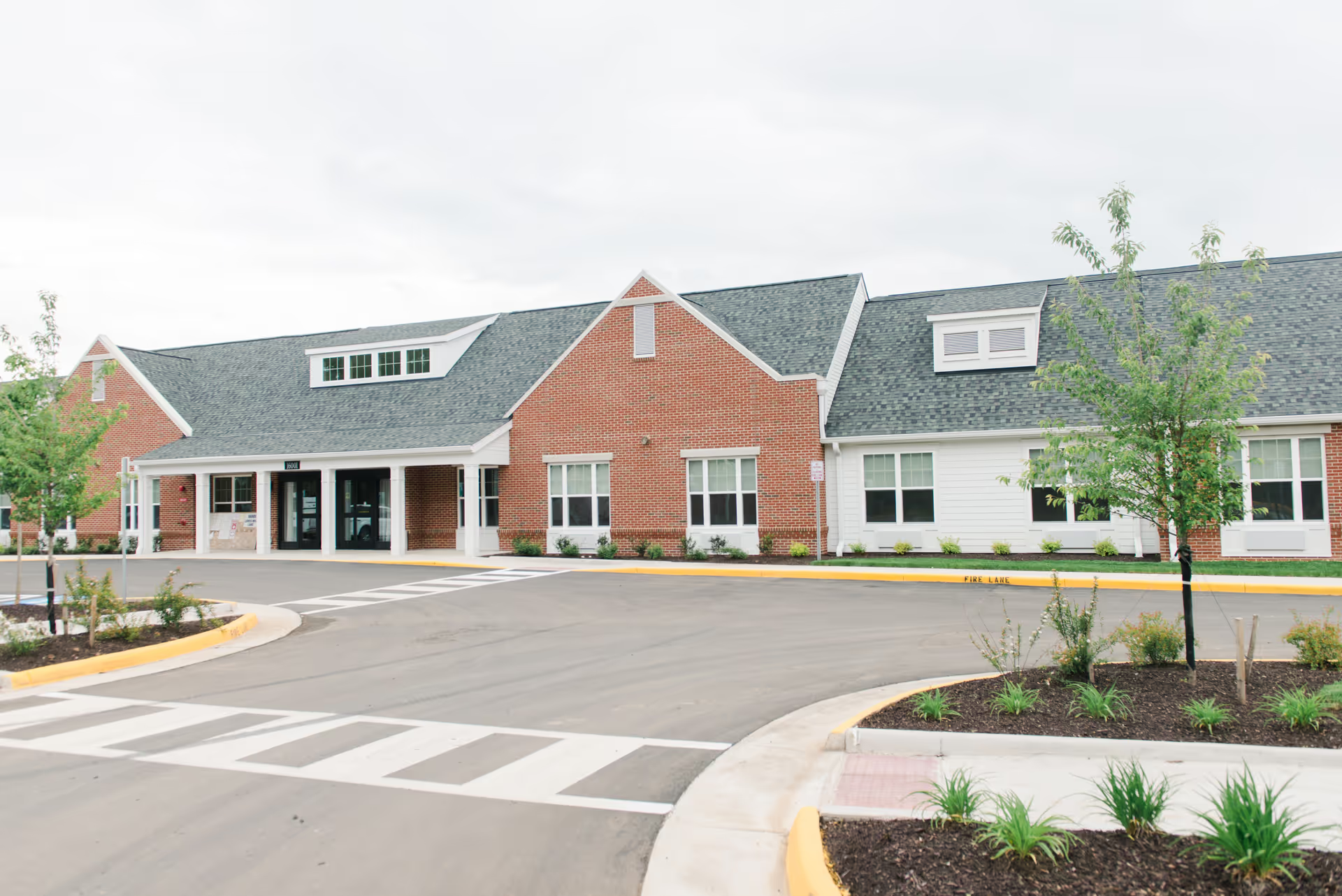
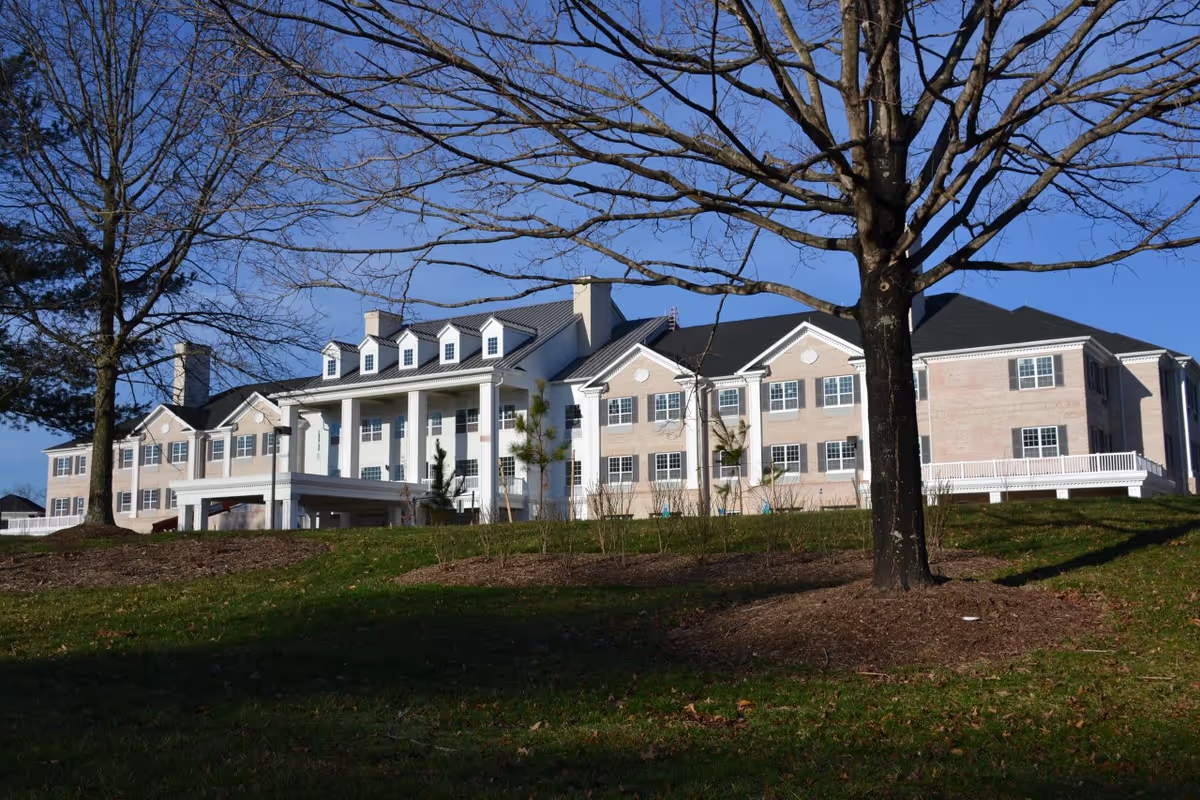
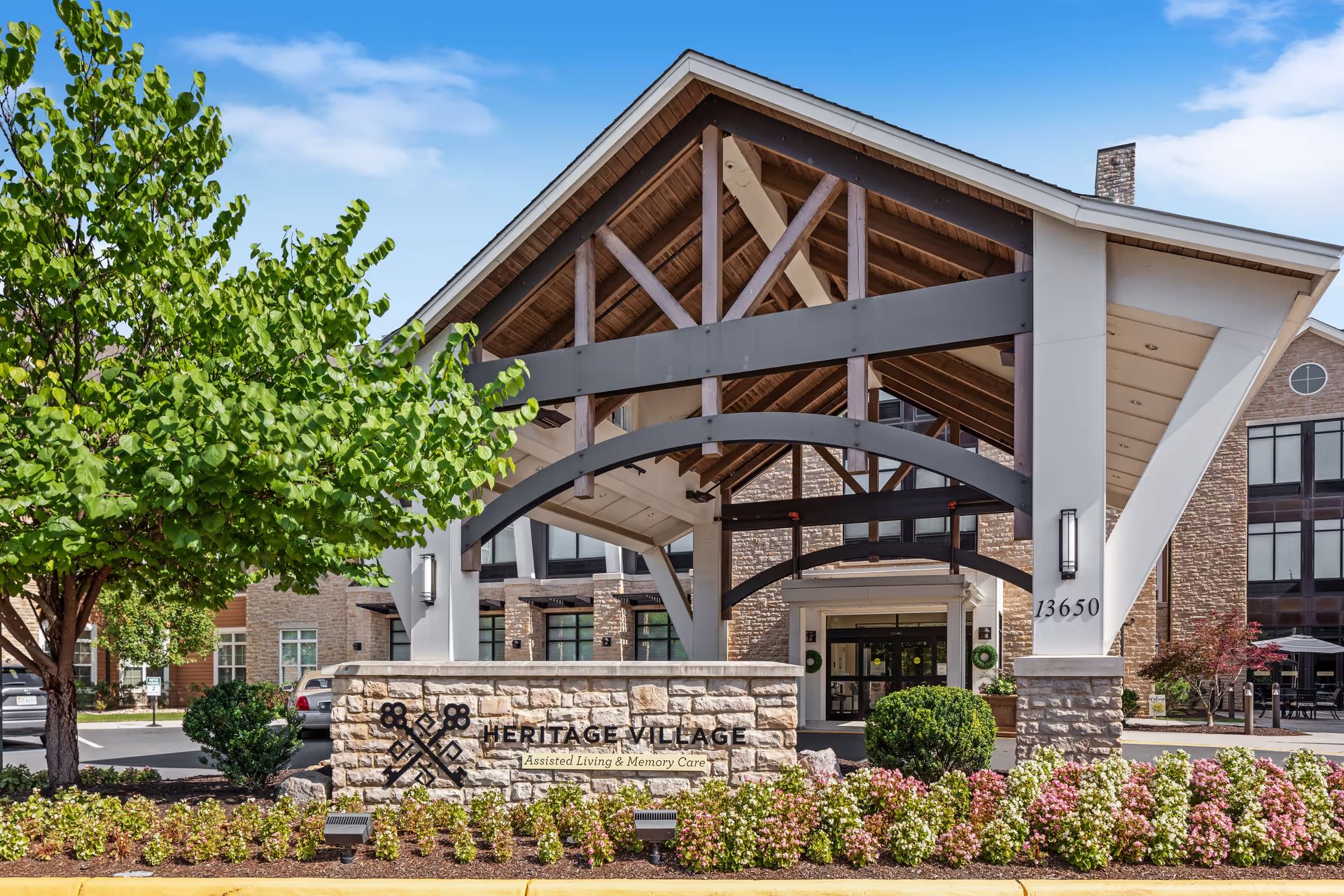
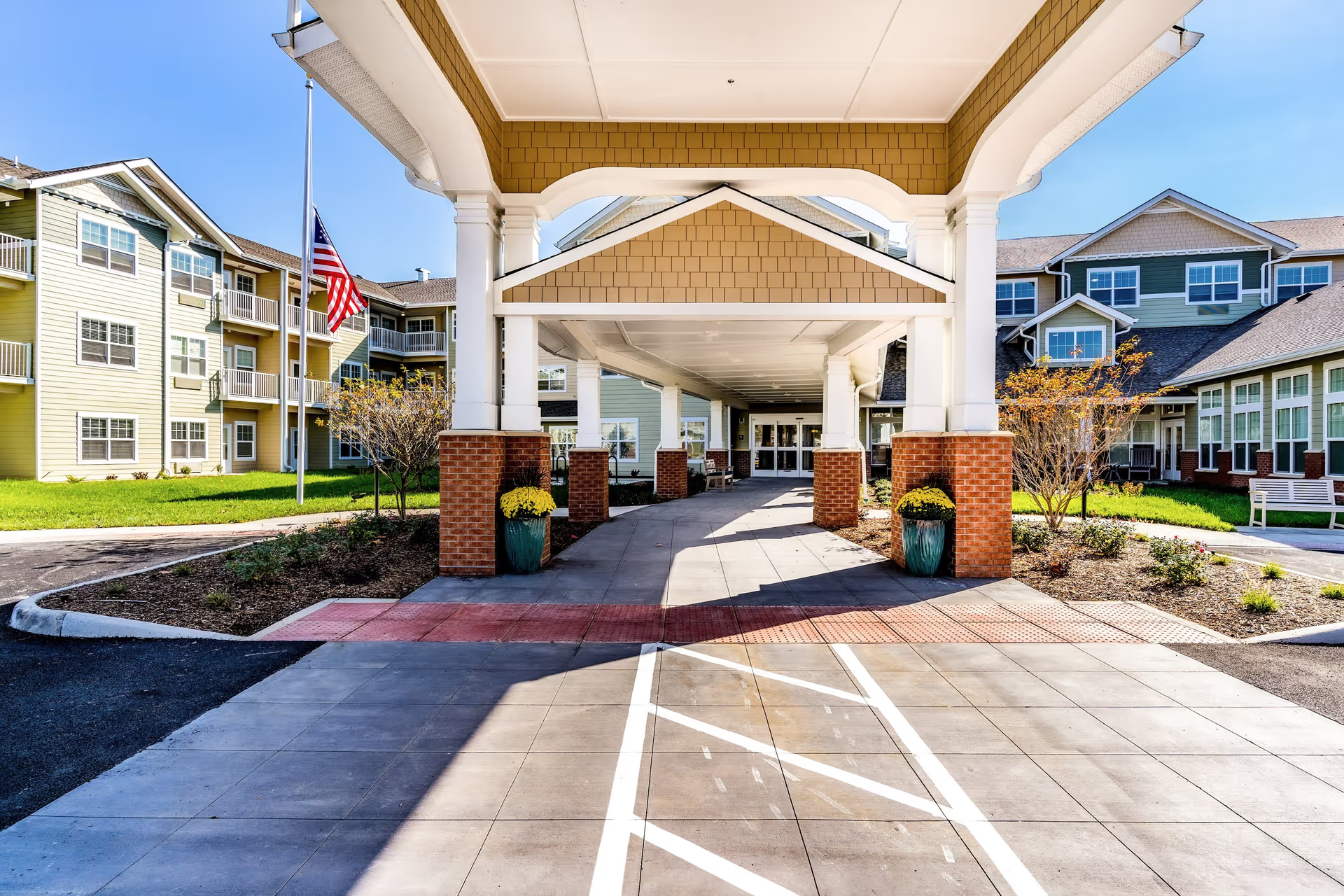
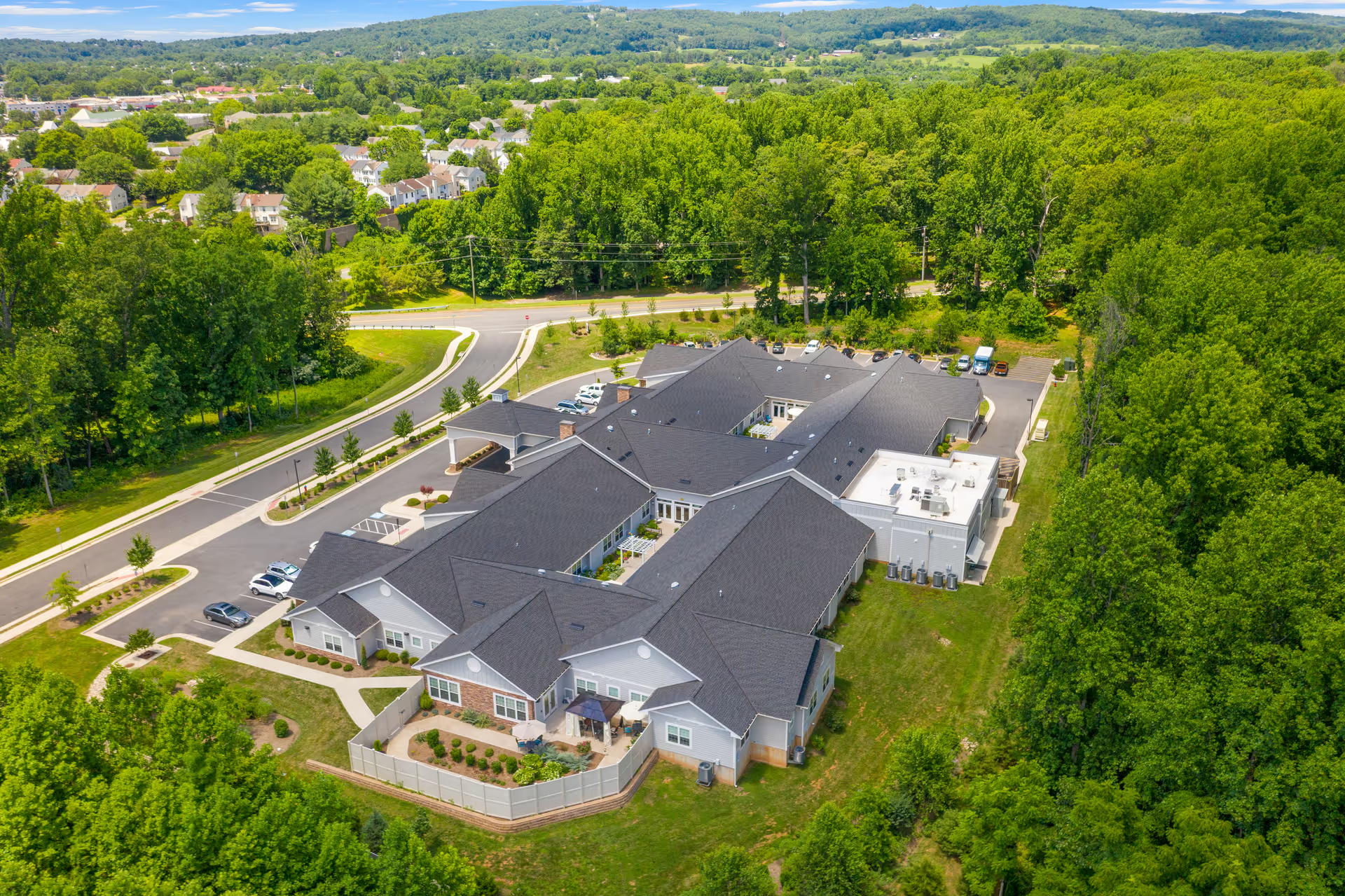
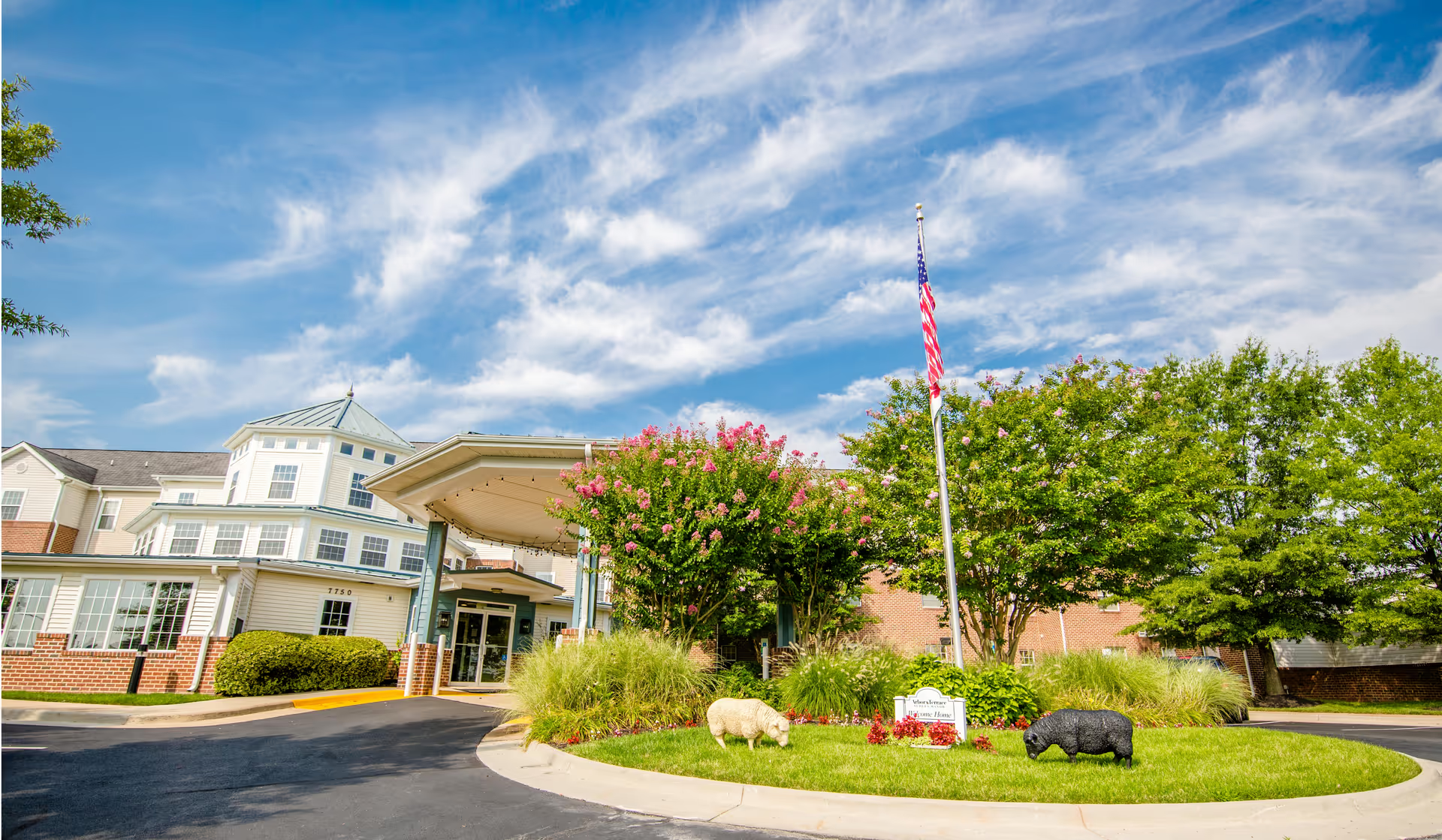
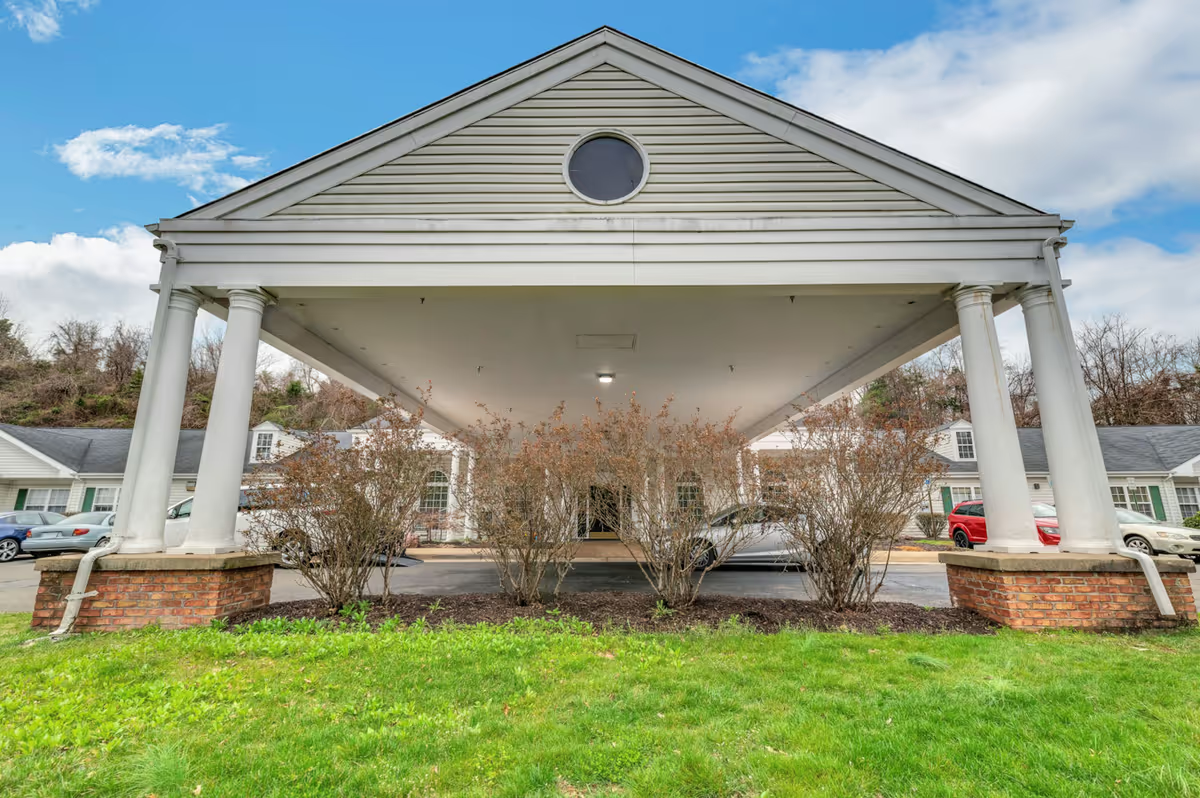
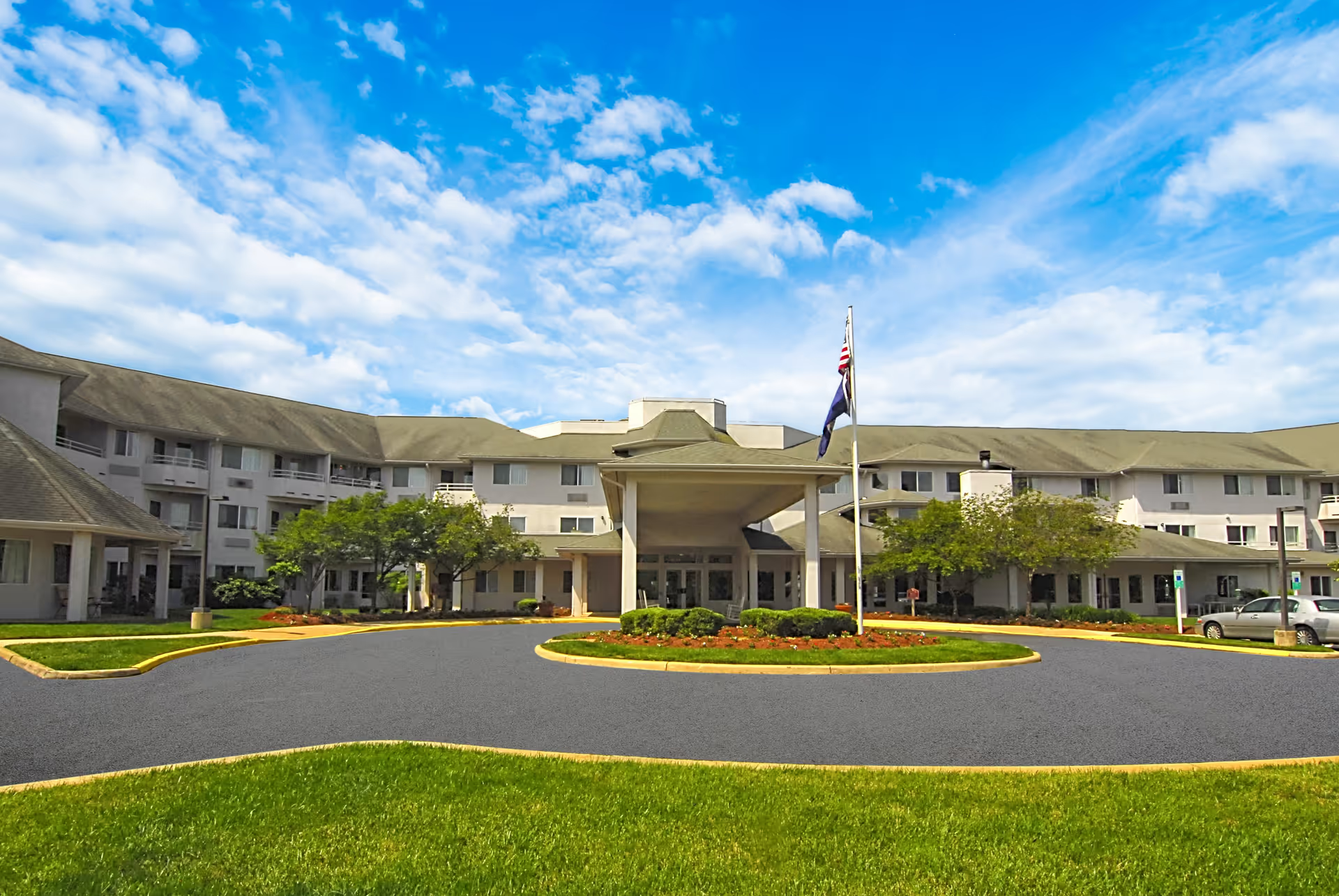
Harper’s Station Gainesville receives frequent praise for its physical plant, dining, and front-line staff. Many reviewers describe the community as brand-new, bright, and well maintained, with spacious suites (including kitchenettes and multiple baths), attractive courtyards, and a broad set of amenities such as a pool, gym, yoga room, barber shop, chapel, and large dining halls. Dining is a notable strength for a large number of families: an experienced chef, varied menu items, and well-presented meals are frequently highlighted and contribute to a perception of high value—especially for independent living residents.
Front-line staff are another consistent positive theme. Reviewers commonly describe staff as friendly, attentive, and personable, with personnel who know residents by name and provide regular check-ins. Several accounts emphasize strong move-in support, engaged activity staff, and leadership in the care teams that fosters a warm, family-like atmosphere. Housekeeping and property maintenance are often described as high quality when functioning normally, and many families find the community’s events and social programming robust and engaging.
Counterbalancing those strengths are recurring operational concerns that prospective residents and families should evaluate carefully. Staffing consistency and turnover are cited as sources of variability in daily care; reviewers describe gaps in assistance such as inconsistent bathing schedules and varying levels of attention in assisted- and memory-care settings. Medication-management processes and medication-delivery logistics are another area of concern, with families noting inconvenient procedures and occasional errors or delays. Communication gaps—particularly around clinical incidents, emergency notifications, and follow-up with families—appear as an important pattern, and there are accounts suggesting room for improvement in how the community escalates and communicates about incidents.
Additional facility-level issues include variability in housekeeping and sanitation in certain units, delayed maintenance or infrastructure repairs (examples include prolonged HVAC and phone-service outages), and perceptions of opaque fee structures and ownership priorities. Several reviewers contrast the strong independent-living experience with less consistent performance in assisted living and memory care, indicating that quality may differ by care level. Some initial ‘‘growing pains’’ were noted by families as the community matured—delayed activities, transitional staffing, and occasional declines in meal consistency were mentioned.
In summary, Harper’s Station Gainesville presents a compelling option for those prioritizing a modern facility, high-quality dining, plentiful amenities, and a personable staff culture—particularly for independent living. Families considering assisted living or memory care should probe operational consistency: ask for current staffing ratios, incident-communication protocols, medication-management procedures, recent maintenance history, and concrete examples of how the community ensures consistent daily care. An in-person tour focused on observing assisted- and memory-care routines, speaking with current families, and reviewing written policies on fees, visitation, and incident response will help clarify whether Harper’s Station’s strengths align with a prospective resident’s care needs.