Lake Manassas Health and Rehabilitation Center elicits strongly mixed assessments. Many families praise the rehabilitation program, therapy staff, and several clinical and administrative team members; these strengths are repeatedly linked to measurable recovery goals and successful transitions home. At the same time, a substantial number of accounts describe operational shortcomings that affect day-to-day care, producing a polarized overall picture.
Care quality and clinical performance show a clear pattern: physical and occupational therapy are consistent areas of strength, with dedicated therapists, extensive therapy hours, modern equipment, and frequent positive recovery outcomes. Several reviewers credited the therapy team with rapid functional improvement and safe discharge planning. Nursing and aide-level care is more variable. Numerous family reports describe compassionate, attentive nurses and supportive CNAs, while other reports cite delays in responding to calls, inconsistent toileting and mobility assistance, and specific medication-administration problems (including delayed insulin and prescription coordination issues). A few accounts raise serious clinical concerns alongside other descriptions of excellent end-of-life comfort care; this contrast points to inconsistency in clinical execution rather than uniform performance.
Staffing, supervision, and management patterns appear to underlie many of the variable experiences. Strengths named in reviews include proactive case management, clear social-work guidance, helpful discharge planners, bilingual staff, and a welcoming administrative/front-desk presence. Conversely, reviewers commonly cite understaffing, uneven training, and night-shift coverage gaps that manifest as slow responses and perceived inattentiveness. Families also noted occasional breakdowns in internal communication and coordination—particularly around discharge timing, insurance approvals, medication fulfillment, and billing—that can complicate transitions and post-discharge continuity.
Dining and activities present a mixed picture. The facility’s dining and communal spaces are generally described as inviting and supportive of socialization; the activities department is active and appreciated when programs run, though pandemic restrictions reduced mingling at times. Recurrent concerns focus on meal quality and service consistency: complaints include bland food, cold meals at serving, repeated menu items, and interruptions to expected meal schedules leading families to seek external options. Activities and the dining environment are strengths when fully staffed and operational but appear vulnerable to operational disruptions.
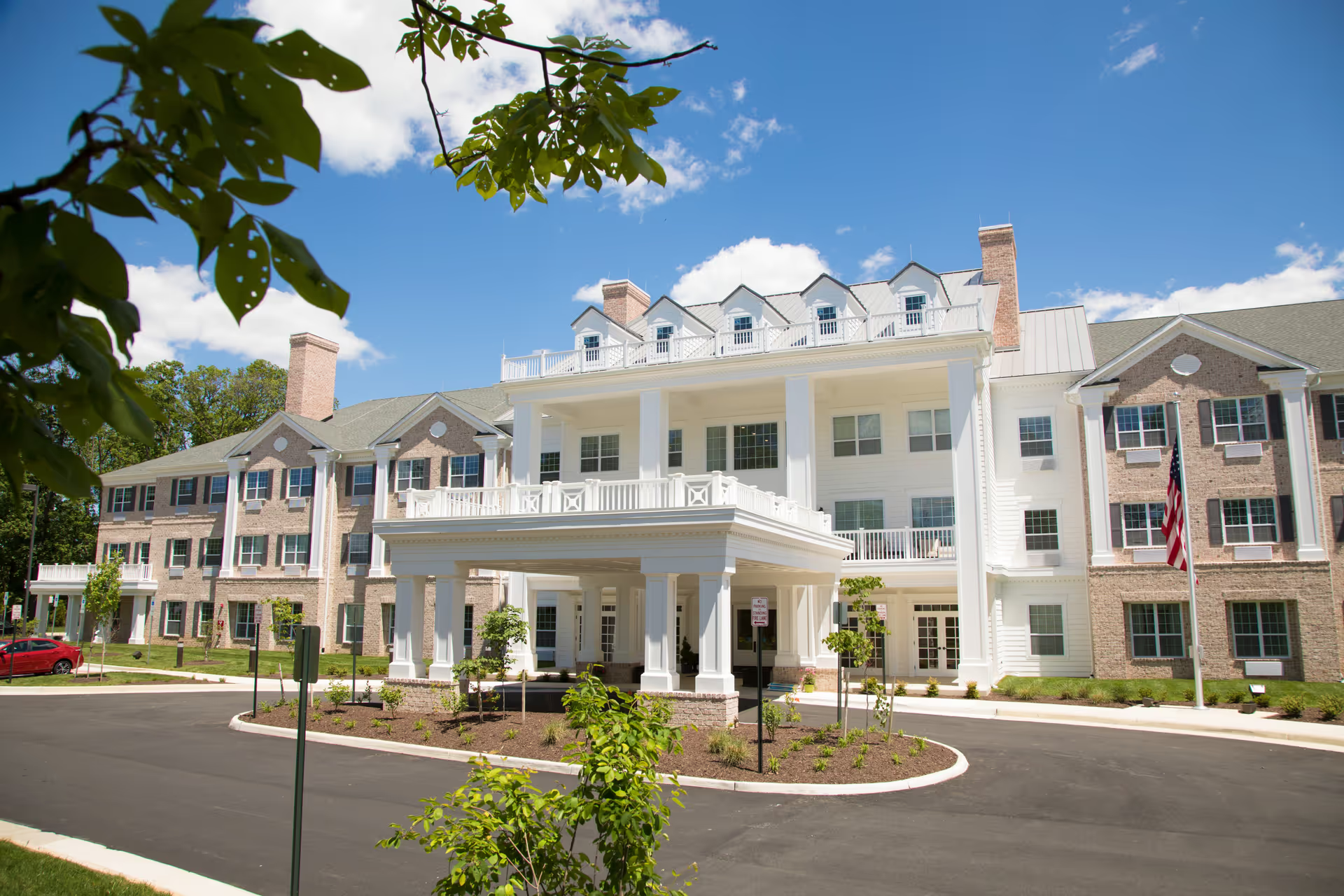
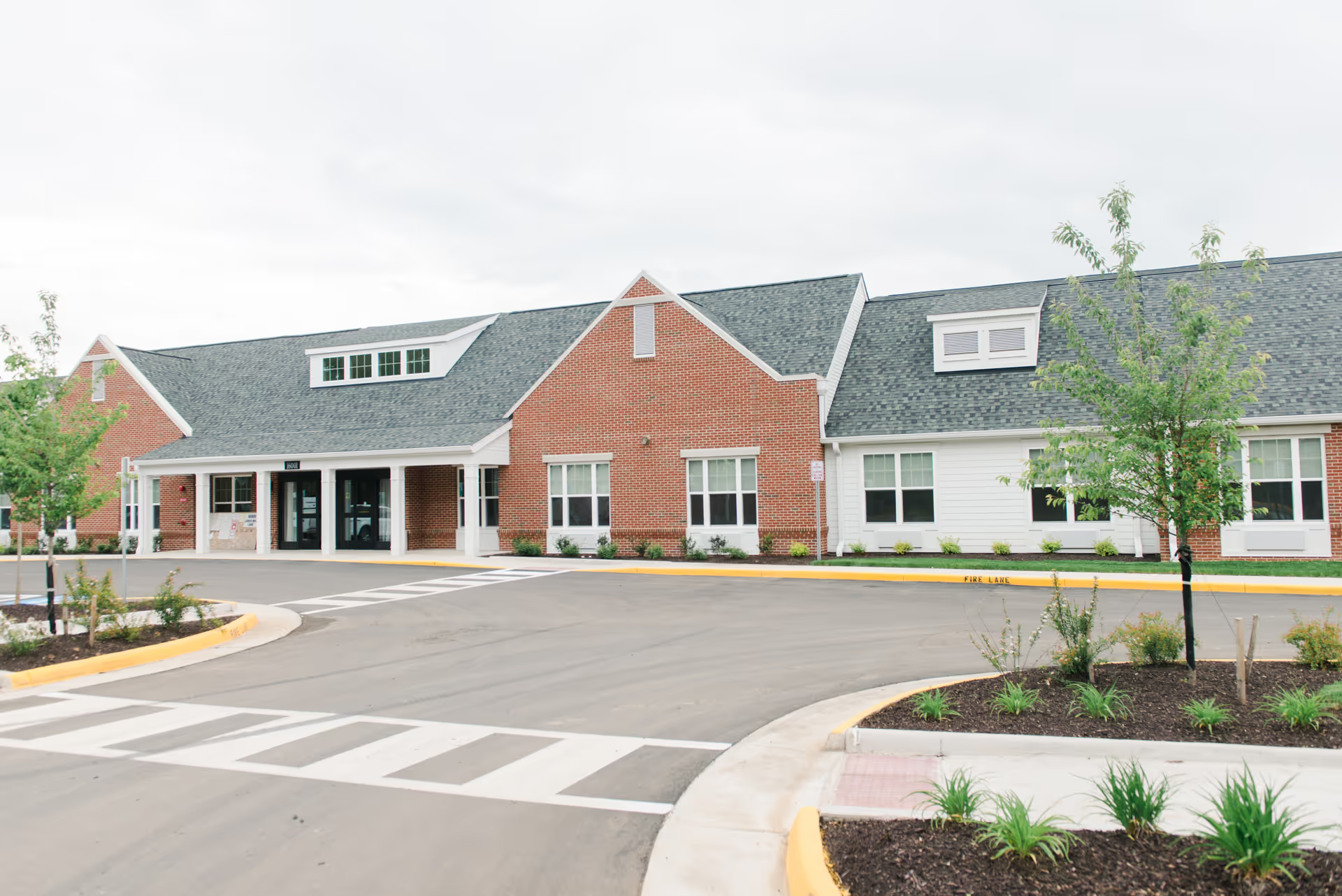
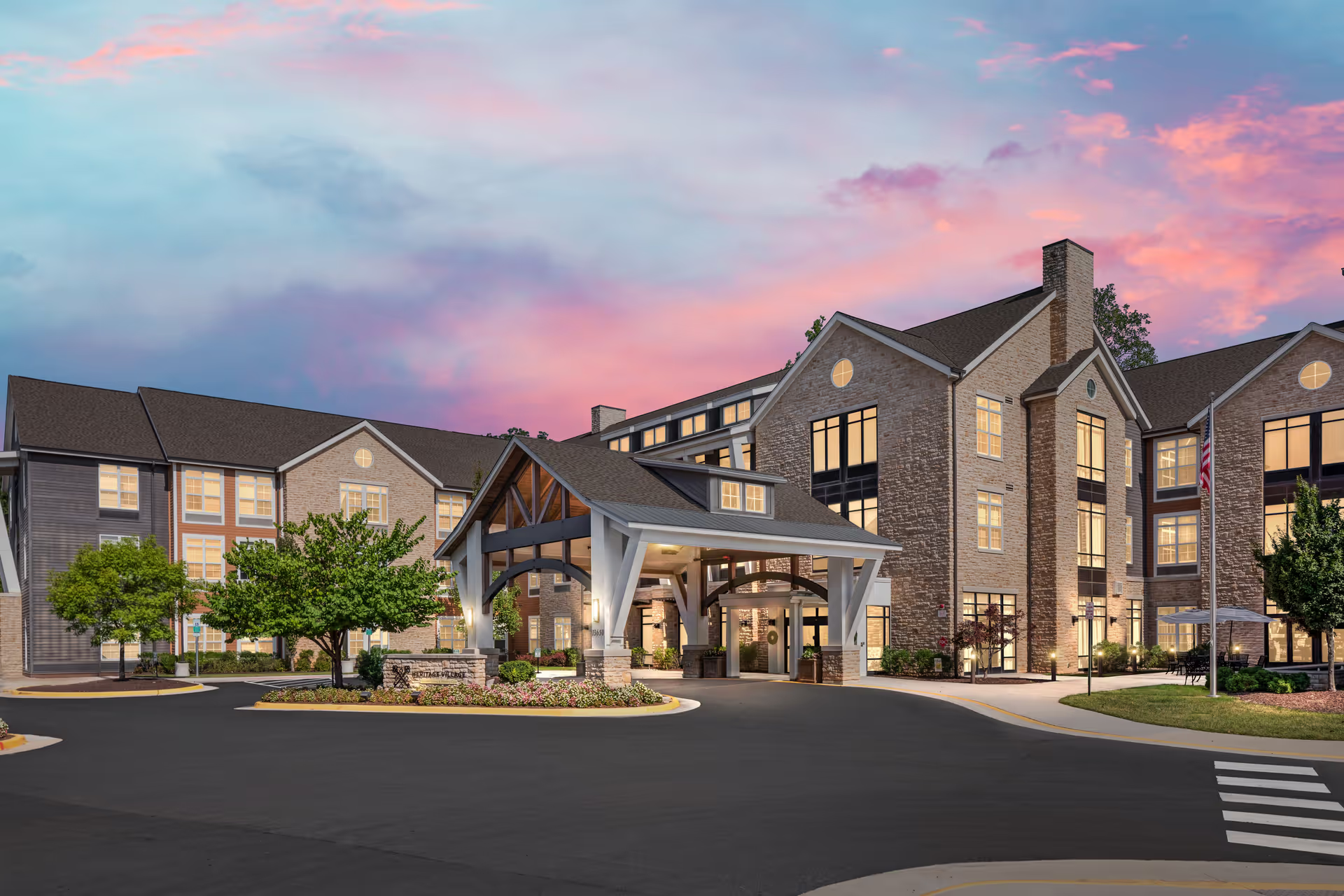
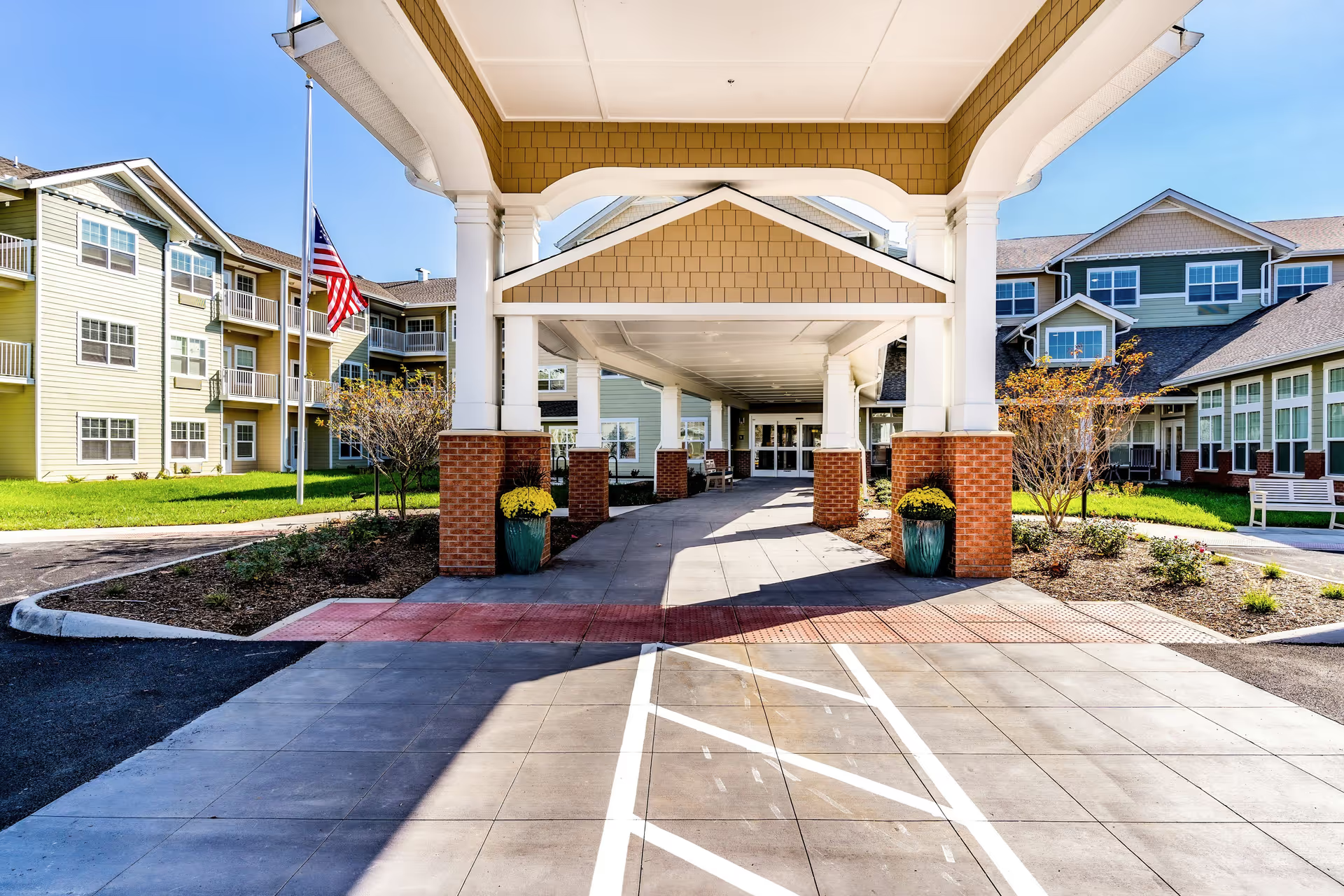
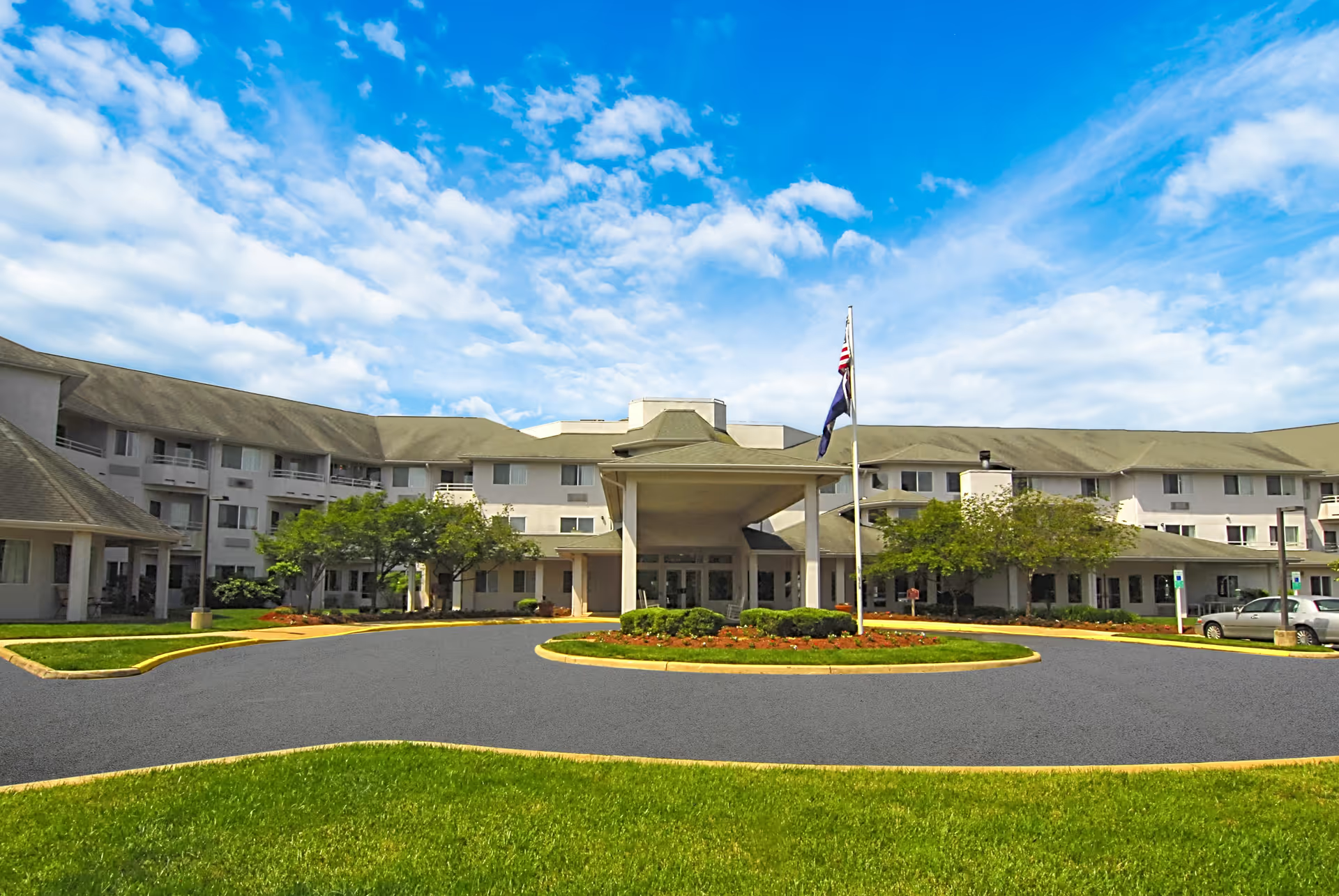
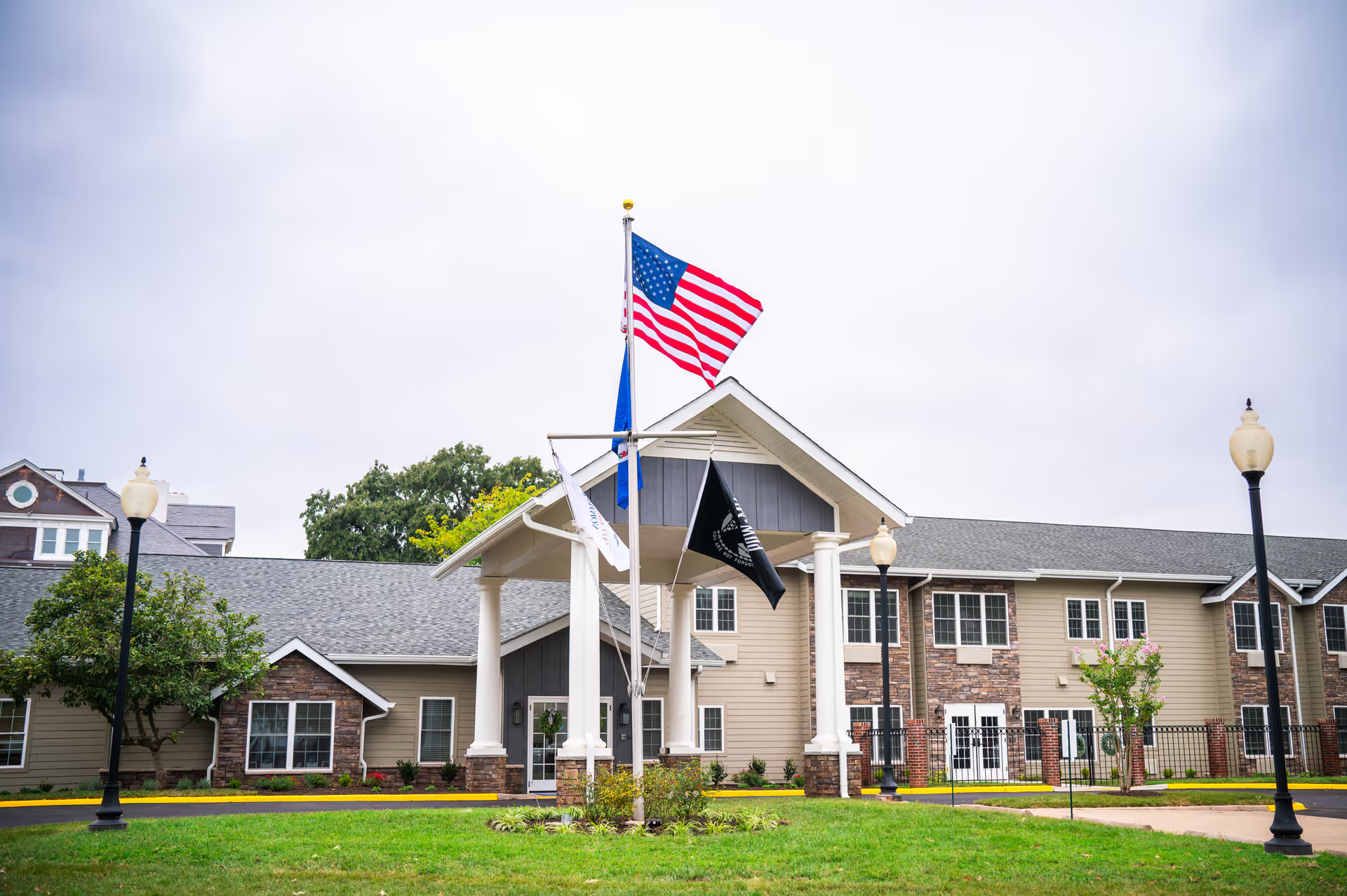
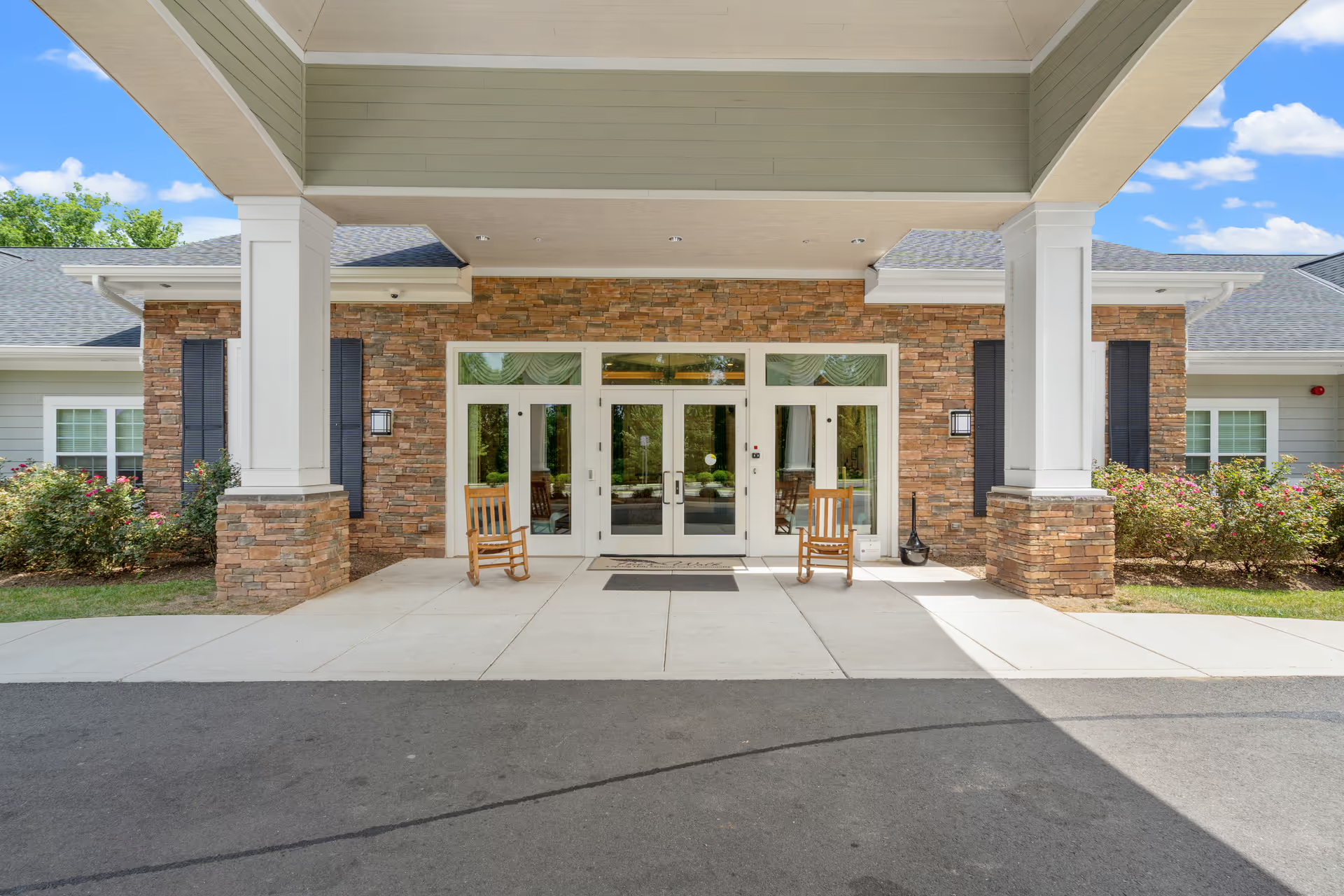
The physical plant and housekeeping receive predominantly positive comments: reviewers frequently describe a bright, clean, modern building with private rooms, patios, and a well-equipped rehabilitation gym. However, some reviewers reported sanitation concerns and HVAC/odor or mold-related issues in isolated rooms, as well as accessibility and bathroom-fixture challenges that may affect residents with mobility limitations. These observations suggest variability in environmental maintenance across units rather than a uniformly poor facility condition.
Notable patterns for prospective residents and families: Lake Manassas is often recommended for short-term, therapy-driven rehabilitation when active participation in therapy is expected and family engagement is possible. The facility’s strengths lie in therapy services, social work/discharge coordination, and an overall modern environment. However, families should prepare to monitor nursing care and medication timing closely, verify discharge plans and insurance authorizations in advance, and discuss specific accessibility needs. Where consistent night coverage or highly dependent nursing care is required, families may want to confirm staffing patterns and escalation procedures before admission. In summary, the center offers strong rehabilitative resources and many compassionate staff, but operational variability—particularly around staffing, medication coordination, dining service, and cleanliness consistency—warrants active family advocacy and close communication with the care team.