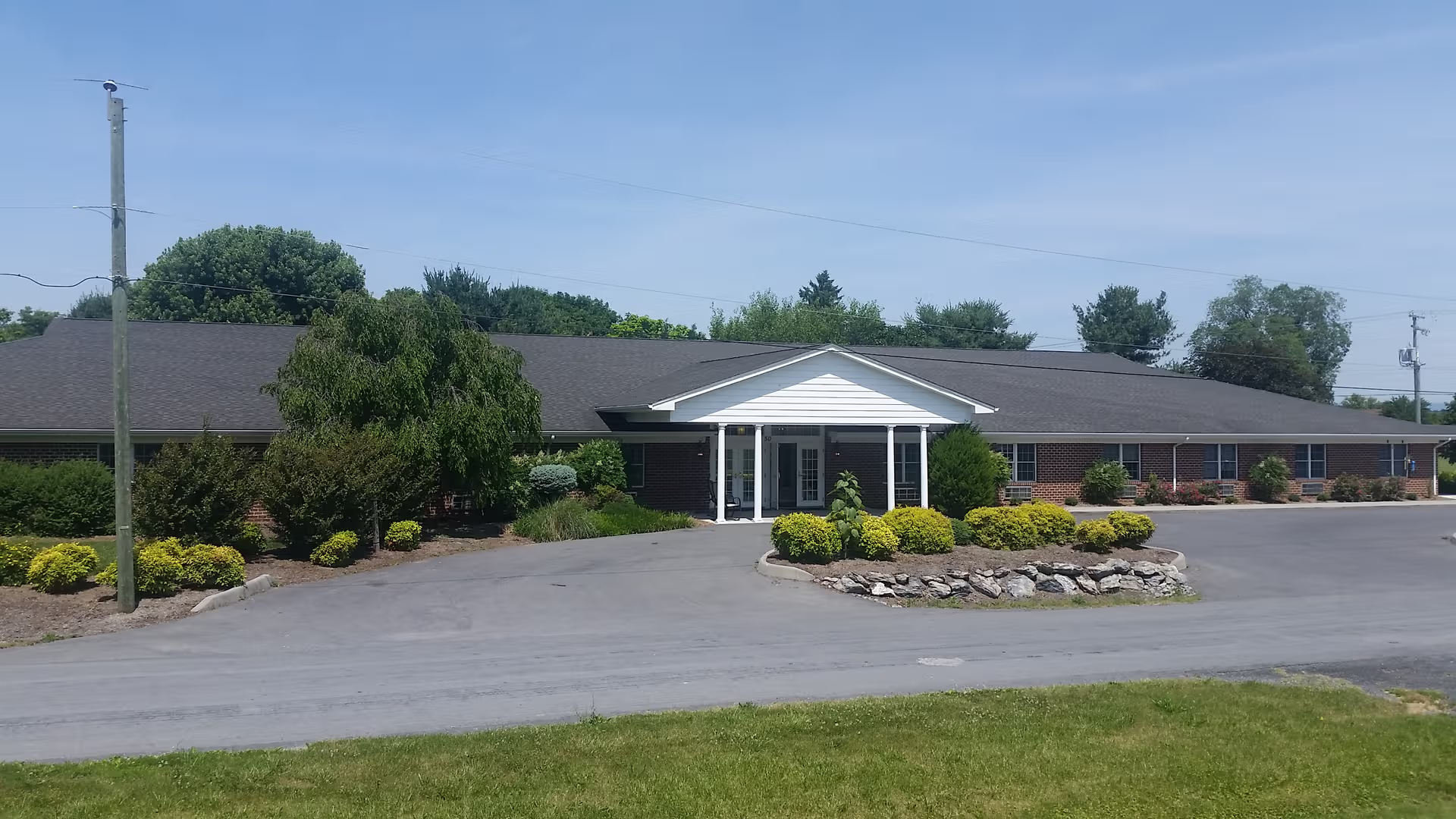
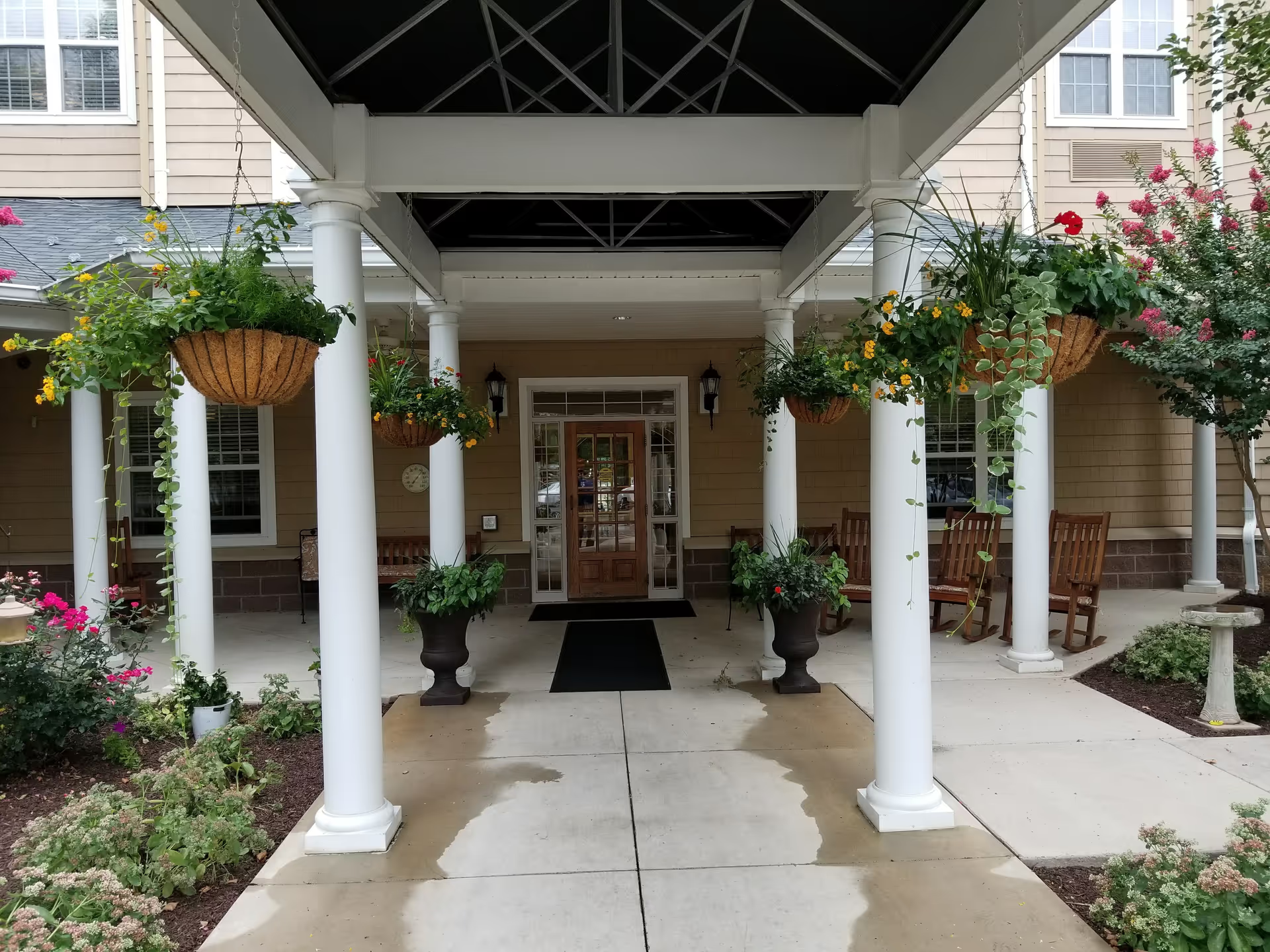
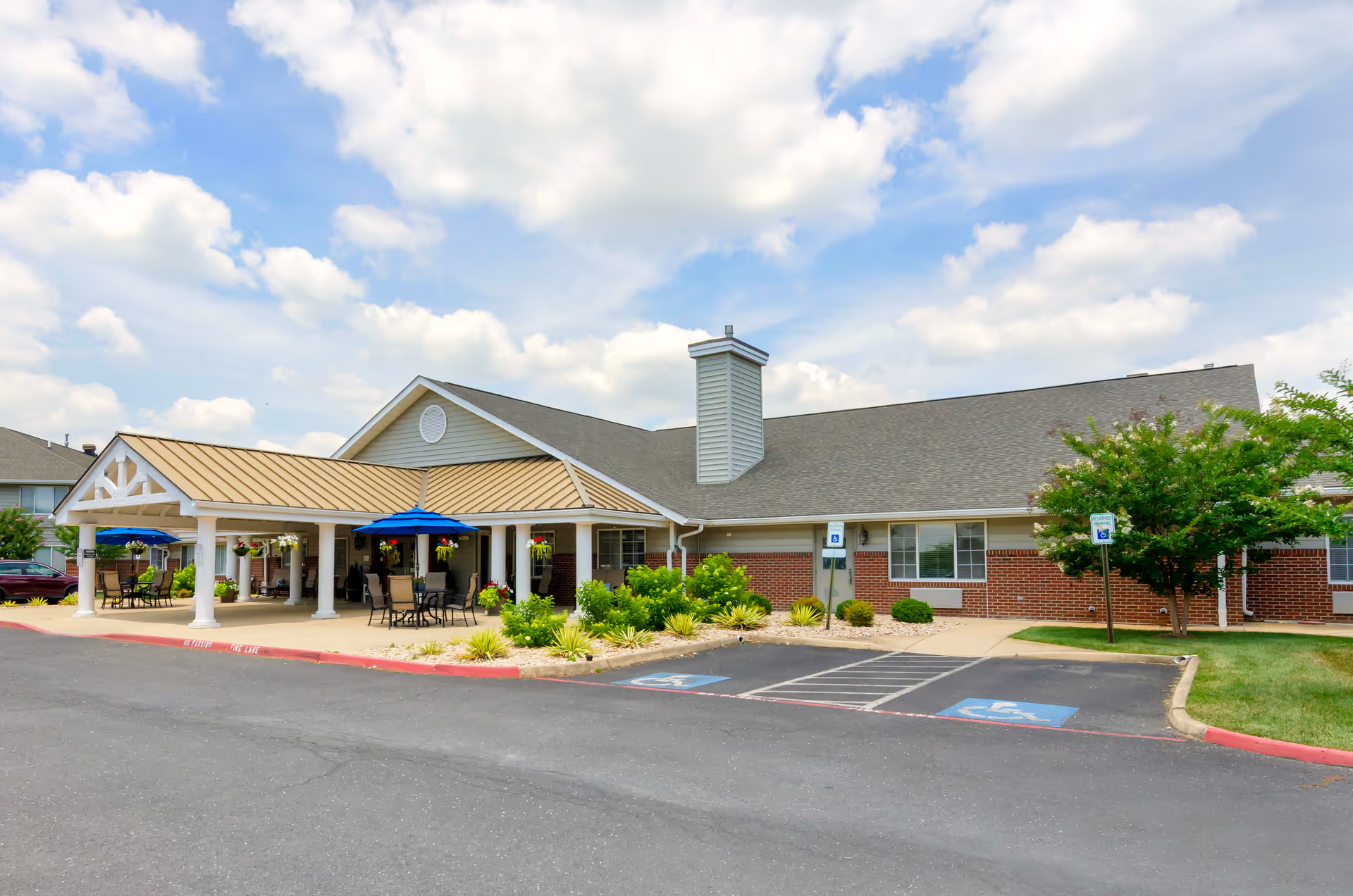
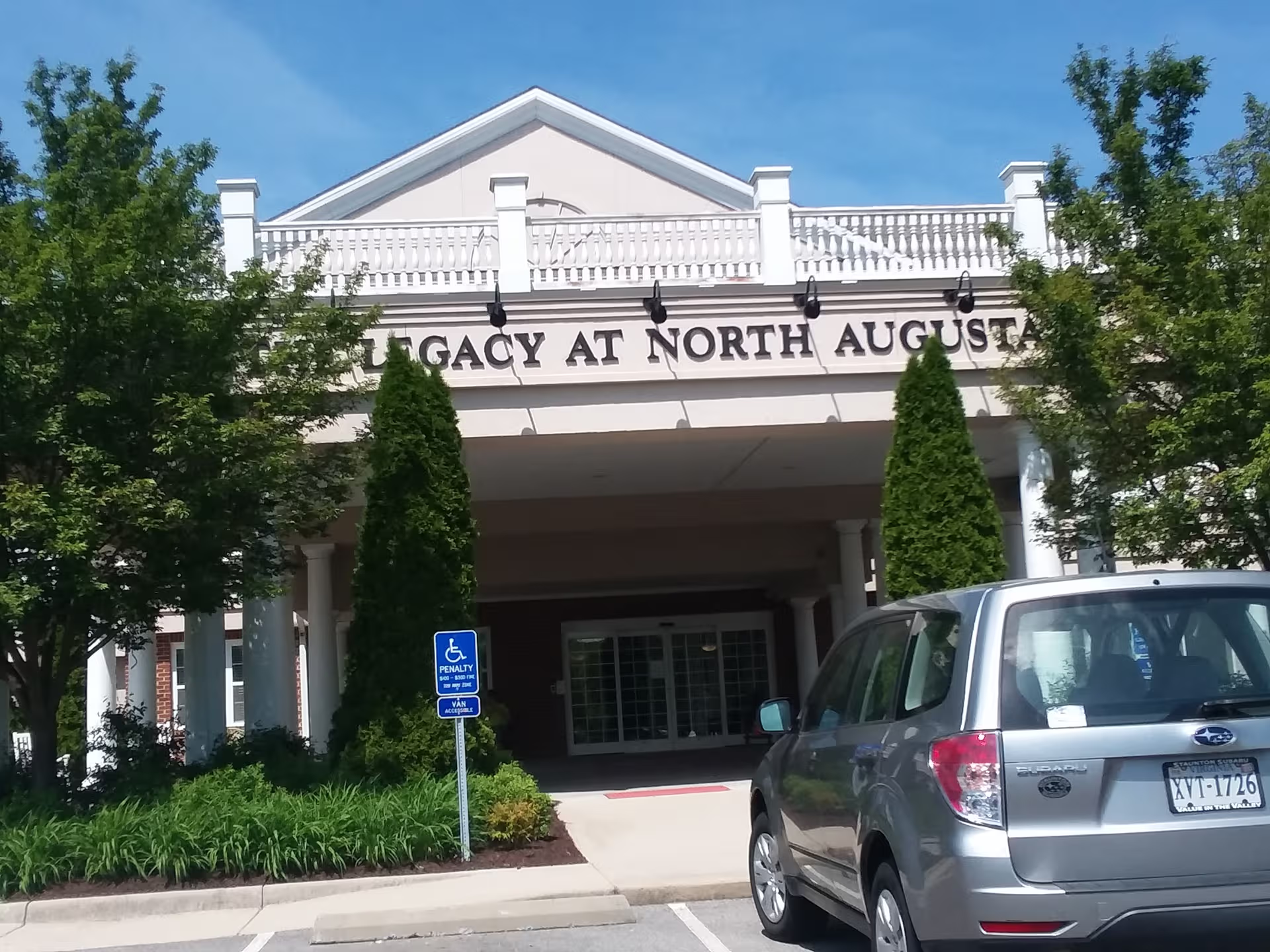
Overall impression: Review data indicates Bellaire at Stone Port presents a modern, attractive environment with many features families value: new and well-maintained common areas, bright and spacious apartment options (including two-bedroom layouts and kitchenettes), and an active social atmosphere. The community frequently receives praise for its welcoming front-line staff, concierge service, responsive maintenance and administration, and a culture that many describe as resident-focused. Tours and model apartments often create a favorable initial impression.
Care and staff: Care quality descriptions are mixed. Numerous accounts highlight attentive, compassionate caregivers and administrators who ‘‘go above and beyond,’’ and families report observable improvement in some residents after admission. However, a recurring theme is variability in clinical performance and professionalism. Reviewers cite inconsistent nursing practice in the memory-care unit, understaffing on certain shifts, and examples of staff conduct (personal device use, hurried communication styles, and occasional lack of follow-through) that undermine confidence. These items point to operational vulnerabilities around staffing levels, training consistency, and supervision rather than uniform deficiency across the entire staff complement.
Dining and activities: Dining is generally considered a strength: many reviewers describe restaurant-style service, varied menus, and high-quality entrees on multiple occasions. At the same time, food quality is described as uneven by some families — with meals that can be excellent or bland depending on the day — indicating variability in kitchen execution or menu adaptation for older palates. Programming for independent and assisted living residents is described as robust (lectures, performances, art appreciation, clubs, outings), contributing to a lively social environment. In contrast, activity offerings and engagement for memory-care residents are less consistent; reviewers request more tailored, structured programming for that population.
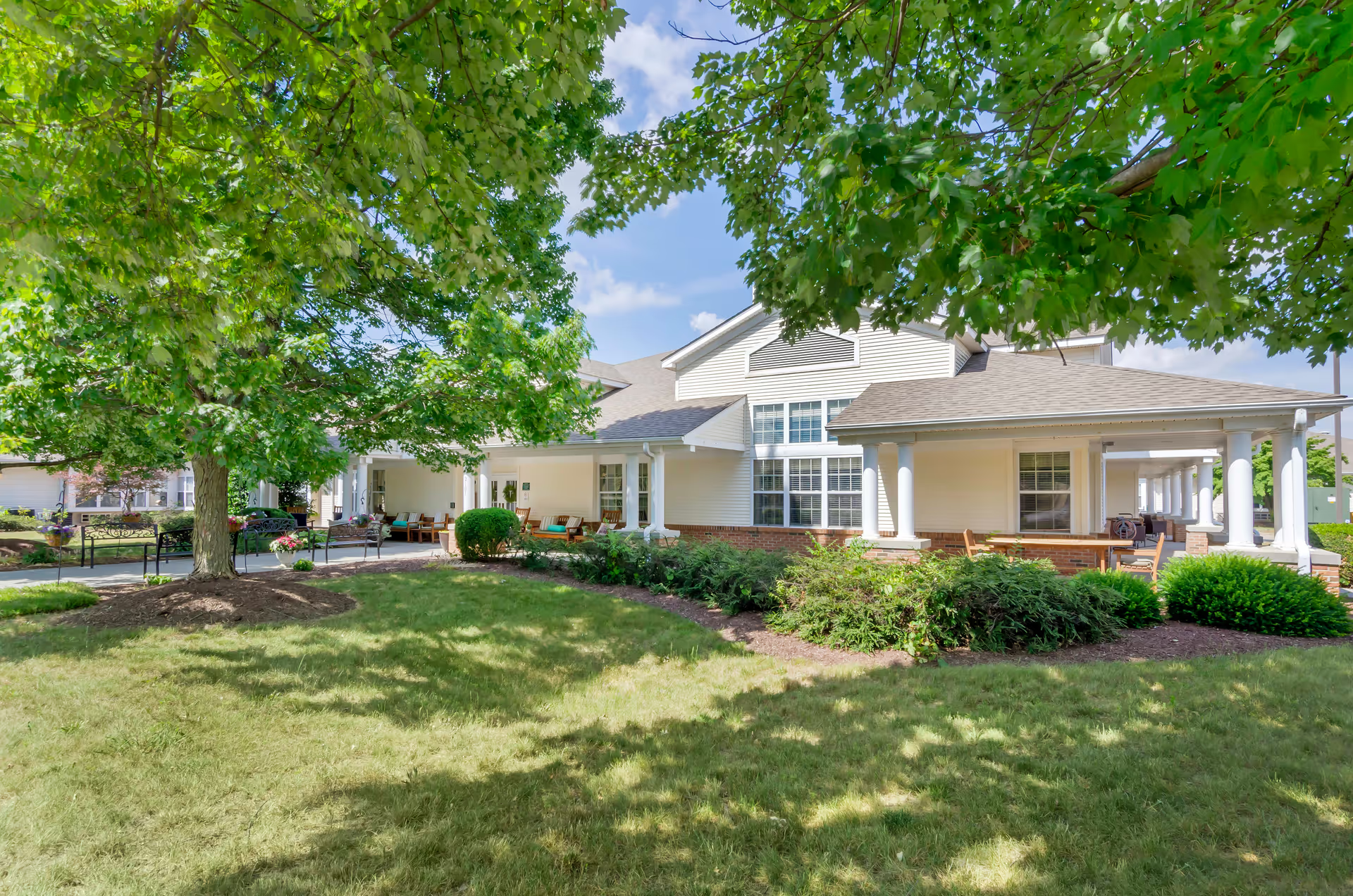
Facilities and sanitation: The physical plant is a clear positive: new construction, tasteful decor, clean and well-kept grounds and interiors, and comfortable common spaces. At the same time, several reviewers raise sanitation and housekeeping concerns at the operational level, including intermittent cleaning lapses and odor concerns in some resident rooms or common areas. There is also mention of a serious pest-control-related allegation; while such reports appear limited, they underscore the importance of transparent incident response and facility-level pest-management protocols.
Management and communication: Feedback about management is mixed. Multiple reviewers praise individual leaders (executive director, memory-care director, admissions staff) for helpfulness and presence during meal service, while others perceive gaps in follow-up, inconsistent communication, and perceived support for problematic staff attitudes. Admissions and sales follow-up also received criticism in several accounts. These patterns suggest strengths in certain on-site leaders and teams, alongside unevenness in broader management practices and quality-assurance systems.
Notable patterns and guidance: The dominant pattern is one of contrast — many families report excellent experiences driven by engaged staff, good amenities, and strong social programming, while others describe operational weaknesses that materially affect resident comfort and safety, especially in memory care and housekeeping. Prospective residents and families should prioritize an in-person assessment of clinical staffing levels (particularly in memory care), observe meal service, ask about housekeeping schedules and pest-control protocols, and seek clarification on management escalation and communication procedures. Doing so will help determine whether the community’s frequent strengths align with an individual resident’s clinical and social needs.