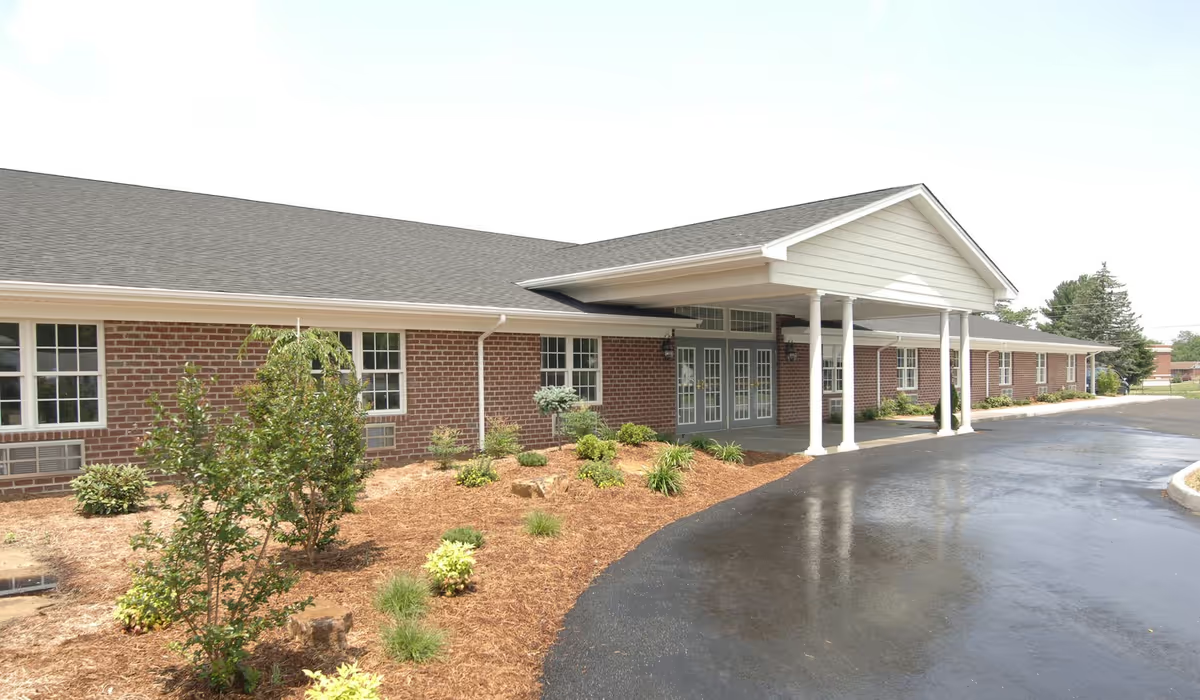
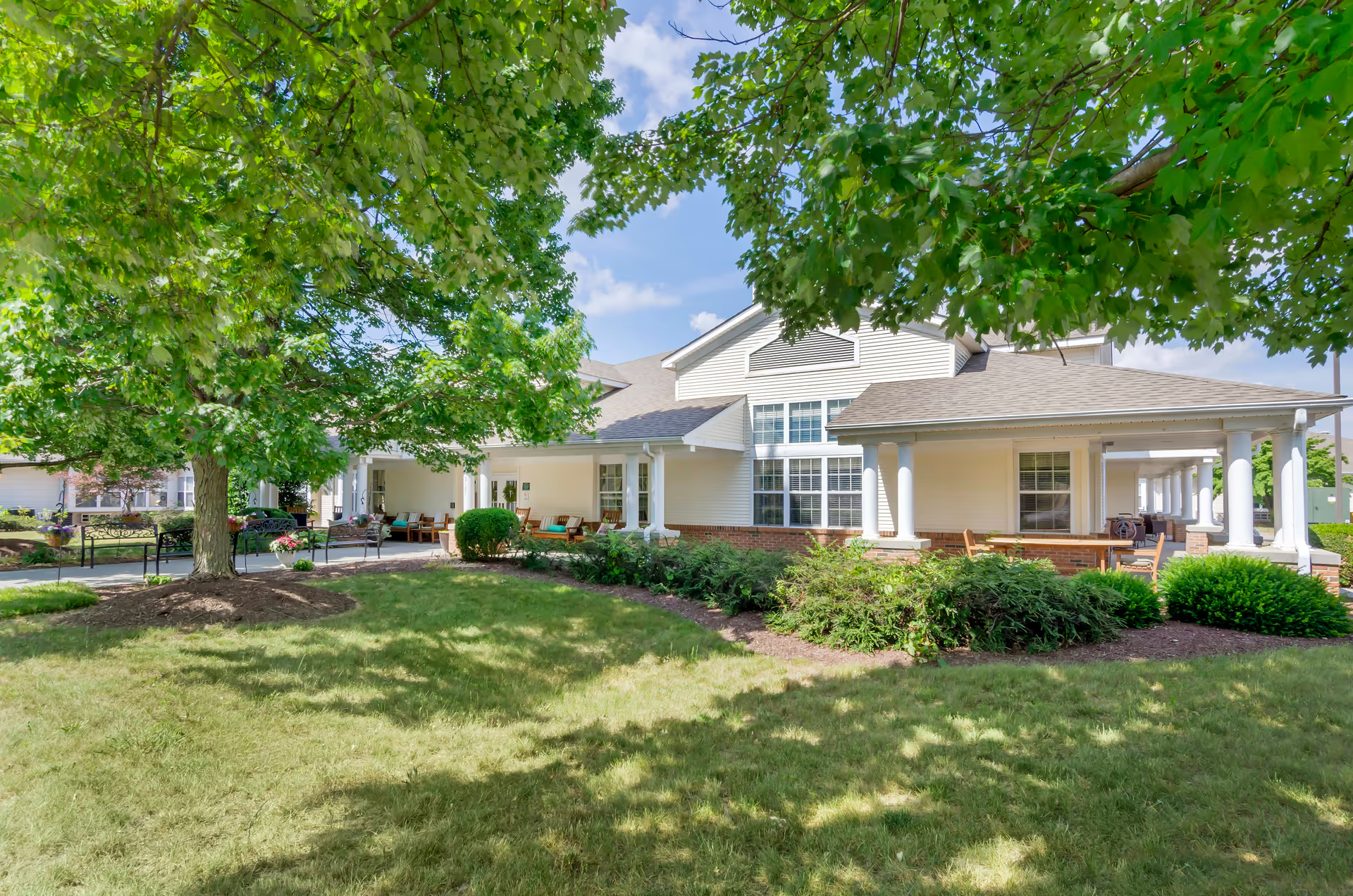
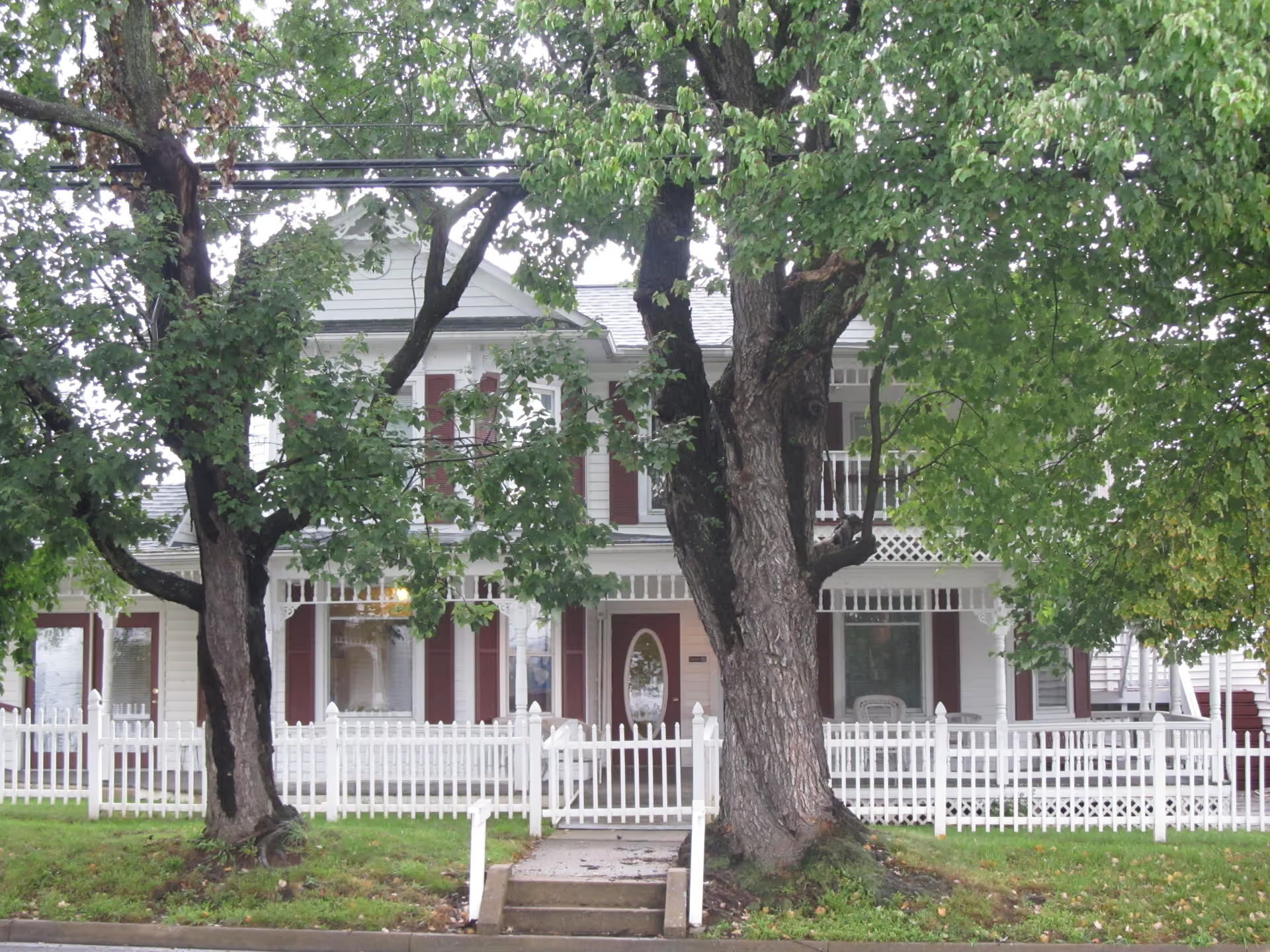
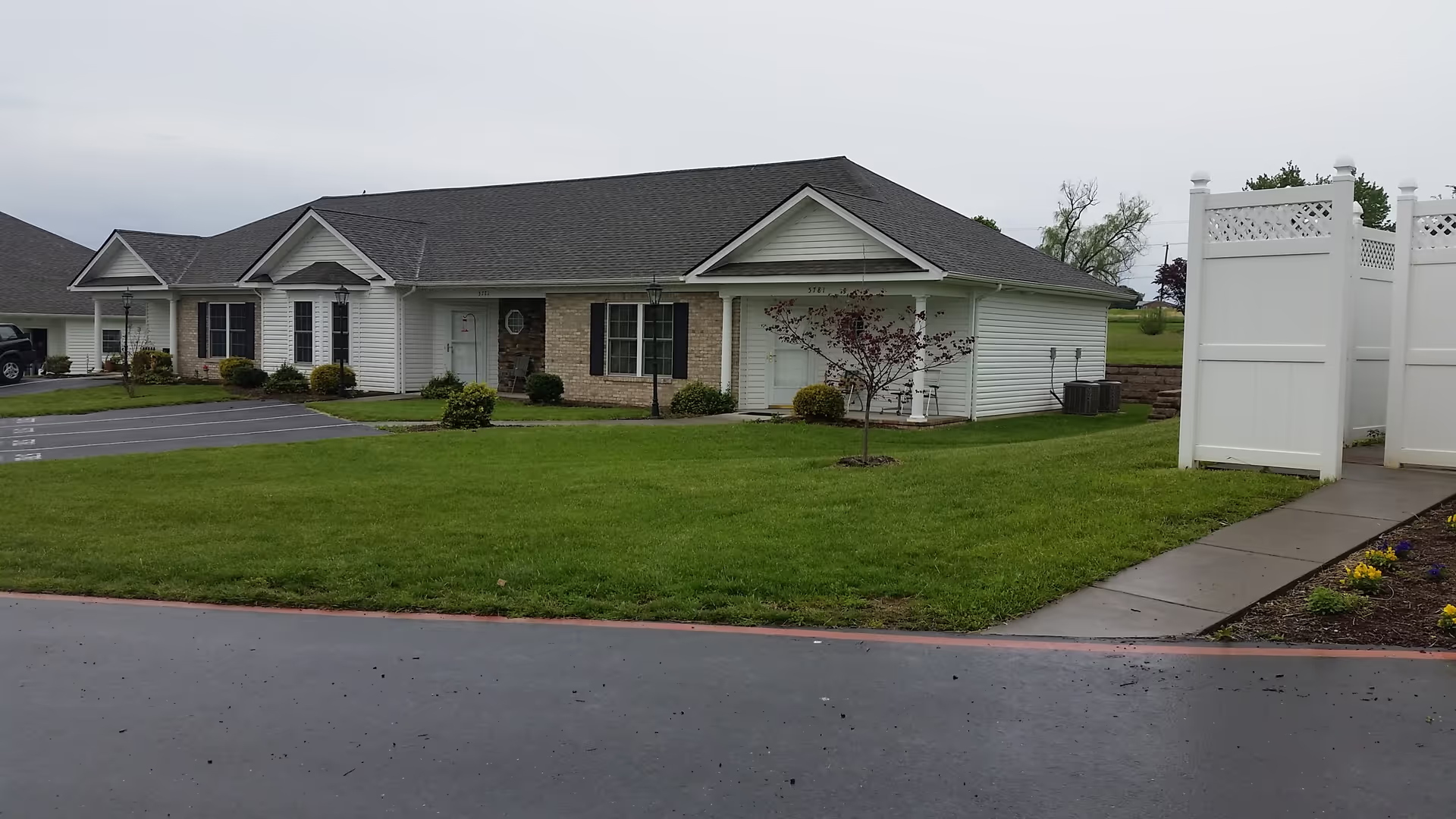
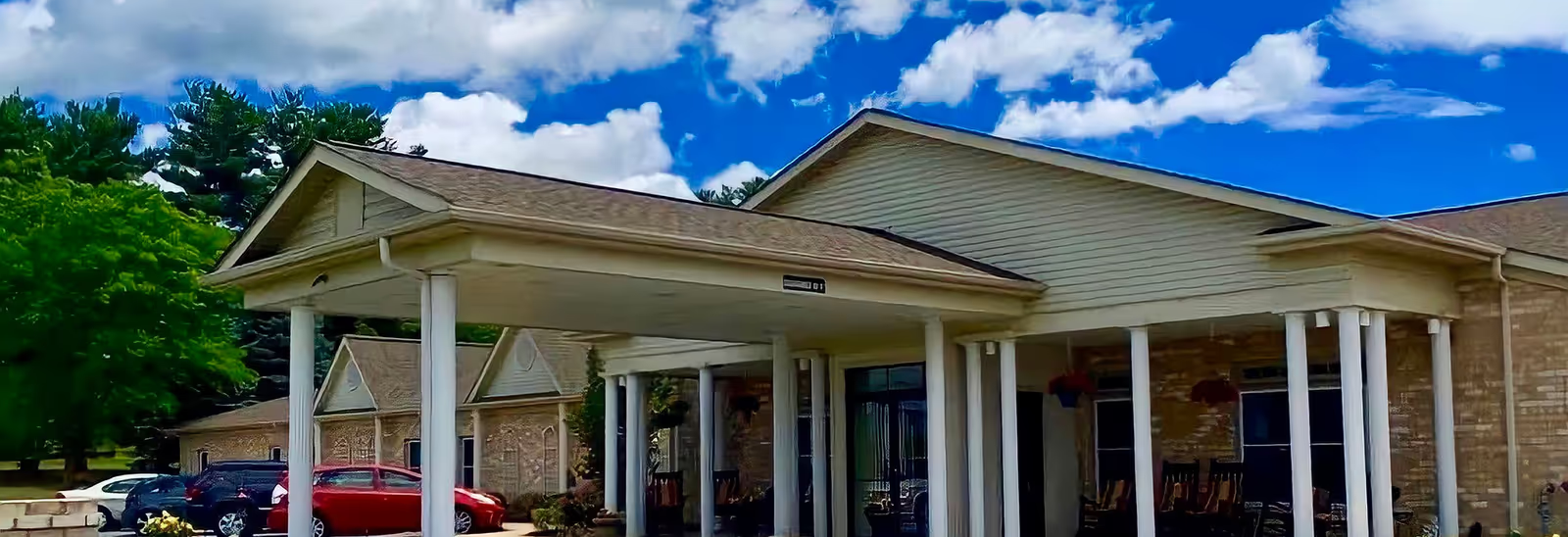
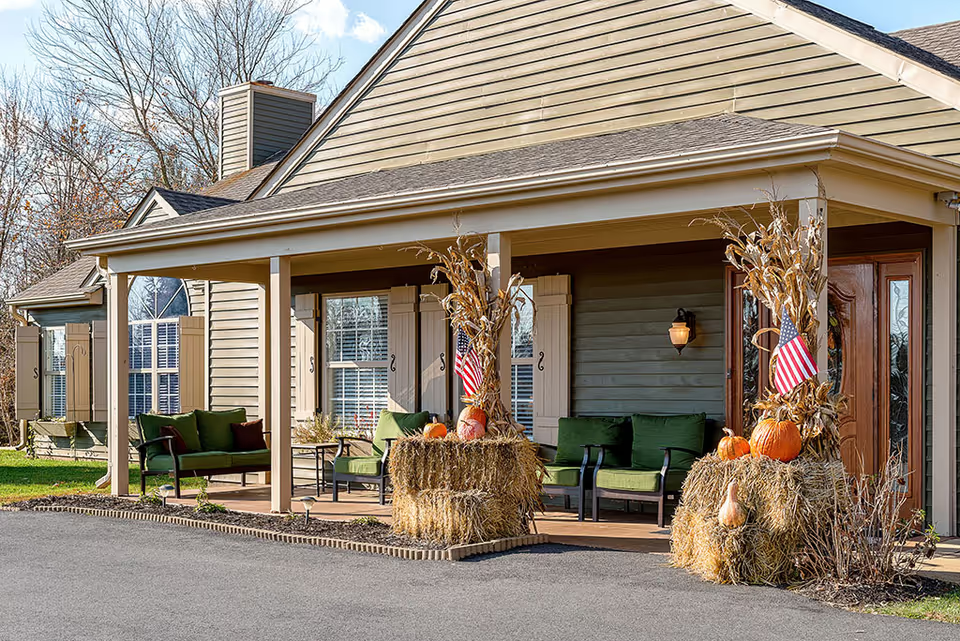
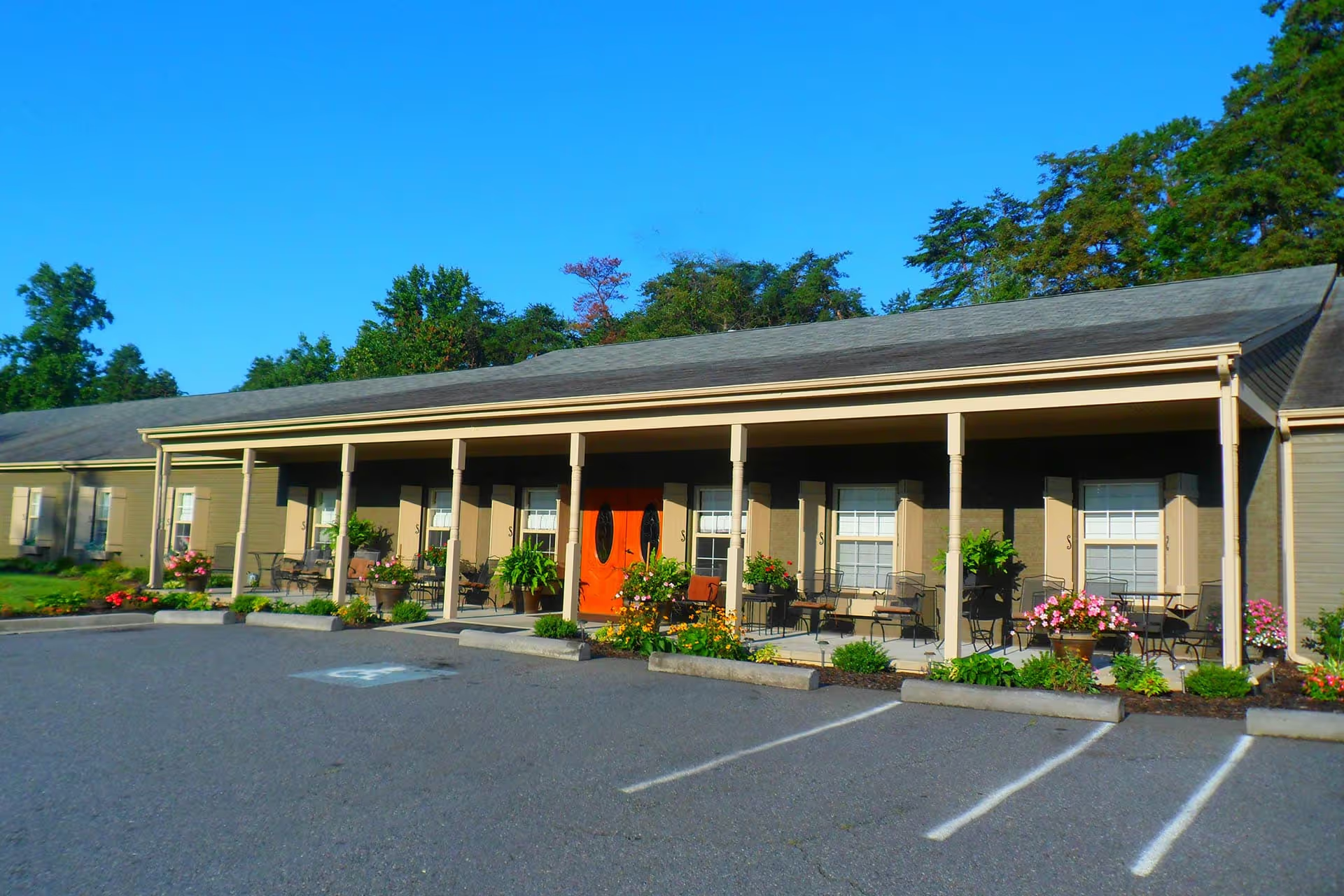
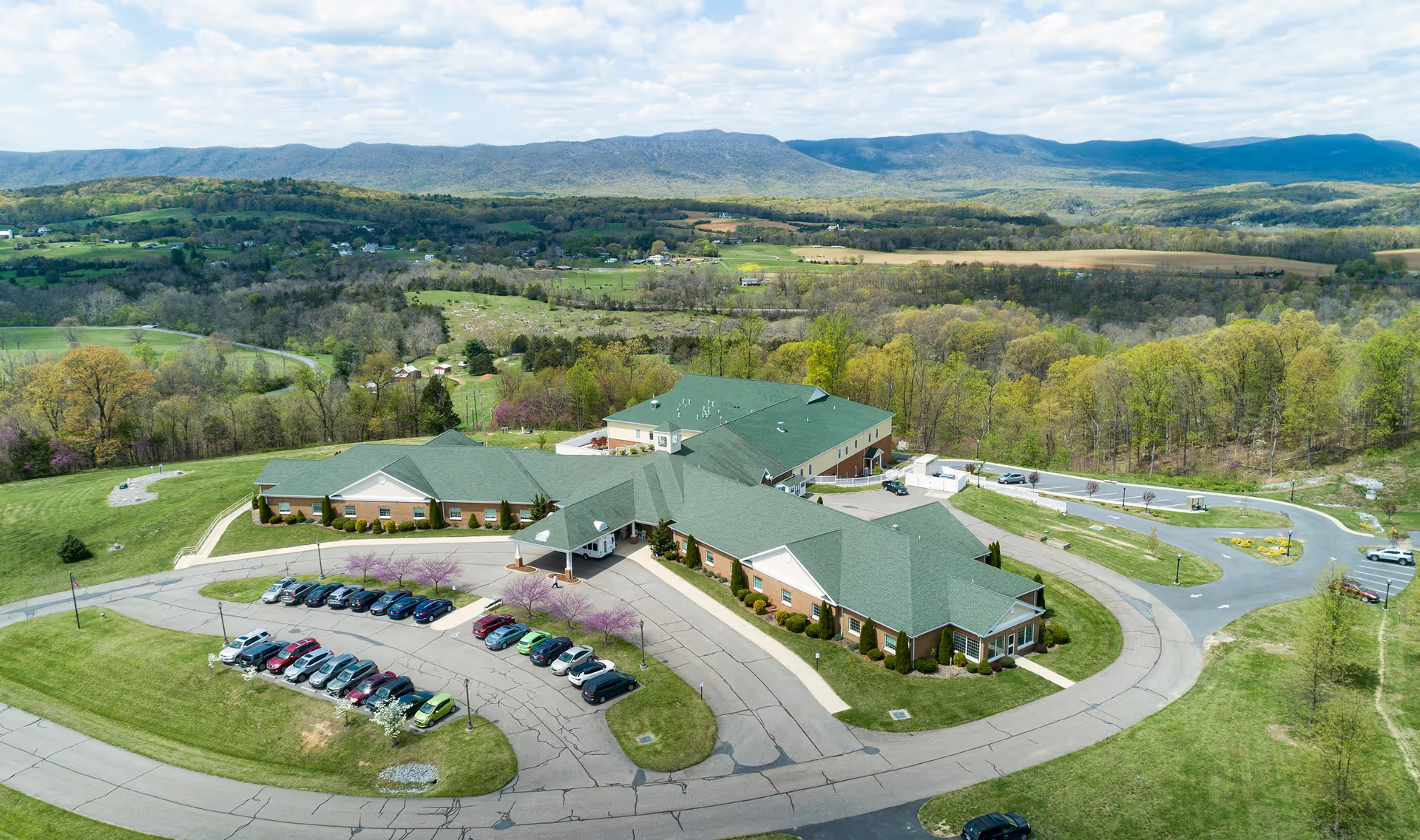
TimberView Crossing is described by many families as a small, personable facility that delivers a homelike environment with generally attentive caregiving. Strengths consistently cited include compassionate, hands-on staff, a small census that allows individualized attention, large rooms (including private options with kitchenettes), and a clean, well‑maintained interior with comfortable common areas and outdoor porch space. Several reviewers highlighted accessible administration—staff and leaders who respond directly—and proactive admission practices such as thoughtful roommate placement.
Care quality is broadly viewed as compassionate and individualized. Many families described staff as accommodating, attentive during admissions and daily care, and willing to arrange rooms and preferences. There are several accounts of staff going beyond basic duties during crises and rehab stays, and some families reported positive social changes in residents after arrival. At the same time, reviewers also noted variability in staff performance: while some team members are praised for responsiveness and engagement, others are perceived as less attentive or less communicative, which can affect the day‑to‑day experience.
Dining accounts are mixed. Multiple reviewers praised family-style meals and specific examples of supportive meal service, while others described inconsistent meal quality and lack of fresh produce on some days. Overall, the facility appears capable of producing nourishing, personalized meals for residents, but meal consistency and menu freshness may vary over time or by staff assignment.
Activity programming and outings are limited by the facility’s small size and by pandemic-related restrictions noted by families. Some residents benefited from the available activities and social interaction in the smaller community; others felt the range of programming was modest and subject to timing and staffing. Families considering TimberView should weigh the advantages of individualized attention against a more compact activity calendar.
Operationally, the most recurrent concerns relate to staffing levels, turnover, and coordination. Several reviewers mentioned short‑staffing and a recent leadership change; those issues were tied to safety and documentation concerns, including gaps in how clinical incidents and falls are documented and communicated to families. A few comments also described periods of hallway disorganization or uneven unit coordination. Location and travel distance were noted as practical considerations for some families.
In summary, TimberView Crossing appears to offer a warm, small‑community alternative with strengths in personalized care, cleanliness, and accessible leadership. Prospective residents and families should consider the facility’s staffing patterns, the potential for variability in dining and staff responsiveness, and activity limitations when evaluating fit. Visiting the community at different times of day and speaking directly with administrators about staffing plans, incident‑reporting practices, and activity schedules will help clarify how current operations align with a family’s priorities.