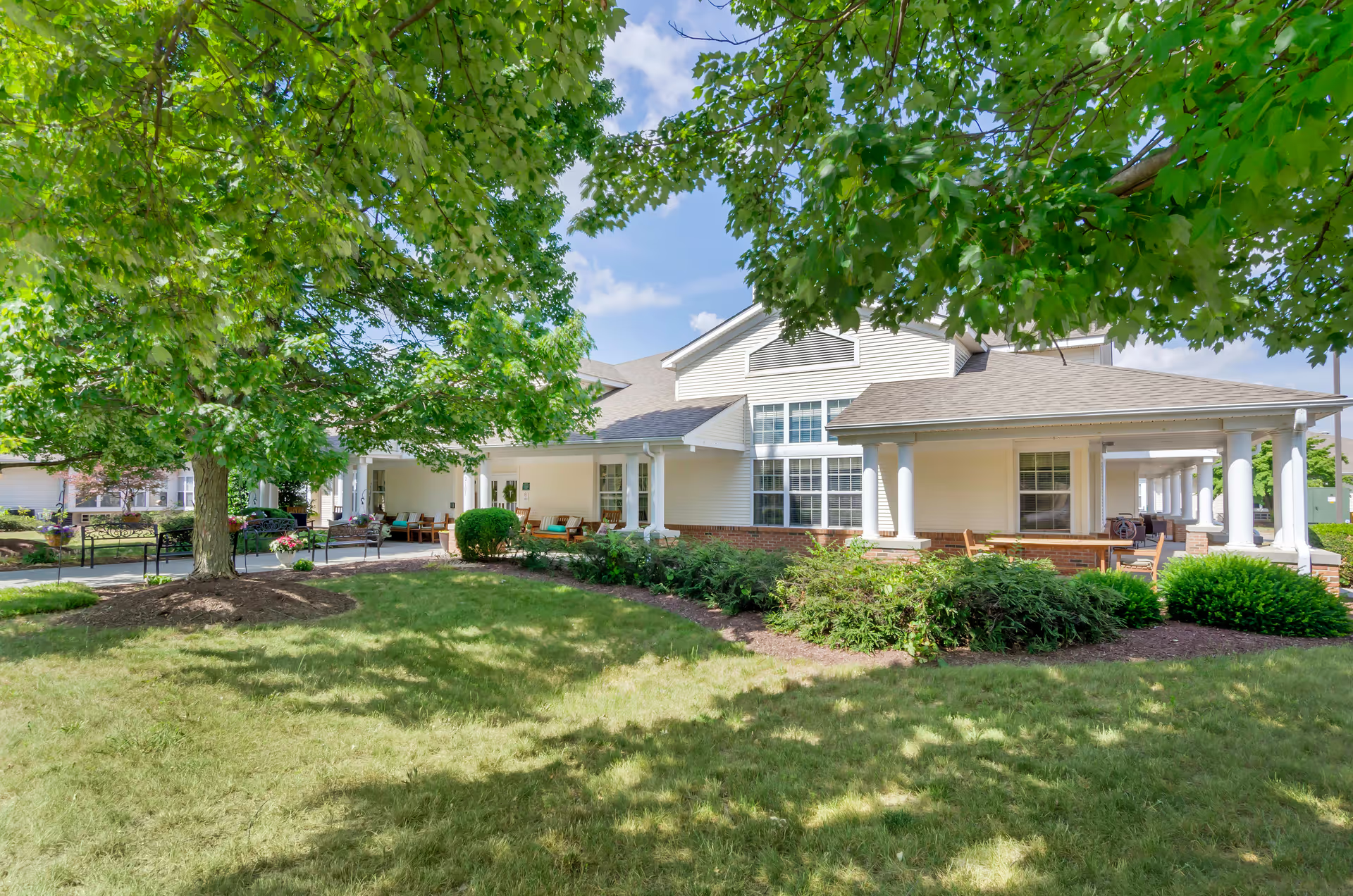
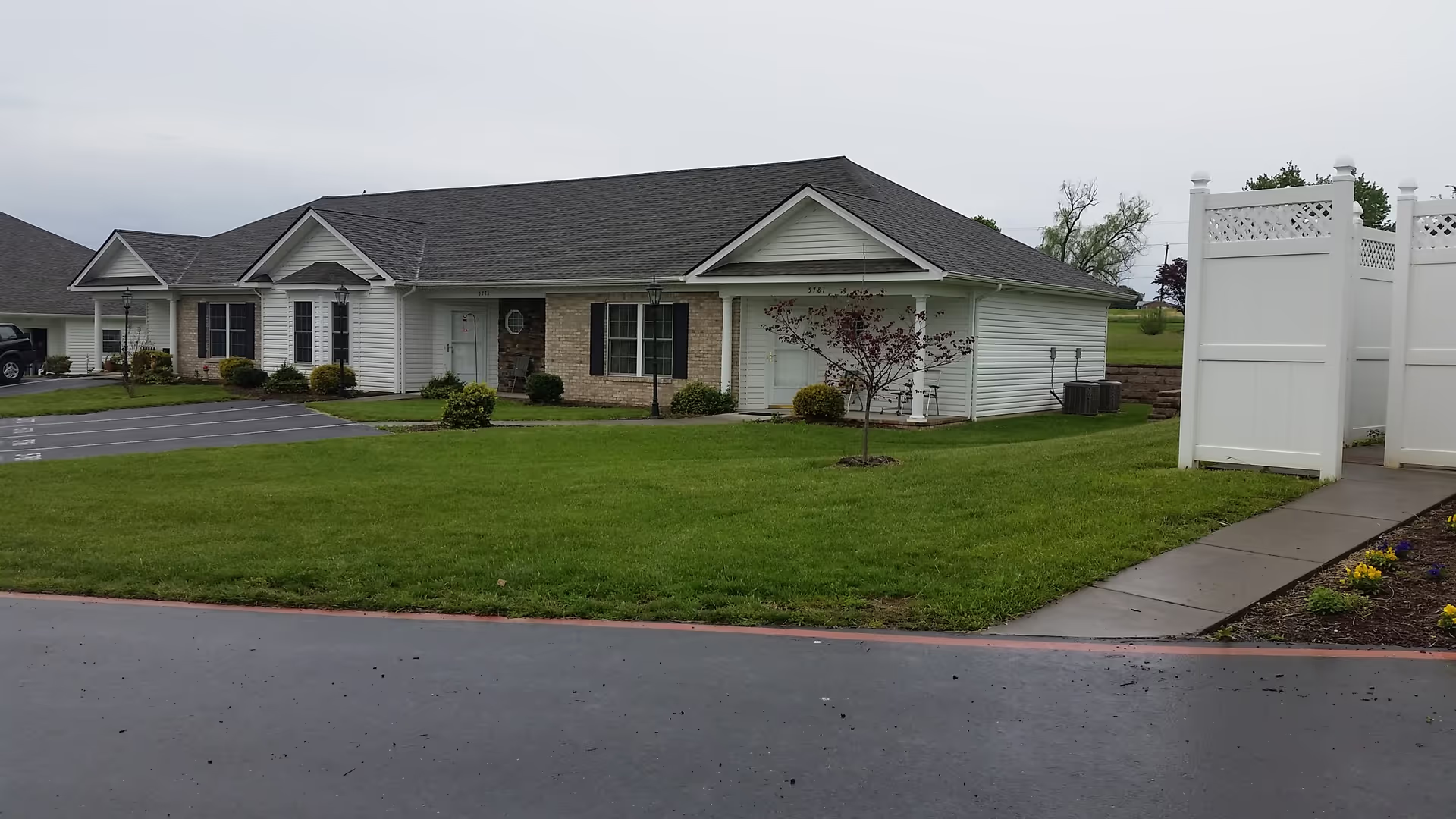
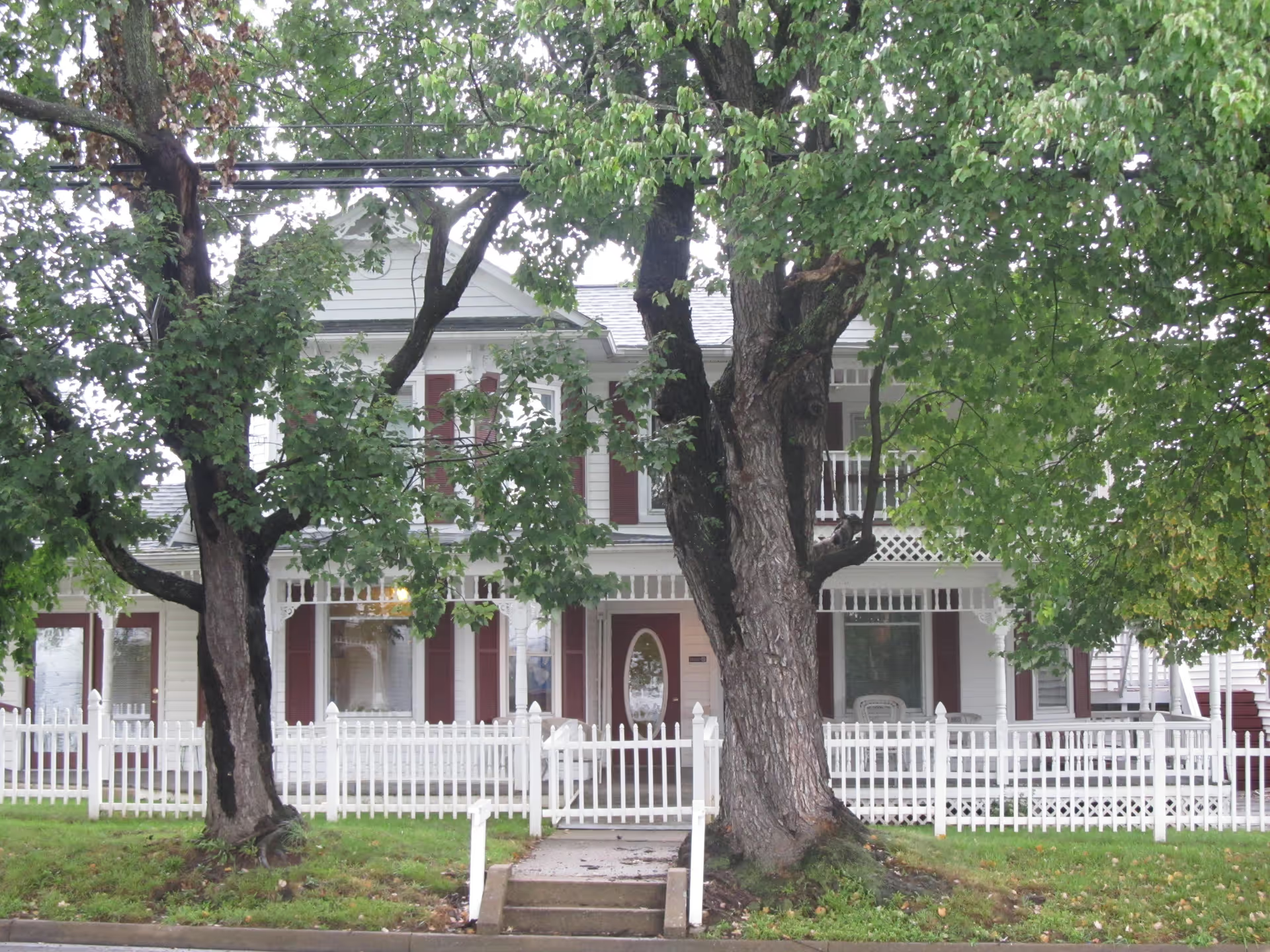
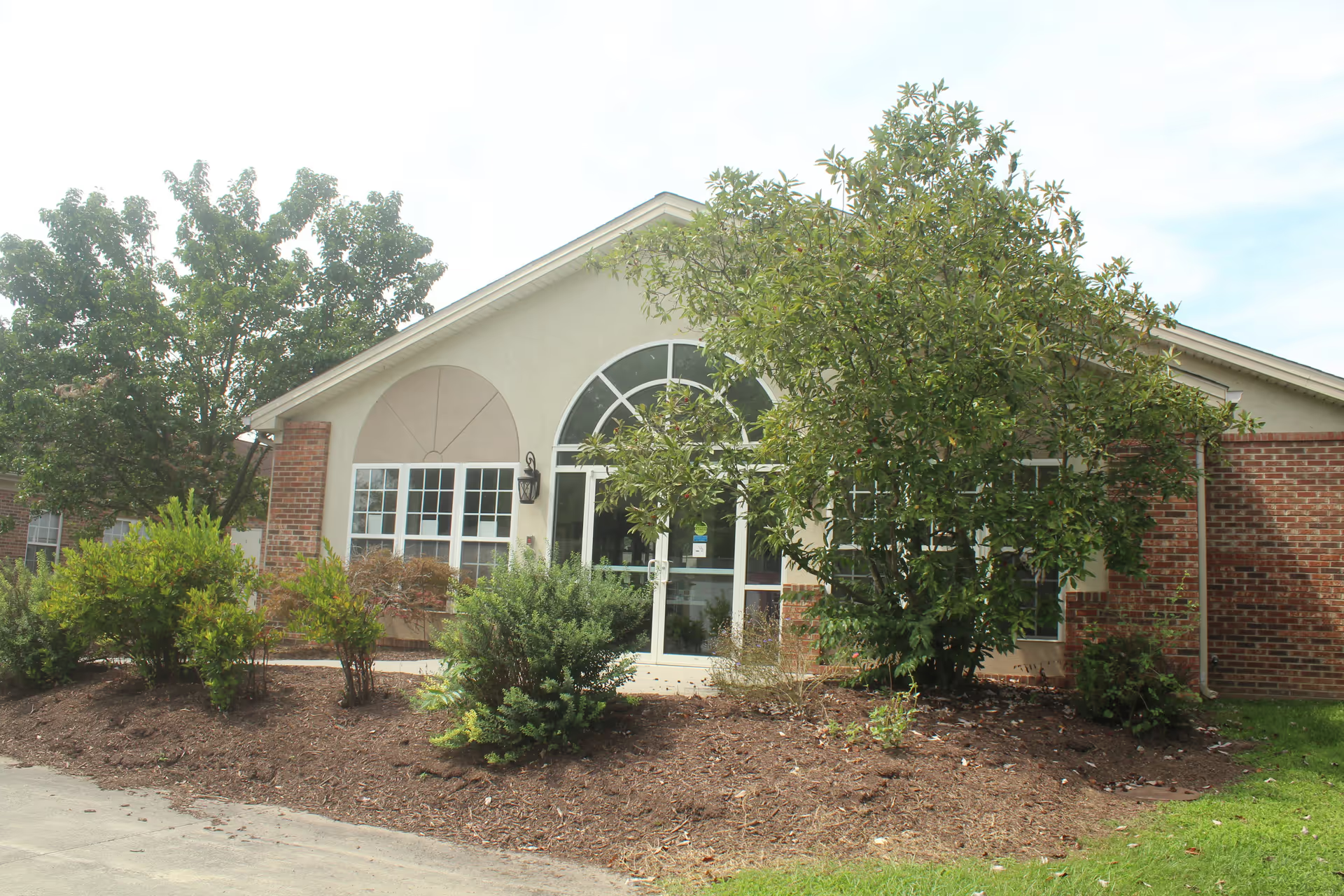
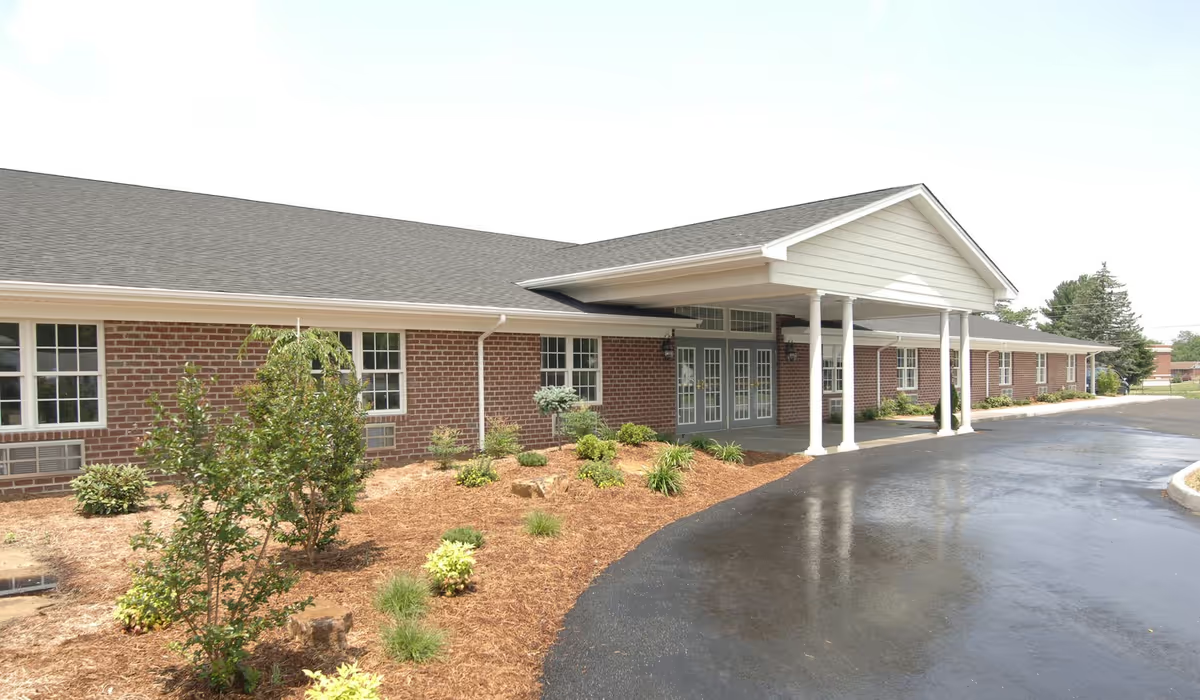
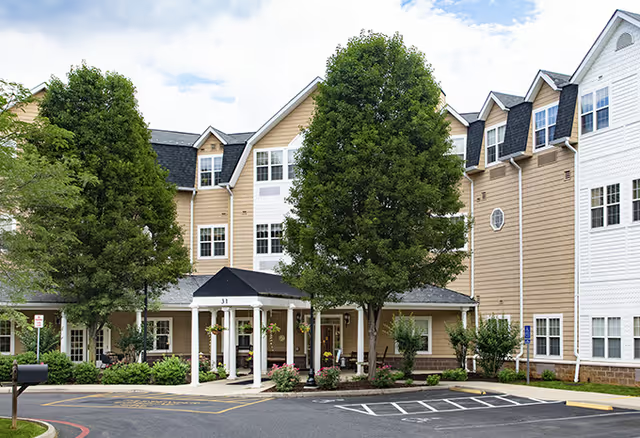
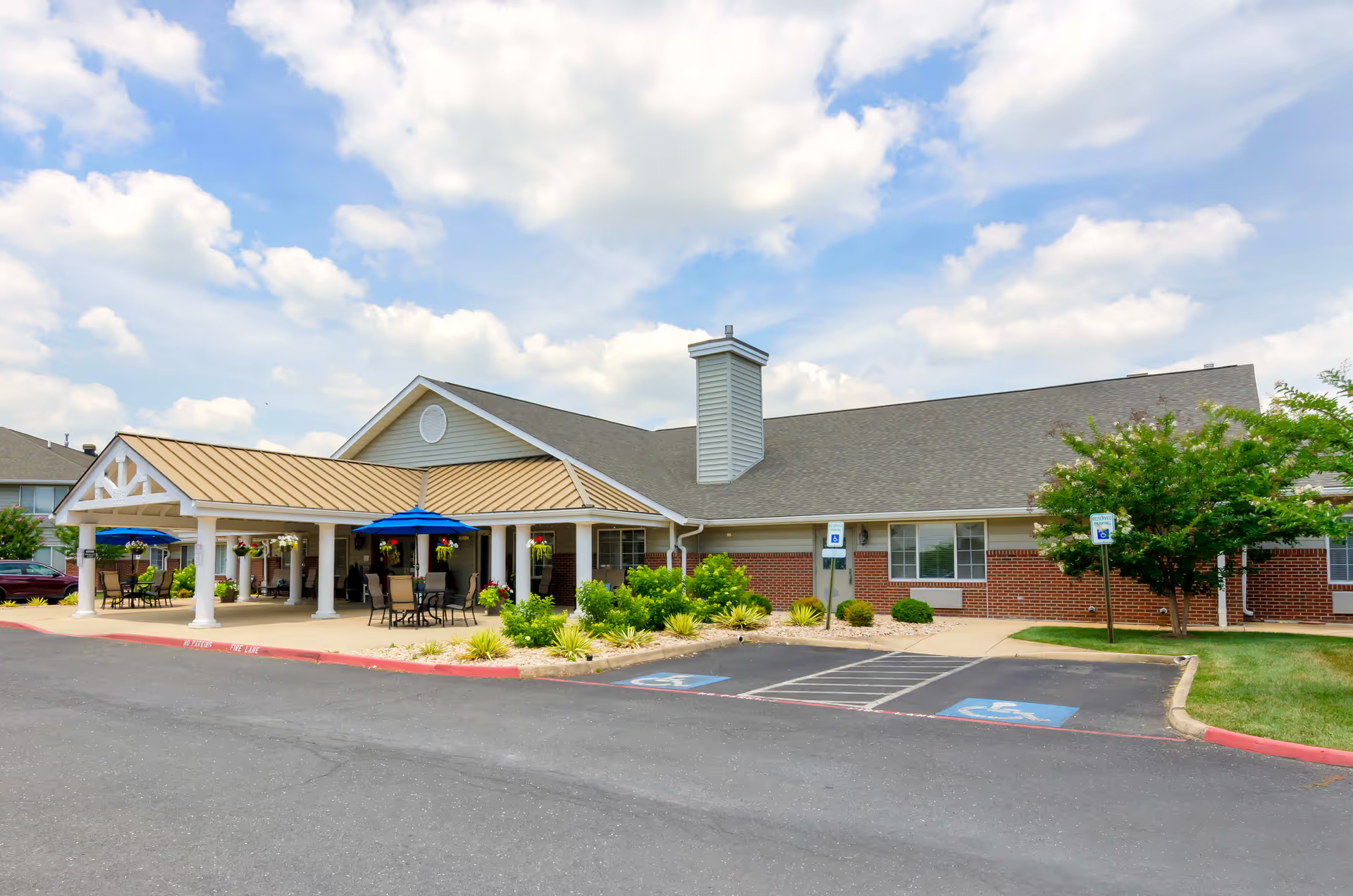
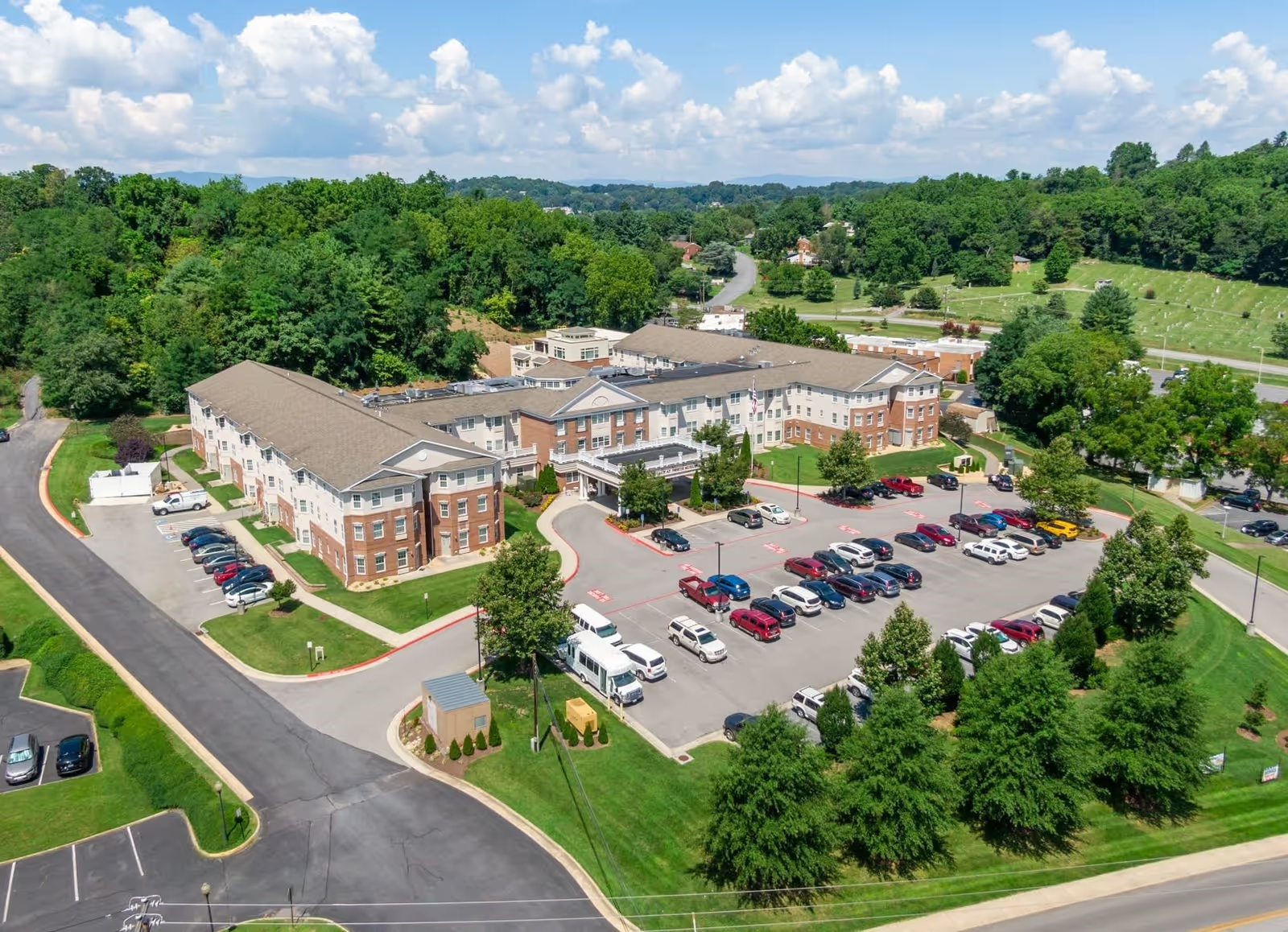
English Meadows — Harrisonburg presents as a modern, well-maintained senior living campus with many features families commonly seek. The physical plant and common spaces receive consistent praise: new construction, tasteful decor, abundant natural light, outdoor courtyards and patios, and units that range from studio-style to cottages with full kitchens. Maintenance responsiveness and accessible interior design for walkers and rollators are recurring strengths, as are private dining options, a bistro offering snacks and drinks, and convenient community rooms.
Staffing and day-to-day care receive largely positive commentary. Many reviewers describe staff as friendly, patient, and engaged; admissions, financial, and activity staff are frequently noted as helpful and communicative. Activity programming is a clear strength: residents have access to crafts, book clubs, live music, intergenerational events, bus trips, on-site exercise/therapy, and memory-care activities. These offerings, combined with an all-inclusive pricing model, lead several families to characterize the community as good value for the area.
Dining is a mixed area. Some reviews praise attentive dining staff, special accommodations (private dining, dietary accommodations), and management/chef responsiveness to feedback. However, a noticeable number of comments identify inconsistent meal quality, temperature problems, and a need for additional kitchen training. A small subset of feedback raises more serious concerns about meal preparation and sanitation; prospective families should discuss kitchen procedures, sample meals, and any recent corrective actions with leadership during a tour.
Operationally, reviewers describe a mix of strengths and growing pains. Positive operational features include quick maintenance, accessible navigation for mobile residents, and active efforts to involve outside groups. Counterbalancing those are recurring operational weaknesses: variability in staffing levels and training, shift-pattern changes that have affected continuity of care for some residents, laundry-service reliability and capacity constraints, and limited transportation or programming availability at very low census. Some reviewers also noted smaller dining/activity spaces in parts of the building and accessibility limitations for residents who require full-time wheelchair use.
Management impressions are mixed. Many families praise engaged leadership, a residents-first approach, and staff who address concerns promptly. At the same time, others describe recent management turnover, uneven tour-staff training, and occasional professionalism or bedside-manner issues. These discrepancies suggest the community is still maturing in some operational areas as occupancy grows.
Bottom line: English Meadows — Harrisonburg offers a modern, well-appointed environment with active programming and generally attentive staff, making it a strong option for many independent and assisted living needs. Key due-diligence steps for prospective residents and families are to evaluate current dining operations (including meal sampling and kitchen oversight), clarify staffing patterns and continuity-of-care plans (shift schedules, staffing ratios), confirm laundry and transportation logistics, and assess specific accessibility features if wheelchair-level mobility is required. These targeted inquiries will help determine whether this campus aligns with a particular resident’s clinical and lifestyle needs.