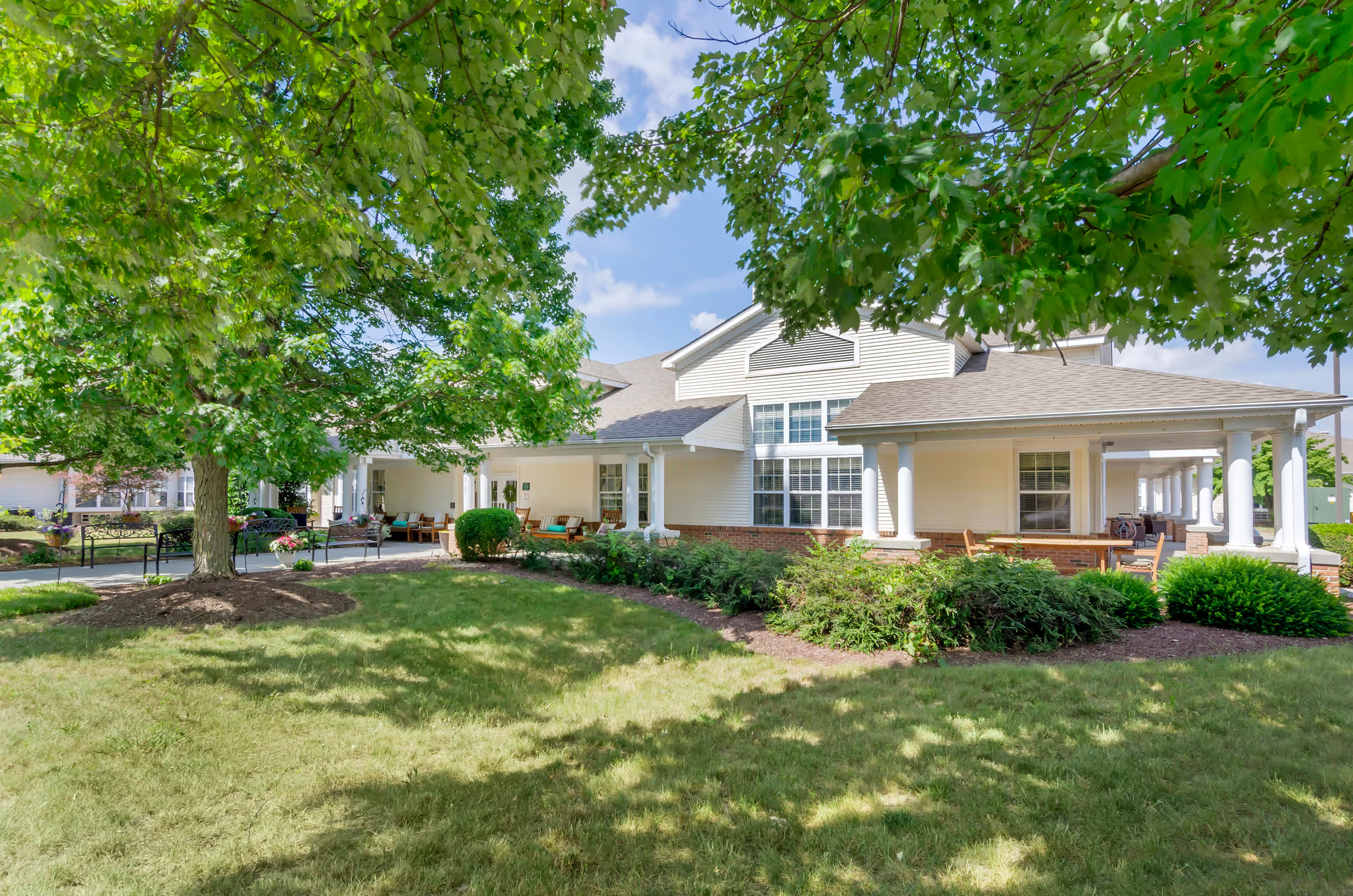
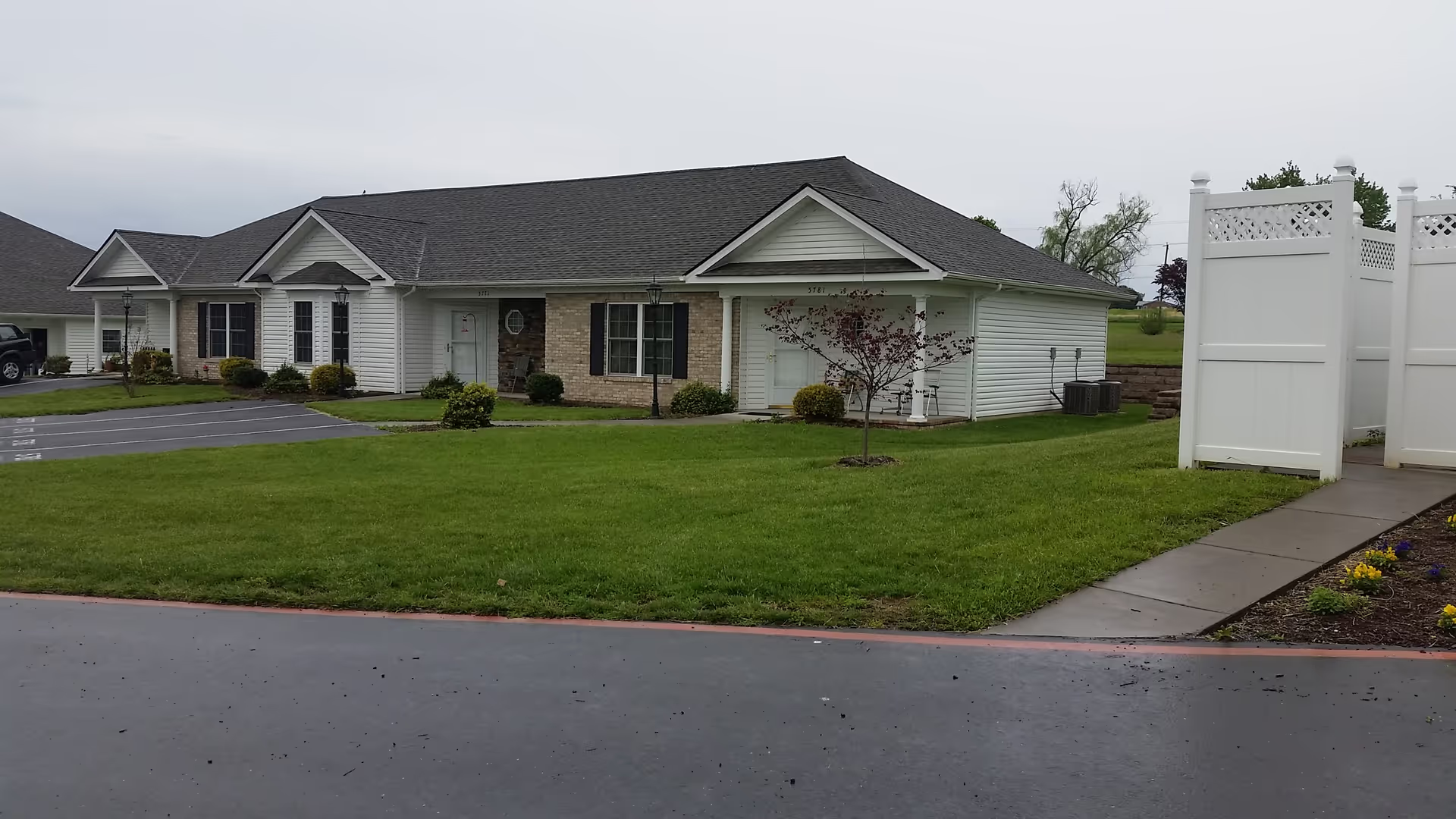
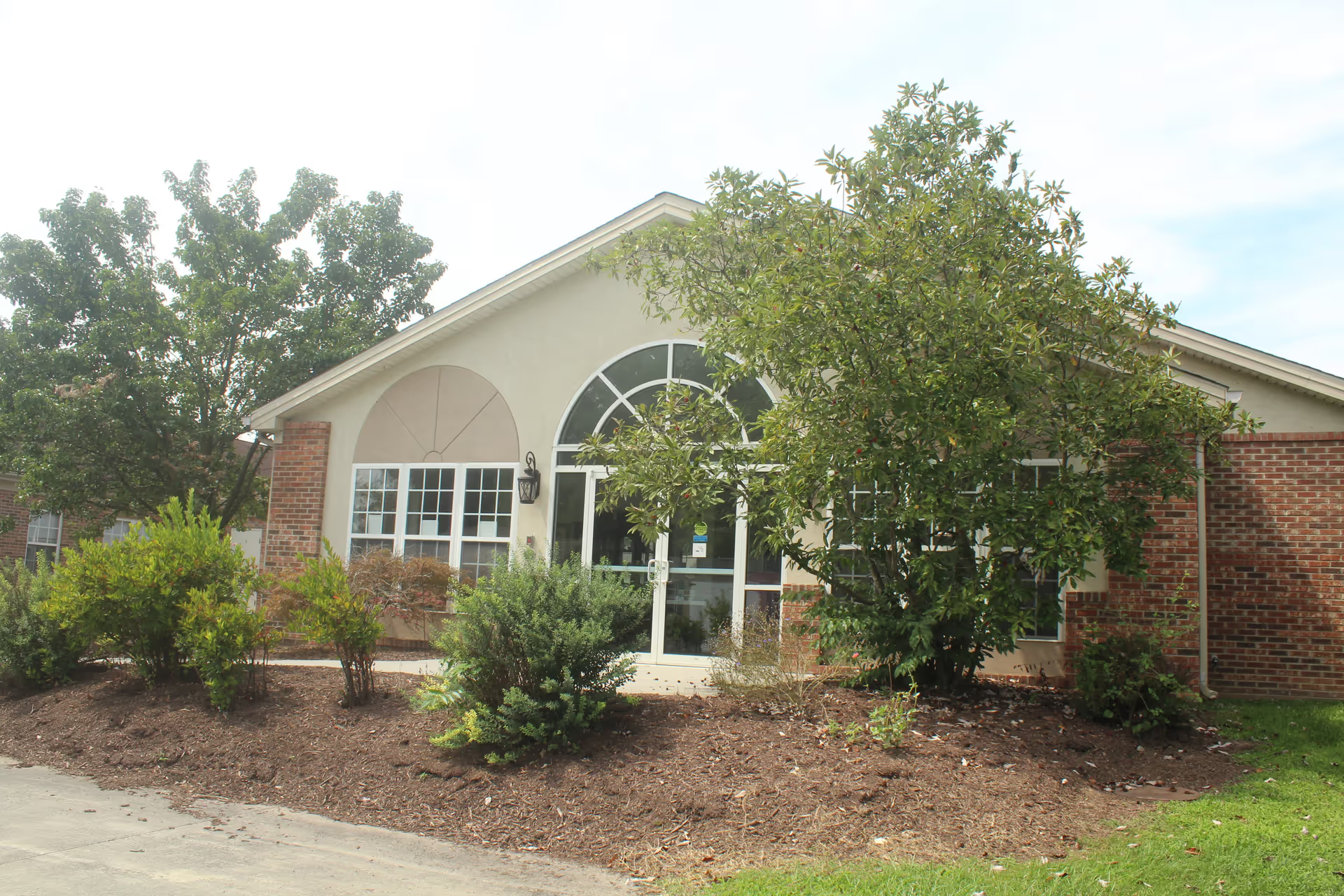
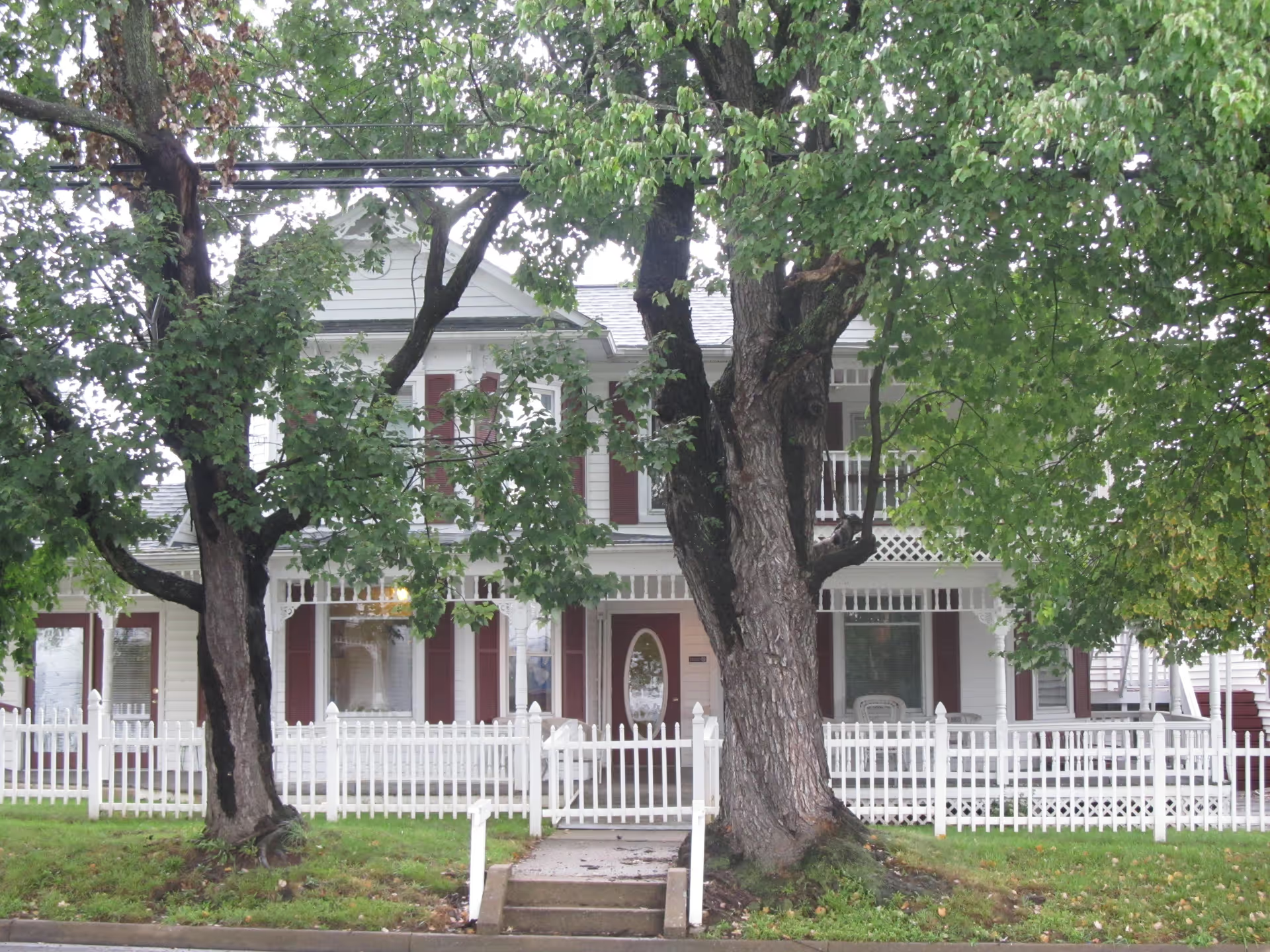
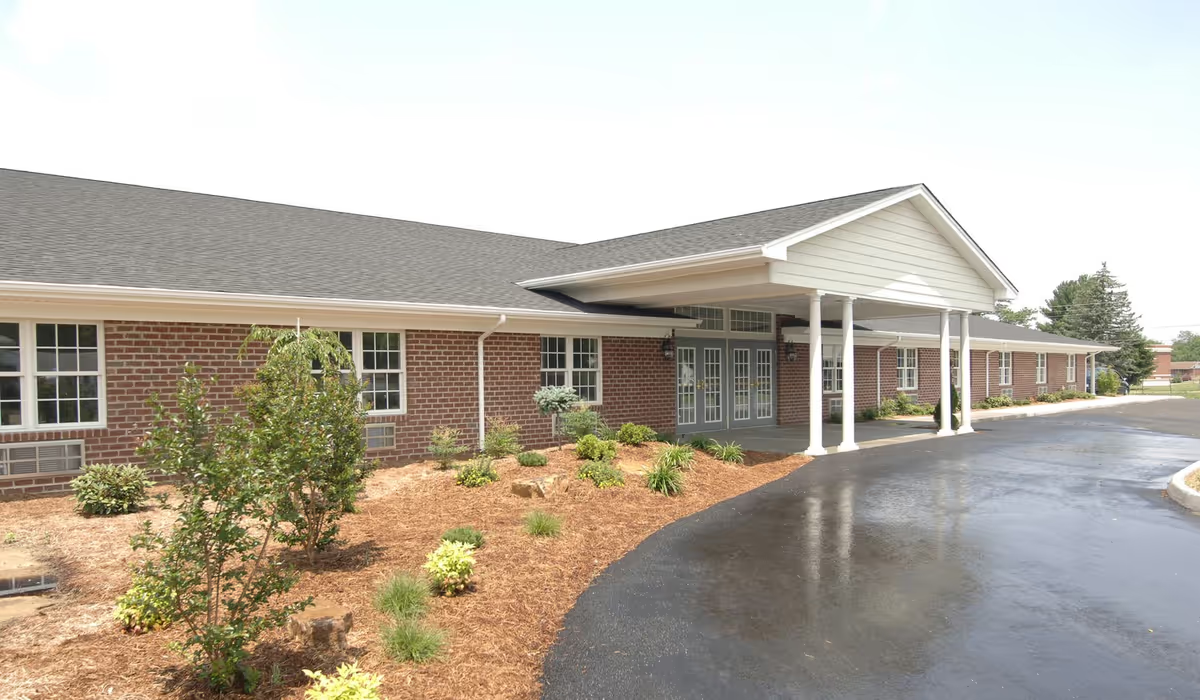
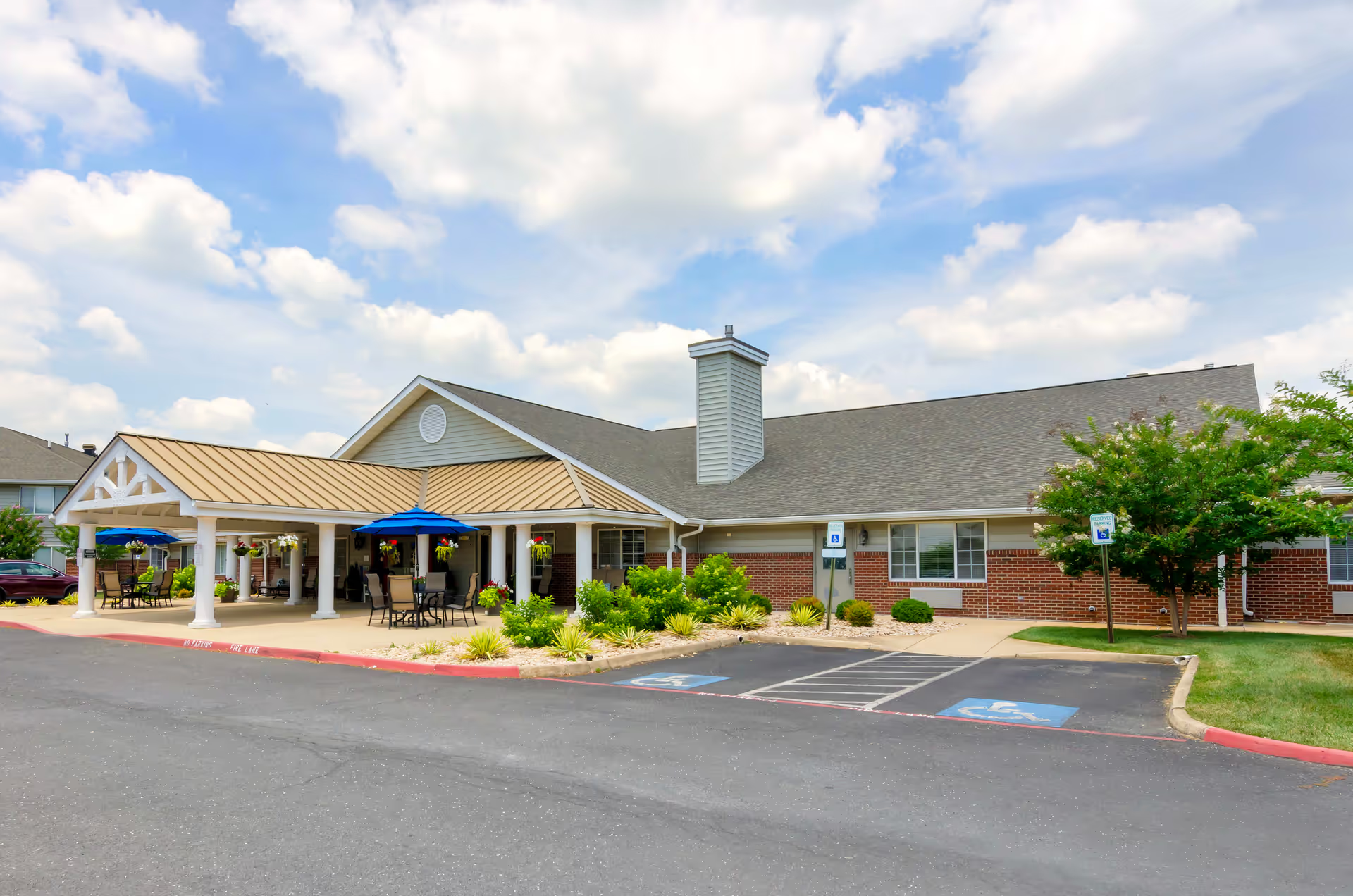
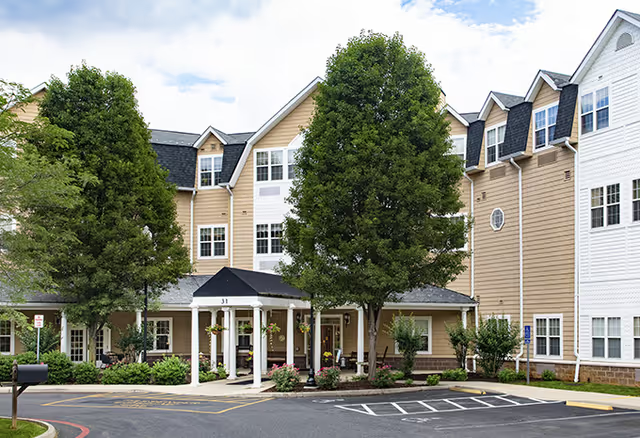
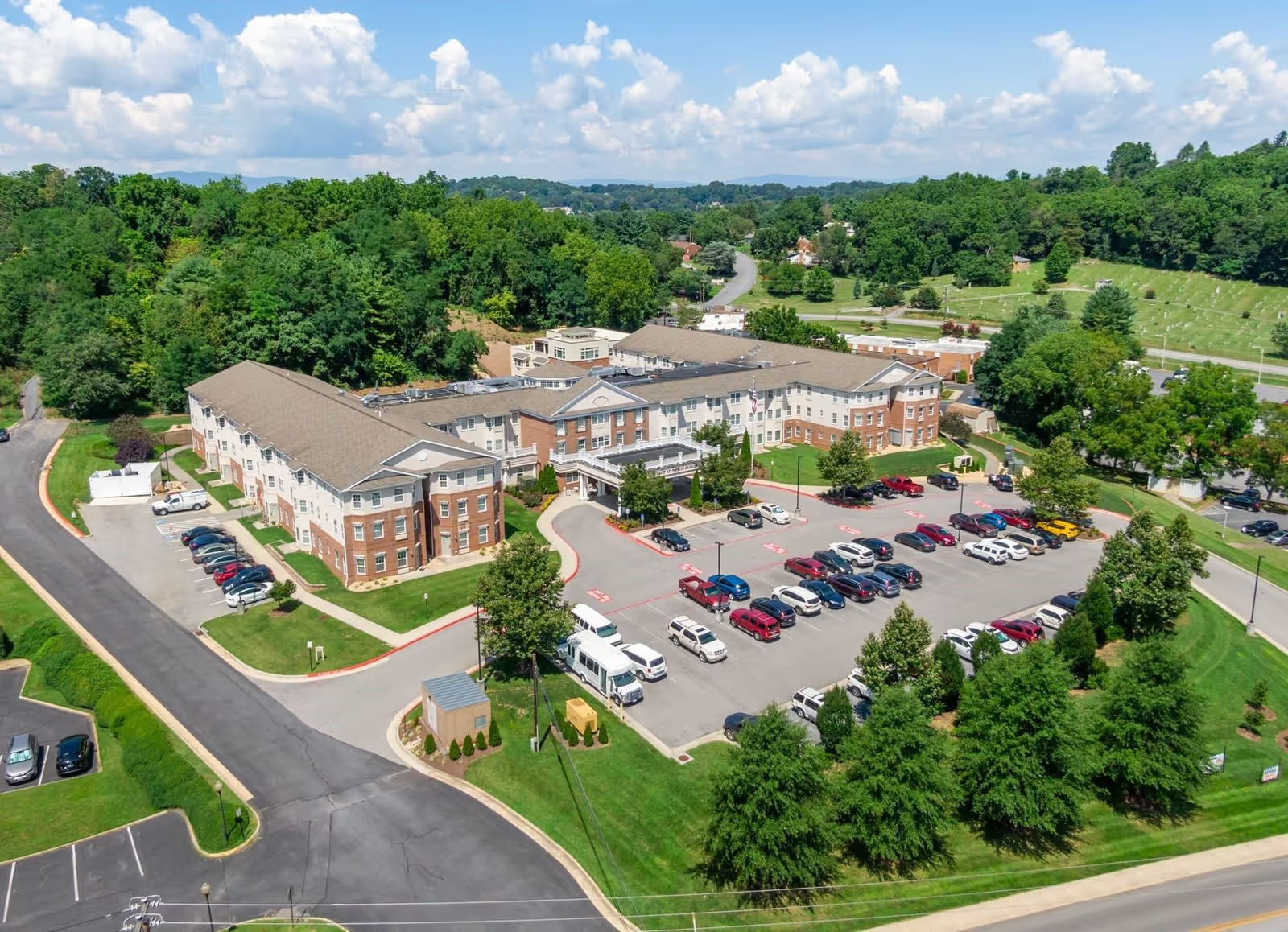
Virginia Mennonite Retirement Community presents as a large, well-appointed continuing-care campus with a broad range of services from independent cottages and apartments through assisted living, memory care, and long-term skilled nursing. Physical plant strengths are consistently emphasized: attractive landscaping, modern common areas, private rooms and cottages, indoor heated pool and spa amenities, multiple dining rooms, library, salon, on-site bank/ATM and covered walkways. The campus layout and on-site amenities support a self-contained residential lifestyle and opportunities for social connection.
Clinical and rehabilitative services are a clear strength for many families. Reviewers frequently highlight strong therapy and transitional-care programs and identify capable RNs and physicians. The facility’s progressive care continuum and on-campus outpatient rehab services are valued for allowing residents to remain on-site as care needs escalate. At the same time, reviewers describe variability in clinical skill and consistency between units; specific concerns include wound-care competence and unevenness in hands-on clinical practices. Responsiveness to call bells and timely attention to requests is another recurrent operational issue that contributes to perceived inconsistency in care.
Staffing and culture are described in predominantly positive terms: many families praise warm, caring staff who know residents’ names, accompany them to activities, and foster a home-like atmosphere. Volunteer involvement and spirited cultural programming (choirs, theater, art shows) are cited as important contributors to community life. However, execution of the activity calendar is uneven; reviewers report that scheduled programs sometimes do not occur or are insufficiently staffed, leaving activity delivery reliant on family involvement or volunteers.
Dining and meal service generate mixed feedback. Some reviewers report enjoyable meals and good service, while a substantial portion describe repetitive menus, culturally unfamiliar or unpalatable dishes for the resident population, and limited resident input into menu planning. Meal quality and variety appear to be an operational area with inconsistent results across units and mealtimes.
Management and administrative responsiveness show a similar pattern of contrast. Several families describe professional, helpful leadership and well-maintained facilities, while others note delays in administrative communication, dissatisfaction with billing or contract matters, and difficulty obtaining financial assistance. A small number of reviewers raised serious financial concerns; prospective residents and families should review contract terms, refund policies, and the facility’s stance on Medicaid conversion and financial aid before committing.
Affordability is a clear, facility-level constraint. The community is described as expensive by many reviewers, and there are multiple remarks about limited willingness to accommodate Medicaid or to provide substantial financial aid. Physical limitations also appear in older sections: smaller rooms, compact fitness spaces, long corridors, and some elevator-access needs were mentioned as practical considerations for mobility-limited residents.
Recommendations for prospective residents and families: tour multiple levels of care to observe variation between newer and older units; ask for current staffing ratios and activity-staff schedules; request sample menus and a recent resident activity calendar with verification of program staffing; review clinical protocols for wound care and bathing assistance; and obtain clear written explanations of contract terms, ancillary fees, and the facility’s policies on Medicaid transition and financial aid. Overall, the community offers strong rehabilitation services, a thoughtful care continuum, and a landscaped, amenity-rich campus, balanced against consistent concerns about cost, operational consistency in dining and activities, and variability in bedside clinical practice.