Reviewers describe a broad range of experiences at Henrico Health & Rehabilitation Center, from highly positive encounters to serious operational concerns. Consistent strengths cited include a skilled therapy program, several named staff who provided compassionate, hands-on care, and an admissions/front-desk team that many families found helpful and organized. The therapy area and equipment receive recurrent praise for producing measurable functional gains, and the facility hosts engaging activities and occasional personalized resident events that families appreciated.
Care quality shows notable variability. Many families praised individual nurses, aides, and therapists for attentive, patient-centered care and clear communication about progress and discharge planning. At the same time, recurring operational weaknesses affected day-to-day care continuity: inconsistent staffing levels (with particular strain on weekends), delayed responses to call bells, interruptions or delays in medication delivery, and uneven personal-care scheduling (bathing, dressing, oral hygiene). Several reviewers described hygiene and incontinence-care delays and sanitation concerns; these comments suggest the facility may have uneven execution of routine caregiving tasks during higher workload periods.
Dining and activities are mixed. Some families described accommodating dietary options (including vegetarian choices), celebratory meals, and generally good food on particular occasions; others described inconsistent food quality and service timing, including meals served cold or in containers perceived as low quality. The activities program and social offerings were frequently noted as positive contributors to resident engagement, and therapy staff were repeatedly recognized for teaching practical self-care skills.
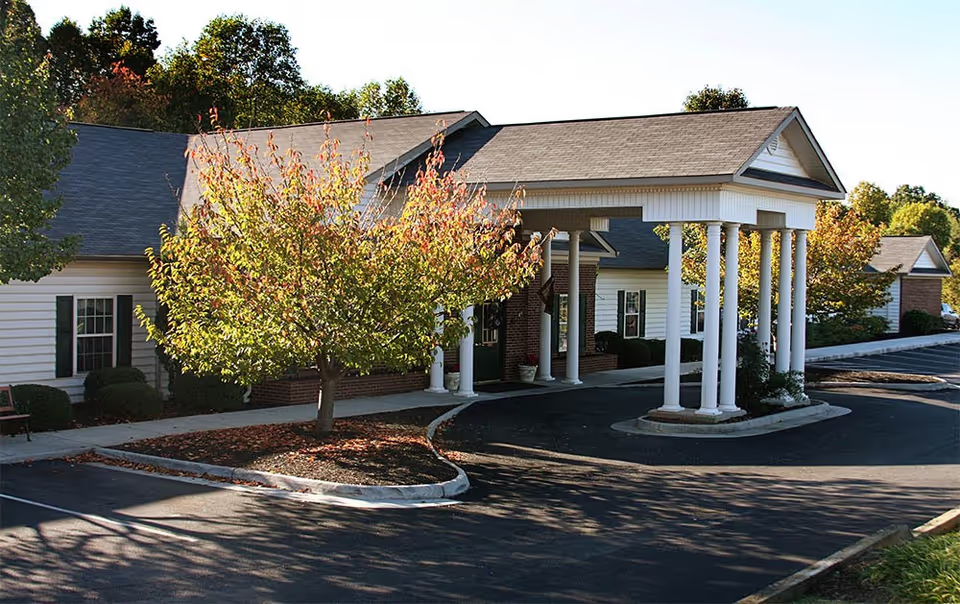
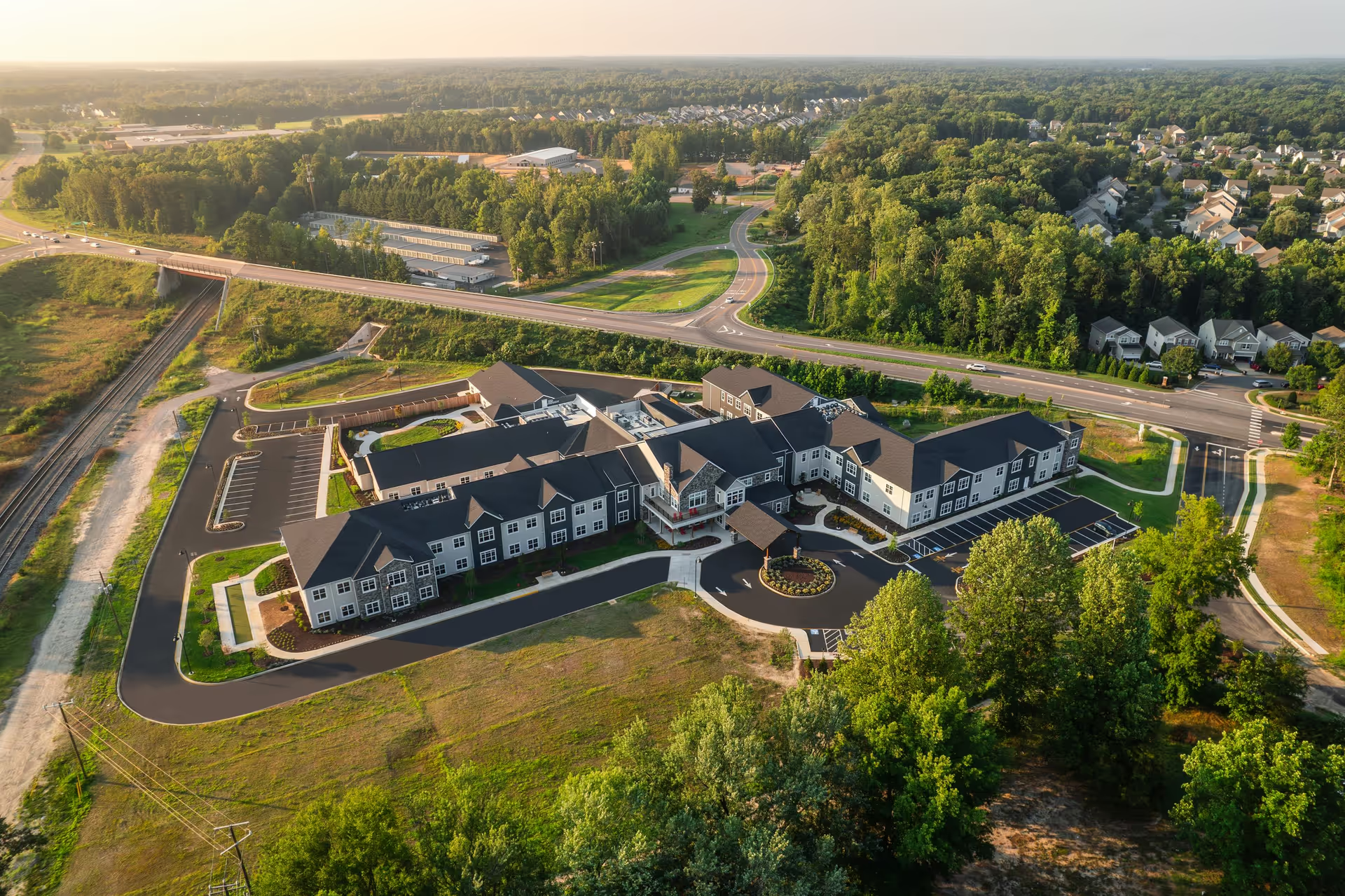
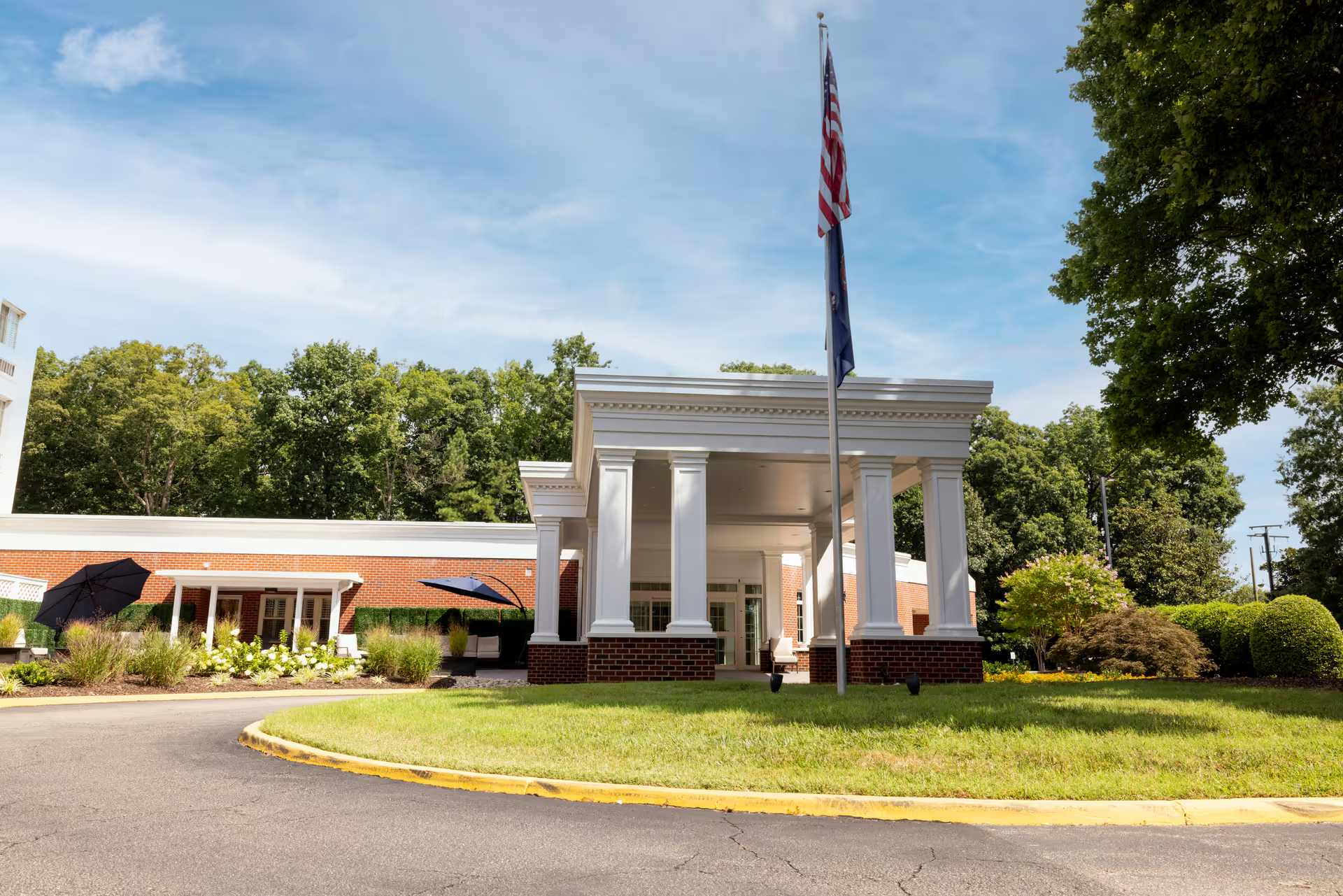
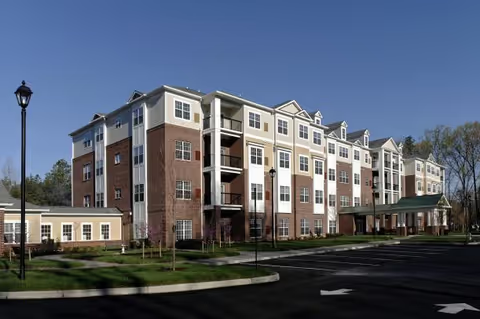
Facility condition and safety observations are similarly mixed. Many visitors found rooms and halls clean and well maintained, and therapy spaces modern and well organized. However, reviewers also noted maintenance issues (damaged walls, blinds), odor concerns in certain areas, and reports of smoking near entrances. Safety-process concerns surfaced in multiple reviews: falls or transfers that families felt were not adequately supervised or reported, and instances implying weaknesses in fall-prevention and resident supervision protocols.
Management and administrative patterns show improvement in some areas and persistent gaps in others. Several reviewers singled out helpful admissions staff and an effective discharge coordinator; some families reported visible leadership efforts and incremental improvements. Conversely, reviewers also described poor internal communication, payroll errors, inconsistent availability of leadership after hours, and difficulties obtaining timely follow-up. A small number of serious complaints included concerns following a resident's death and an alleged privacy/HIPAA concern; these items reflect isolated but high-severity family issues that prospective families should clarify with the facility.
Taken together, the reviews indicate a facility with clear clinical strengths—particularly in rehabilitation therapy and in the commitment of certain staff members—paired with operational vulnerabilities around staffing consistency, medication and personal-care processes, environmental maintenance, and administrative communication. Prospective residents and families may benefit from an in-person tour, meeting the therapy team, and asking targeted questions about weekend staffing, call-bell response times, medication administration protocols, laundry schedules, fall-prevention measures, and family-notification/privacy policies before admission.