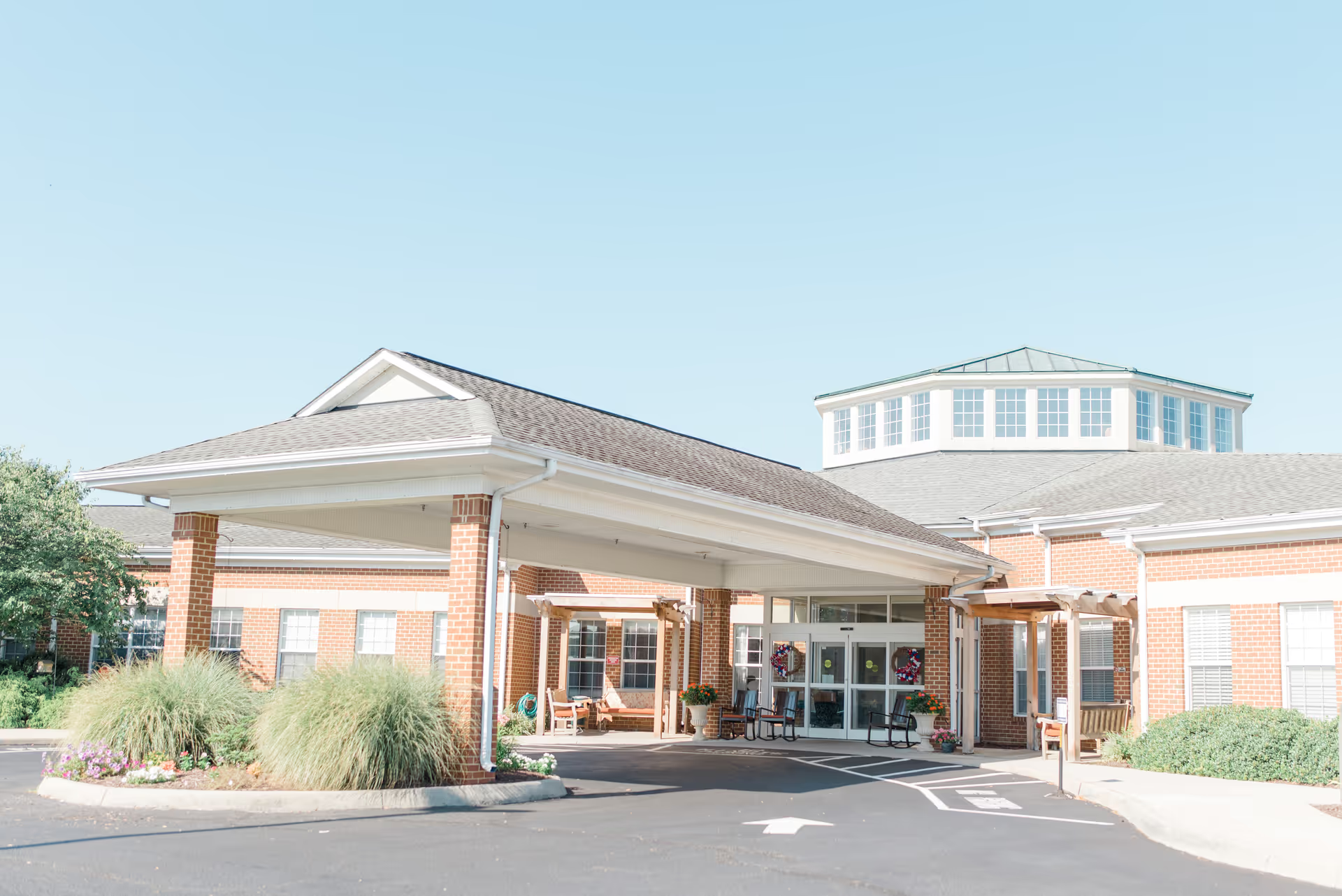
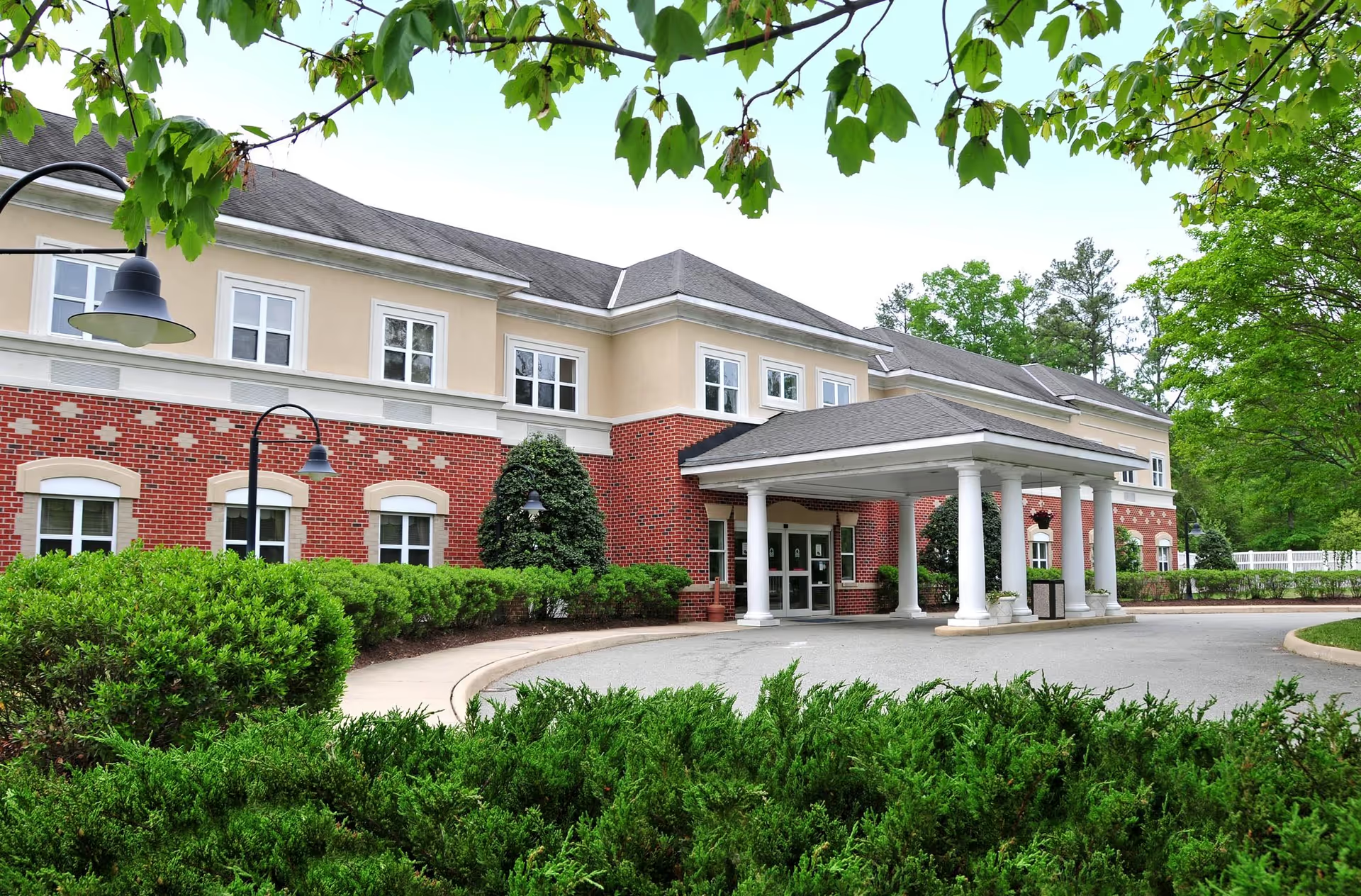
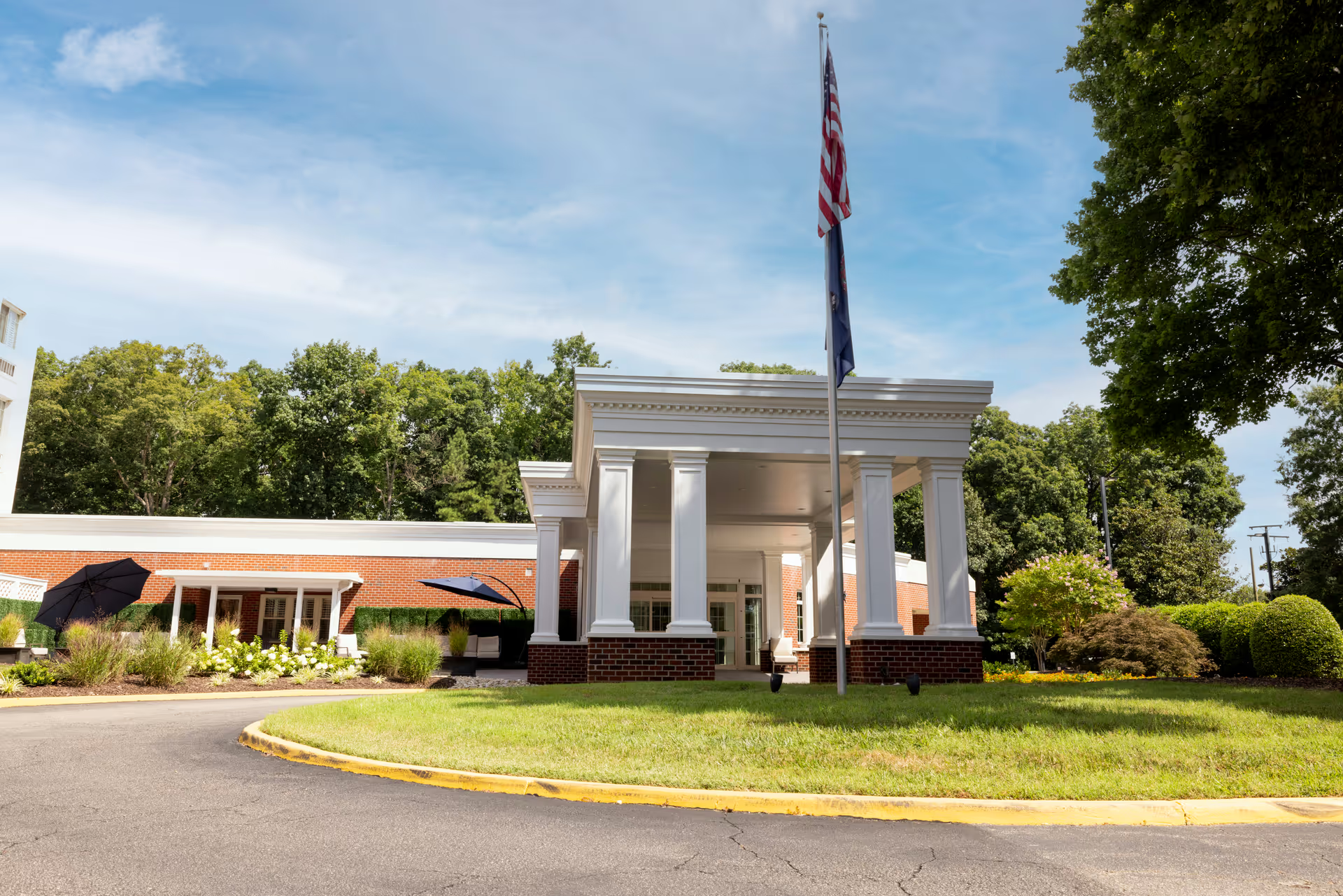
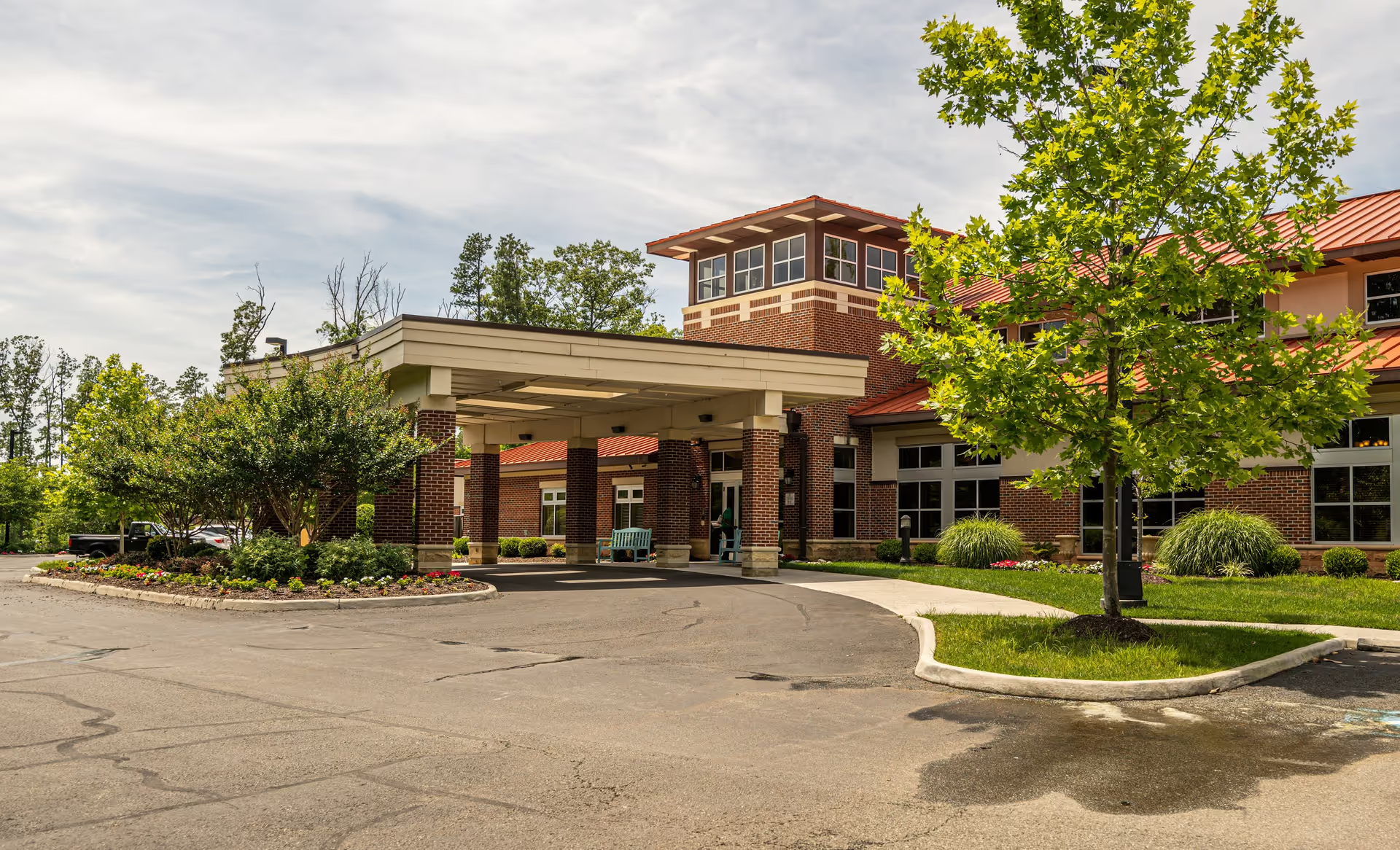
Brighter Living Assisted Living elicits a mix of strong positives and significant operational concerns. Many families describe a clean, well-kept facility with an attractive interior, spacious private rooms, on-site amenities (theater, store, pharmacy), and reliable housekeeping. The community offers a broad activities program with frequent outings, volunteers, and social opportunities; transportation and varied dining options (family-style and private) are available and viewed positively by numerous visitors. Several accounts highlight caring, responsive staff members and accessible administration; a recent change in leadership was noted by some reviewers as a constructive development.
At the same time, a recurring theme concerns clinical and operational controls. Multiple reviews indicate gaps in medication management (errors, delayed notification to families, and procedures that may not be adapted for memory-care residents). Family communication is inconsistent in some cases, with issues around sharing treatment records, appointment summaries, and medication updates. Staffing instability and uneven staff training were raised repeatedly; reviewers described both long-tenured, compassionate employees and episodes of short staffing or interpersonal conduct that families found concerning.
Food service and regulatory oversight are another area of mixed feedback. Many residents enjoy meals and appreciate dining flexibility, but reviewers flagged questions about food-service credentialing, kitchen oversight, and food-safety processes. Infection-control and respite-program administration were also identified as problematic in certain instances, including handling of communicable illness events and clarity of short-stay contract terms. Together these items suggest the facility would benefit from clearer procedural documentation and stronger compliance oversight.
More serious concerns include allegations tied to billing practices and financial transparency. These claims increase the importance of verifying contract terms, billing procedures, and audit or regulatory records prior to move-in. Language-access limitations were reported as well: an English-only policy and insufficient bilingual staffing created barriers for some families and residents. Finally, reviewers generally agreed the community is best suited to people with low to moderate care needs; families seeking higher-acuity clinical services should verify clinical staffing ratios, medication protocols, and care-plan responsiveness before committing.
For prospective residents and families: weigh the facility’s clear strengths in environment, activities, and day-to-day hospitality against the operational concerns noted above. Ask specific questions about medication-administration protocols, staff training and turnover rates, food-safety credentials, respite and billing contract terms, infection-control policies, and language supports. Request copies of recent inspection reports or corrective-action plans when possible, and consider meeting clinical staff to confirm the facility’s capacity to meet your relative’s anticipated level of care.