Overall impression: Feedback for Wonder City Rehabilitation and Nursing Center is mixed, with consistent praise for therapy, activities, and certain staff members contrasted against recurring operational and clinical concerns. Many families and residents describe strong rehabilitation outcomes, engaging activities, and compassionate caregiving from specific nurses, CNAs, therapists, and administrators. At the same time, several operational patterns—most notably staffing variability and maintenance shortcomings—contribute to uneven experiences.
Care quality and clinical issues: The facility's therapy department receives frequent commendation for professional, goal-oriented work that produces measurable recovery for many residents. Nursing and CNA performance is described positively in many accounts, with examples of attentive bedside care and timely medication/therapy when staffing levels permit. However, reviewers also describe variability in clinical care quality, including inconsistent wound management and lapses in routine clinical tasks and medication administration. There are a small number of serious allegations concerning wound-care complications and related outcomes; these are not the dominant narrative but represent notable outliers that families highlighted.
Staffing and staff conduct: Staff are often characterized as friendly, compassionate, and family-oriented, and leadership figures (named administrators and directors) receive specific praise for responsiveness and advocacy. Conversely, staffing shortages, perceived underpayment, and reliance on agency personnel are linked to reports of delayed responses, long waits for assistance, and inconsistent bedside manner. Communication tone and conduct by some staff members are described as problematic in specific instances, while other staff are described as going above and beyond; this indicates significant variability tied to staffing stability and shift coverage.
Dining and activities: The activities program is a consistent strength, with individualized engagement and a proactive activities team frequently highlighted. Dining receives mixed feedback: some find meals acceptable, while others describe unappealing or under-served meals and inconsistent meal quality. Meal-service reliability appears to fluctuate with operational pressures.
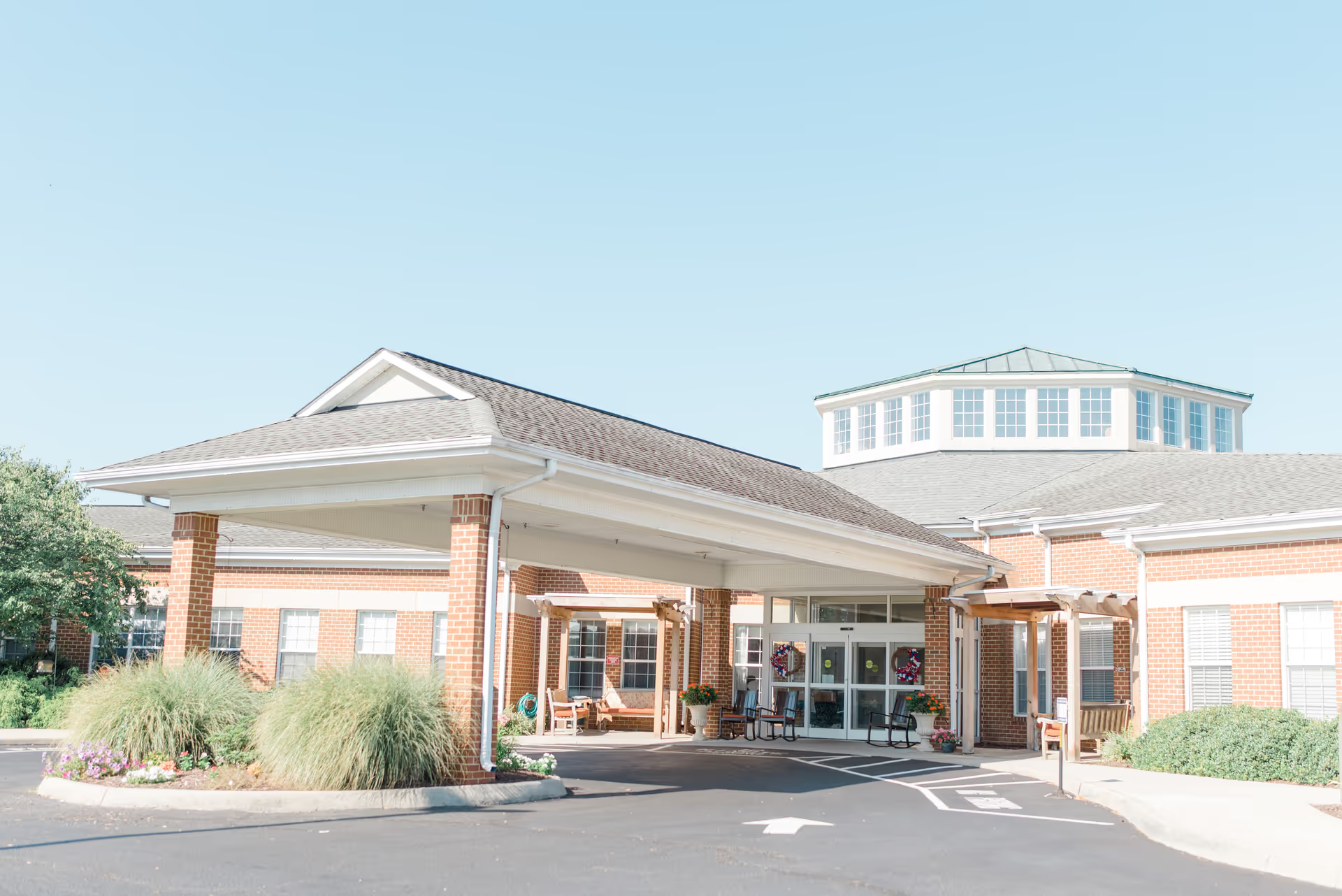
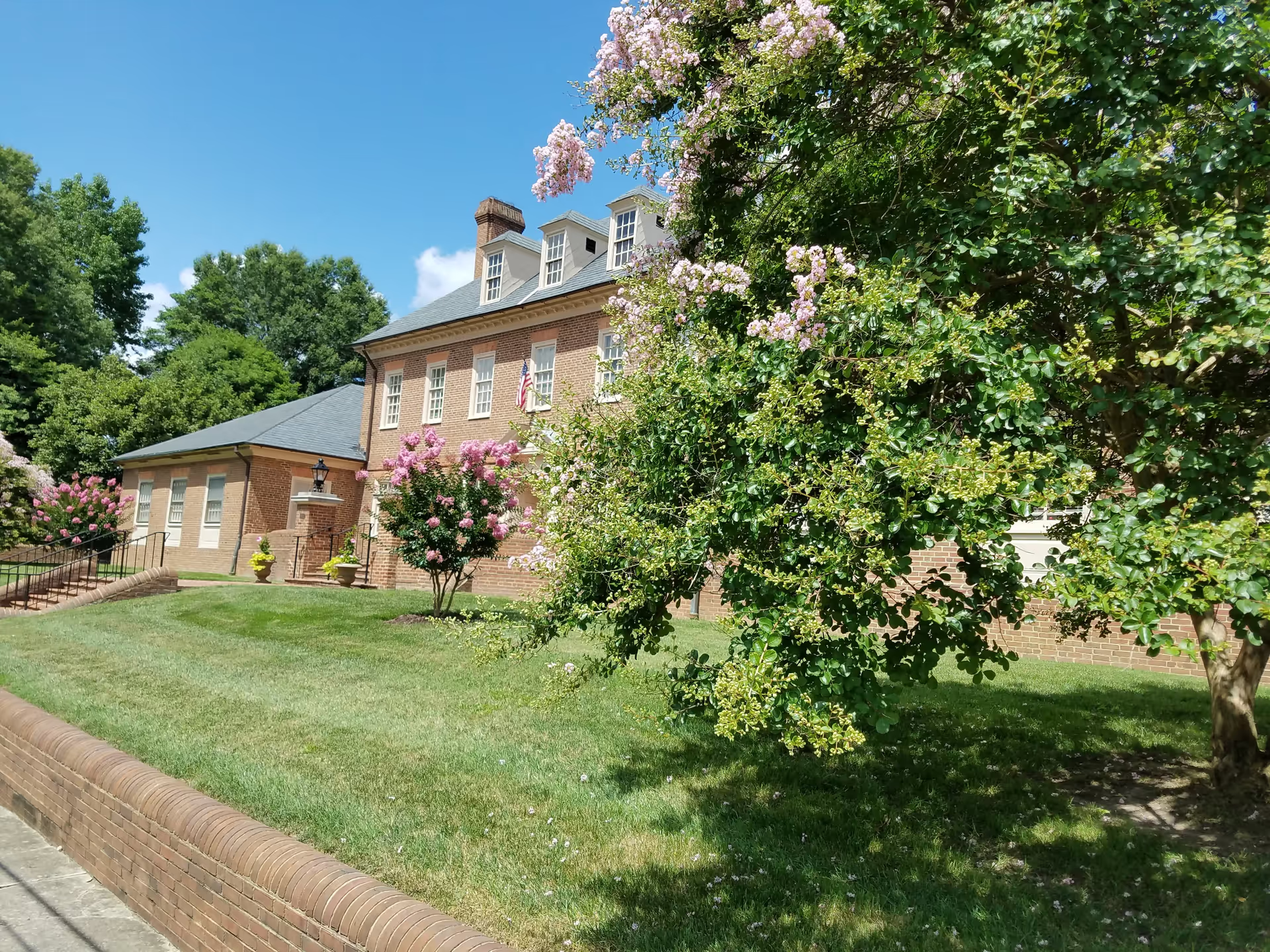
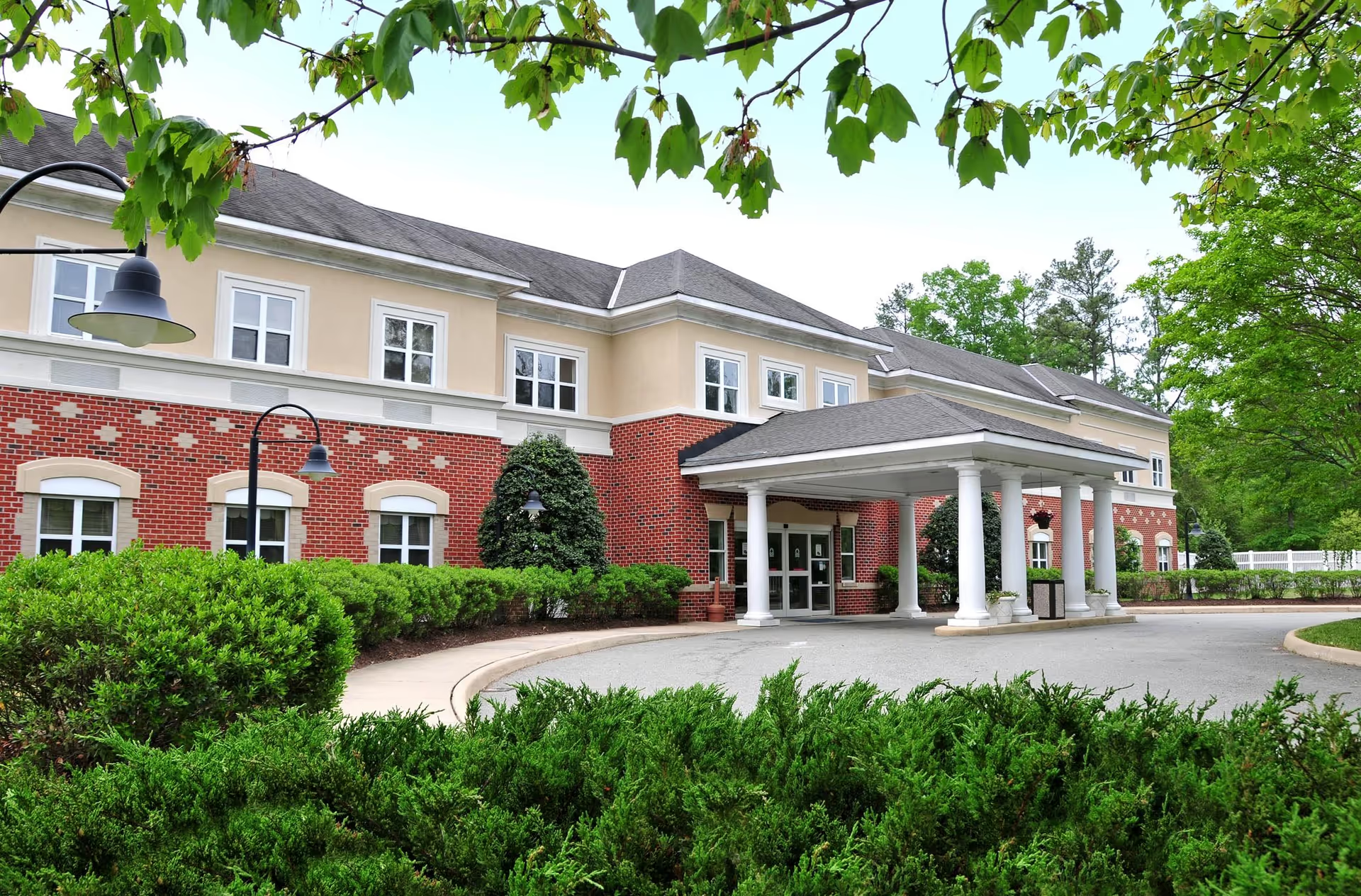
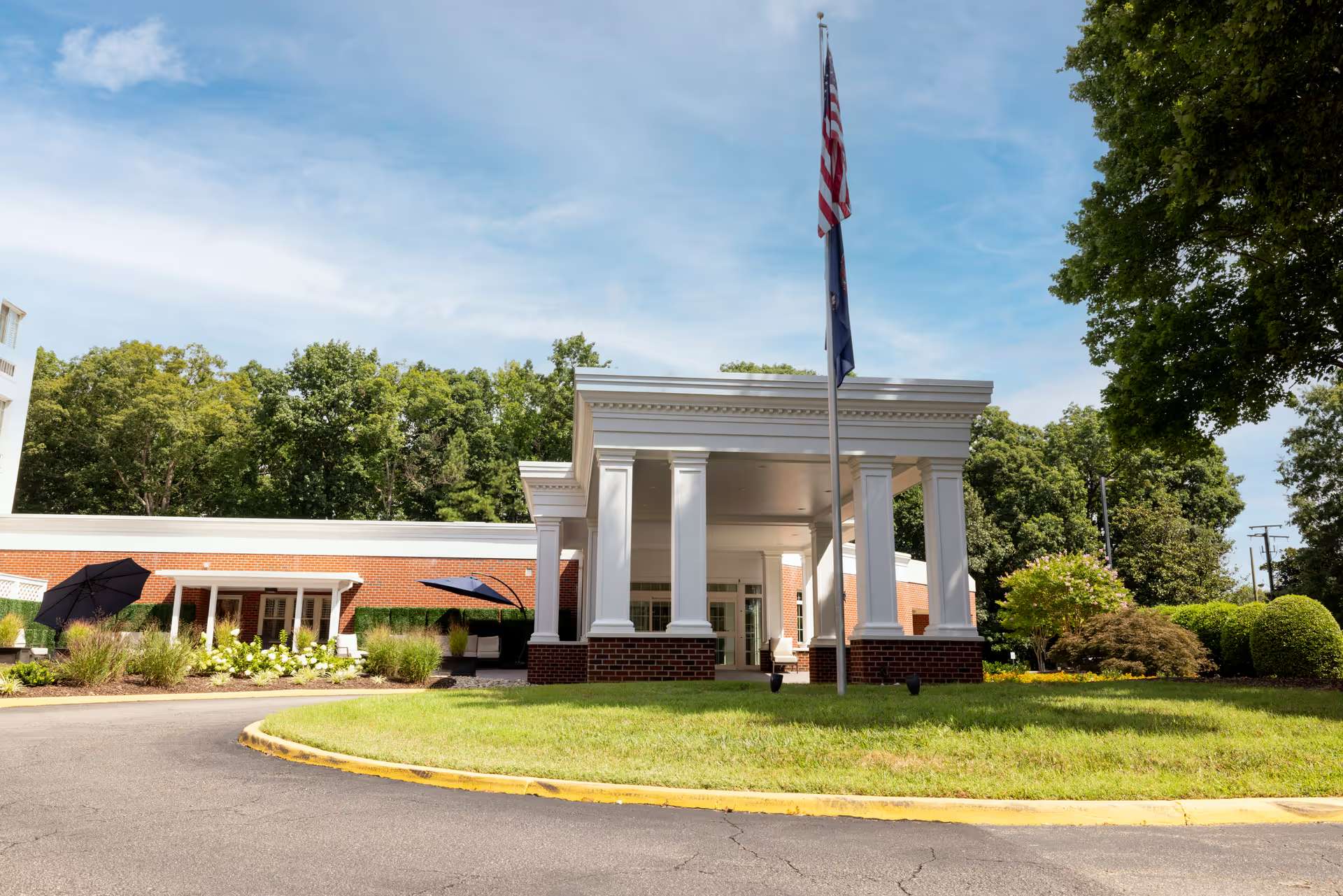
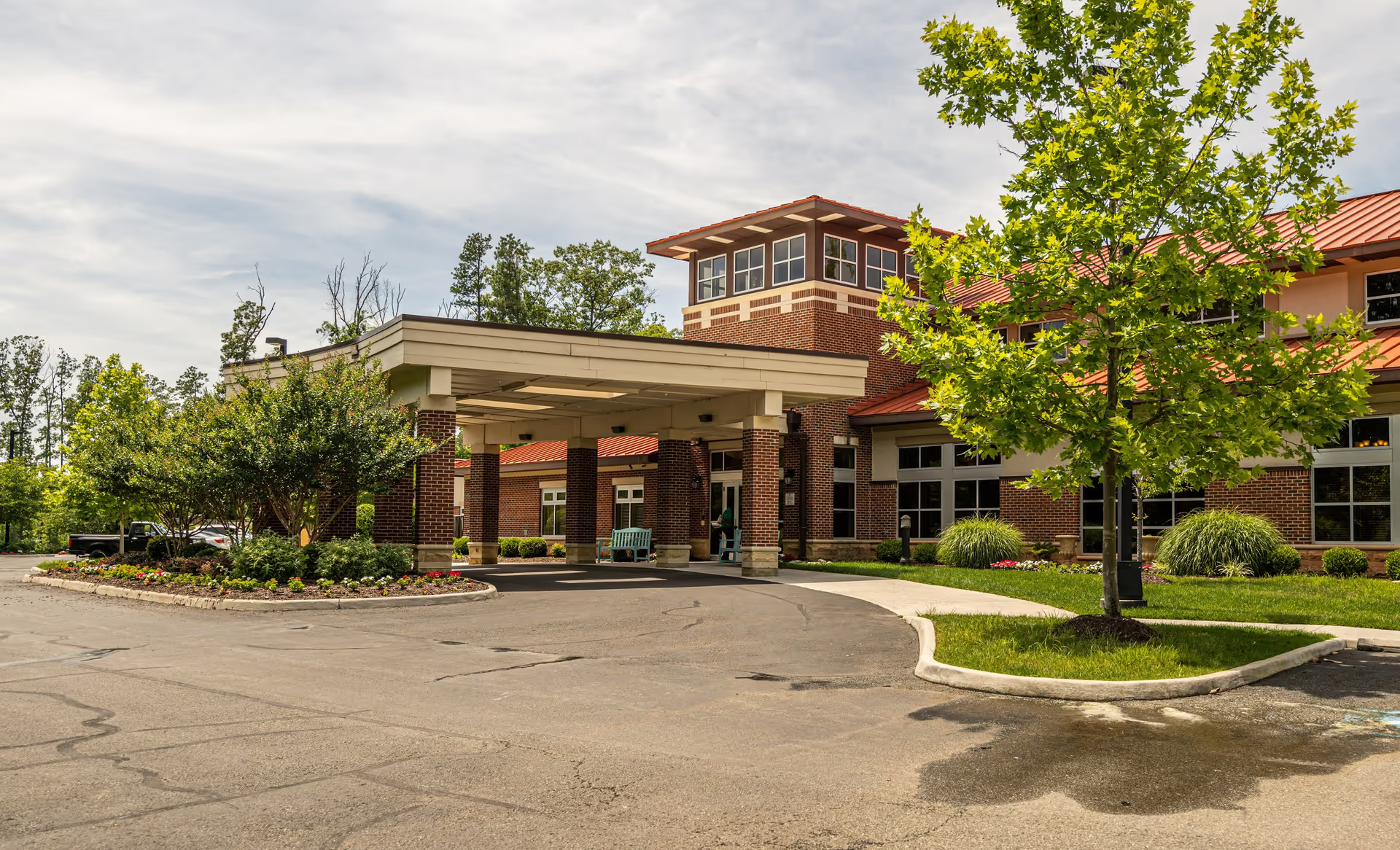
Facilities, maintenance, and safety: Common areas are often noted as clean and orderly, and housekeeping staff are praised for hard work. At the same time, reviewers cite aging infrastructure, maintenance delays, and specific physical-plant problems (lighting failures, air-conditioning issues, and structural wear). Concerns about after-hours maintenance coverage and certain sanitation issues in resident rooms were reported. Facility access procedures are described inconsistently—some comments praise a welcoming front desk while others note unlocked doors and unmanned sign-in areas at times, indicating variability in security and reception operations.
Management and notable patterns: Management and specific leaders receive substantial positive mention for engagement and improvements; multiple families credit administrators with effective intervention and responsiveness. Nevertheless, several reviewers point to operational strain tied to an ownership transition and resource limitations that can hamper consistency. A recurring pattern is polarization: strong rehabilitation outcomes and dedicated staff on some shifts coexist with episodic lapses in responsiveness, clinical consistency, and physical maintenance on others. Prospective residents and families should weigh the facility's demonstrated strengths in therapy, activities, and committed staff against the potential for variability in nursing responsiveness, maintenance reliability, dining consistency, and clinical oversight. For concerns that go beyond routine variability—such as serious wound-care complications or regulatory complaints—families may wish to seek specific documentation, ask about staffing ratios and after-hours coverage, and request recent quality and inspection records before making decisions.