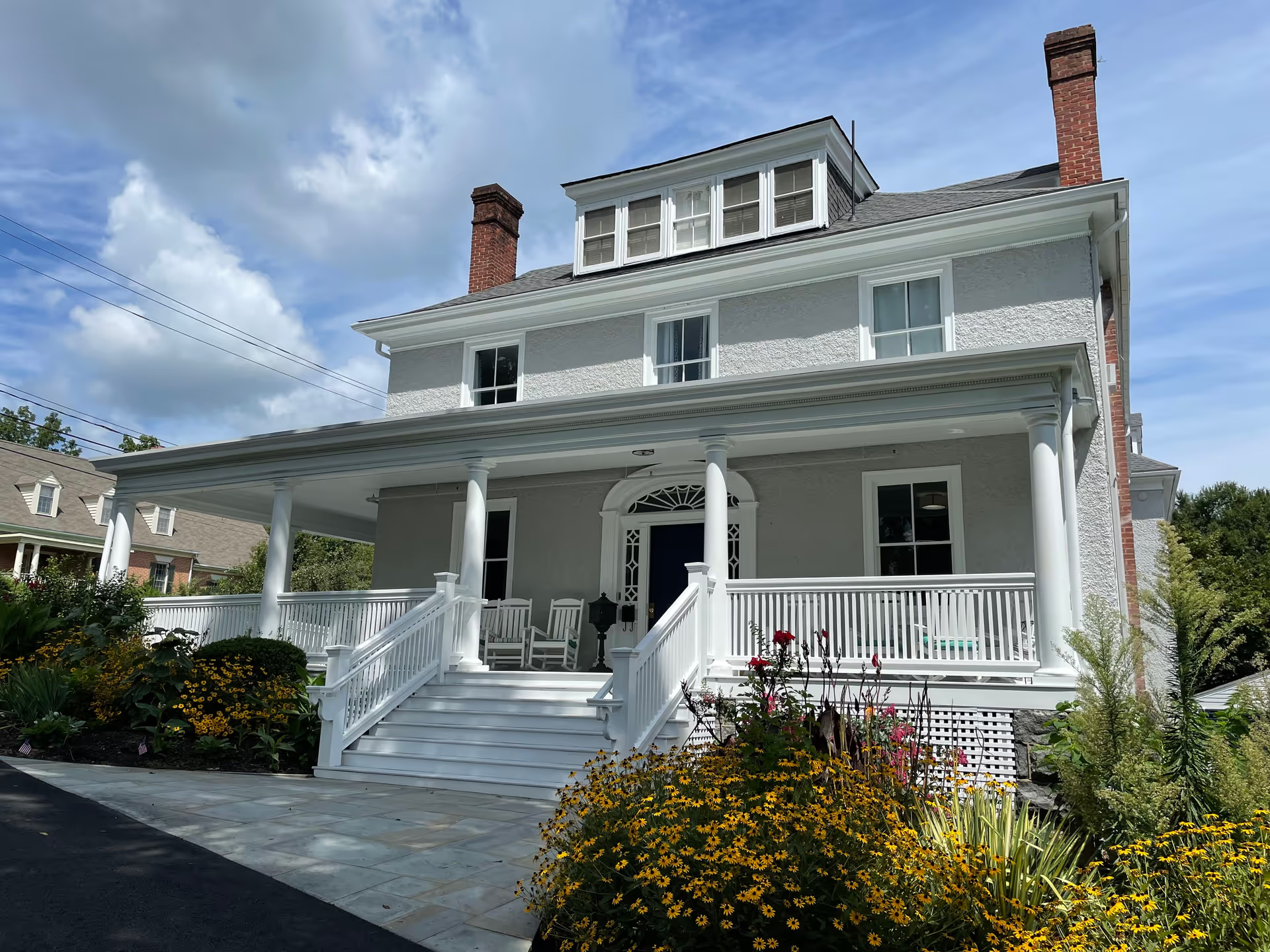
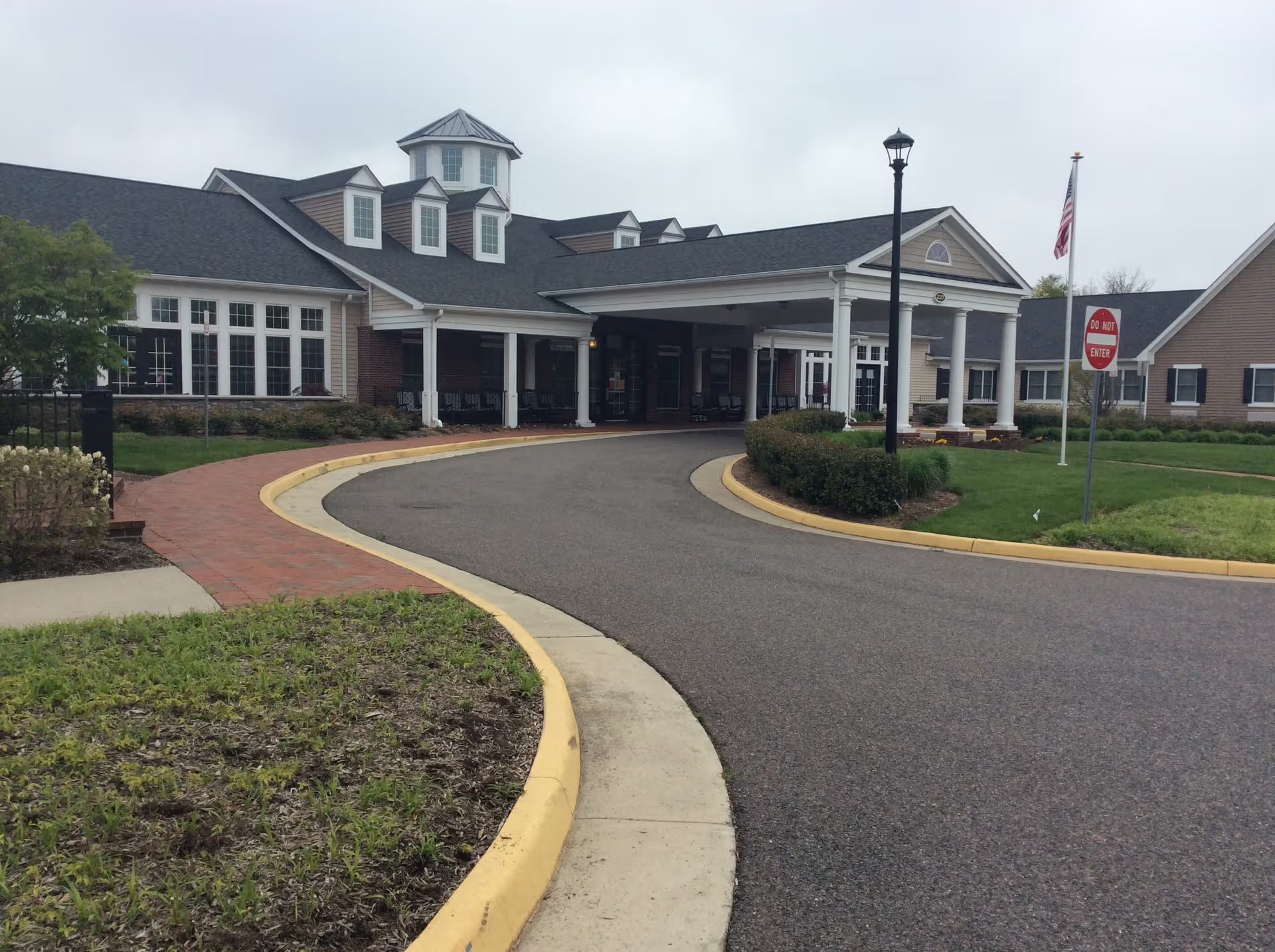
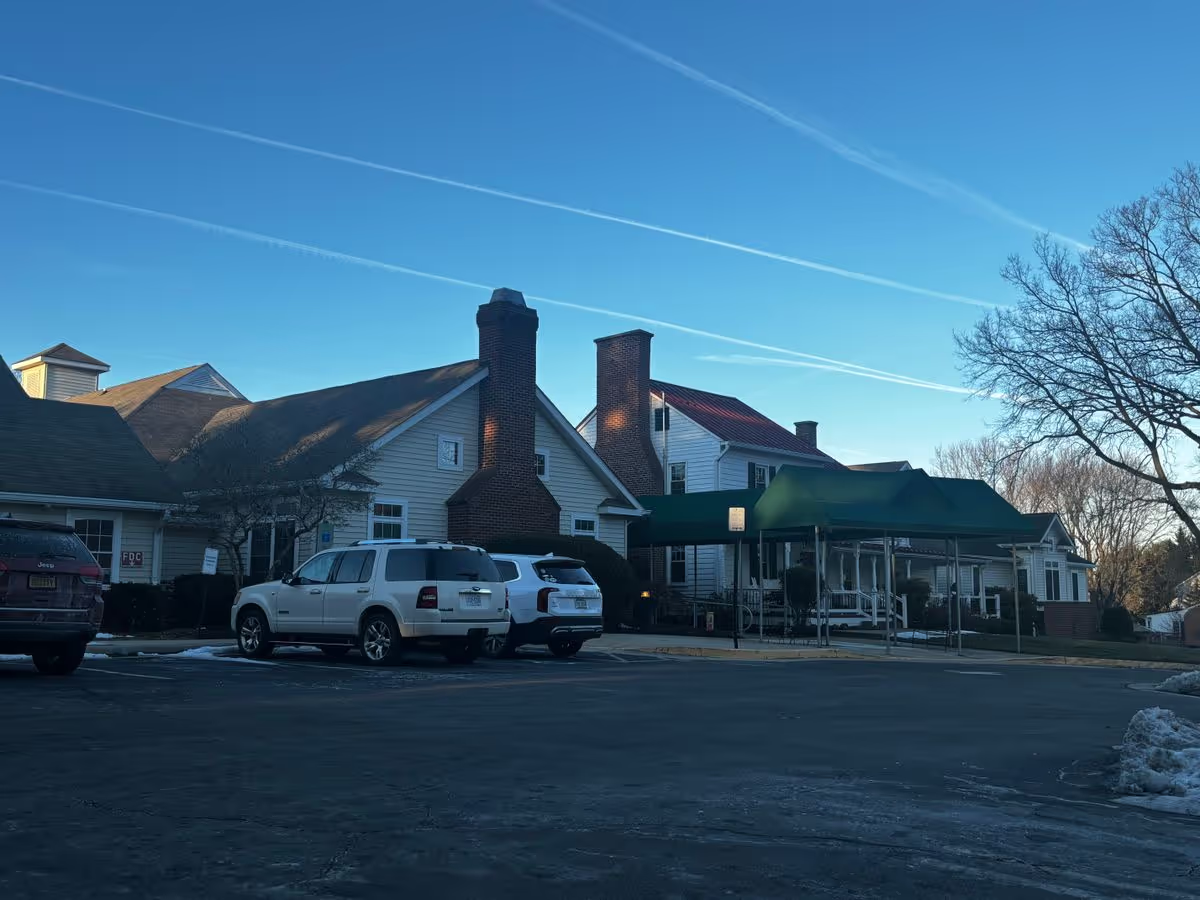
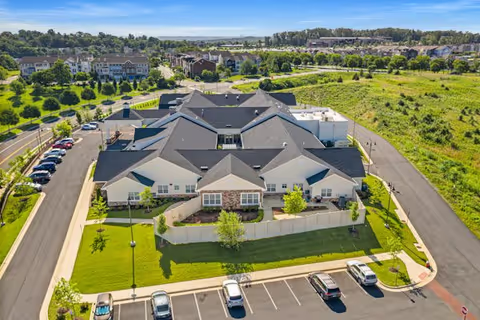
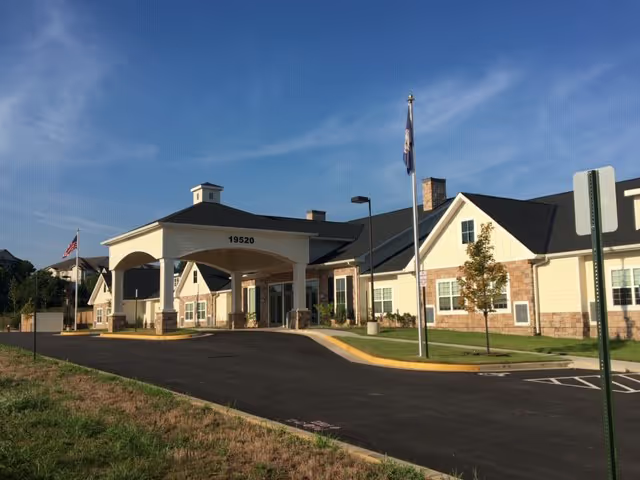
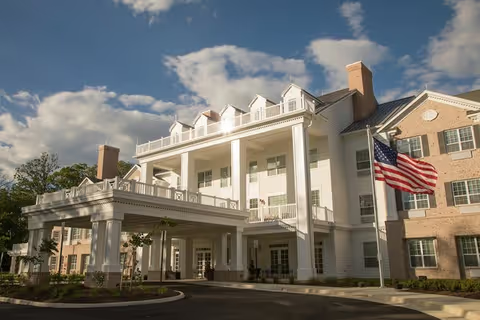
Loudoun Rehabilitation and Nursing Center elicits a strongly polarized set of impressions. The facility receives consistent praise for its rehabilitation services: physical and occupational therapy are described as a clear strength, with skilled therapists, a bright and well-equipped gym, and modern rehab technology (including gait devices and virtual-reality tools). Many families and residents attribute measurable functional improvements and increased confidence to the therapy program. The grounds and common areas also receive favorable mentions, particularly the courtyard and landscaped exterior.
Care quality beyond therapy is more mixed. A substantial number of accounts point to inconsistent nursing care and chronic staffing shortages that affect daily responsiveness. Specific operational weaknesses cited include delayed medication administration, unanswered call bells and bed alarms, lapses in wound-care practices and supply availability, and limited physician availability. These concerns appear to be concentrated around shift changes and weekends, with reviewers noting variability between day and night or weekday and weekend staffing levels.
Communication and management are recurrent themes. Families describe gaps in clinical documentation and in receiving timely medical updates, as well as inconsistent follow-up when issues are raised to administration. Several reviewers reported unsatisfactory complaint-resolution experiences. At the same time, case managers, social workers, and some unit-level staff receive positive mention for proactive communication and family support, indicating variability by role and by individual employee.
Dining, activities, and amenities show a mix of strengths and weaknesses. The activity program, family events, and on-site services such as a beauty shop are viewed positively and contribute to resident engagement. Food quality is described inconsistently—some praise meal service and kitchen staff, while others find the dining experience and menu execution variable. Renovations and equipment upgrades are in progress in parts of the facility; however, resident rooms and some areas are described as dated and unevenly maintained.
Safety and clinical oversight concerns recur in narrative accounts: reviewers cite equipment safety and transfer-practice issues, occasional emergency-routing or ER-transfer confusion, and uneven wound and pain management. These reflect systemic operational gaps rather than single isolated events. Conversely, individual caregivers and nurses are frequently highlighted for compassionate, attentive care; those staff members are often credited with improving residents’ day-to-day experience despite broader staffing and process challenges.
In summary, Loudoun Rehabilitation and Nursing Center presents strong rehabilitation capabilities and several standout caregivers and support staff, combined with operational weaknesses in nursing coverage, responsiveness, documentation, and management follow-through. Prospective residents and families who prioritize intensive, high-quality therapy and proximity to hospital services may find the facility well suited for short-term rehabilitation. Those for whom consistent 24/7 nursing responsiveness, wound management, and predictable weekend coverage are critical should seek detailed, current information from the facility about staffing patterns, recent ownership or management changes, and specific care protocols before making placement decisions.