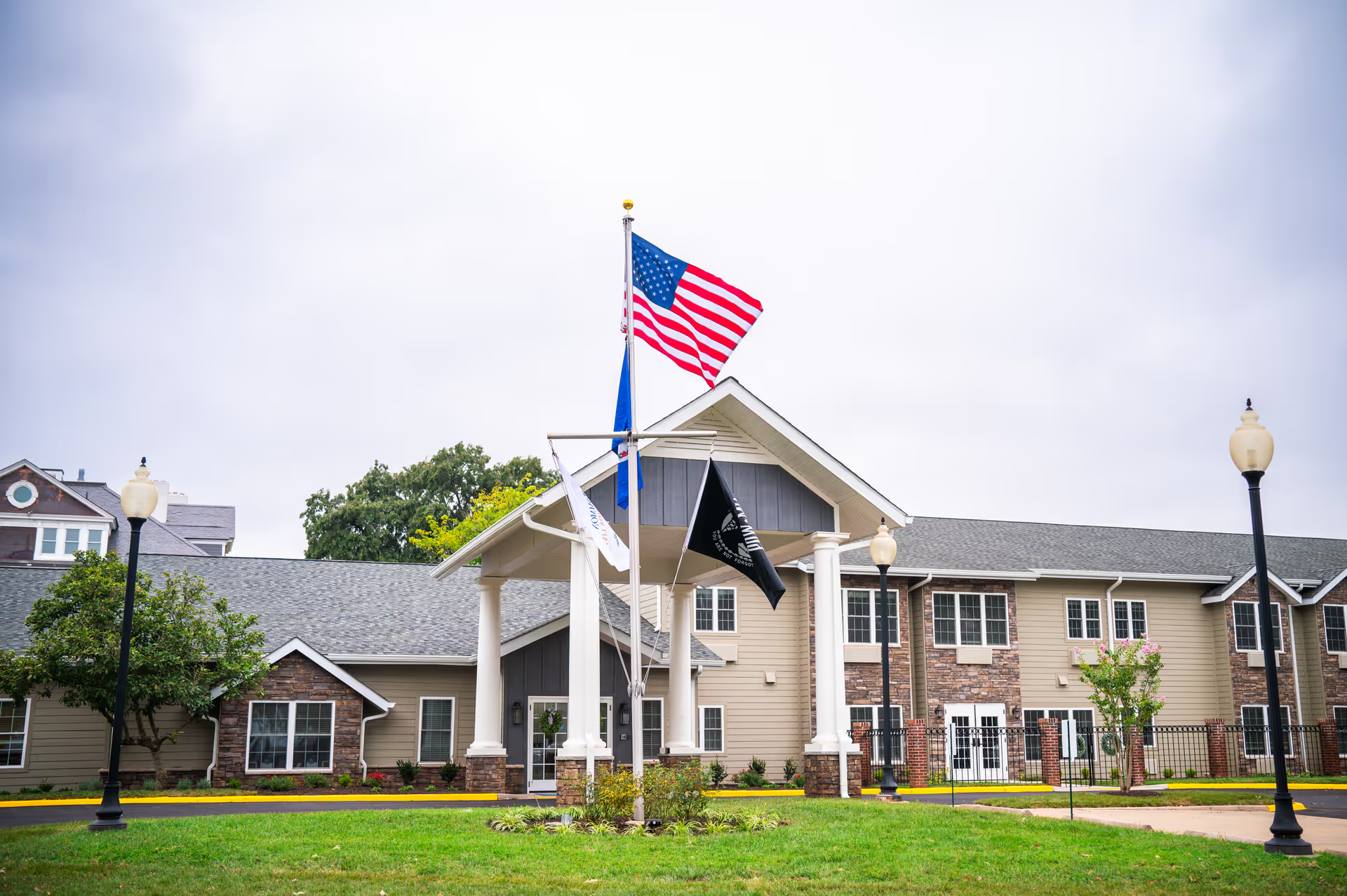
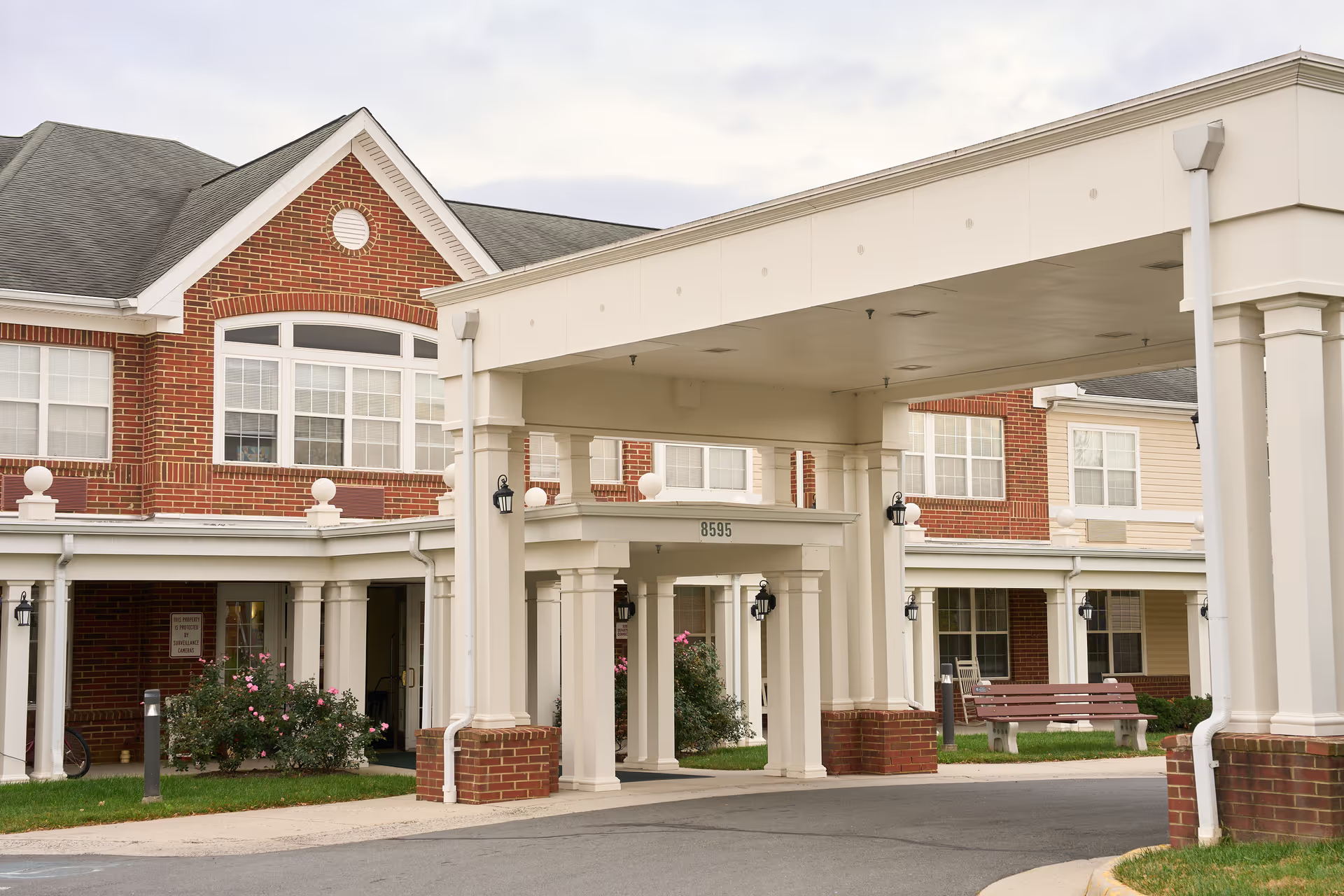
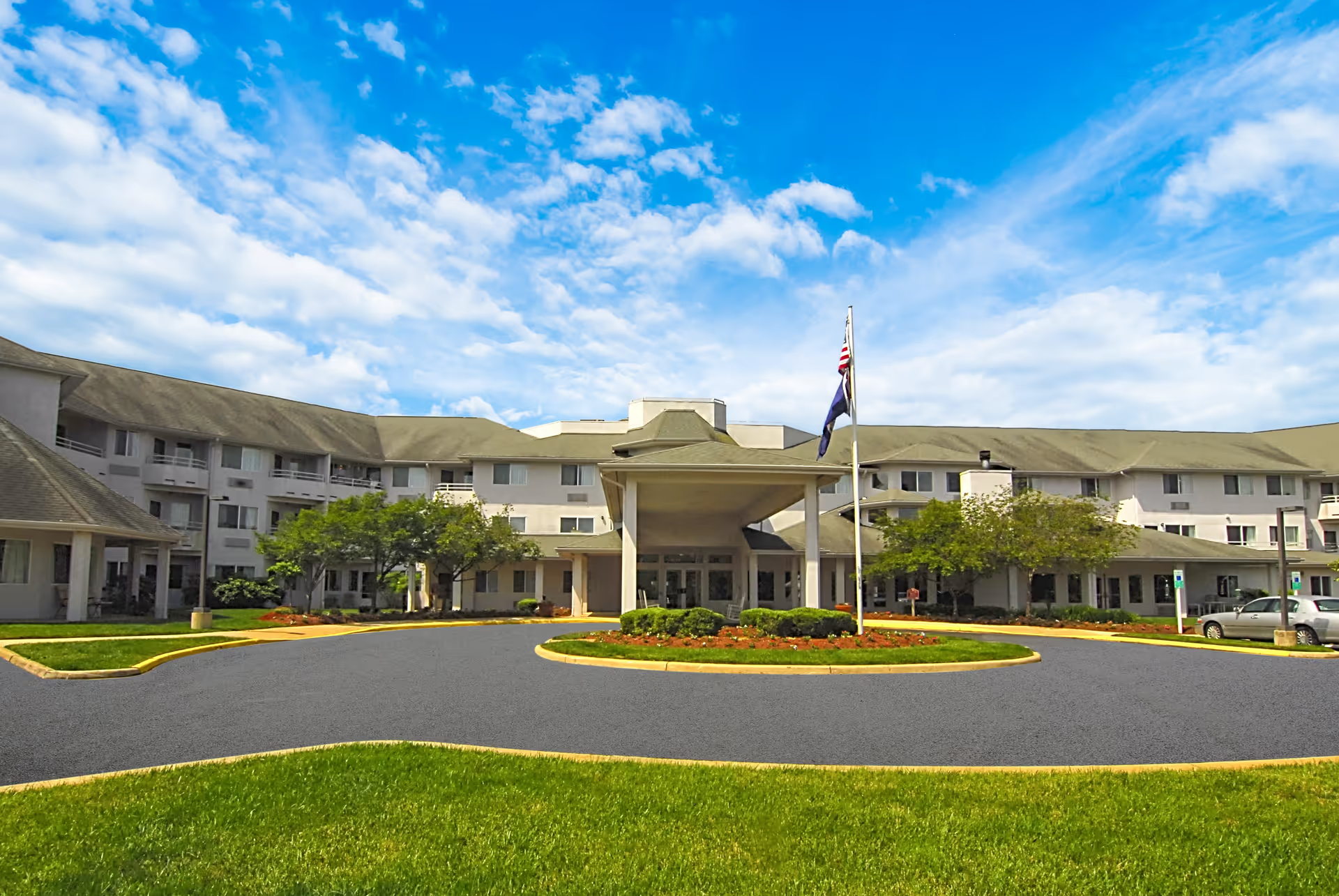
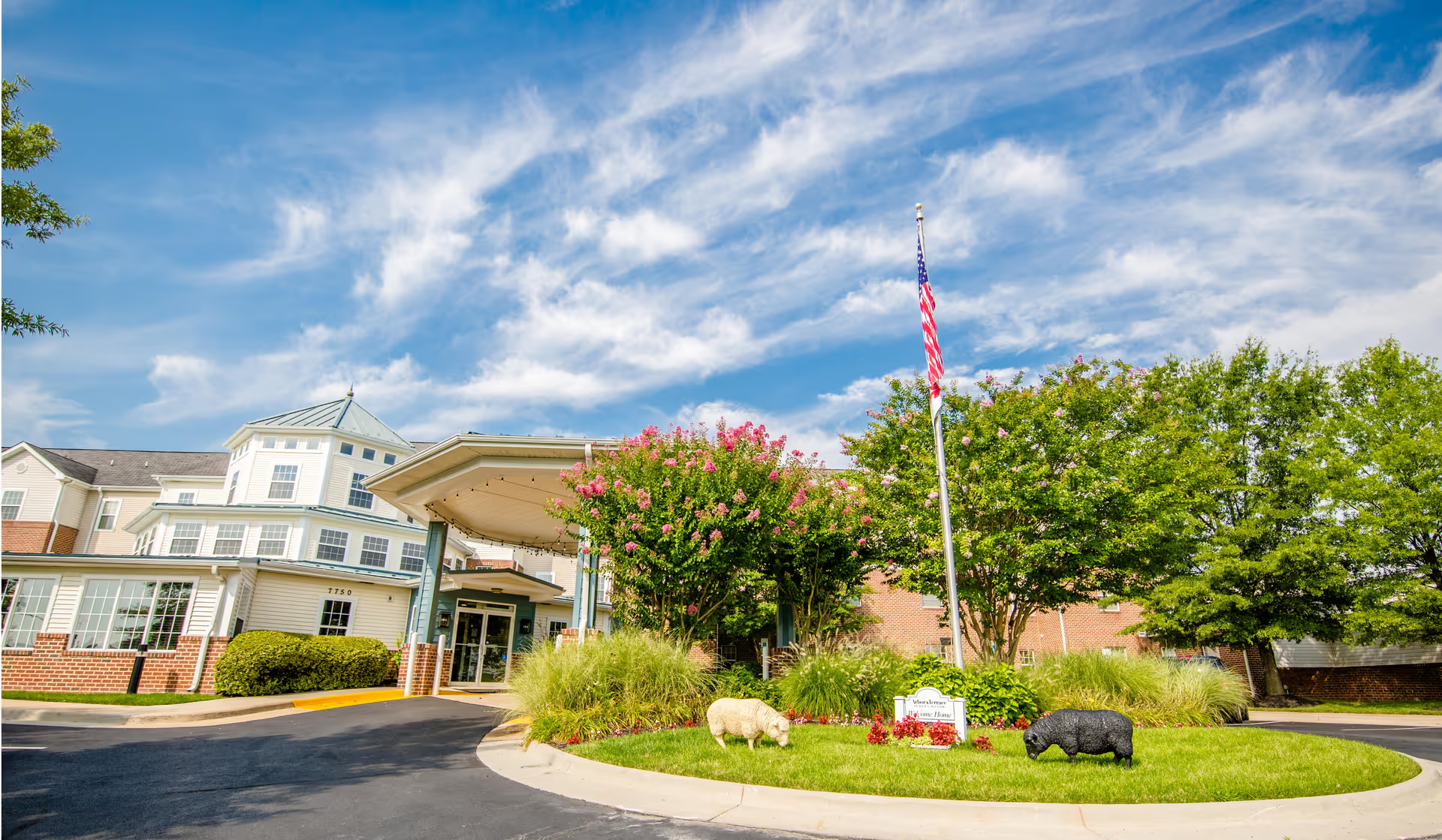
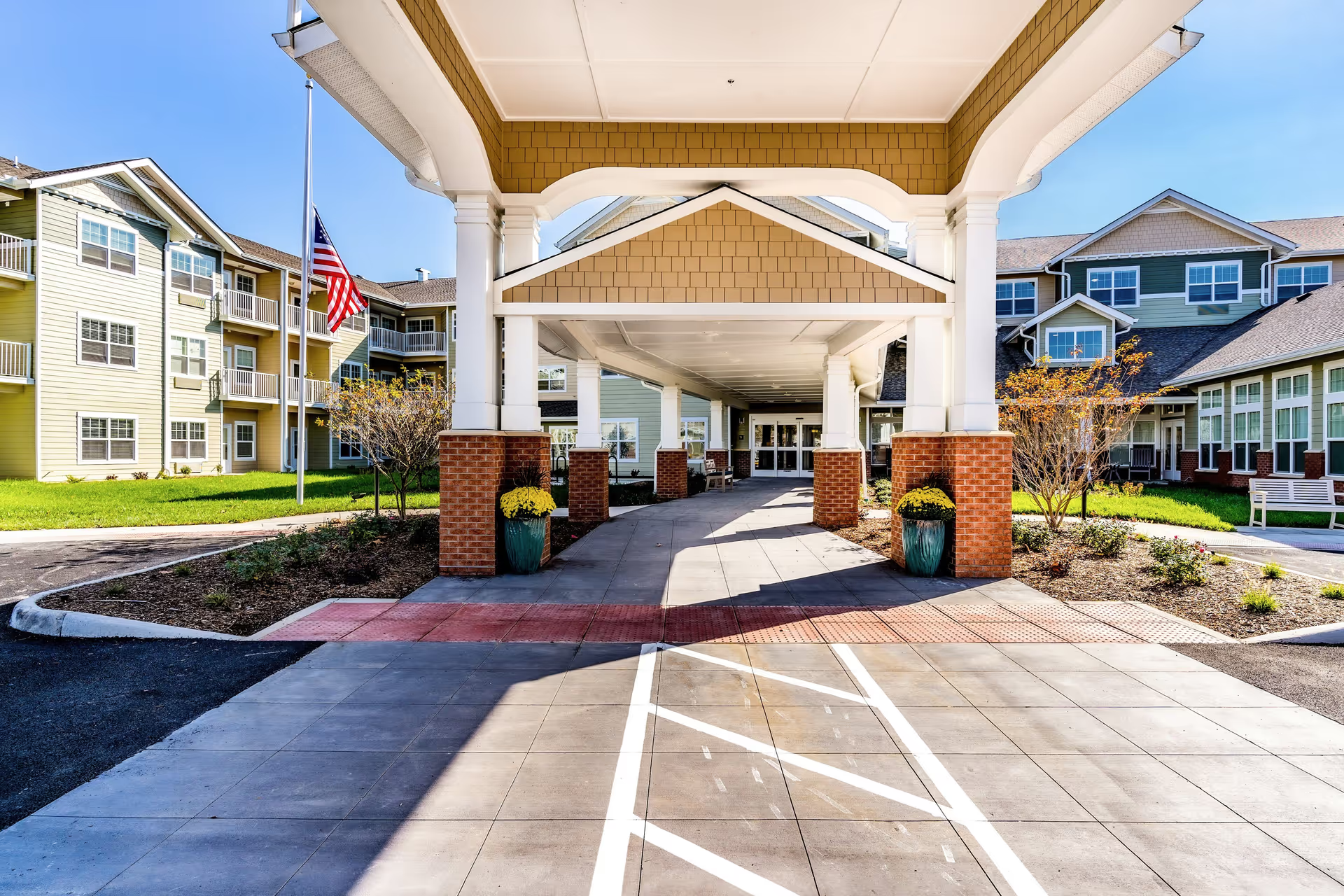
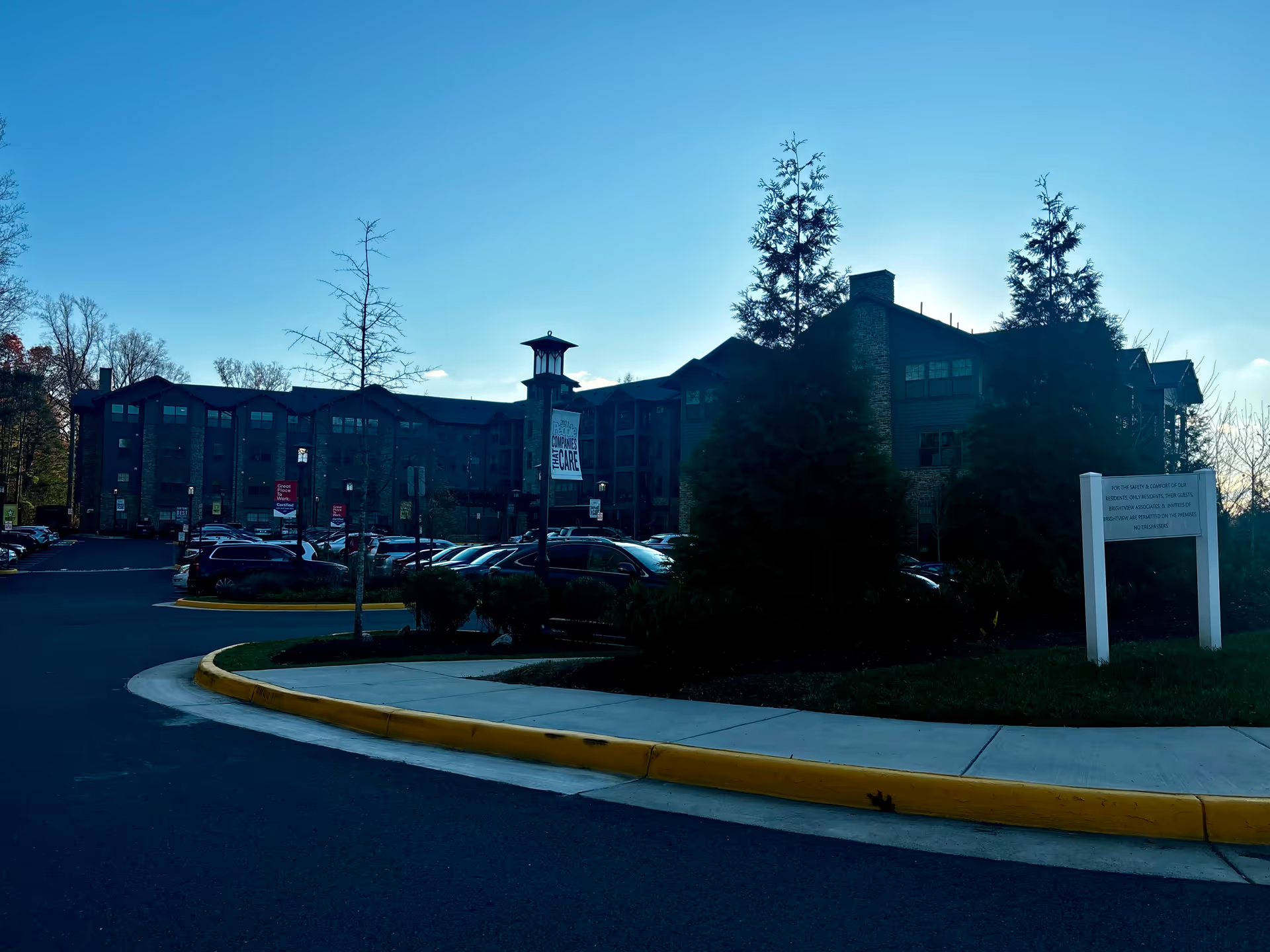
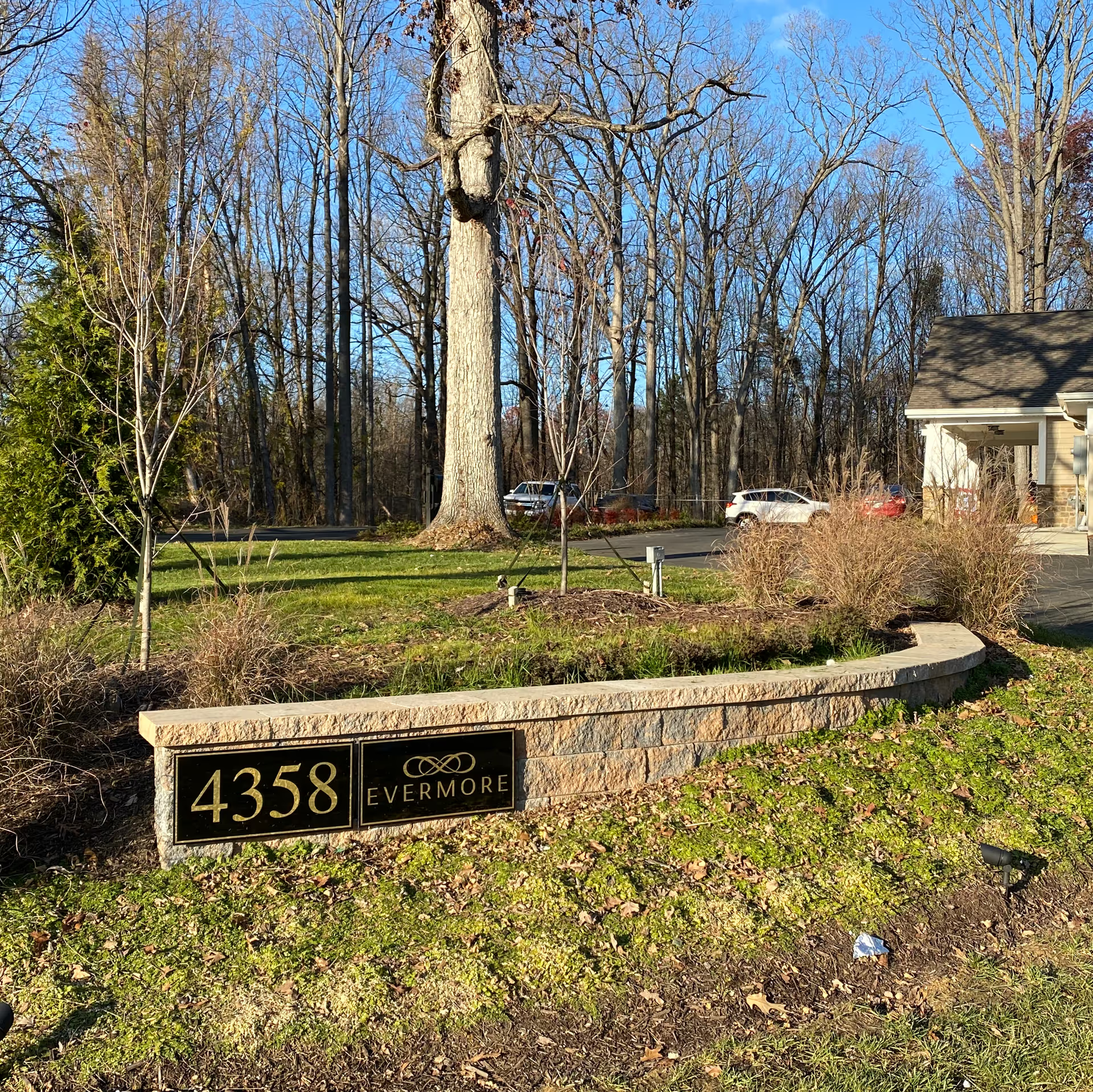
English Meadows Manassas presents a strongly mixed picture across reviewers. Many families and residents praise the facility's physical environment and value proposition: reviewers commonly cite a brand-new, modern building with a home-like, cozy atmosphere, private apartment-style rooms with ensuites, bright and family-friendly visiting spaces, and an accessible location. The community offers on-site rehab and physical therapy, a salon, rentable event space, and multiple social areas such as a movie room, game room, and dining areas, which reviewers found attractive for both residents and visitors.
Care and staffing received polarized assessments. Positive accounts describe friendly, attentive caregivers who know residents by name, respond promptly to needs, and provide compassionate daily care; these reviewers highlighted quick responses after falls, engaged staff morale, and management that listens and accommodates. Conversely, other families raised serious operational concerns, including inconsistent clinical oversight, medication-management gaps, and variable competence among nursing leadership. A subset of families raised allegations of severe care lapses and significant delays in attending to resident needs; these comments point to potential systemic issues rather than isolated scheduling problems.
Dining and daily life are often viewed favorably: the community advertises restaurant-style dining supervised by a chef, customizable meal choices, and staff who learn resident preferences. At the same time, some reviewers described inconsistencies in meal assistance and food preparation quality, as well as occasions when assistance during meals was inadequate. Activities programming is generally well regarded, with a range of social and recreational options (movie nights, bingo, games, and therapy-led programming) that support resident engagement.
Facility operations and management show a split pattern. Positive feedback notes cleanliness, timely housekeeping and laundry, accessible admission processes, and the availability of camera-monitoring access for families. Negative feedback centers on administrative follow-through, lapses in communication, and reliance on automated or impersonal messaging; some families described difficulties getting clear written responses to care emails and concerns about withheld communication. Staffing instability and turnover were repeatedly cited as an underlying factor that may contribute to variability in care and housekeeping consistency.
For prospective residents and families, the notable pattern is variability: many report a high-quality, affordable, and caring environment, while others describe significant care and communication failures that prompted removal of a loved one or escalation to external channels. Key areas to evaluate in person are nursing leadership and clinical protocols (including medication administration), staffing consistency on the unit where a prospective resident would live, meal-service practices and assistance, sanitation practices in rooms and common areas, and the facility's family-communication processes. Asking for recent staffing ratios, incident-response policies, and examples of how management resolved prior concerns may help clarify whether the positive experiences or the serious concerns best reflect current operations.