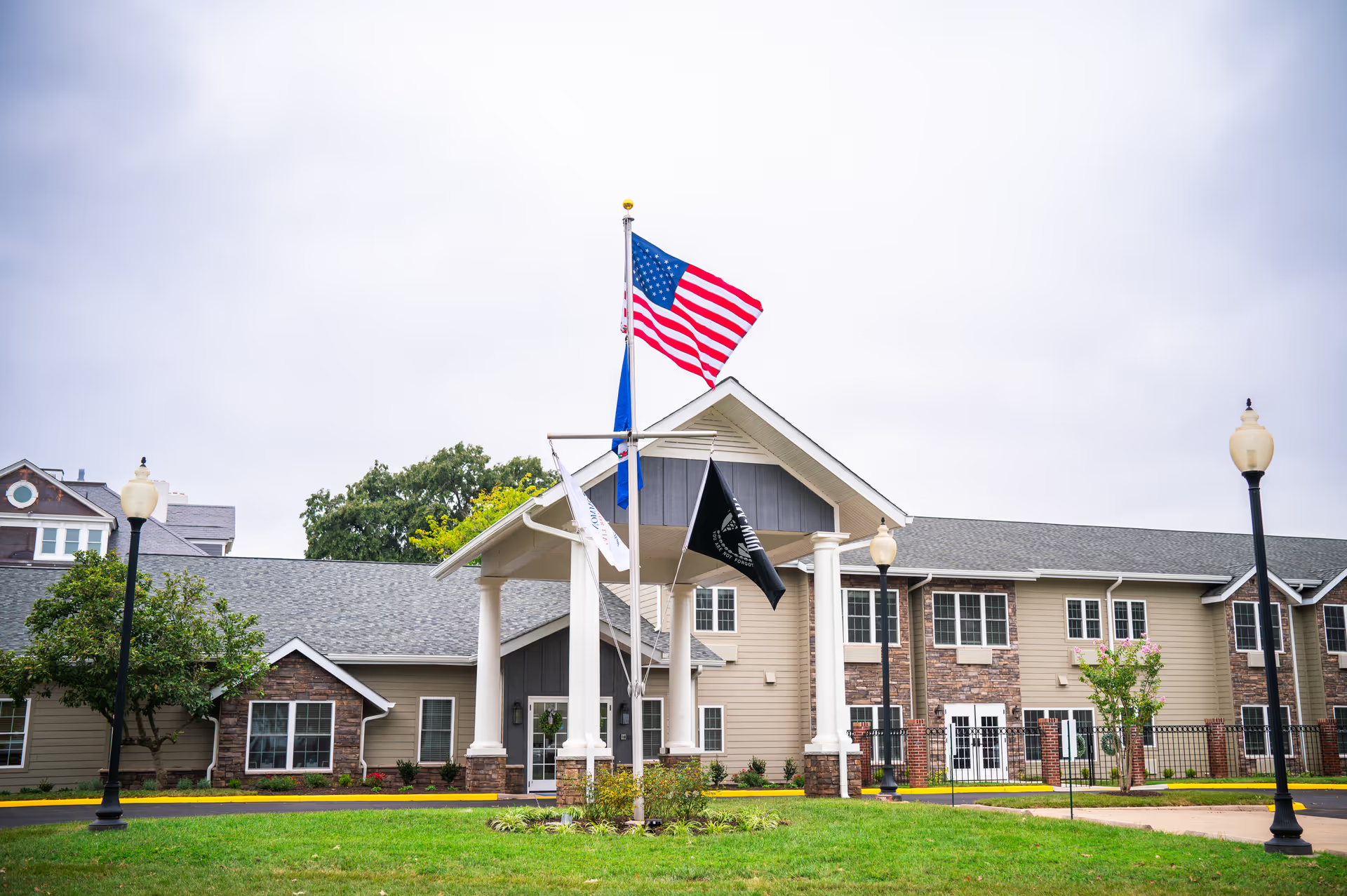
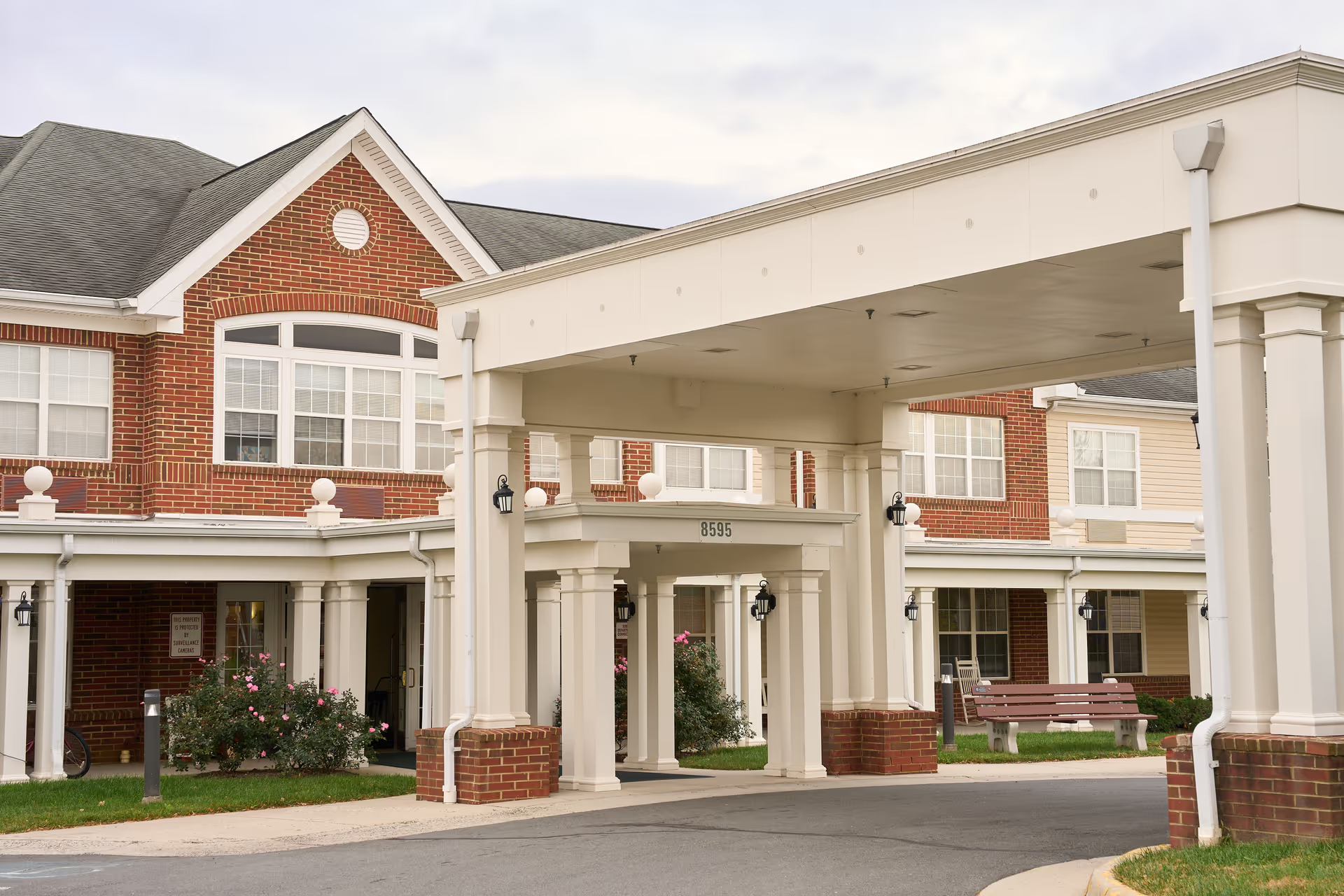
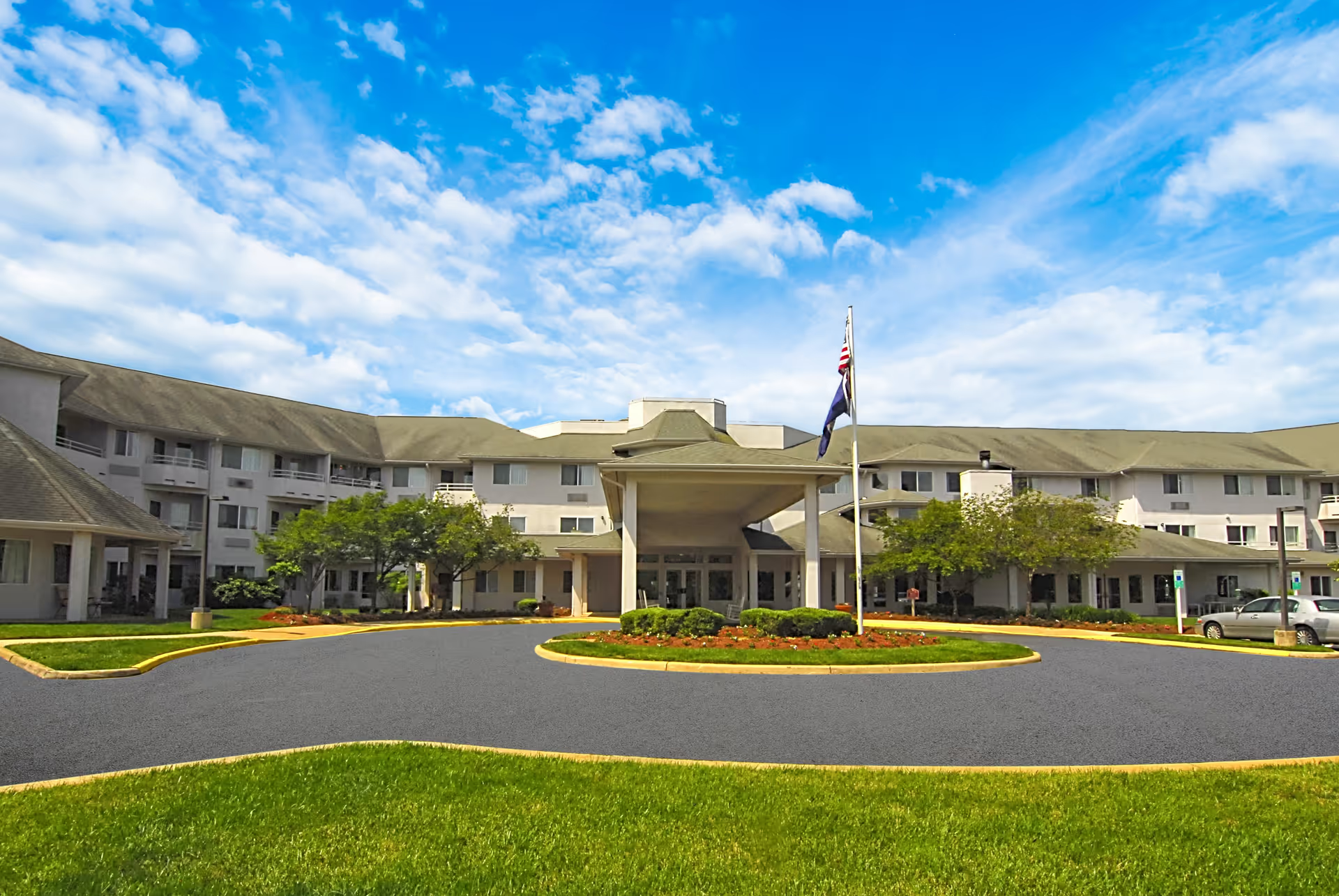
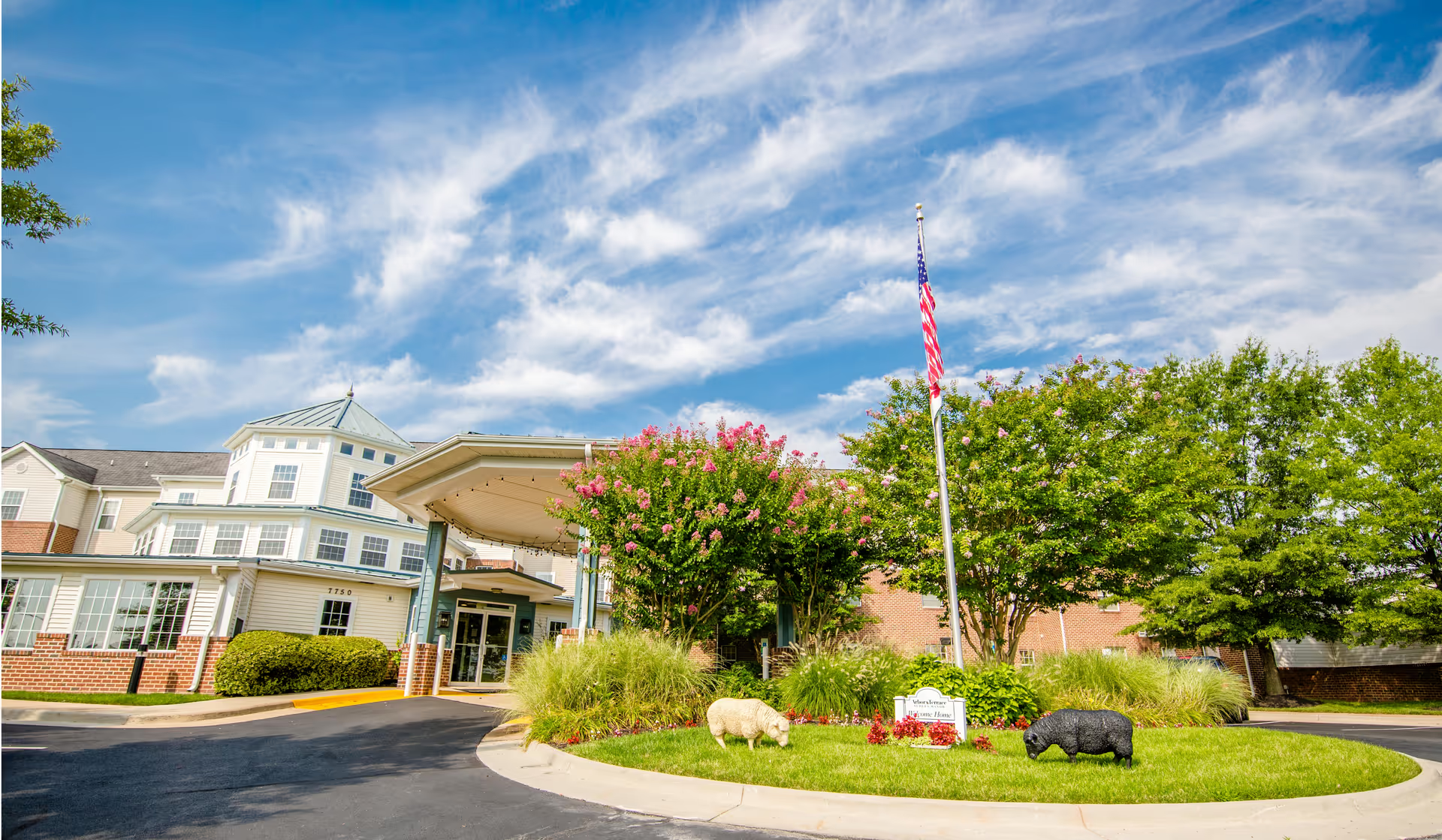
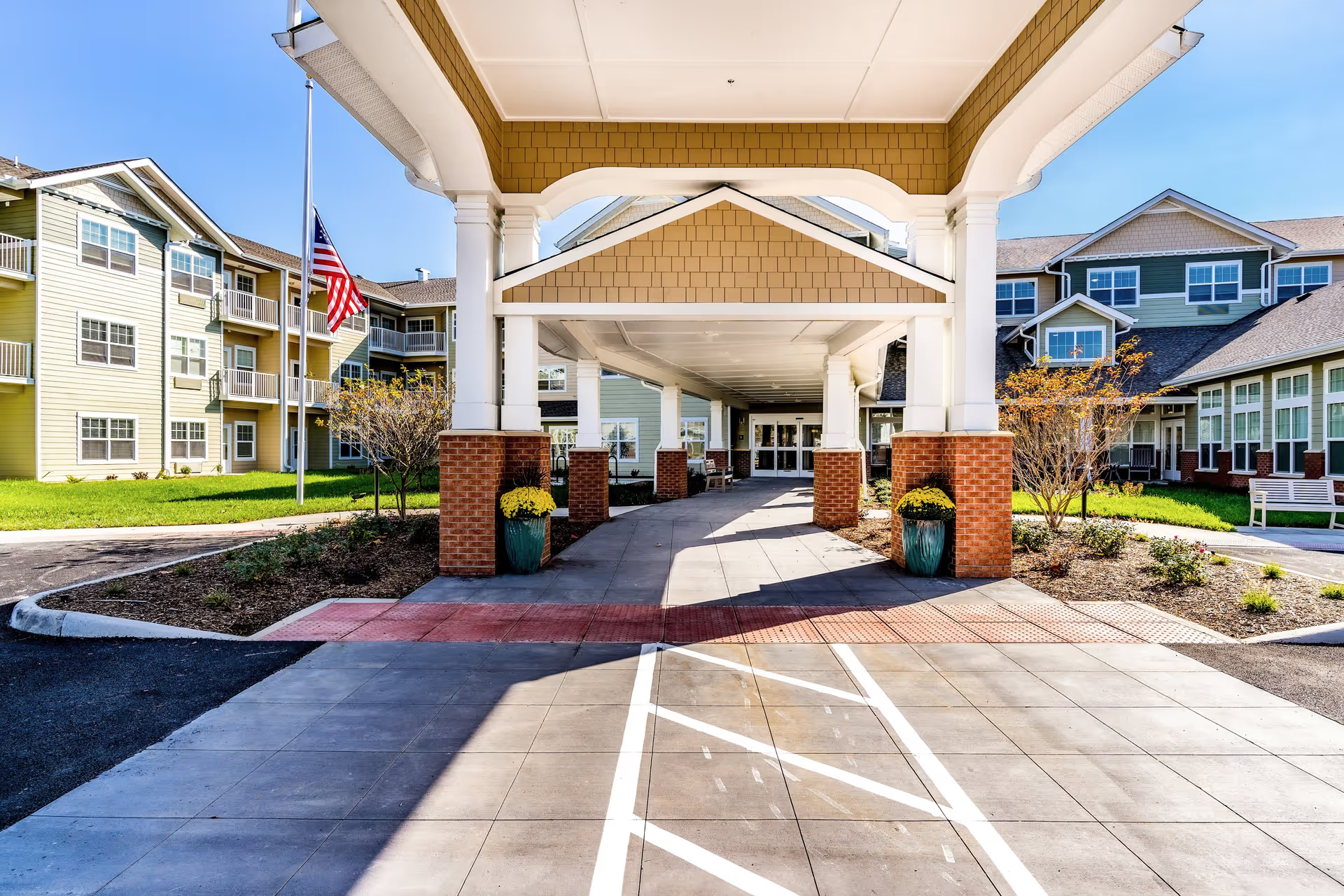
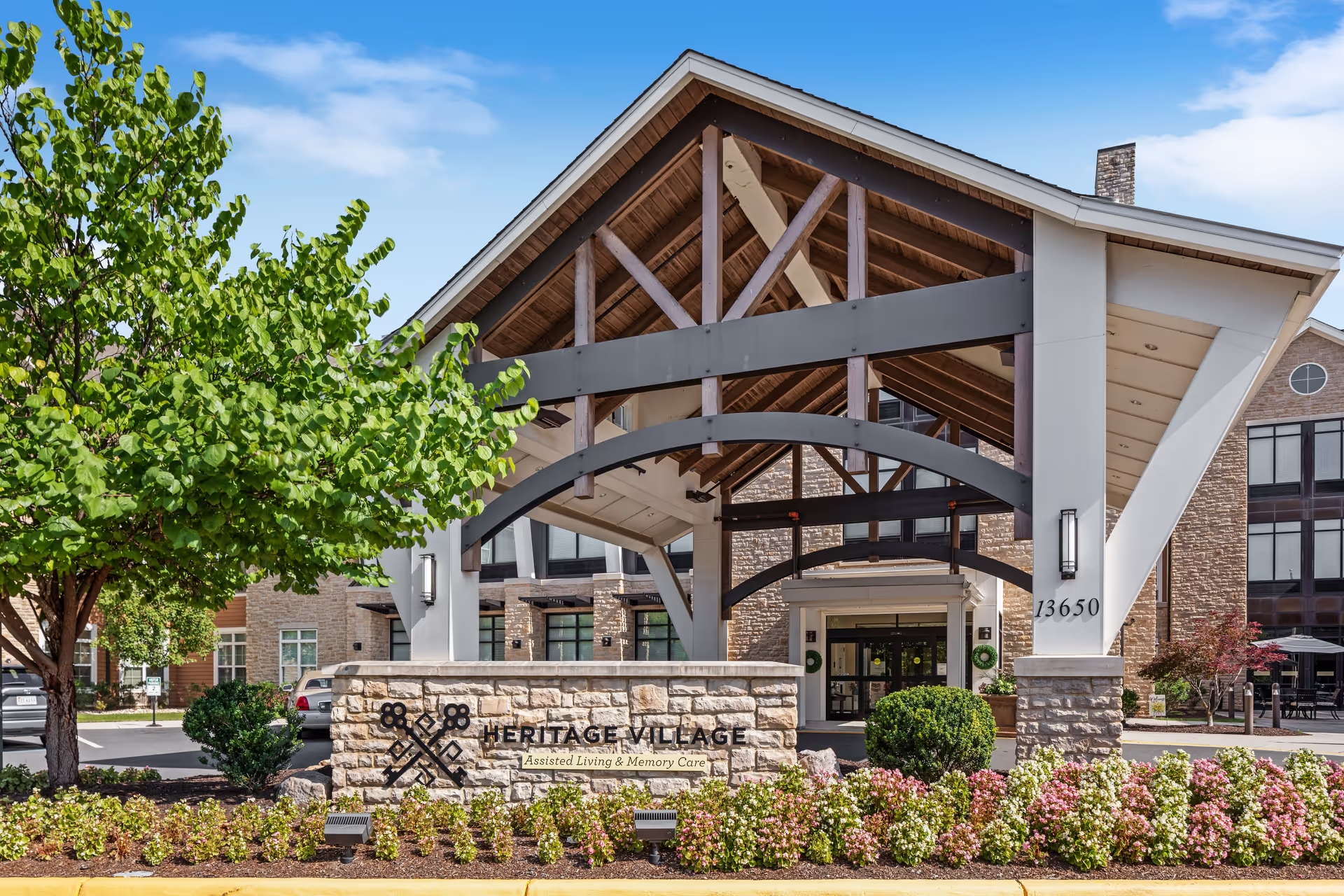
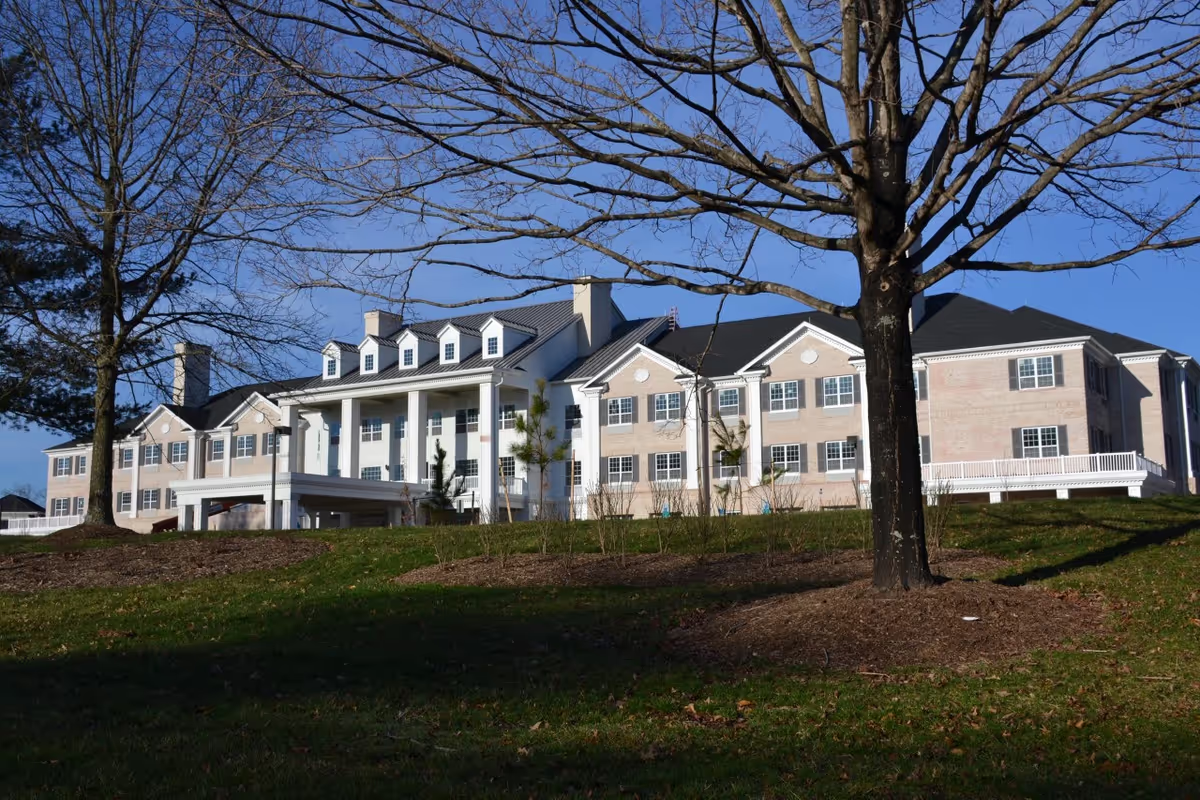
Lavender Hills Prince William presents a mixed picture: reviewers describe both improvements under new ownership and persistent operational weaknesses. Positive comments emphasize a peaceful, supportive living environment, friendly staff interactions, and a cleaner, more attractive interior compared with prior management. Several accounts praise recent leadership changes and note a visible commitment to facility upgrades and improved day-to-day management. Spanish-language professional staff and continuity of certain activities contribute to a sense of loyalty and gratitude among some residents and families.
Care quality is uneven. There are credible concerns about inconsistent responsiveness to resident needs, particularly regarding personal-care assistance such as bathing and timely attention. While some families express confidence in the caregiving team, others describe delays in attending to routine care tasks and communication-style issues during clinical interactions. These patterns suggest variability in staff training, supervision, or staffing levels that affect reliability of care.
Dining and nutrition are recurring negative themes. Multiple accounts characterize the food as poor in quality and not meeting expected nutritional or palatability standards. This appears to be an operational issue tied to meal planning and kitchen oversight rather than isolated incidents. Attention to menu quality, dietary variety, and meal service consistency would address one of the most prominent areas of dissatisfaction.
Cleanliness and facility maintenance show improvement in public areas but remain a concern at the room level and in waste management practices. Reviewers reference sanitation concerns and occasional odor concerns, as well as consistently full trash receptacles in some areas. These issues point to gaps in housekeeping routines and environmental services that should be addressed to match the better condition observed in common spaces.
Activities and social environment receive generally positive remarks; craft activities and a tranquil atmosphere are highlighted, and some residents describe feeling blessed or enjoying their time. However, there is also a perception of limited neighborliness in some cases, which may reflect uneven community engagement or differing resident expectations.
Management and communication have been focal points of both criticism and praise. Historically, administration was described as unapproachable, with instances of callers being disconnected or blocked from reaching leadership. Since the change in ownership, several comments indicate improved accessibility and a more hands-on administrator. Nonetheless, gaps remain in family communication channels and consistent responsiveness, particularly during infection-control episodes such as COVID-related visitation restrictions.
Notable patterns: reviews cluster into two themes — a set reflecting historical problems under previous management (cleanliness, food quality, poor administration) and a set indicating recent, tangible improvements under new leadership. Persistent operational issues—staffing reliability, dining quality, room-level sanitation, and family communication—remain priorities for remediation. Prospective residents and families should weigh recent positive changes against lingering service gaps and inquire specifically about current staffing levels, housekeeping protocols, meal plans, and established channels for family communication before making placement decisions.