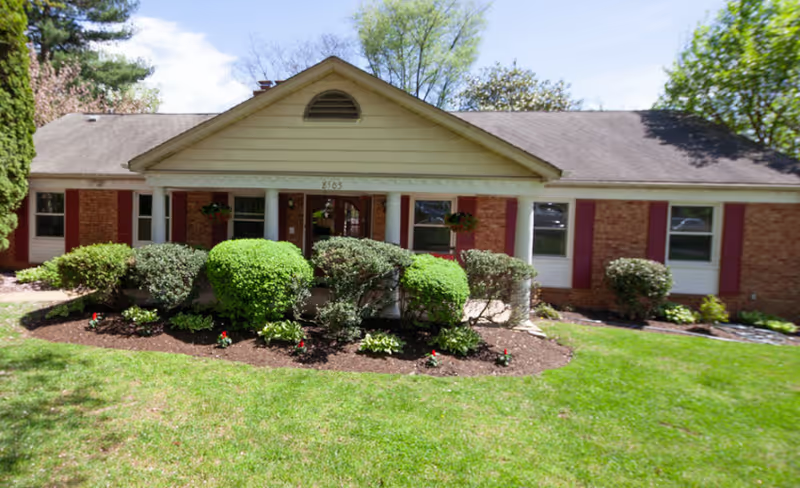
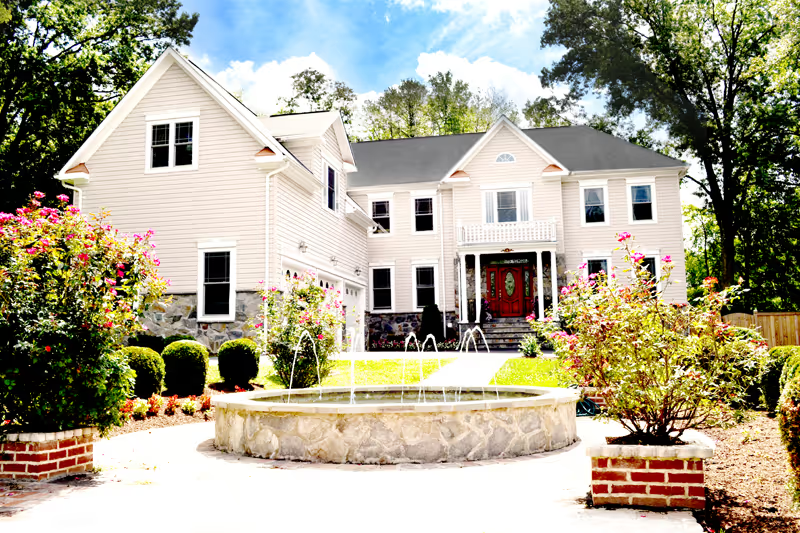
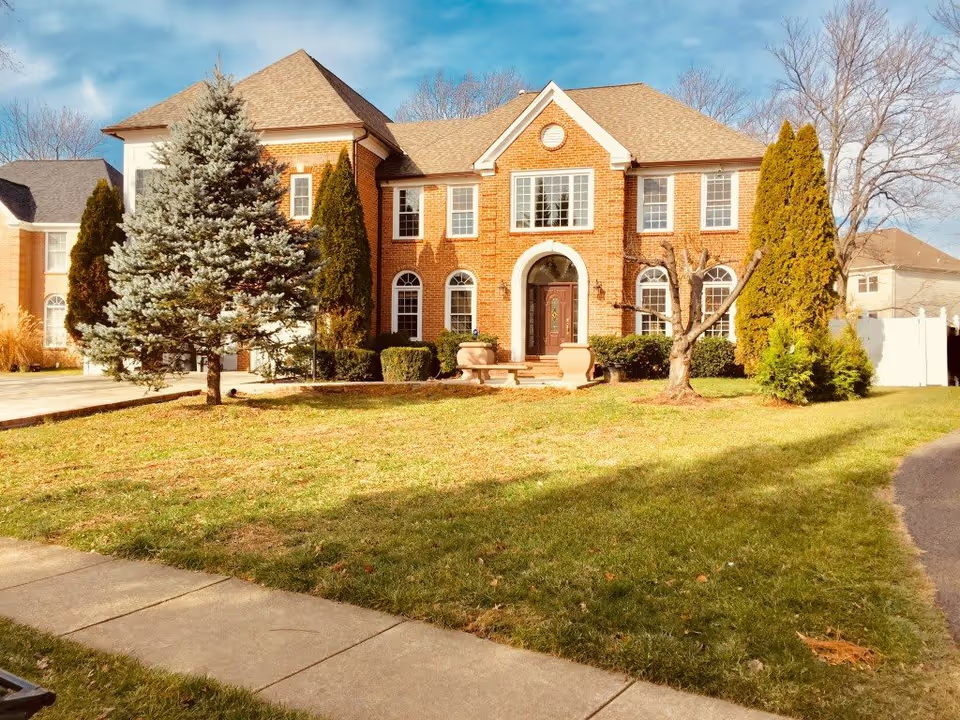
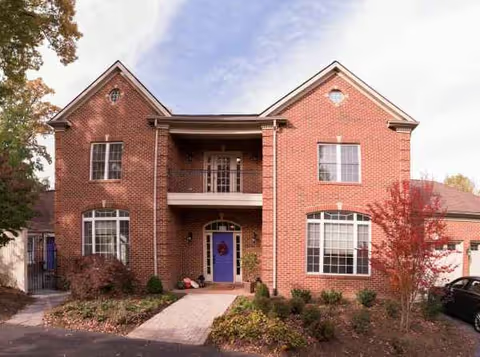
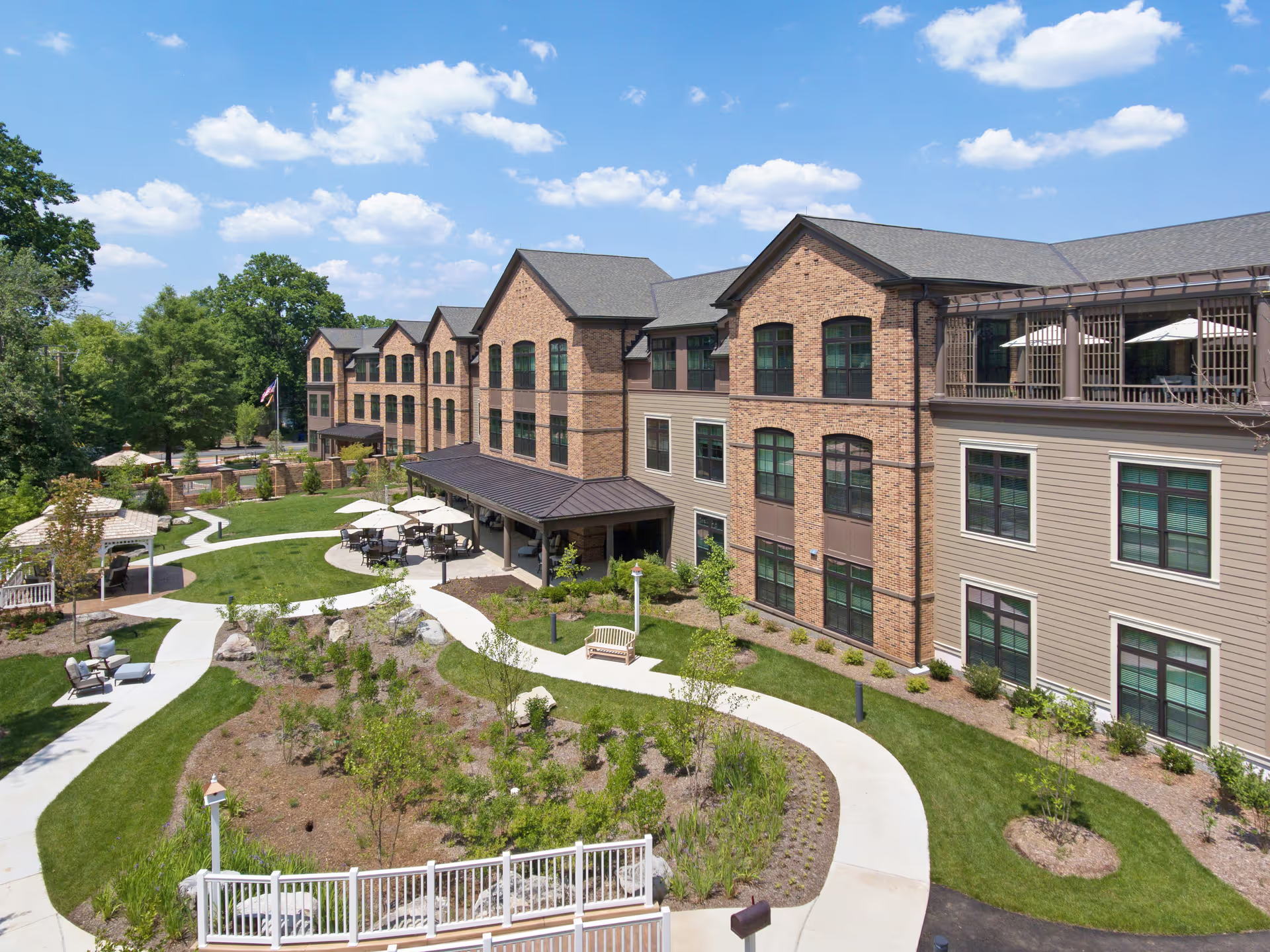
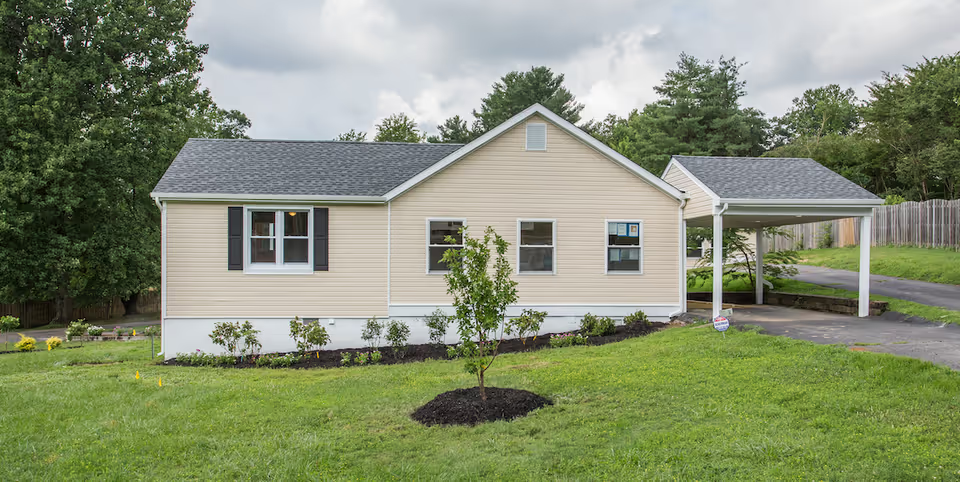
Larmax Homes is presented consistently as a small-home senior living option emphasizing a residential, eight-resident household model. The physical environment is described as bright, airy, and thoughtfully furnished, with individual rooms located close to dining and communal areas. Grounds and gardens are maintained, and shared common rooms and kitchens are available across the homes, contributing to a home-like atmosphere and opportunities for incidental socialization.
Care and staffing are among the facility's strongest attributes in these summaries. Families describe personalized, one-on-one attention and attentive, respectful staff who provide frequent updates, including photos, and who typically respond quickly to calls and emails. Staffing patterns in normal operations are described as sufficient for daily life and activities, and caregivers are characterized as compassionate and engaged. At the same time, reviewers indicate patterns that bear scrutiny: there are indications of high staff turnover and intermittent gaps in clinical coverage, including vacant nursing roles at times. Experiences with end-of-life and hospice coordination are described as mixed, suggesting variability in the facility's ability to manage complex clinical transitions.
Dining and programming receive strong positive attention. Meals are prepared by professional chefs and characterized as nutritious and appealing. A broad activities program includes arts and music rooms, gardening, cooking, clubs, sing-alongs, parties, outside presenters, and regular cultural or restaurant outings. The presence of recreational specialists, therapy animals (including equine therapy), and pet-friendly policies supports a varied social and therapeutic schedule tailored to residents' interests and abilities.
The facility's operational and contractual features are areas for careful review. Summaries note relatively high monthly fees and a contract structure that includes a 30-day notice requirement with associated rent charges. Communication-process gaps and occasional administrative responsiveness issues are described; these operational traits can affect family experience during transitions or when clinical needs change. Given the small-home model, the overall quality of care appears tied to staff stability and clinical oversight, so variability in those areas can lead to mixed experiences.
For prospective residents and families, Larmax Homes appears to be a strong fit for those seeking a residential, small-group environment with active programming, chef-prepared meals, and animal-assisted therapies. Before committing, families should ask specific questions about current nurse coverage and clinical oversight, staff turnover and retention strategies, how the home coordinates hospice and end-of-life care, and the exact terms of the residency contract (including notice and billing policies). Clarifying these operational points will help align expectations with the small-home strengths documented in these summaries.