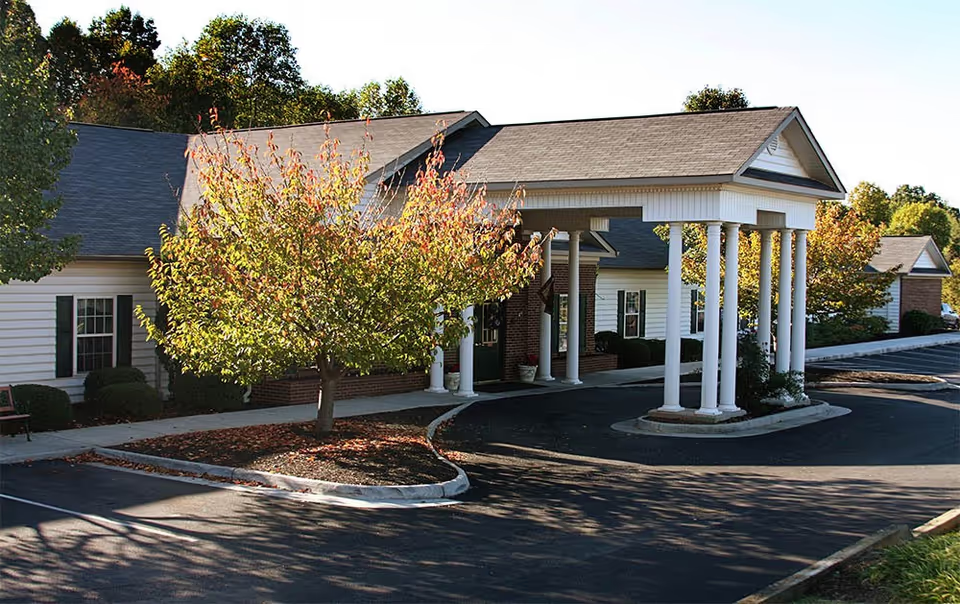
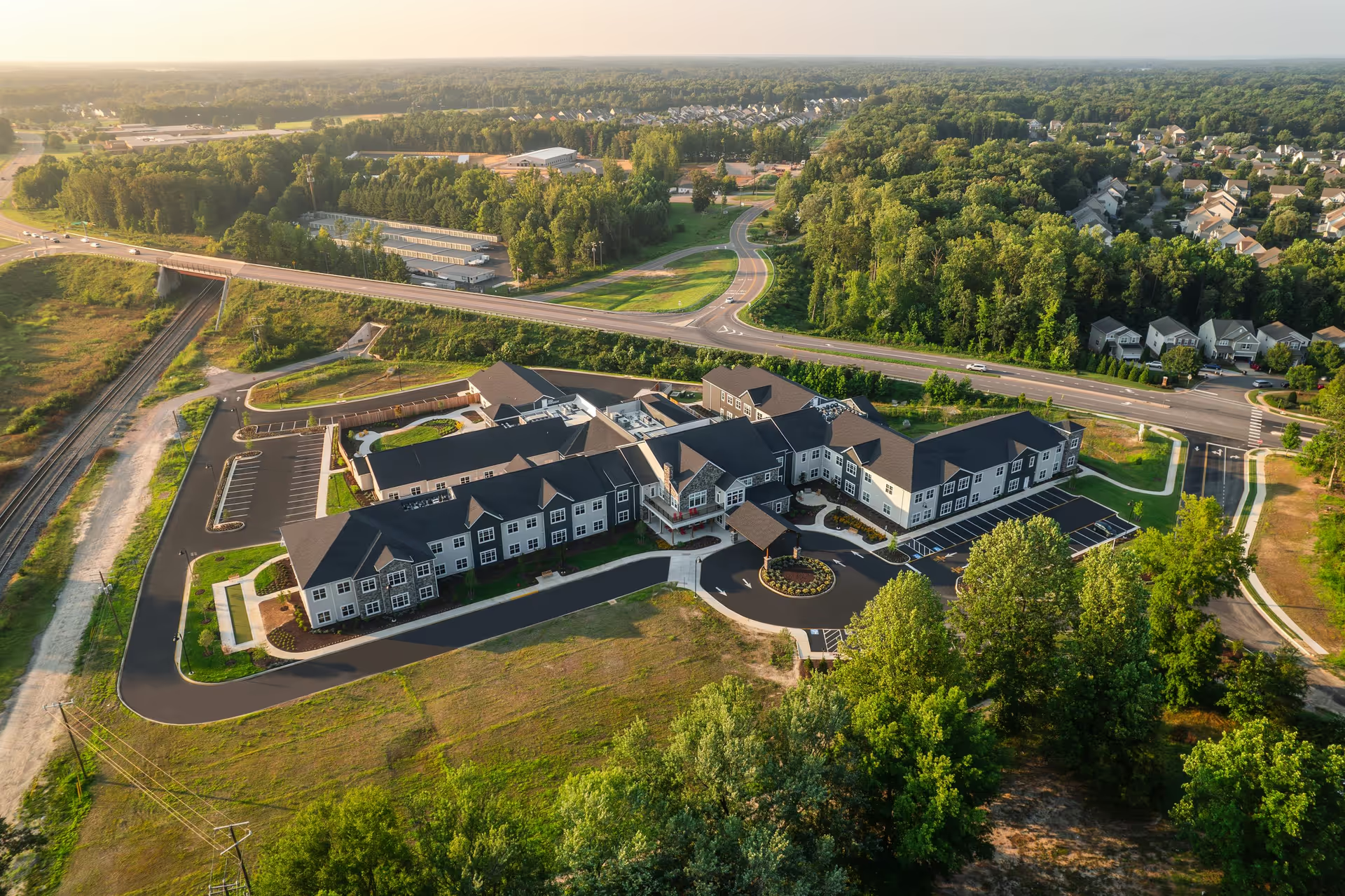
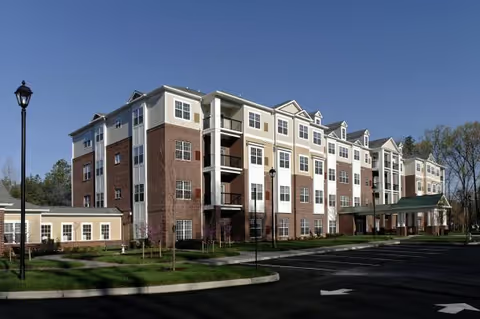
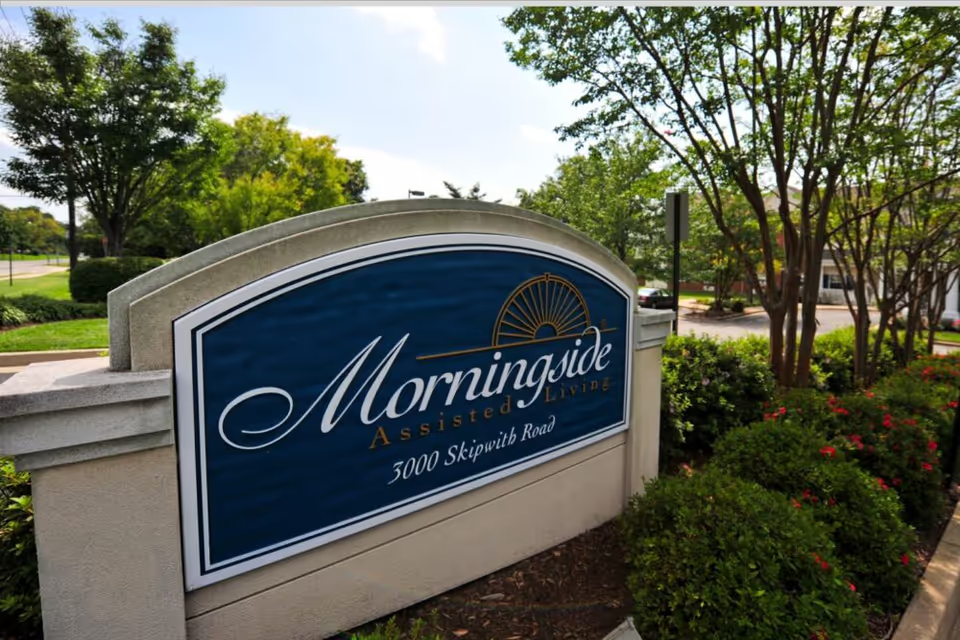
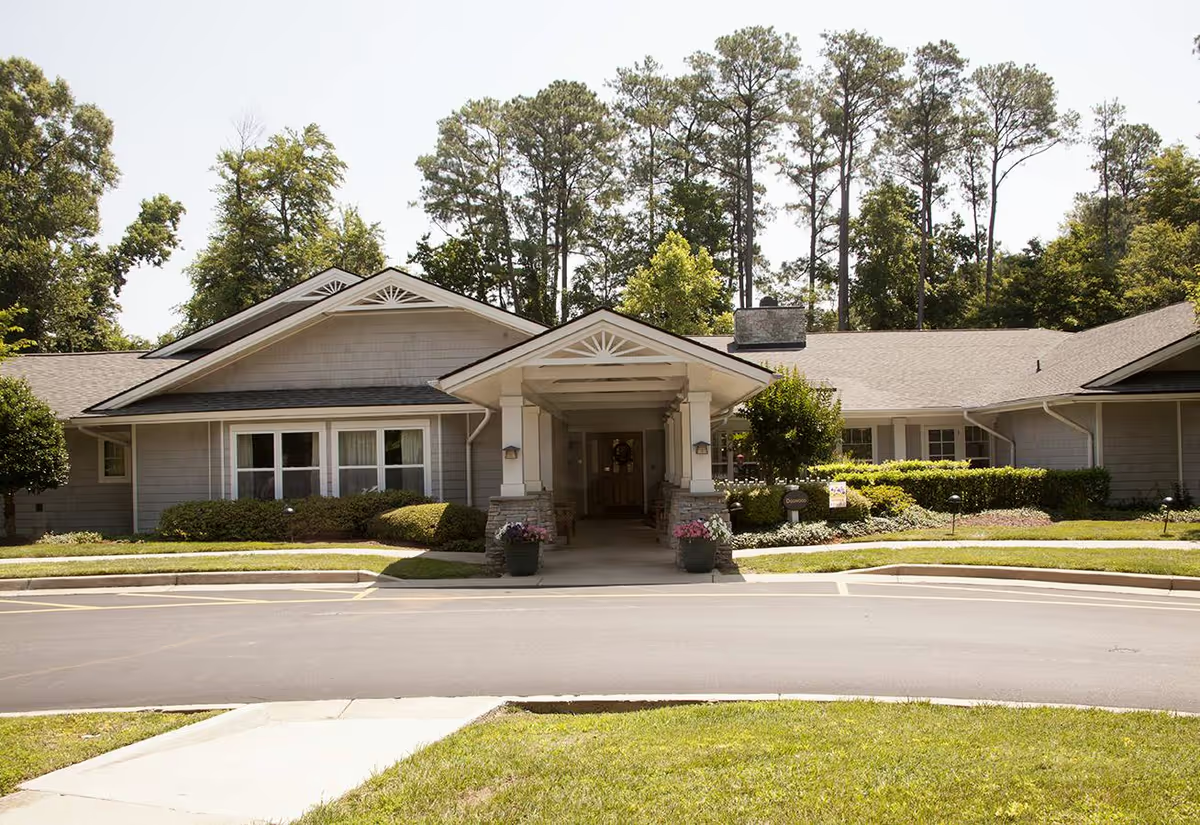
The Harmony Collection at Hanover presents a strong physical product and hospitality-oriented experience in assisted living. Many reviewers described modern, bright apartments with kitchenettes and higher-end finishes, attractive common areas, well-groomed grounds, and a hotel-like presentation. The community offers a broad slate of amenities — restaurant-style dining with a chef, private dining for families, multiple fitness resources and onsite therapy, a movie theater and woodworking shop, and frequent social programming and outings. Its location near a hospital and availability of on-site clinician visits are frequently cited advantages.
Experiences with care and staff are mixed. Daytime caregiving staff and CNAs are often described as warm, attentive, and effective; several accounts note positive hands-on nursing support that improved medication management and reduced prescribed medications. However, reviews also point to persistent staffing challenges: high turnover, shortages on night and off shifts, and inconsistency in staffing levels across floors. These operational gaps have been associated with delayed personal care, delayed medication administration, and variability in service reliability. Memory-care residents, in particular, are described as having less consistent engagement and programming than assisted-living residents, and families identified a need for stronger, more structured cognitive activities in the secured unit.
Dining and activities are generally a selling point but show variability in execution. Many reviewers praised the variety and accommodations in the dining program; others described declines in food quality or meals served late or cold. Activities and outings are plentiful in assisted living and contribute to residents’ socialization, but activity staffing and program continuity appear uneven, especially within the memory-care wing where some families observed limited engagement.
Administrative and operational themes recur across reviews. Families frequently praised tour and move-in staff for professionalism and helpfulness, but the business office and administrative leadership drew criticism for slow response times, billing or record-keeping problems, and a perceived emphasis on financial policy over family concerns. Communication gaps between families and management, inconsistent follow-through on concerns, and occasional privacy/information-sharing lapses were also noted. In addition, reviewers raised safety and security process questions such as door-code and camera coverage practices, and housekeeping/laundry inconsistencies were cited at times.
For prospective residents and families: the community’s physical environment and amenity set are strong, and many residents thrive there when daytime staffing and programming are intact. At the same time, recurring operational issues — staffing stability, after-hours clinical responsiveness, memory-care programming consistency, business-office communication, and meal-service reliability — are important to evaluate in person. When touring, consider visiting at different times of day (including evenings and weekends), asking for current staffing ratios and turnover metrics, reviewing memory-care activity schedules, clarifying medication-administration and after-hours clinical procedures, and requesting recent references from families whose relatives are in both assisted living and memory care.