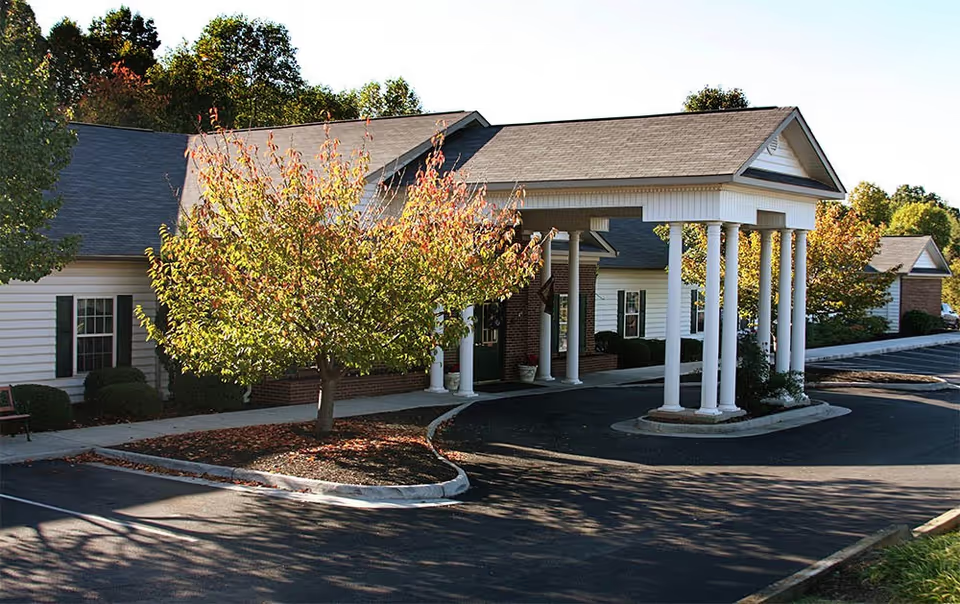
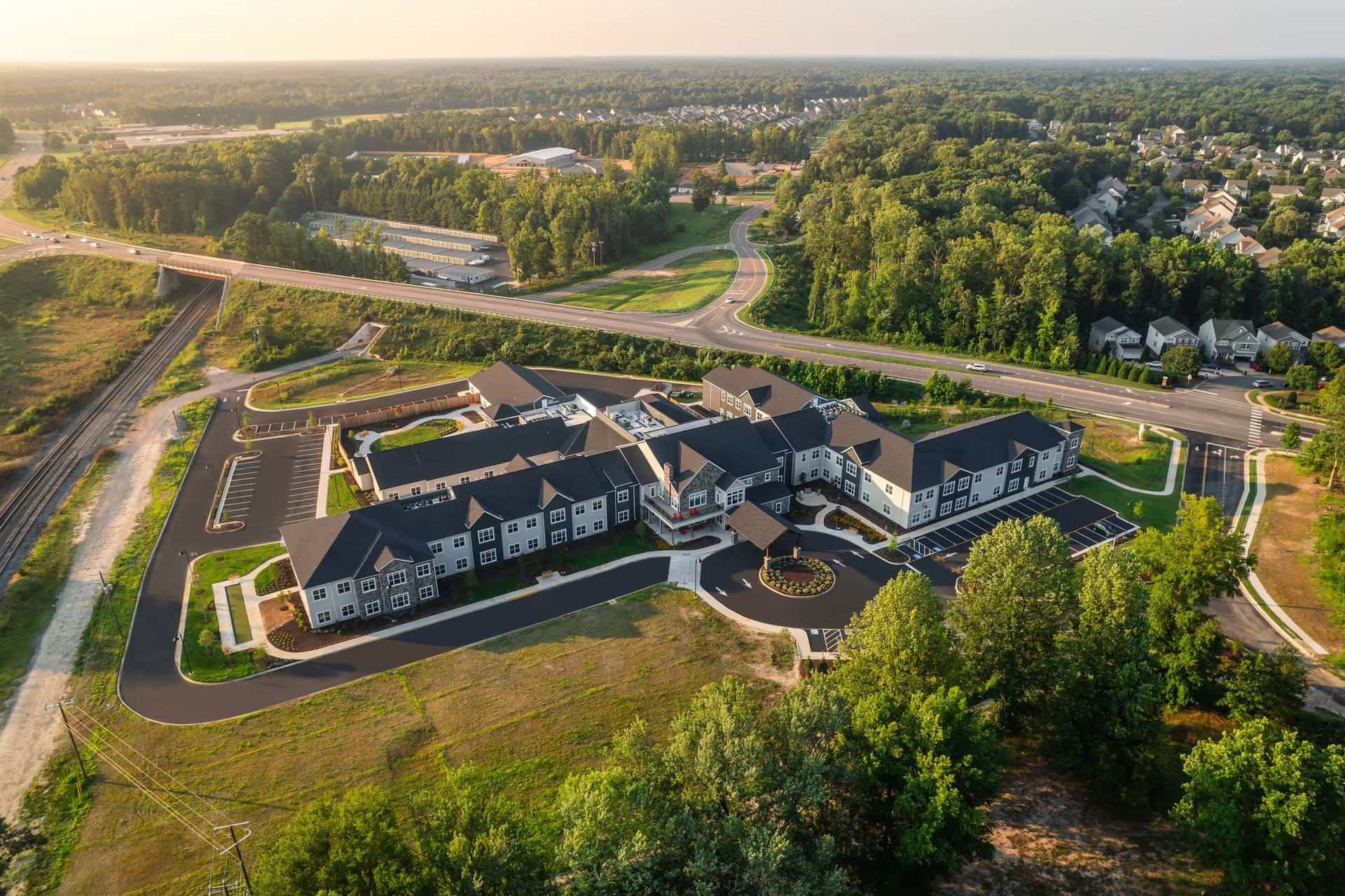
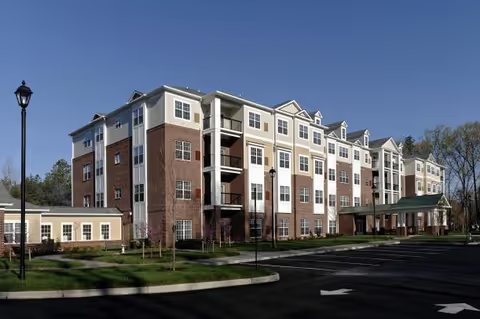
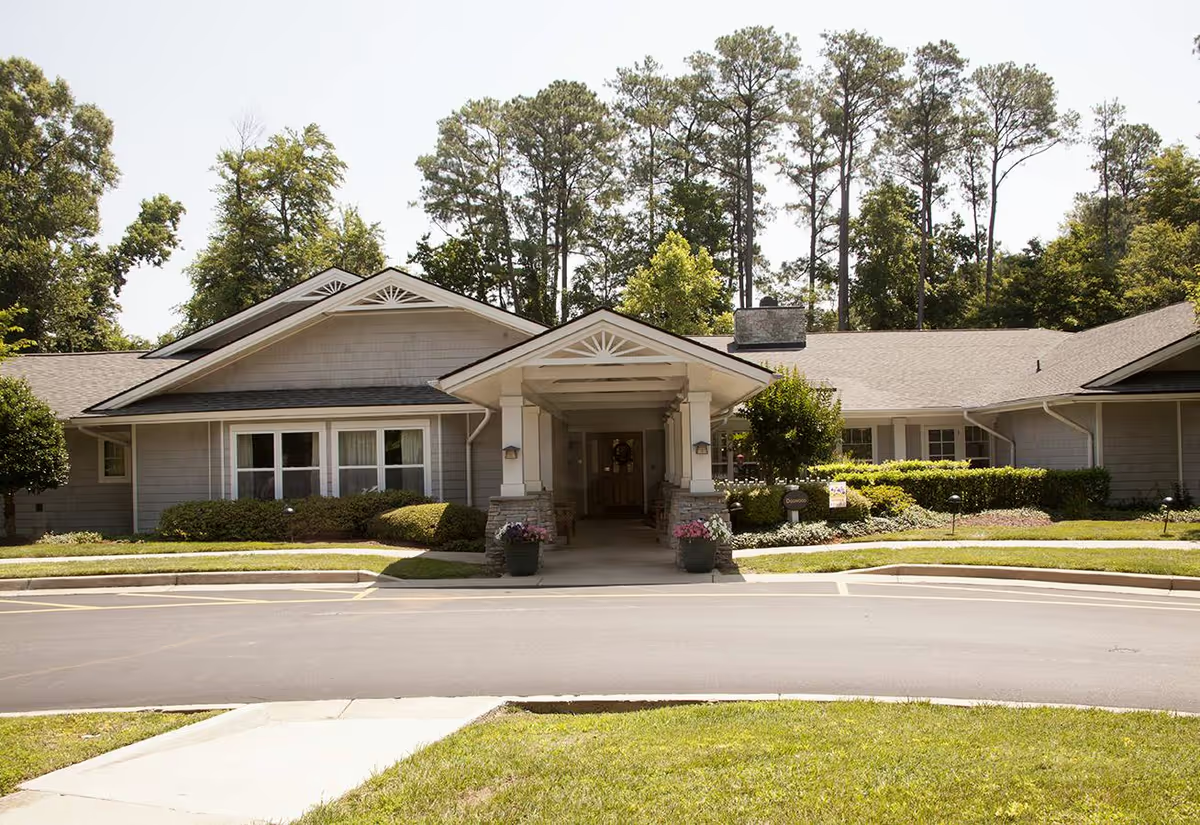
The Harmony Collection at Hanover presents as a recently opened, modern senior living community with many physical attributes that families find attractive: spacious apartments, contemporary finishes, an outdoor courtyard, on‑site salon and pub, and accessible therapy services. Residents and families commonly praise the facility’s amenities, social programming, transportation options, and the overall appearance and comfort of units. Several accounts highlight strong clinical contributors such as a well‑regarded Director of Nursing and capable physical therapy staff, and other families describe a safe, home‑like atmosphere that avoids an institutional feel.
Care quality and staffing emerge as mixed but central themes. Positive reports describe attentive nursing leadership, reliable medication administration in many cases, and in‑house therapy availability. Contrasting accounts document high staff turnover, periods of understaffing, and lapses in responsiveness; these operational issues have affected timeliness of assistance and the consistency of housekeeping and personal care. Families should expect variability in day‑to‑day staffing levels and to ask specific questions about current staff ratios, turnover, and contingency plans for coverage.
Dining and nutrition are similarly variable. Several reviewers compliment the chef and describe enjoyable meals and holiday guest dining, while others report inconsistent food quality, long service lines at events, and limited accommodations for special diets (for example, gluten‑free options). During staffing shortages the dining model has sometimes shifted toward buffet or pre‑packaged service, which has contributed to perceptions of inconsistent meal experience. Prospective residents with strict dietary needs should clarify menu accommodations and meal‑service protocols.
The activities program is a clear strength when fully staffed: reviewers note an extensive calendar that includes games, music, religion‑based groups, walking clubs, regular outings, and special events. However, multiple accounts indicate that scheduled activities are occasionally cancelled or scaled back, reflecting staffing and operational variability. Families who prioritize an active social life should verify current programming frequency and attendance practices.
Facility management and administrative processes show both responsiveness and gaps. Several families describe management that solicits input and implements changes, and some move‑in experiences included helpful incentives and clear orientation. At the same time, recurring issues include billing and contract communication problems, unexpected fee or rent adjustments, delayed follow‑up after promised prorations, and periodic changes in leadership. There are also isolated but serious communication breakdowns cited around clinical incidents; prospective families should ask about family‑notification protocols and escalation procedures.
In summary, Harmony Collection at Hanover offers many of the physical comforts and programmatic elements expected in a newer senior living community, and it has demonstrated strong components of clinical and social programming under favorable staffing conditions. The notable patterns to weigh are operational variability tied to staffing and leadership turnover, occasional inconsistencies in housekeeping and dining, and administrative/billing transparency issues. Prospective residents and families will benefit from inquiring about current staffing metrics, dietary accommodations, activity reliability, guest/event logistics, and written billing/contract terms prior to committing, and from arranging multiple visits at different times of day to observe routine operations.