Overall impression: The reviews portray Spring Arbor Cottage of Salisbury as a community with consistently strong interpersonal care and an active daily life. Families emphasize that staff are caring, attentive, and communicative; several summaries highlight routine updates to families, individualized attention for residents with varying capabilities, and responsiveness when feedback is provided. The facility's memory-care services receive favorable mention, and many families state they would recommend the community.
Care and staff: Care quality is described favorably in terms of staff approach and family communication. Caregivers, med-techs, and activities coordinators are frequently characterized as respectful and engaged; reviewers note staff sensitivity to residents' cognitive and functional differences. The presence of an on-site physician and pharmacy is cited as a clinical strength, and therapy services (occupational and physical therapy) are available on-site. Leadership continuity — including a long-tenured executive director — and an emphasis on community culture are also recurring themes. Reviewers report that management implements changes in response to feedback and maintains transparent communication with families.
Dining and activities: The activity schedule is a prominent strength: daily activities, musical entertainment, movie nights, and field trips are consistently mentioned, and activity coordinators are active and visible. Dining is described as restaurant-style and, for many, satisfactory; however, there is a notable pattern of concern about meal variety and taste for some residents. Relatedly, reviewers point to limited tracking or personalization of individual meal preferences, which suggests an operational gap in dietary personalization.
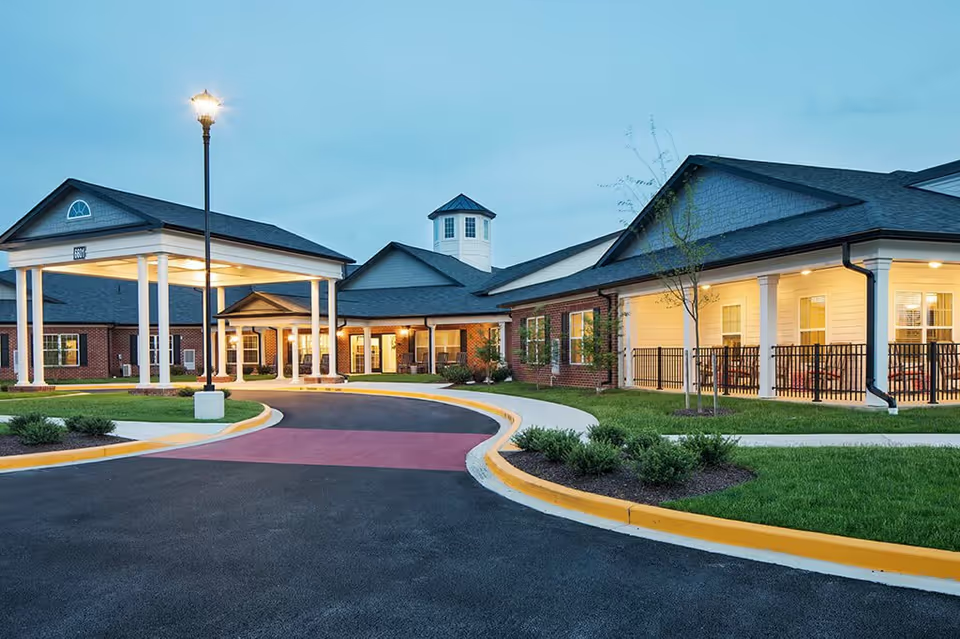
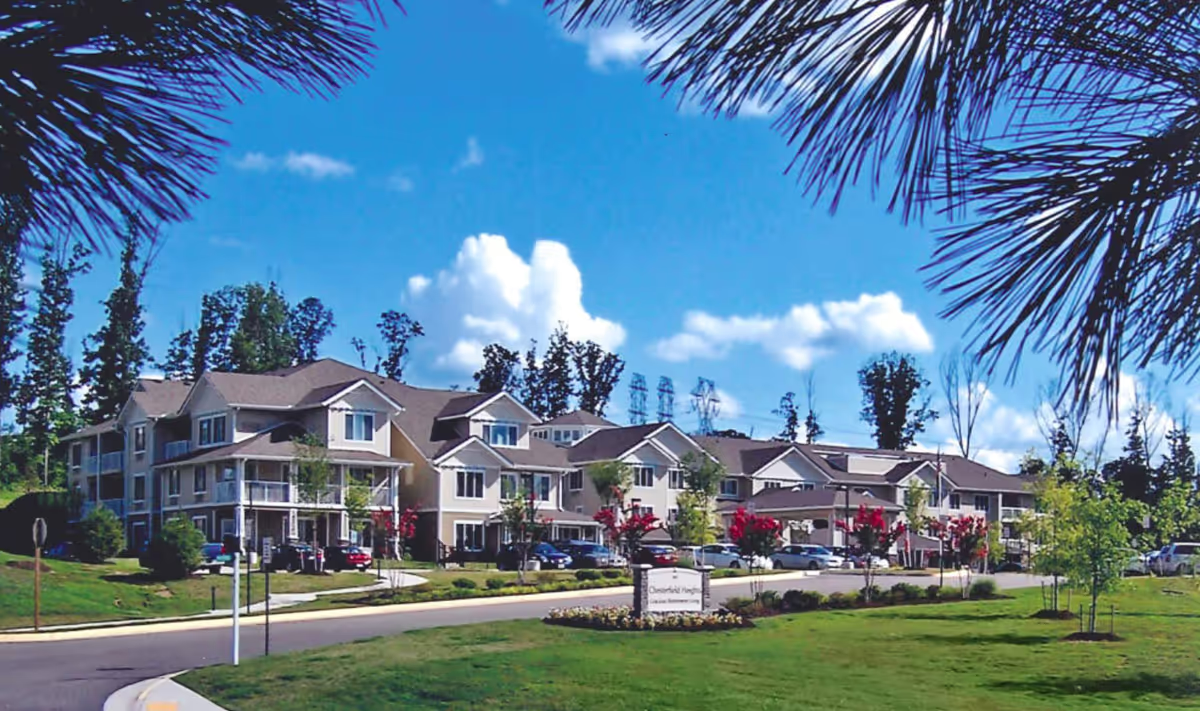
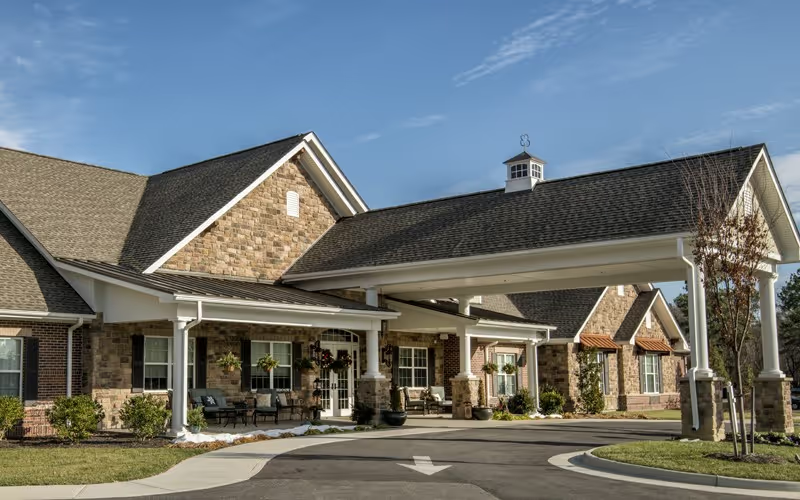
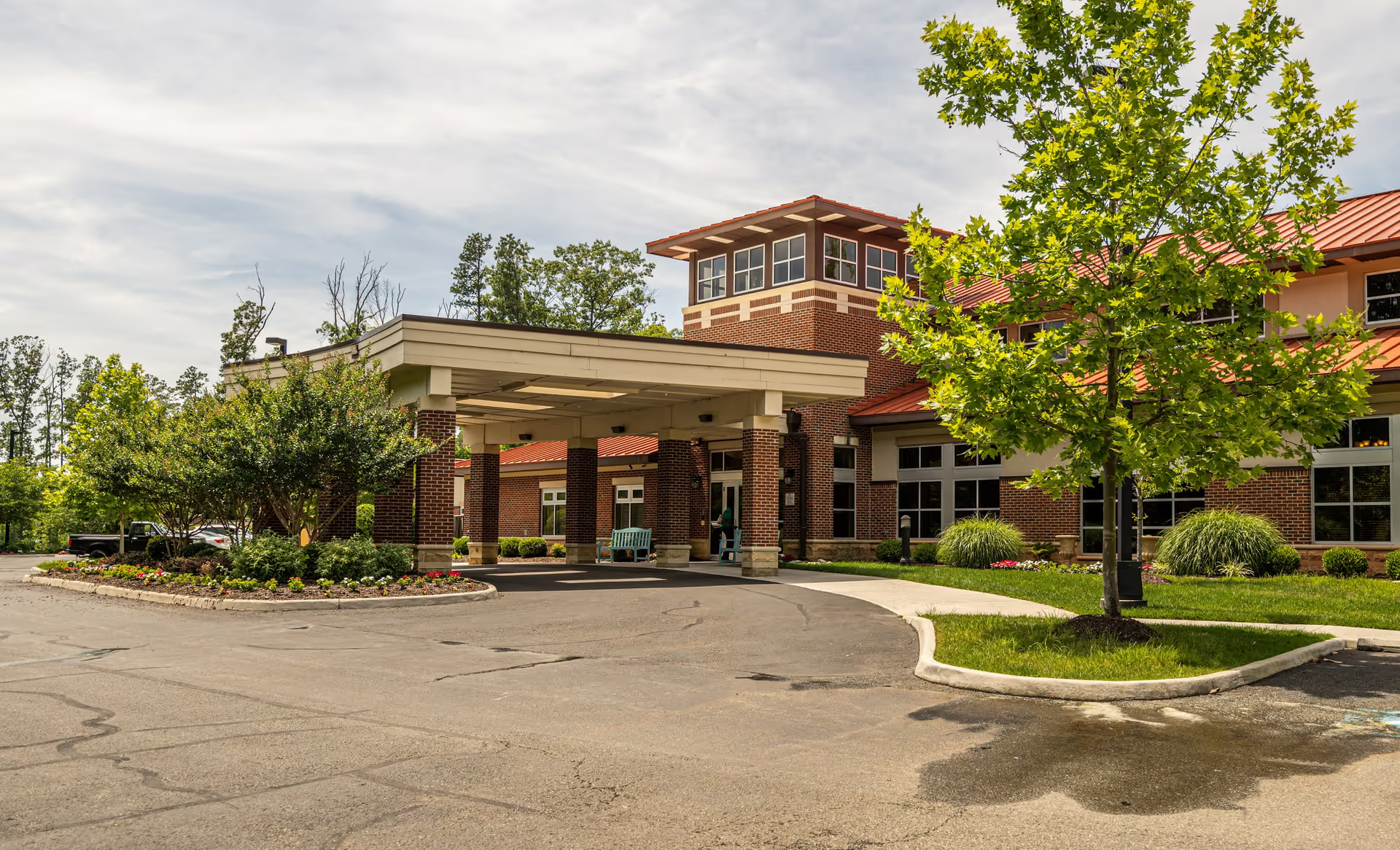
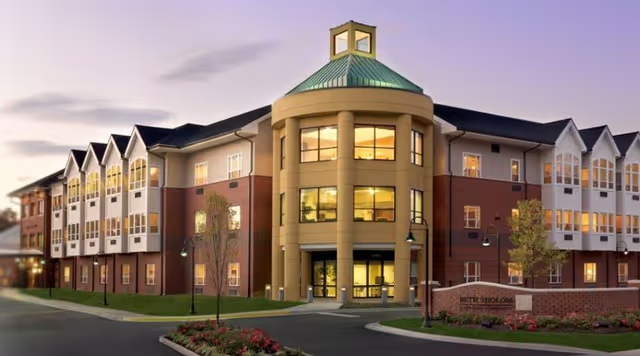
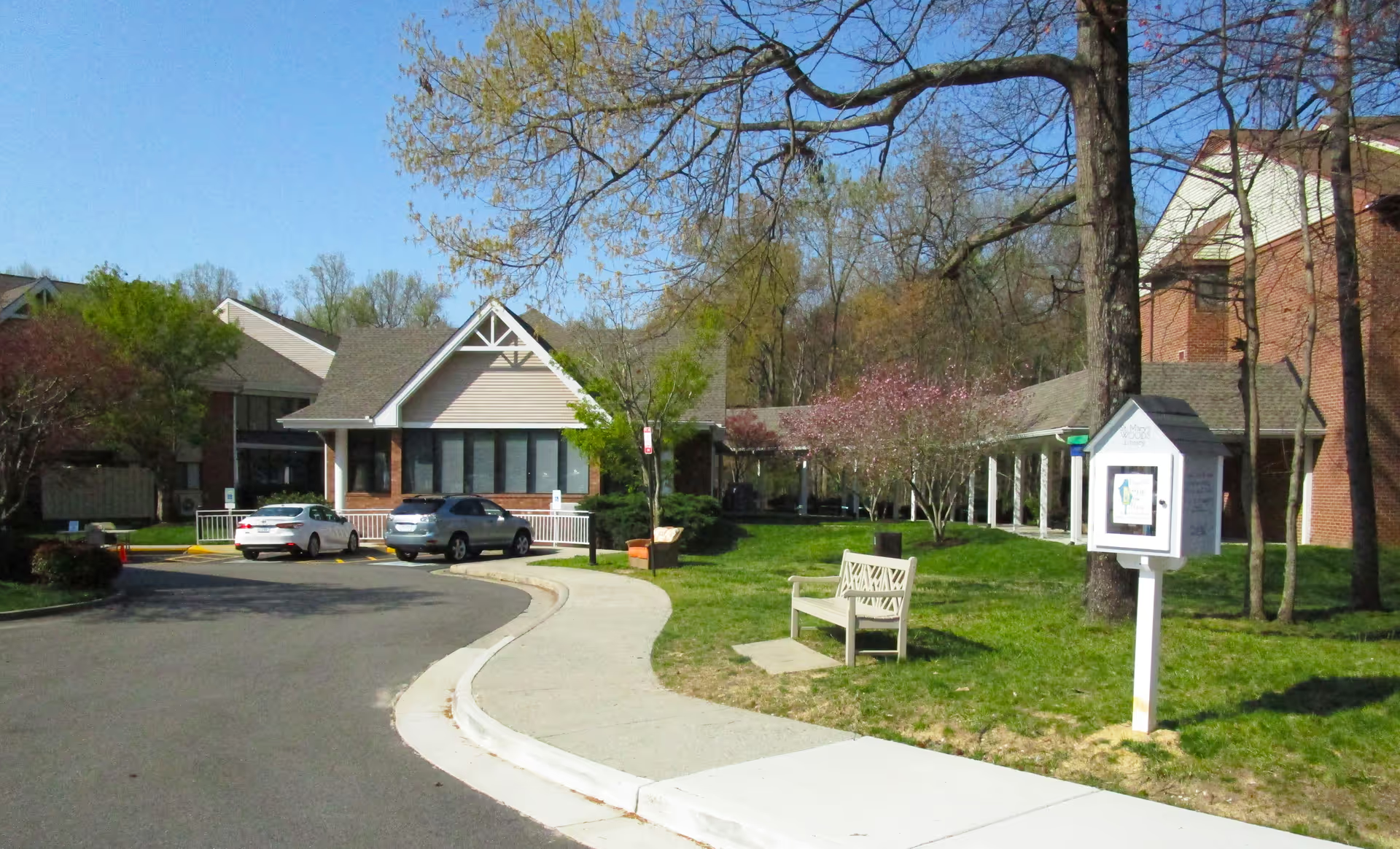
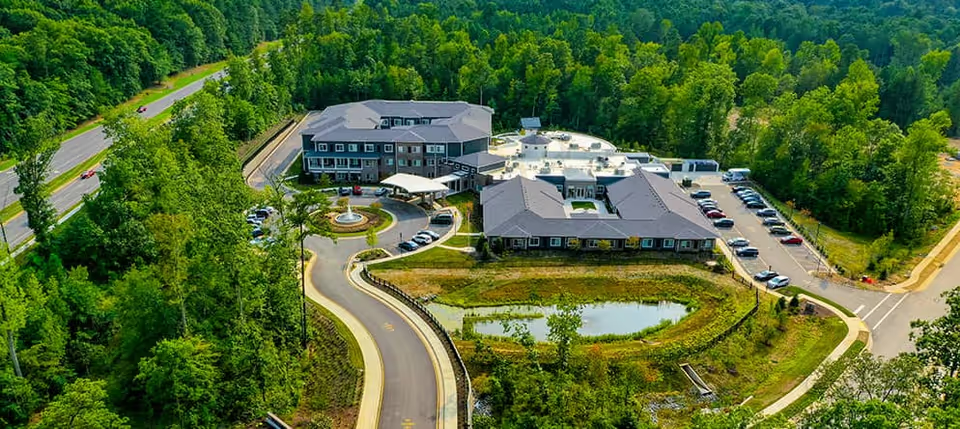
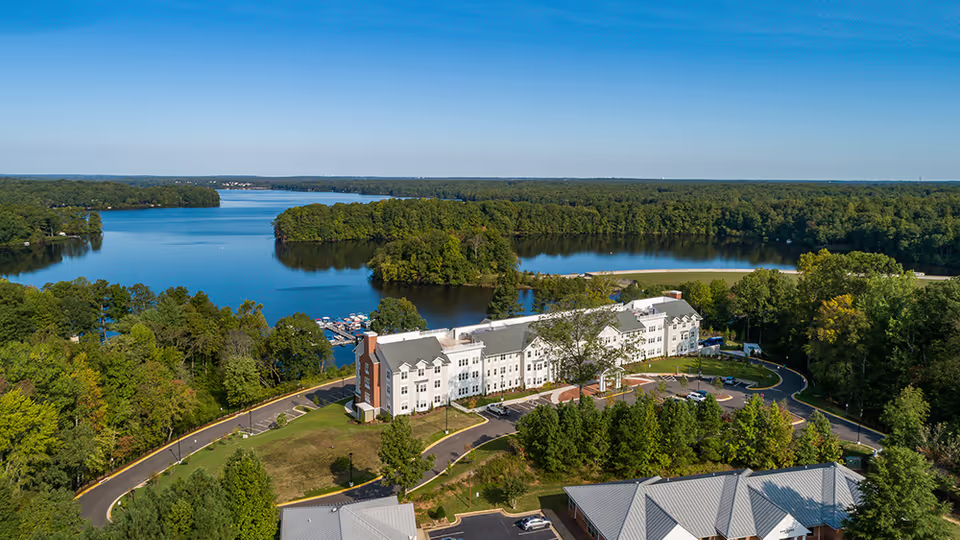
Facilities and layout: Physical-space feedback is mixed. The interior is frequently characterized as clean, bright, and well cared for, with visible staff presence creating a calm atmosphere. The community includes an enclosed outdoor area that families appreciate for safety and access; at the same time, some note uneven maintenance of outdoor spaces. Room configuration and building layout are a recurring practical issue for a subset of families — specifically the prevalence of private rooms paired with shared bathrooms and certain layout constraints that do not suit all preferences.
Notable patterns and trade-offs: Strengths center on interpersonal care, programming, and accessible clinical services, while operational drawbacks are primarily in environmental and service-detail areas: dining personalization and some aspects of the physical configuration and outdoor upkeep. Management responsiveness and an established leadership presence mitigate several concerns, and the community's memory-care focus and activity engagement are clear attractors for prospective residents and families. Prospective families should weigh the facility's strong caregiving culture and active programming against the facility's room configurations and dining-personalization practices when determining fit.