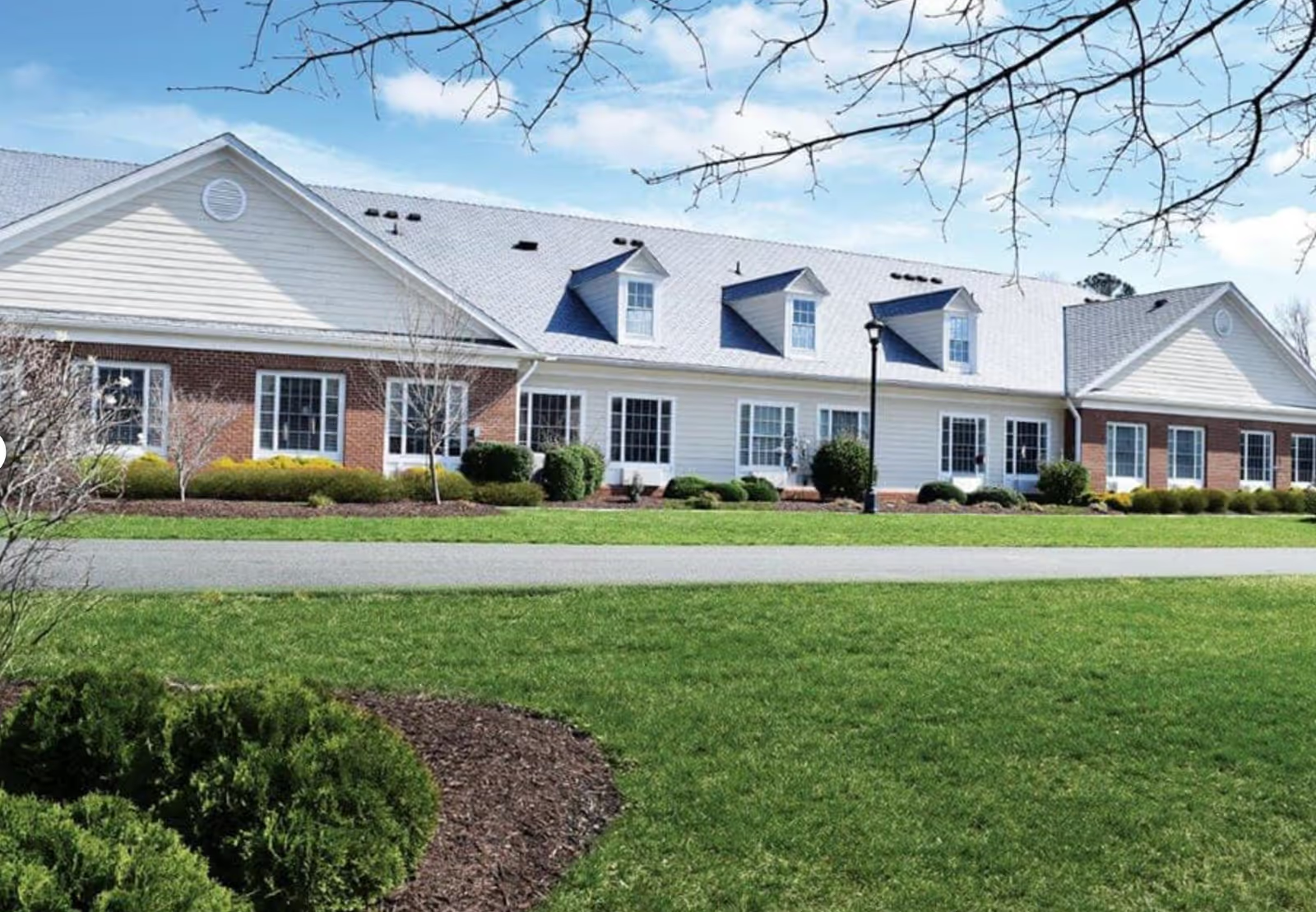
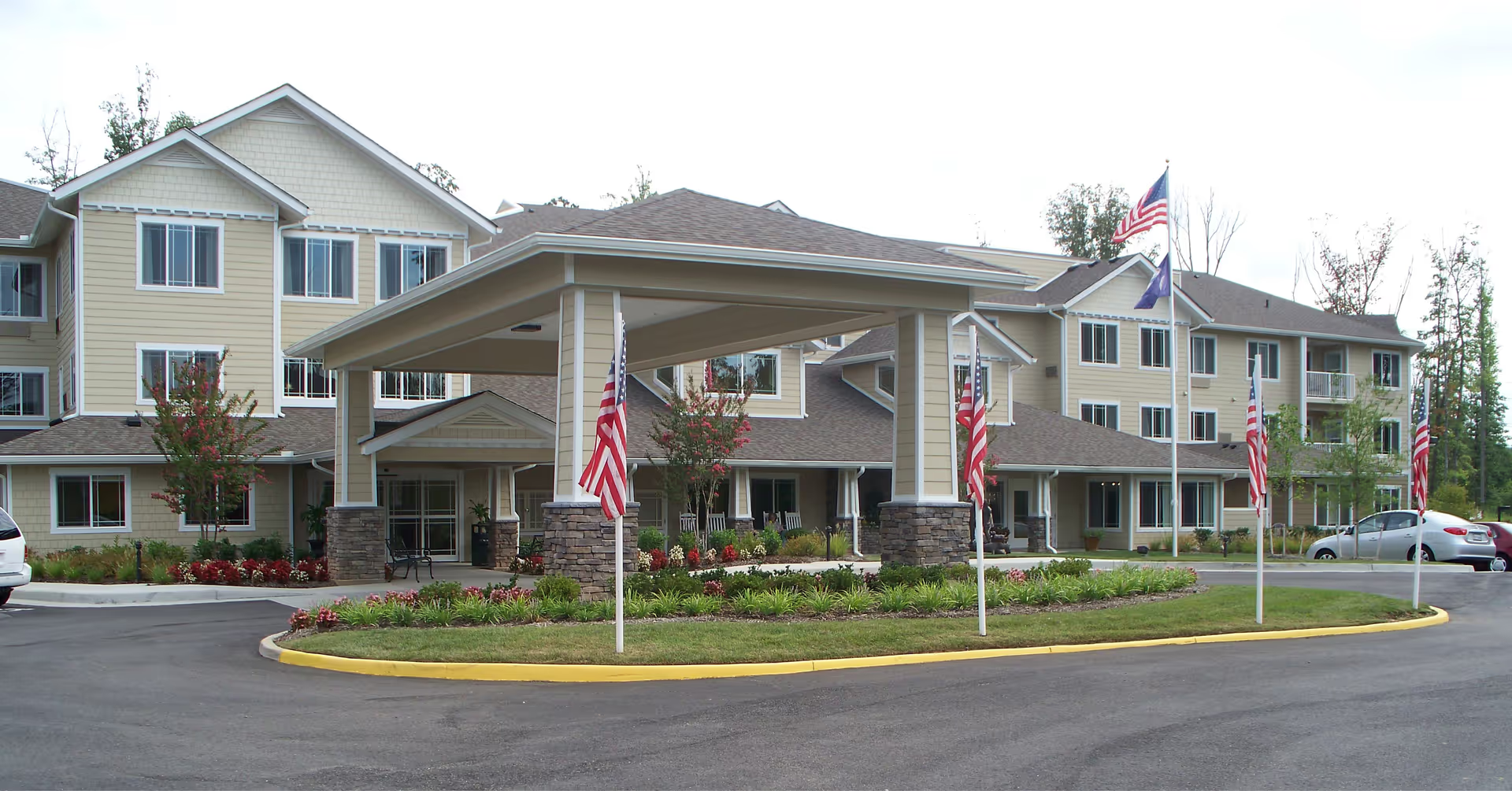
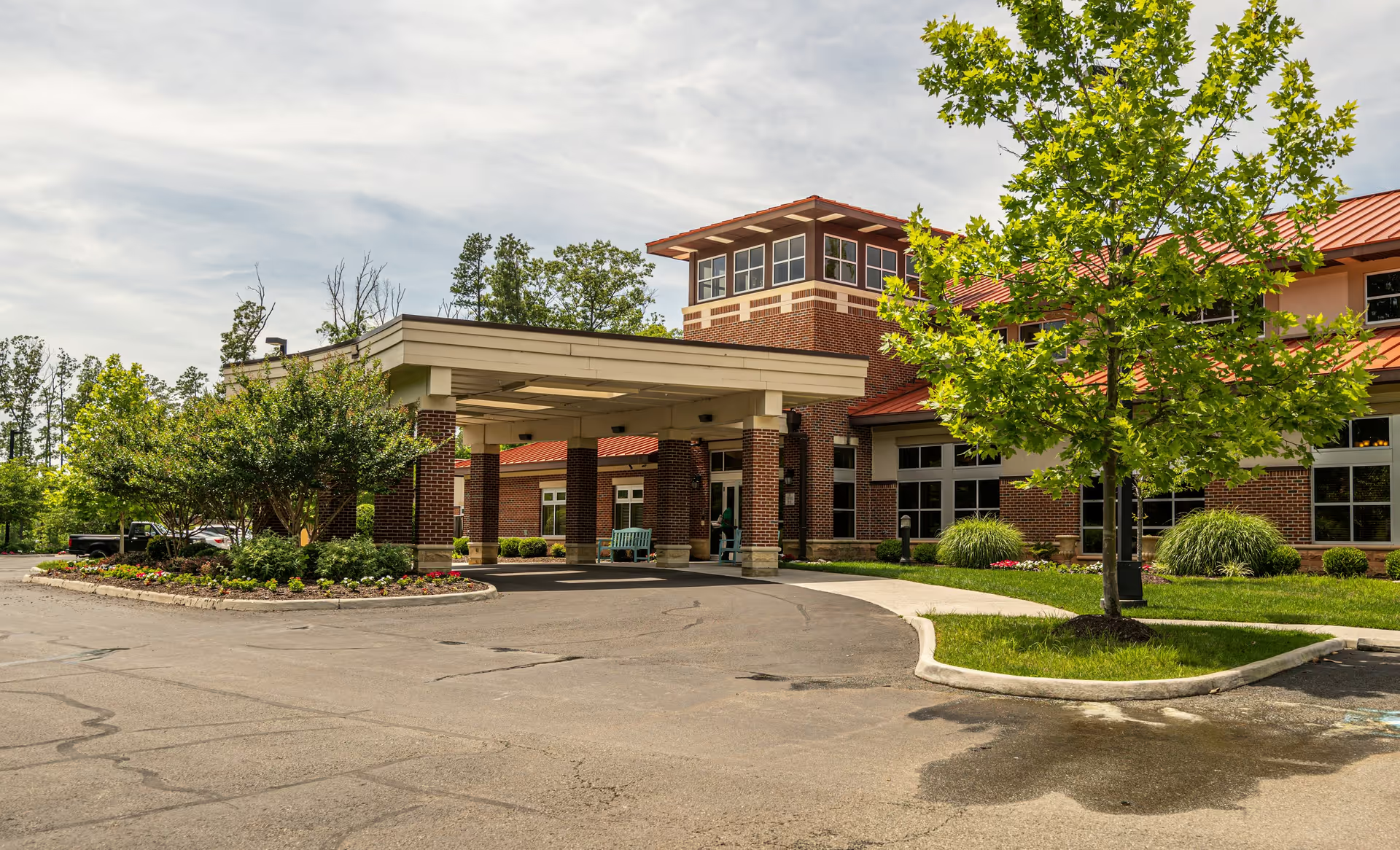
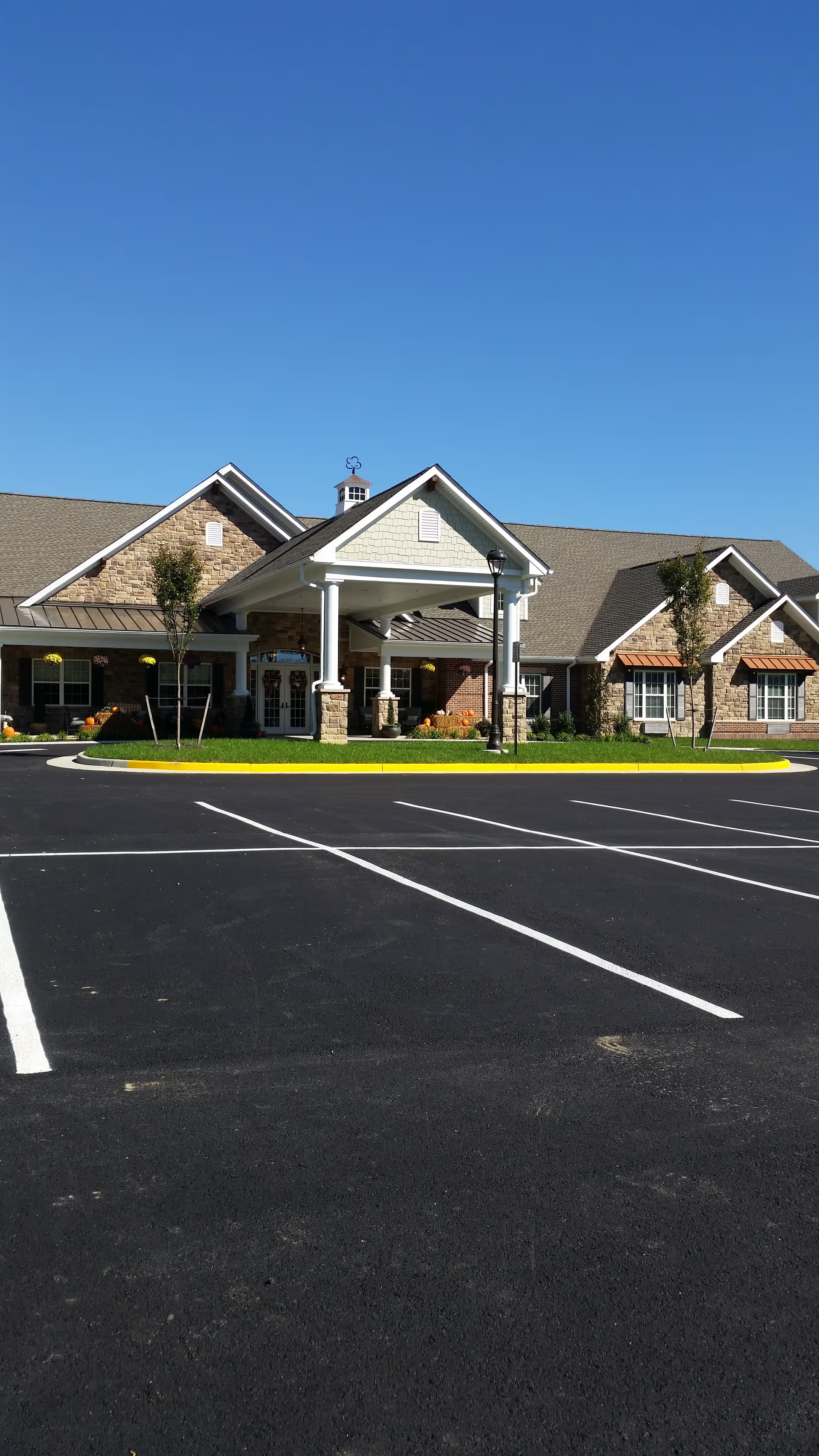
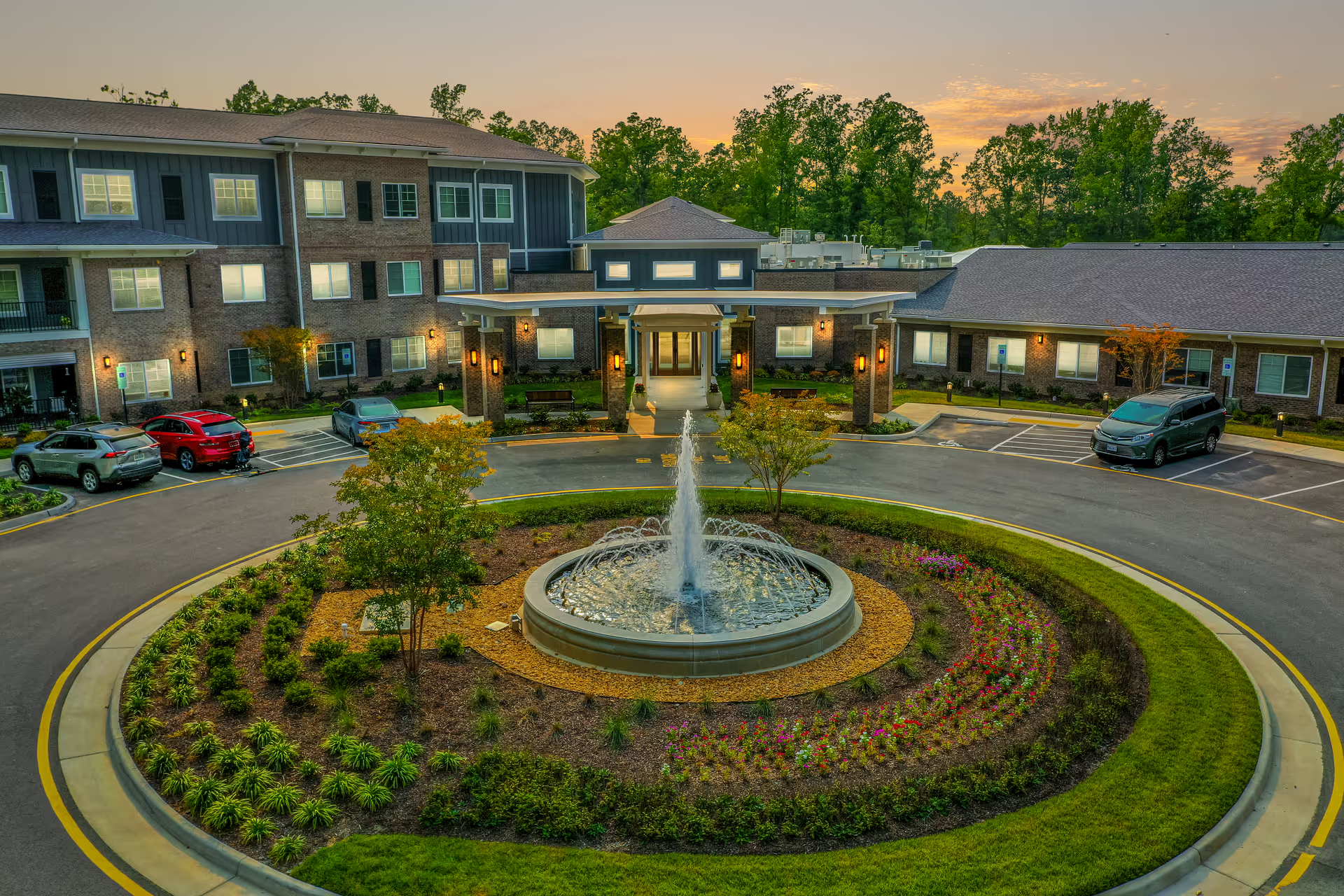
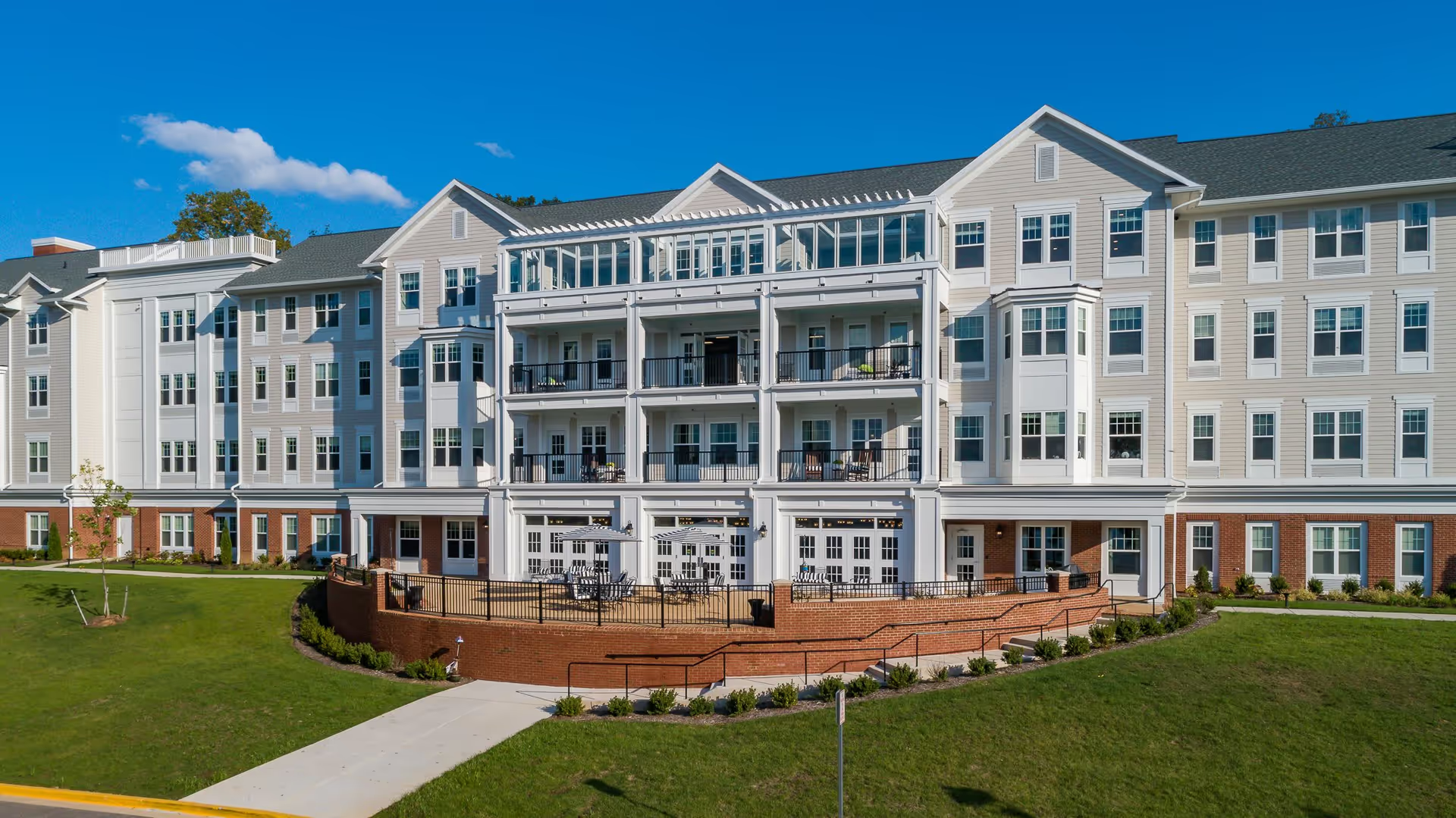
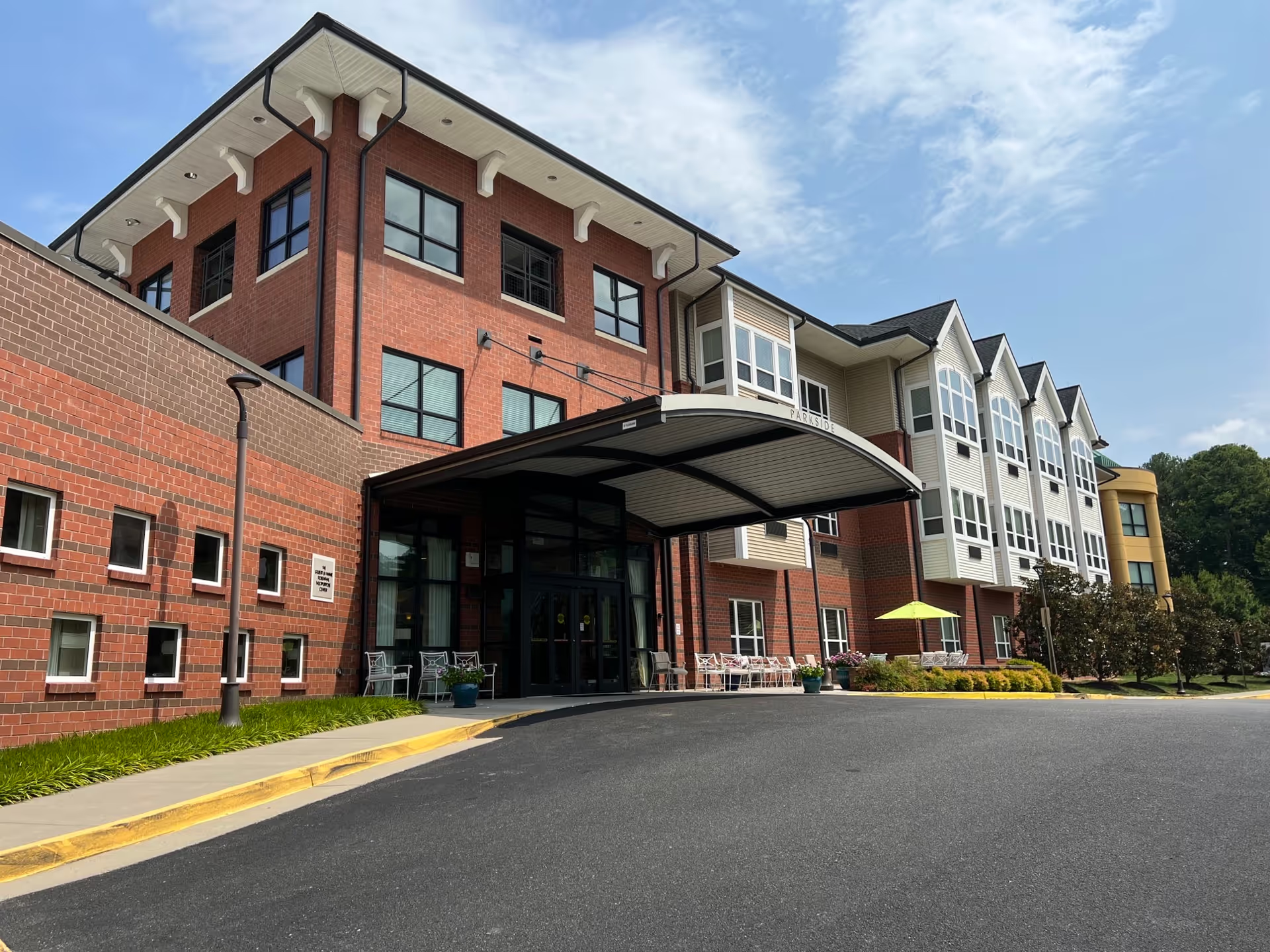
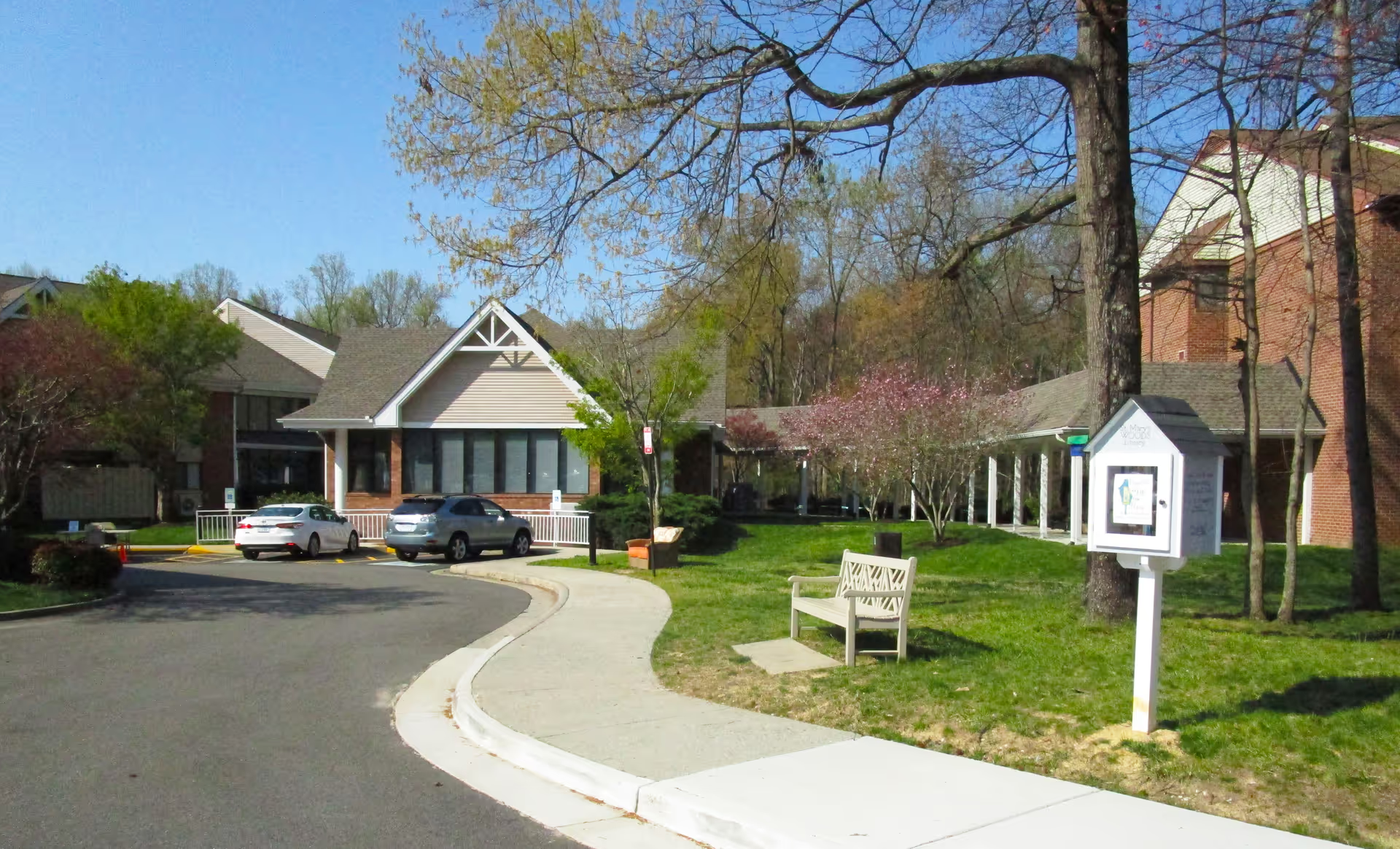
The Pearl at Watkins Centre presents as a modern, well-appointed memory-care community with many facility-level strengths alongside recurring operational concerns. Physically the building and grounds receive consistent praise: reviewers describe a recently built, bright and spacious environment with high ceilings, large windows, wide hallways, a single-floor layout, a secured courtyard and garden, and amenities such as a spa and a movie theater. The facility offers several conveniences often valued by families, including an on-site nurse practitioner, an on-site pharmacy/medication shipping service, private dining options, and programming designed to allow residents to age in place with hospice continuity.
Clinical and day-to-day care observations are mixed. Positive accounts highlight compassionate, engaged caregivers, memory-care–specific approaches (including Teepa Snow–informed training), effective pain control, coordinated transfers when two staff are used, and a responsive therapy program. Several families praised staff who know residents by name, proactive nursing after incidents such as falls, and continuity in some caregiving teams. Conversely, reviews indicate operational weaknesses that affect care reliability: staffing appears inconsistent due to high turnover, leadership turnover has been frequent (including executive director and director-of-nursing changes), and family communication and transparency are often described as inadequate. Reviewers also flagged variability in medication-administration controls and consent processes, which suggests the need for clearer, more consistent clinical protocols.
Dining and activities are notable strengths but show variability. The activities department is repeatedly described as busy and engaging, with a wide calendar of daily events, family dinners, and specialty activities (car shows, movie nights, social programs) that contribute positively to resident life. Dining impressions range from a responsive chef and good meals to instances of late or disorganized meal service and uneven food quality; this indicates a level of inconsistency in meal delivery and dining operations.
Housekeeping and resident-support practices are an area of concern for some families. While many reviews describe a clean and pleasant-smelling facility, other accounts point to sanitation and housekeeping inconsistencies, incontinence-care delays, and variability in assistance with meals and personal care. These issues are presented as patterns in staffing and procedural execution rather than single isolated events. Safety practices also drew attention: reviewers cited gaps in fall-prevention and transfer-safety processes and described variable clinical oversight between shifts.
Management and operational oversight emerge as a central theme. Positive experiences often mention engaged leadership and quick correction of problems, but multiple reviewers reported leadership instability, poor communication from corporate and facility management, insufficient staff orientation, and uneven supervision — all factors that can amplify the impact of staffing shortages. Privacy and HIPAA-procedure concerns were also raised, and several families noted unexpected cost increases or unclear explanations of billing changes.
Taken together, the Pearl offers many of the physical and programming features families look for in memory-care communities — a modern environment, robust activities, on-site clinical resources, and memory-care-informed staff. Prospective residents and families should weigh those strengths against operational patterns flagged in feedback: staffing and leadership stability, consistent housekeeping and personal-care processes, clear medication and consent protocols, dining-service reliability, and family communication practices. When evaluating the community in person, it may be helpful to observe care and dining during peak times, ask about current staffing ratios and leadership tenure, review medication and housekeeping protocols, and request written explanations of pricing and hospice/continuity-of-care procedures.