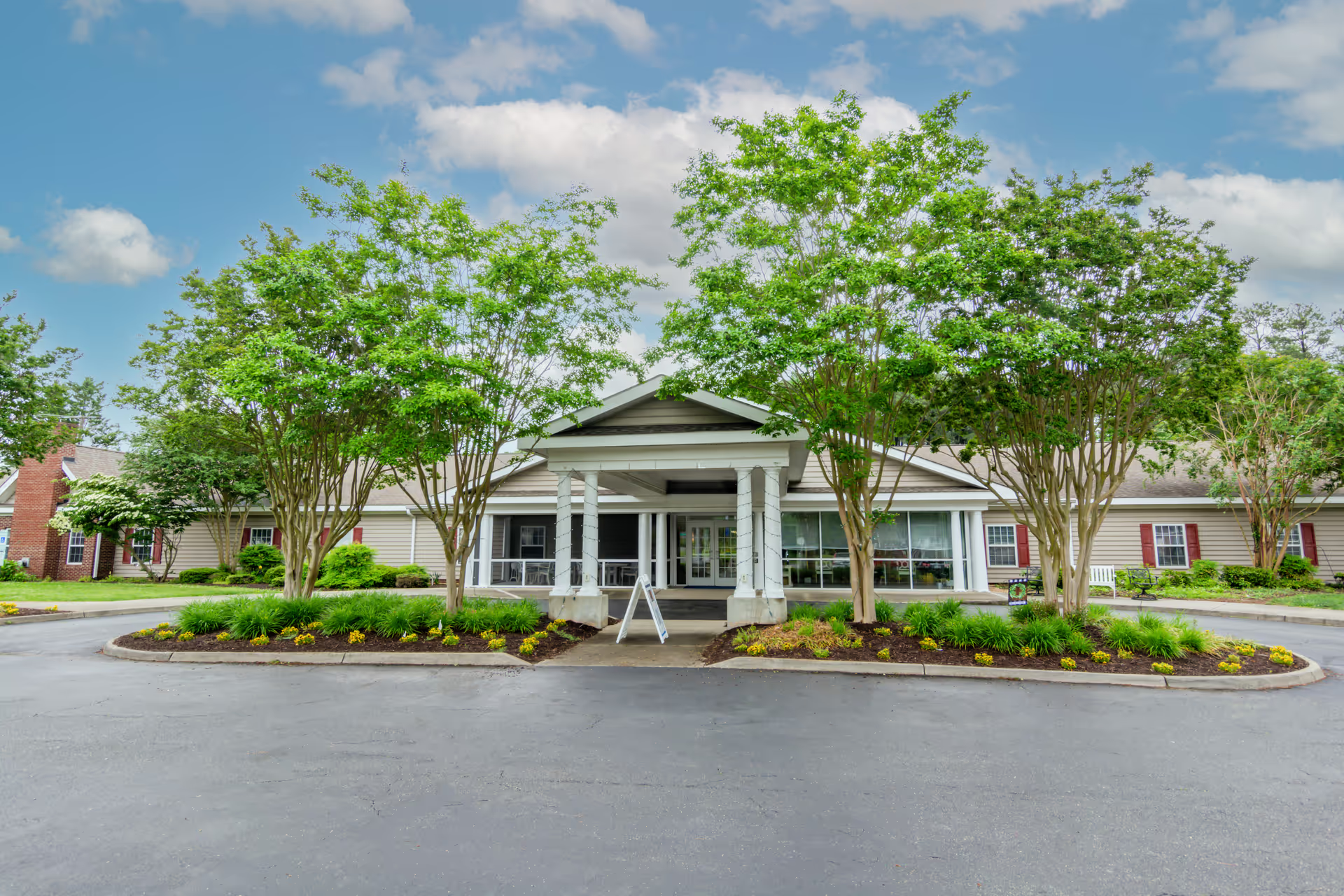
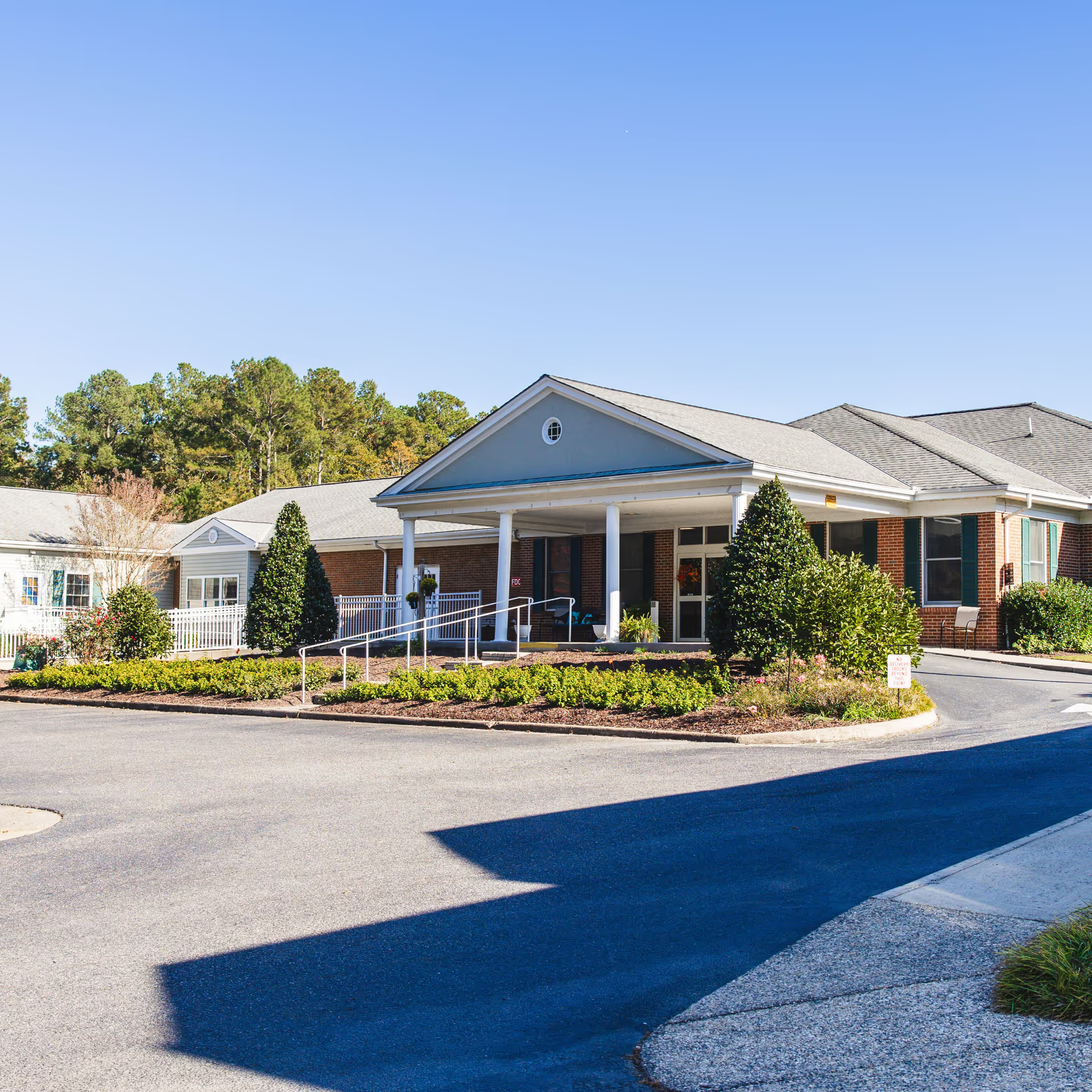
Reviewer input reflects a mixed pattern of experiences with Heritage Hall Nassawadox. Several accounts describe positive, professional interactions—particularly in short-term rehabilitation settings—where caregivers were characterized as compassionate, informative, and helpful. Nonclinical staff members are also noted as supportive in some encounters. These positives suggest the facility can provide effective rehabilitative care and can deliver consistent care for residents through multiple admissions.
At the same time, there are recurring operational concerns. Clinical responsiveness is uneven: reviewers describe delays in attention from nursing staff, inconsistent escalation to acute care when needed, and lapses in follow-up communication with families. Relatedly, some accounts raise serious concerns about clinical incident handling and documentation, including allegations regarding undisclosed pressure injuries and communication around end-of-life events. These items indicate gaps in incident reporting, family notification, and clinical continuity for higher-acuity residents.
Environmental and service issues are another clear theme. Multiple comments cite cleanliness and sanitation problems, odor concerns in resident rooms and common areas, and ineffective maintenance that leaves equipment and rooms in disrepair. Meal service and kitchen management are described as inconsistent, with complaints about bland or unappetizing food and interruptions to expected meal continuity. Together these items point to weaknesses in housekeeping, environmental services, and dining operations.
Administrative and staffing patterns warrant attention. Reviewers report weak front-desk communication, unkept promises from administrative staff, abrupt or unhelpful telephone interactions, and a perception that financial priorities sometimes overshadow clinical needs. Several accounts also point to staffing limitations or training shortfalls, particularly for residents with higher medical needs, and to potential deficiencies in fall-prevention and transfer-safety protocols.
For prospective residents and families, the pattern suggests two distinct experience profiles: successful short-term rehabilitative stays with attentive staff, and longer-term placements where systemic issues—cleaning, maintenance, meal quality, clinical communication, and incident response—emerged. Families considering this facility should inquire specifically about staffing ratios, pressure-injury prevention protocols, hospital-transfer policies, recent inspection results, meal-service standards, and how the facility documents and communicates clinical incidents to family members.