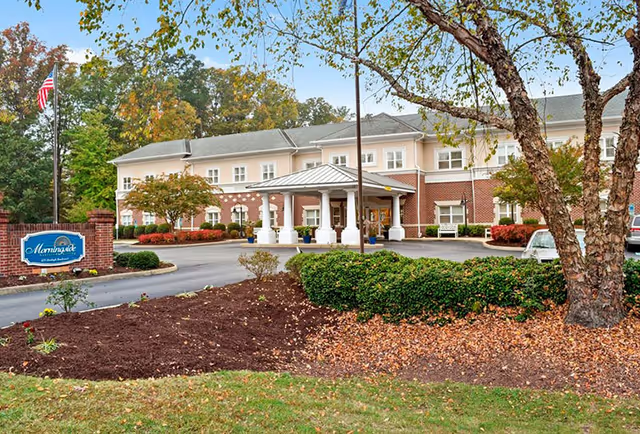
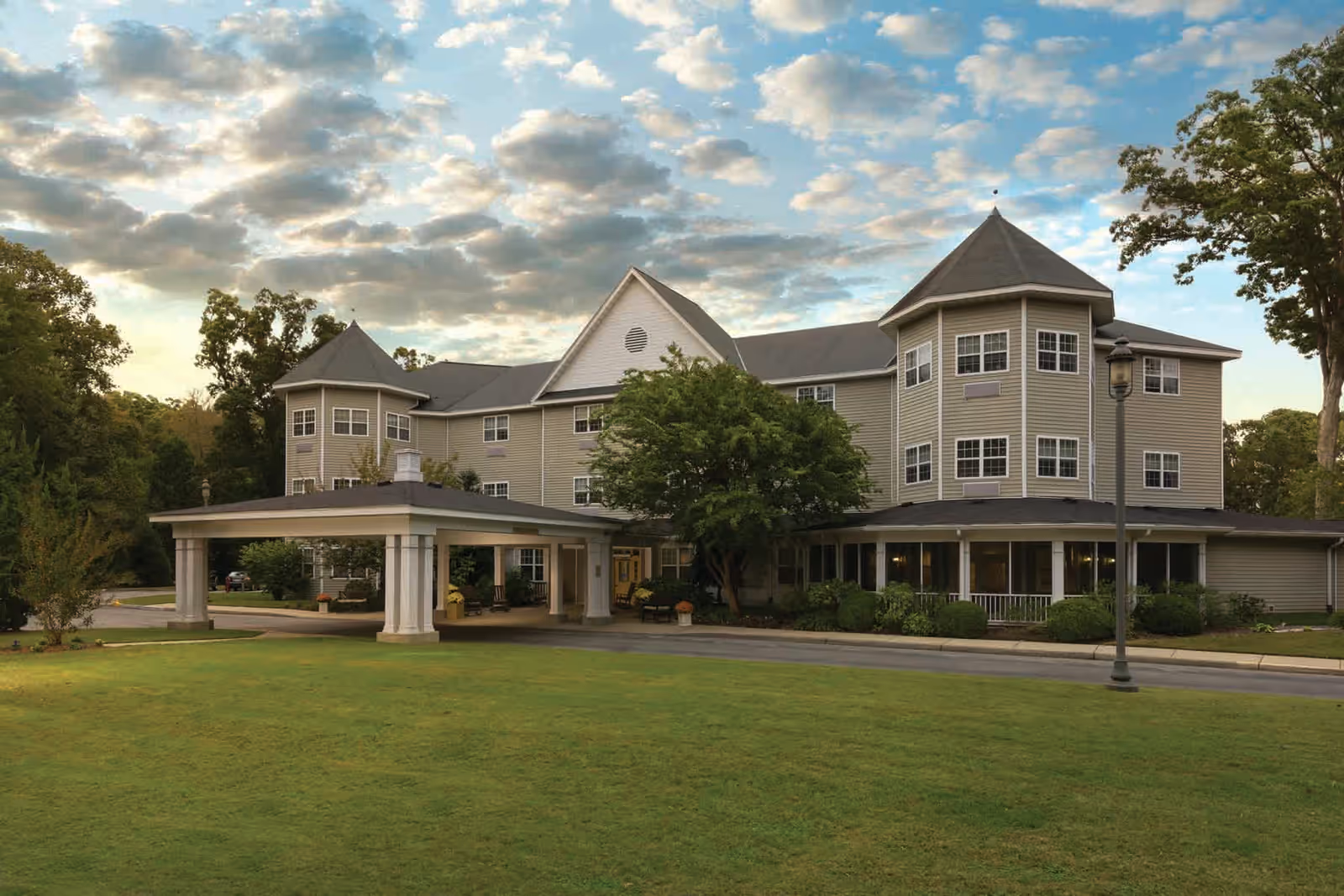
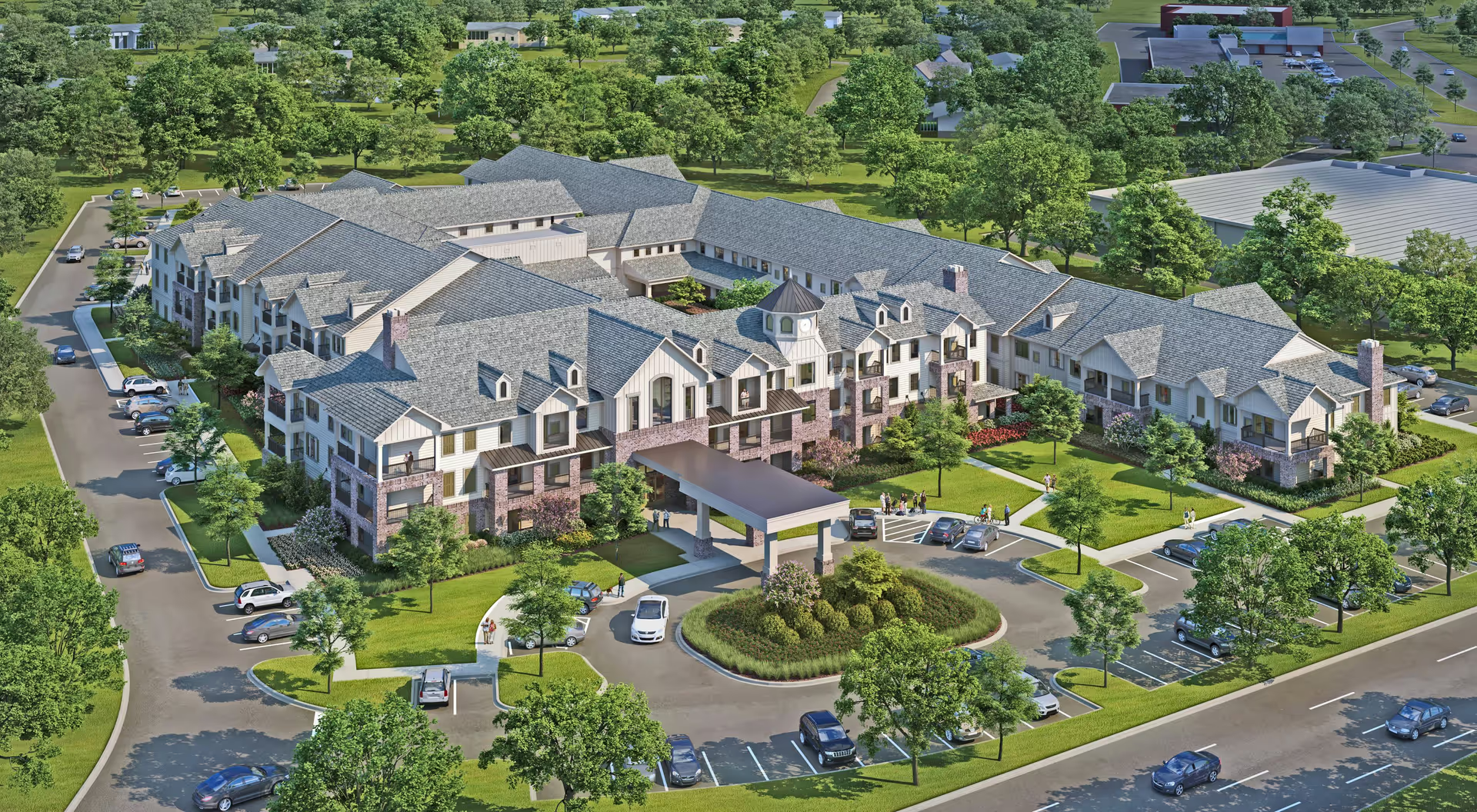
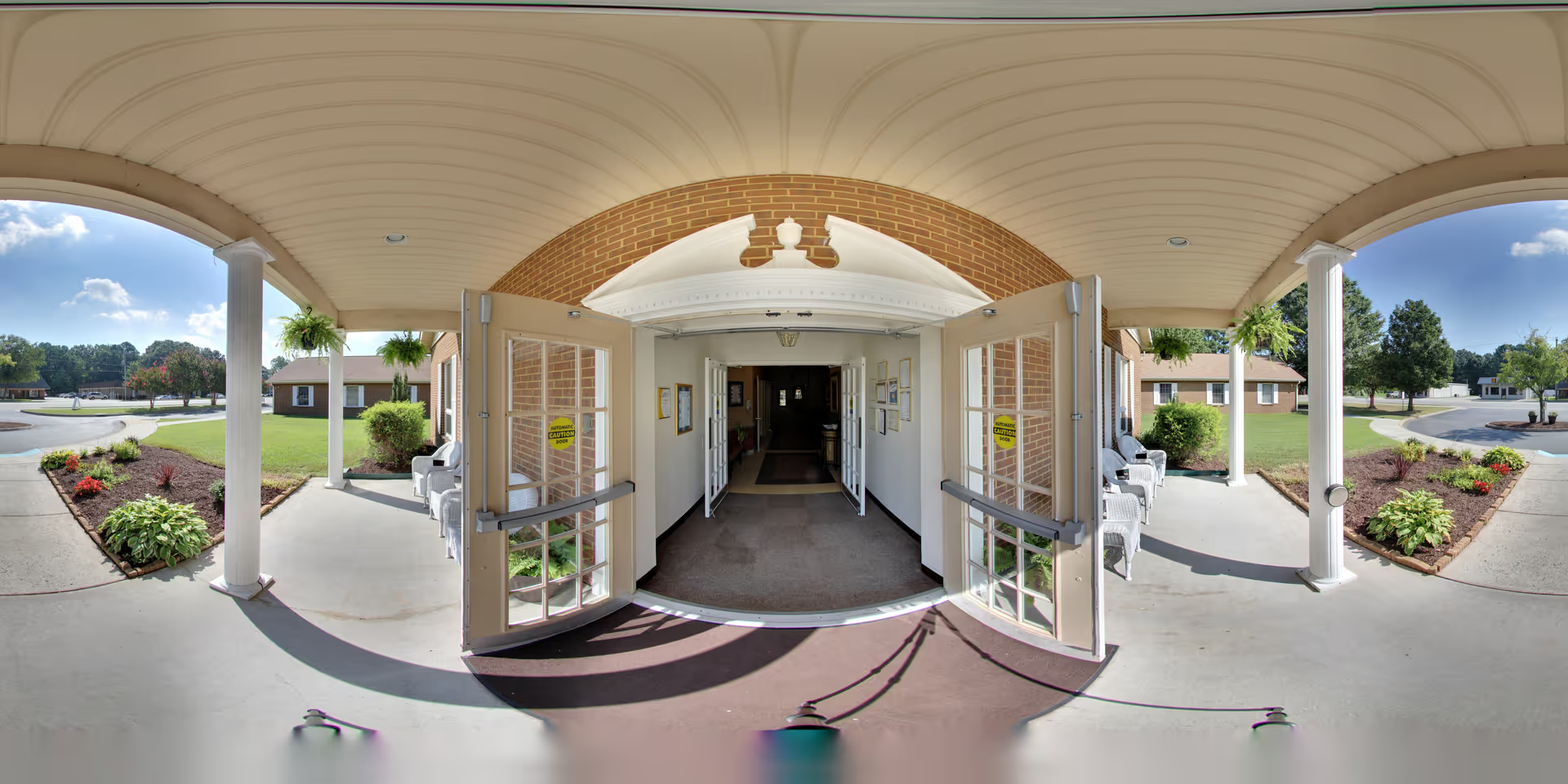
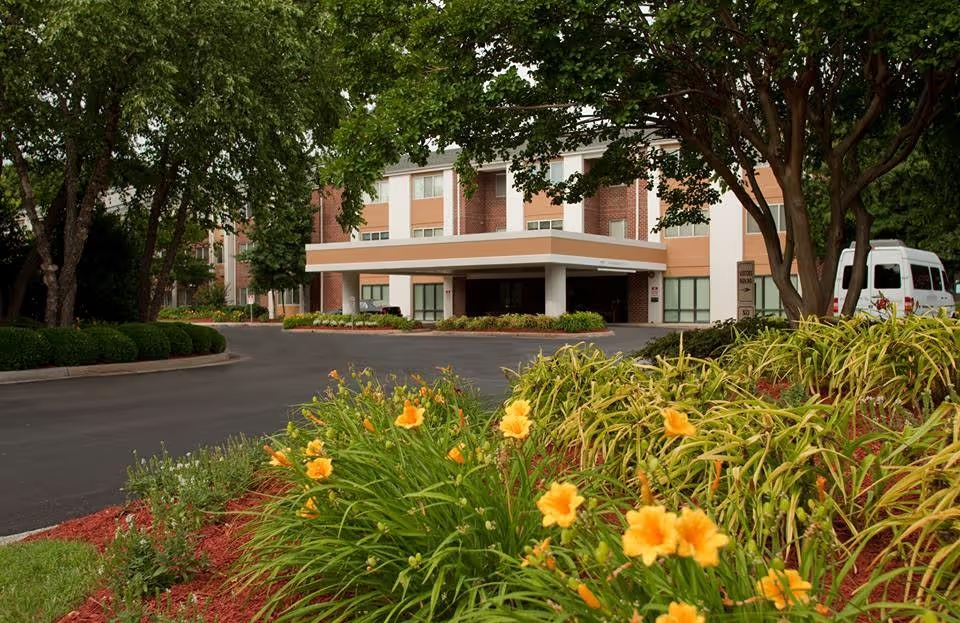
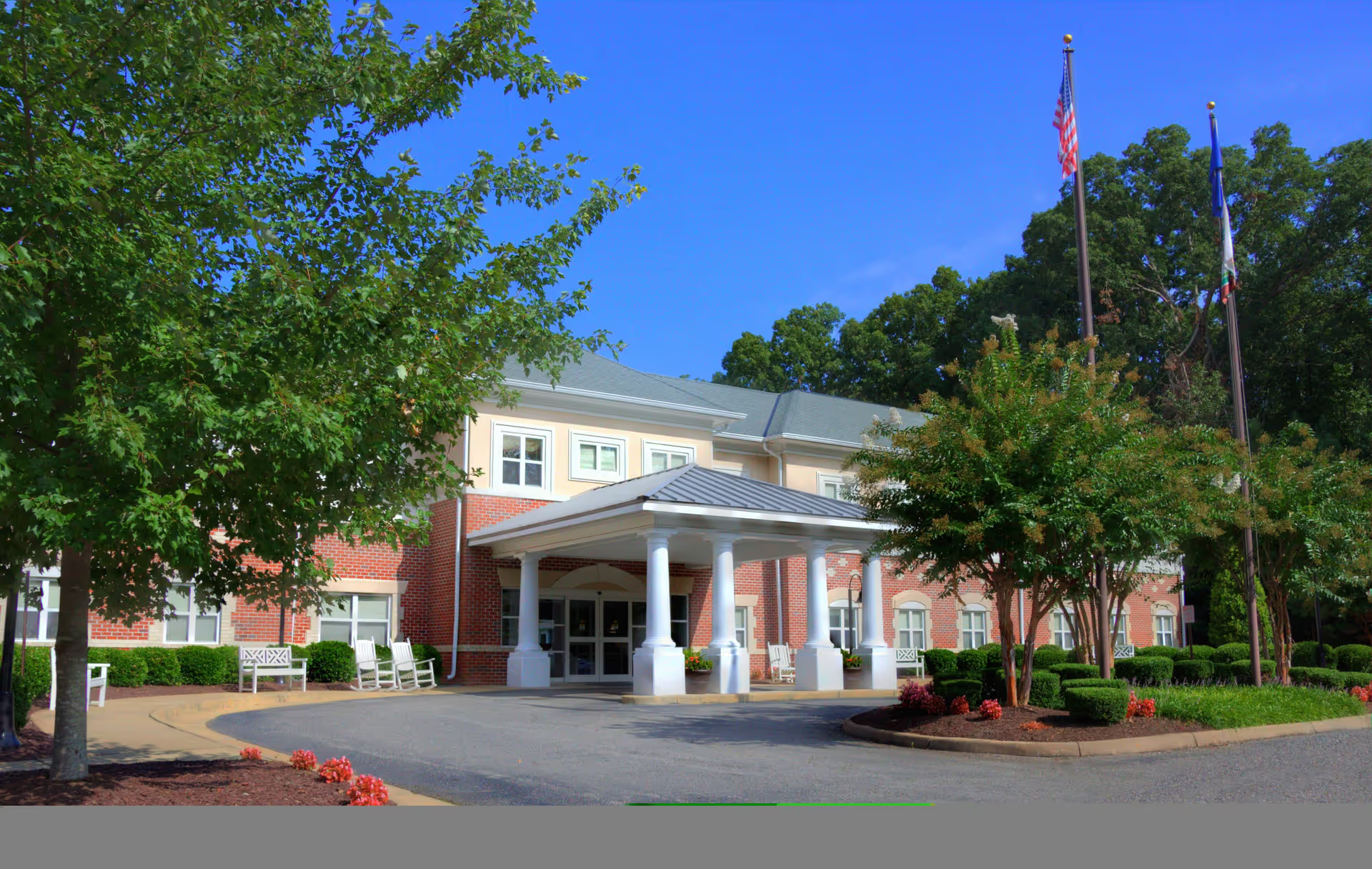
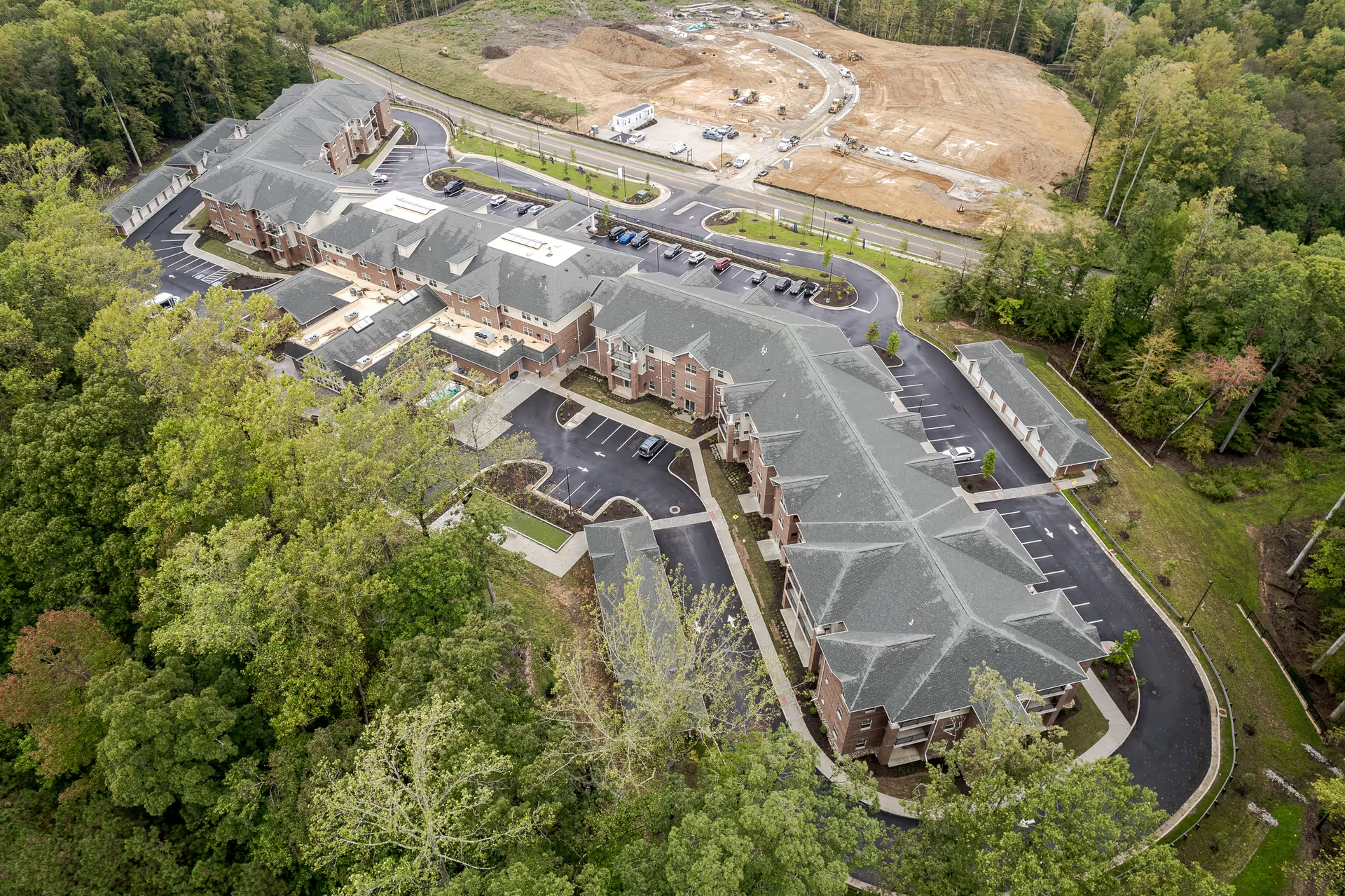
Warwick Forest presents as a large, well-resourced continuing-care community with a wide range of housing and clinical options from independent living through skilled nursing. The campus and grounds are frequently described as attractive, clean, and well appointed, with multiple dining venues, fitness amenities (including a pool and theater), varied apartment floor plans, gated security, and useful services such as transportation and housekeeping. The facility’s hospital affiliation and on-site therapy services are strengths cited by families; physical and occupational therapy teams receive consistent praise for rehabilitation outcomes and engagement.
Day-to-day staff behavior is a recurring positive theme: many accounts describe warm, attentive, and compassionate frontline employees who know residents by name and enable an active social life. The community offers a broad activities calendar (brain-engaging programs, outings, movie nights, concerts, and memory-care-specific activities with family-facing photo updates) that contributes to resident engagement. Memory care has particular strengths around programming, safety, and family communication in several reports.
At the same time, reviewers frequently raised operational concerns that prospective families should evaluate closely. Staffing levels, especially direct-care staffing, are described as insufficient at times, producing delays in routine assistance and uneven nursing responsiveness. Linked to staffing are reports of high turnover and variable continuity of care; several accounts indicate inconsistent clinical oversight and limited physician engagement on-site. There are also recurring concerns about medication-administration controls and informed-consent/documentation practices that merit verification during a tour and in contract review.
Dining and food service are generally seen as an advantage in many parts of the community (restaurant-style dining, good menus, meal allocations), but quality and service consistency appear variable by unit — some residents praise the food while others describe bland or cafeteria-style offerings, temperature problems with room-delivered meals, or limited entree variety. Maintenance and facility condition are mostly positive for public areas and grounds, though a number of comments point to deferred or inconsistent upkeep in certain buildings and older apartments. Technology infrastructure and documentation systems are described as dated in some accounts, which can affect communication and care tracking.
Management and administrative practices show a mixed picture. Admissions and tour staff are often described as helpful and knowledgeable, and the organization offers flexible move-in incentives and internal relocation options. Conversely, several reviewers note limited management visibility, inconsistent follow-up on care plans, and customer-service gaps. Financial considerations are also important: the community can be expensive, fee structures include reservation and moving fees, and some families indicated pricing complexity; there are occasional discounts but also concerns about overall value relative to cost.
In summary, Warwick Forest offers substantial amenities, a full continuum of care, and many examples of engaged frontline staff and effective rehabilitation services. However, persistent operational themes — notably staffing levels and continuity, clinical oversight and medication controls, variability in dining and maintenance, and management communication — are areas to evaluate in person. Prospective residents and families should tour multiple levels of care, ask for current staffing ratios and turnover data, review medication and consent policies, sample dining, and request examples of recent care-plan follow-up before deciding.