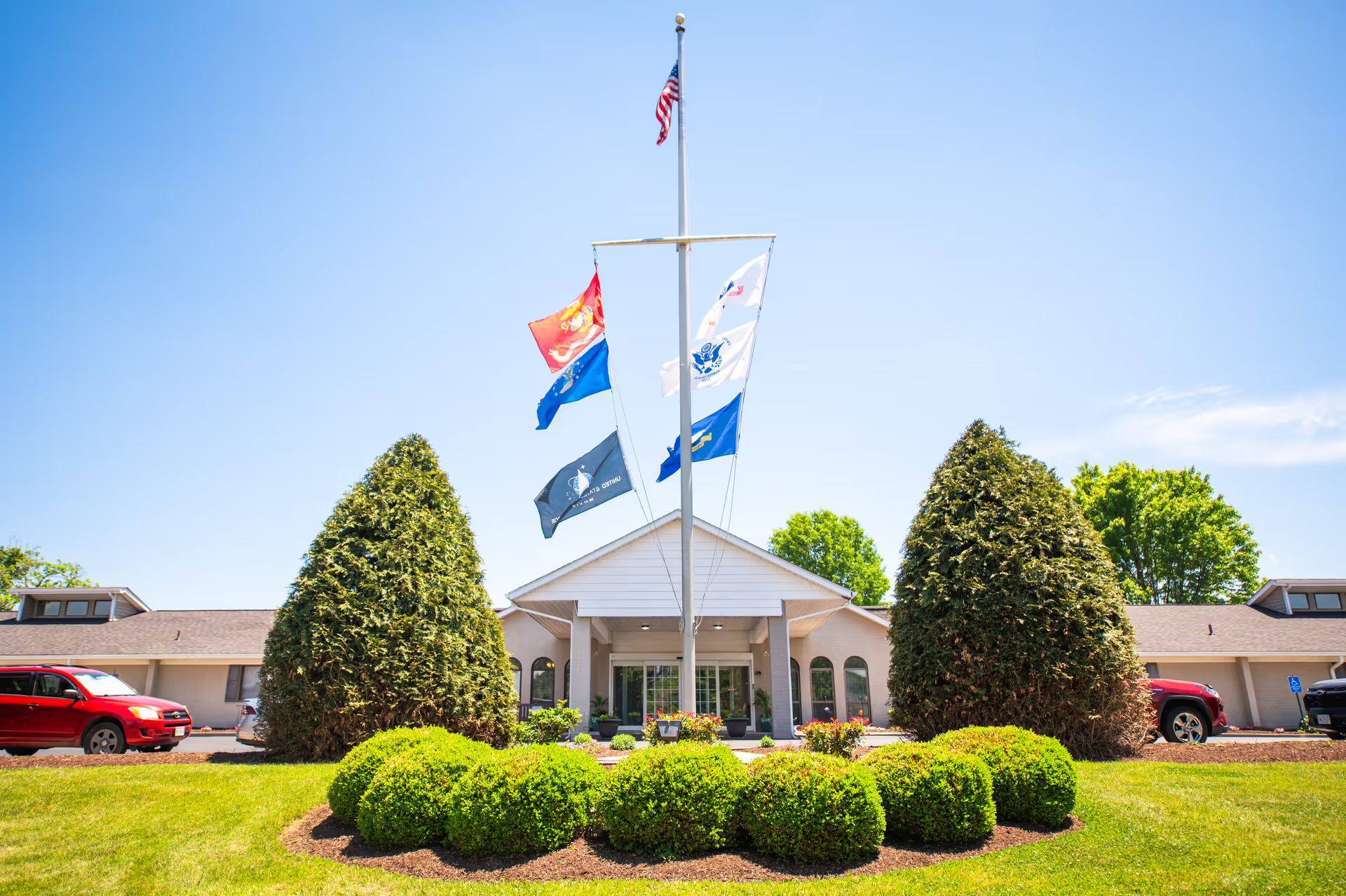
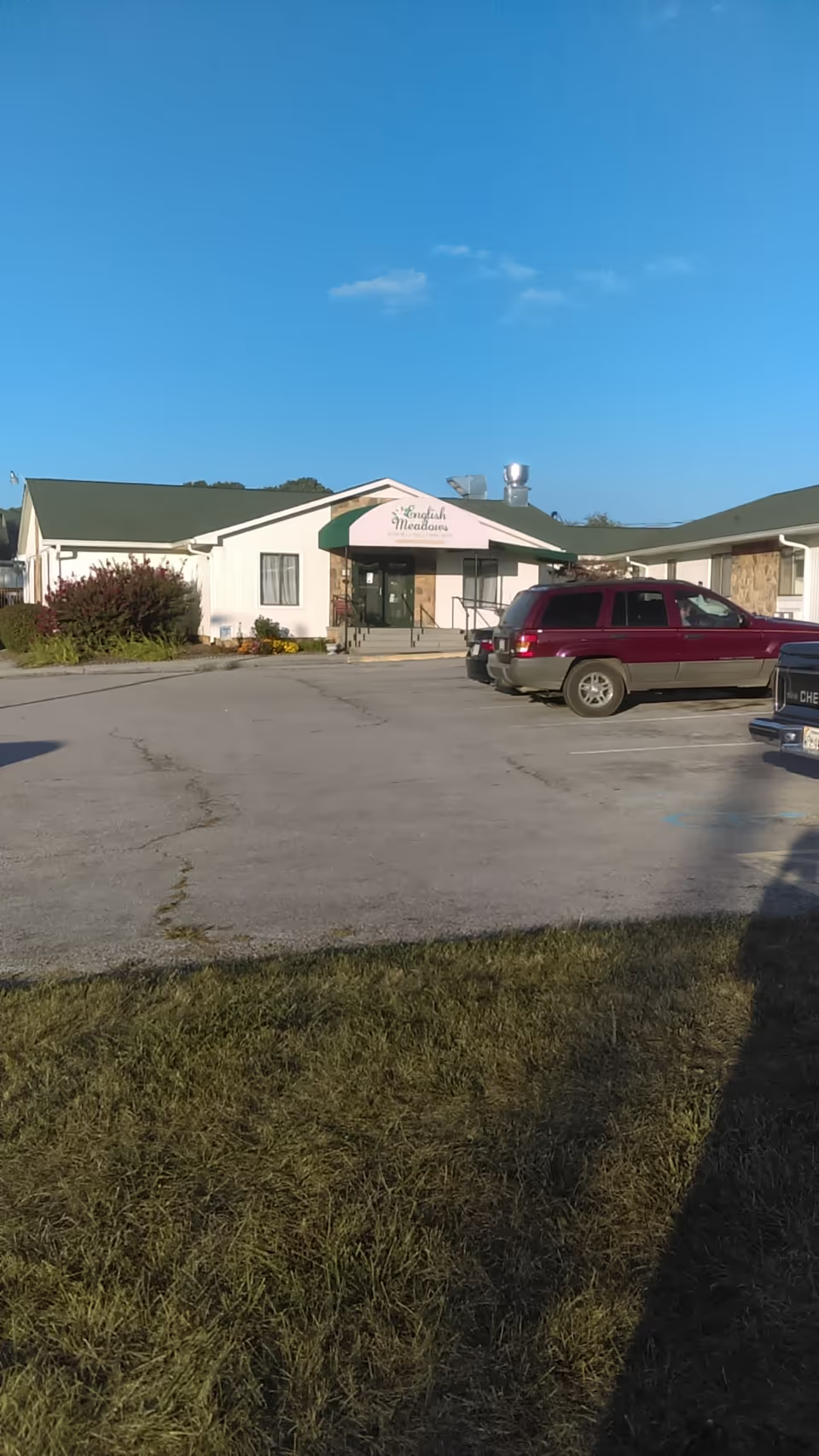
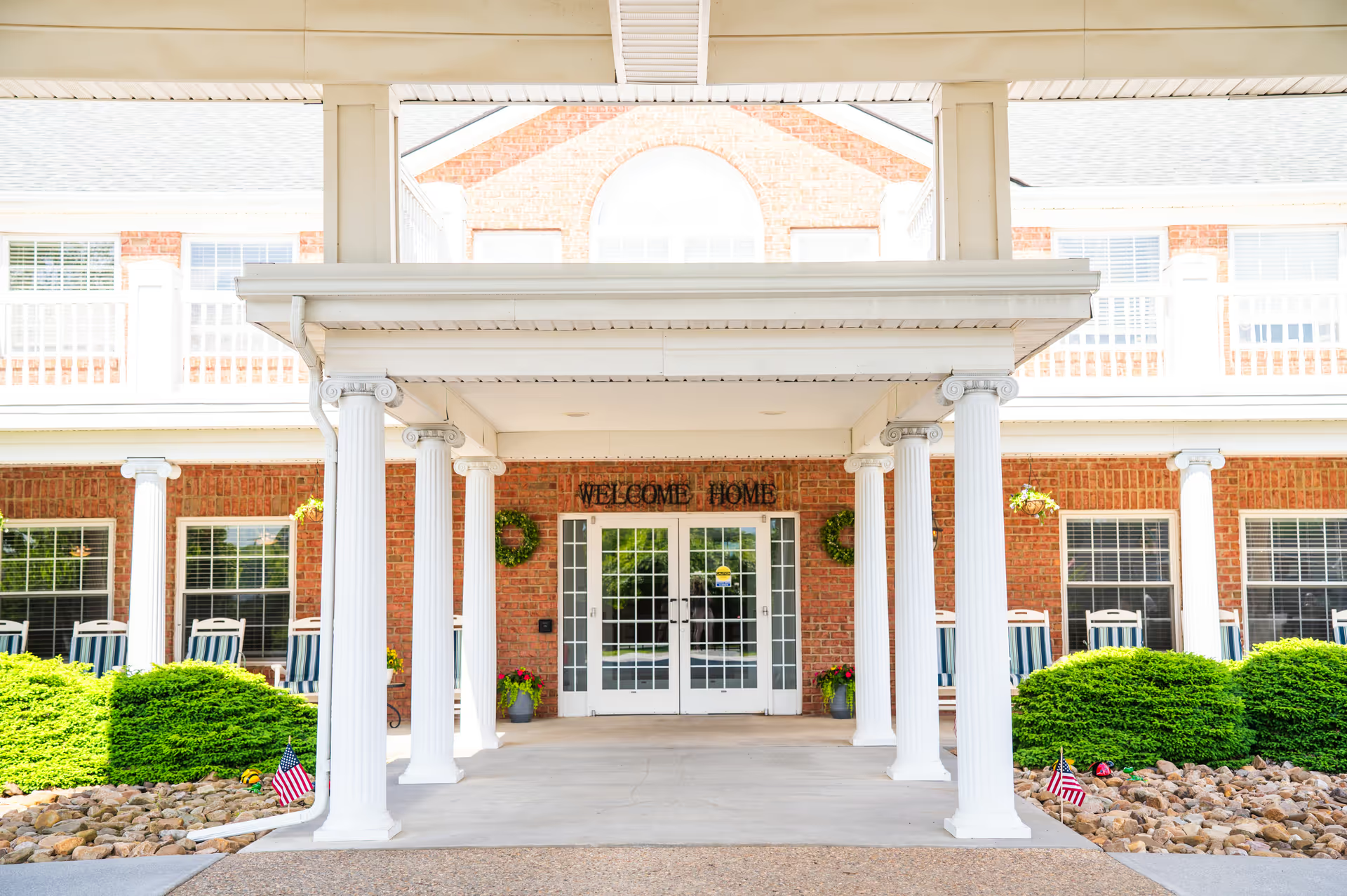
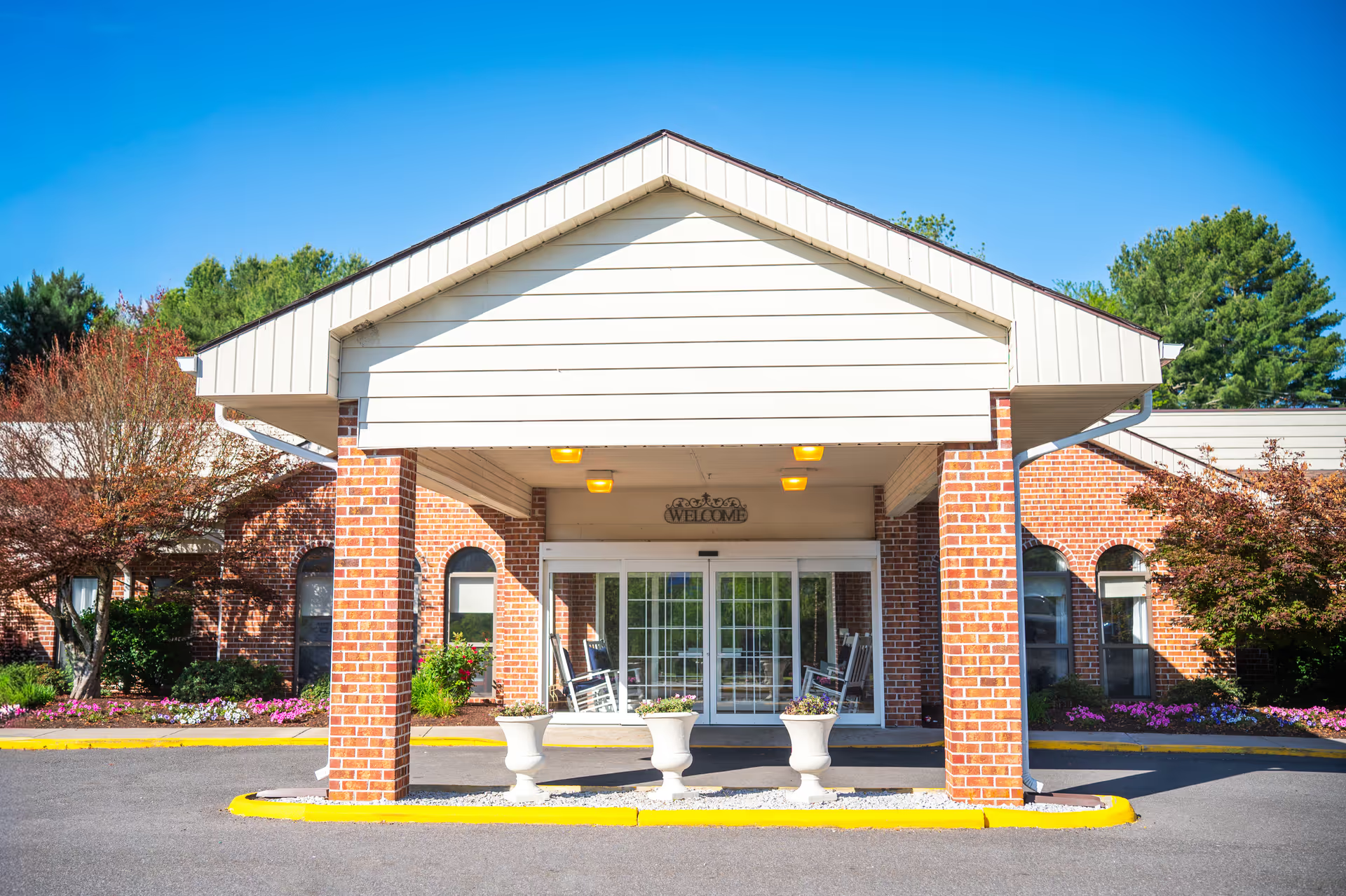
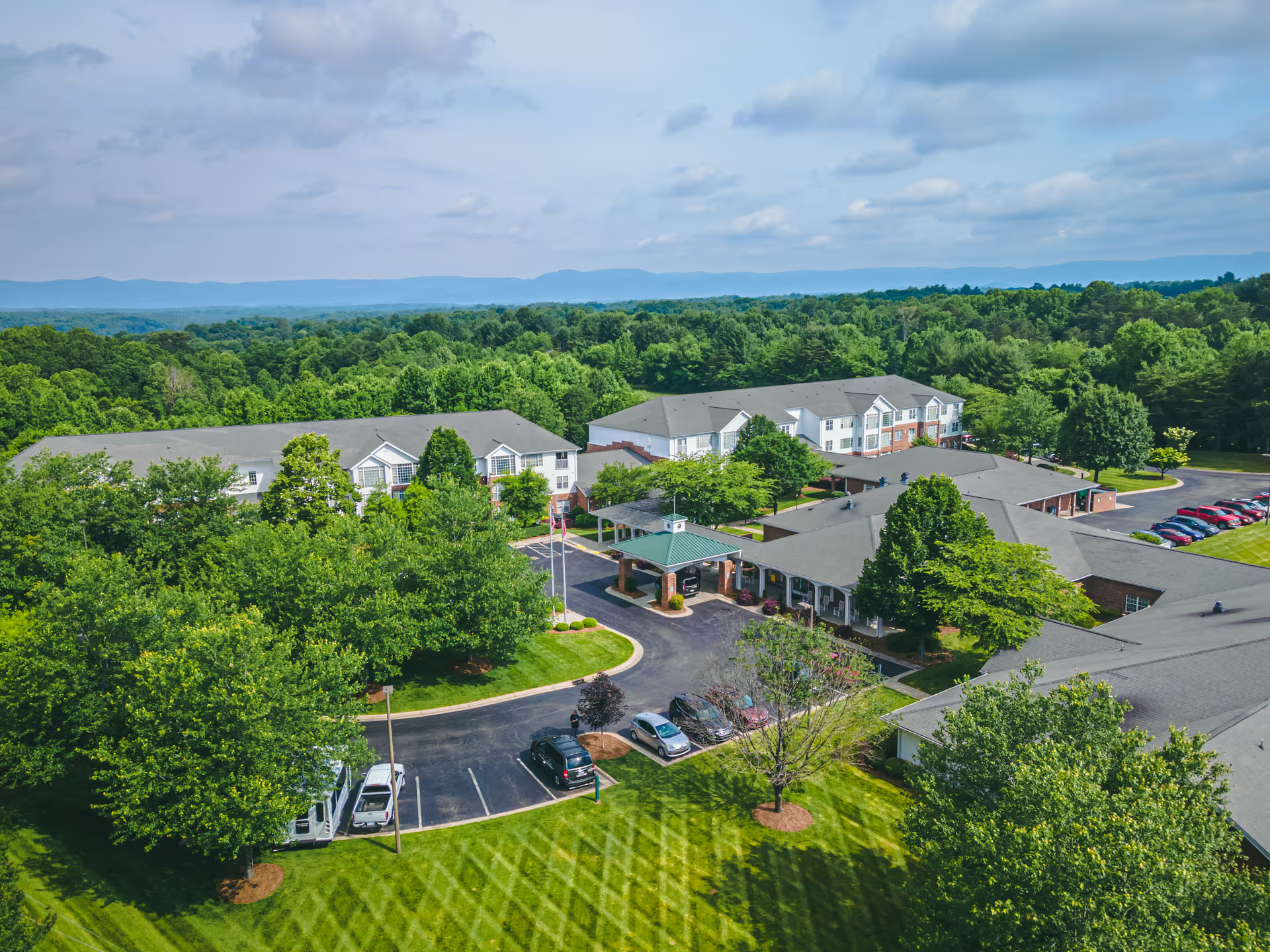
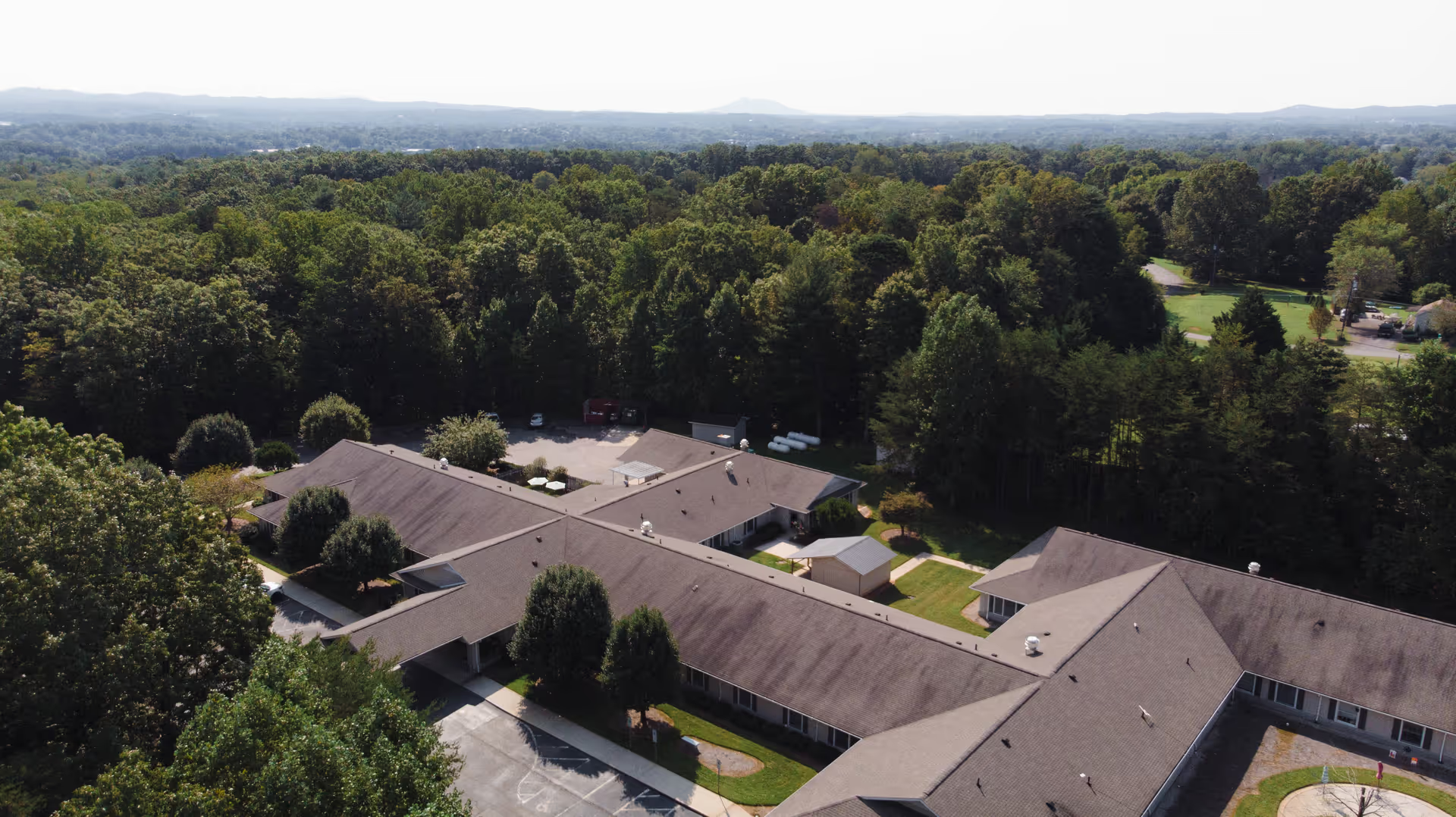
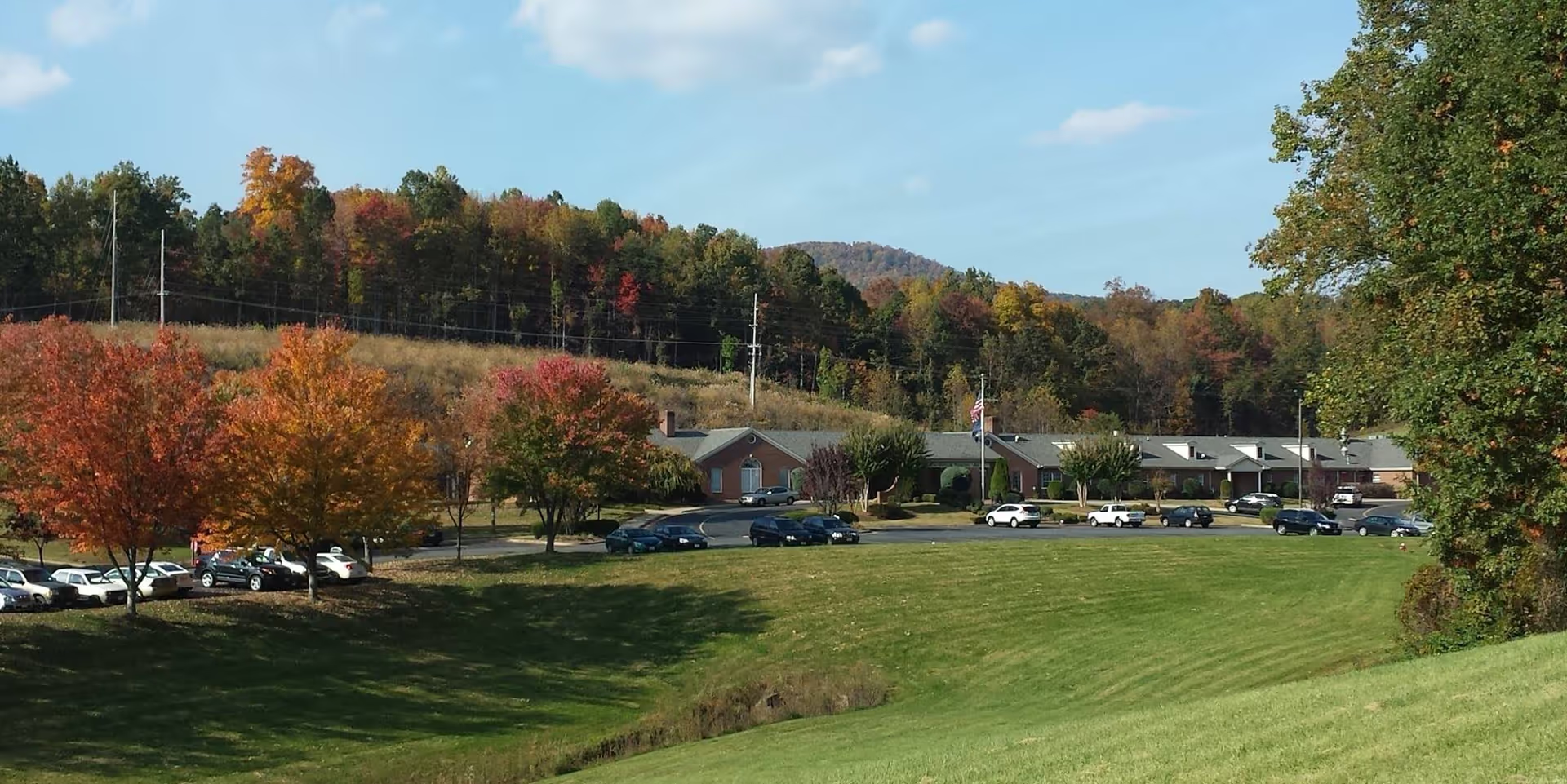
Pulaski Health & Rehabilitation Center receives extensive praise for its rehabilitative services and the interpersonal quality of direct care staff. The therapy department — physical, occupational and speech therapy — is repeatedly described as skilled, goal-focused and well-equipped; families cite frequent therapy sessions, effective progressive plans, and tangible mobility gains. Many reviewers attribute successful discharges and functional improvement to therapy staff and the rehab gym equipment. The facility also offers private rooms and an atmosphere that several families characterize as home-like and welcoming.
Caregiving staff, including nurses and CNAs, are commonly described as compassionate, attentive and personable. Numerous individual caregivers and CNAs are named and praised for daily assistance, emotional support, and family communication. Admissions and reception staff are often noted as helpful and organized, and housekeeping receives frequent commendation for keeping common areas clean. The recreation program and activities are a strong positive: arts and crafts, themed events, spiritual support and family-inclusive programming are cited as contributors to residents’ social engagement.
Despite these strengths, reviews reveal persistent operational inconsistencies. Staffing levels and responsiveness appear uneven across shifts; delayed responses to call lights and delays in assistance are a recurrent concern. Several reviews identify communication breakdowns between physicians/advanced practitioners and nursing, leading to delayed orders, incomplete diagnostic follow-up, and occasional medication-administration or pharmacy coordination delays. A limited number of reviewers described serious clinical escalation events; while these appear infrequent relative to the volume of positive feedback, they highlight the importance of clear escalation pathways and timely provider follow-through.
Dining and environmental services receive mixed feedback. Many families praise restaurant-style dining, accommodating dietary managers, and flexible meal options, but others report a decline in meal quality after a subcontractor change and errors with dietary specifications. Cleanliness is often praised for common areas and overall appearance, yet some reviews note localized sanitation and odor concerns and inconsistencies in room cleaning and laundry/personal-item handling. Facility layout and signage also present practical issues for some visitors and residents, particularly in the newer wing where walking distances and wayfinding were cited as challenges.
Management and leadership impressions vary. Several reviewers commend proactive administrators, department heads on the floor, and visible problem-solving; others describe uneven administrative follow-through and isolated concerns about tone and responsiveness in management interactions. This mixed pattern suggests variability in how operational issues are handled and resolved. Prospective residents and families considering Pulaski would benefit from asking specific, contemporaneous questions about current staffing ratios, medication and diagnostic protocols, dietary management (including subcontractor status), laundry procedures, visitation policies, and point-of-contact for concerns. For those whose primary need is intensive rehabilitation, the facility’s strong therapy program and supportive caregiving culture are important strengths; for families prioritizing consistently rapid nursing responsiveness and tightly coordinated clinical follow-up, it would be prudent to confirm these operational details during a tour and pre-admission discussion.