Overall impression is mixed: reviewers consistently praise the facility's clinical supports and caregiving staff while identifying operational and facility-related weaknesses that affect family satisfaction. Positive comments emphasize a stable, compassionate workforce and specialized clinical capacity: the facility maintains a dedicated Dementia/Alzheimer's unit, accepts TBI clients, and staffs both a psychologist and a psychiatrist. Families and placement professionals describe smooth transitions for new residents and note that the facility will provide pro bono placement in certain cases. A low attrition rate among staff is presented as a strength that supports continuity of care.
Care and staff: Care quality is characterized as attentive and compassionate by several families. Staff are repeatedly described as hard-working and committed, and the presence of on-site mental-health professionals is a notable clinical asset for residents with cognitive or behavioral needs. The facility's willingness to accept higher-acuity referrals (TBI, dementia) and to coordinate placements is another point frequently mentioned. At the same time, reviewers express concerns about inconsistent supervision in day-to-day operations — examples include lapses in oversight that can affect resident safety and personal interactions. These observations suggest strengths in clinical staffing but gaps in routine monitoring and safeguards.
Dining and activities: Dining receives positive feedback; food quality is described favorably. Programming includes religious services and organized activities, which families view as meaningful social and spiritual supports. These offerings appear to contribute positively to resident quality of life, particularly for those with dementia who benefit from structured engagement.
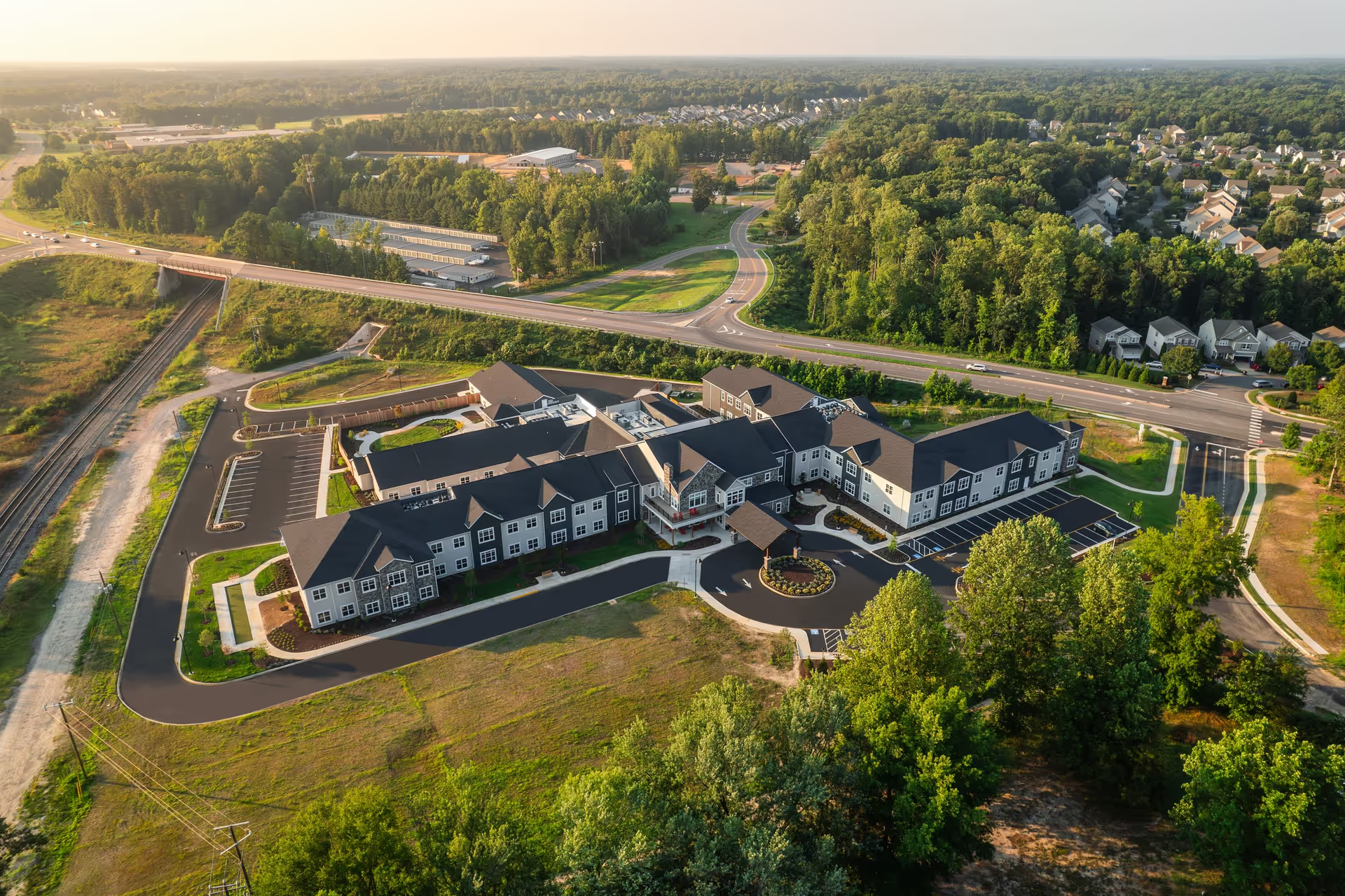
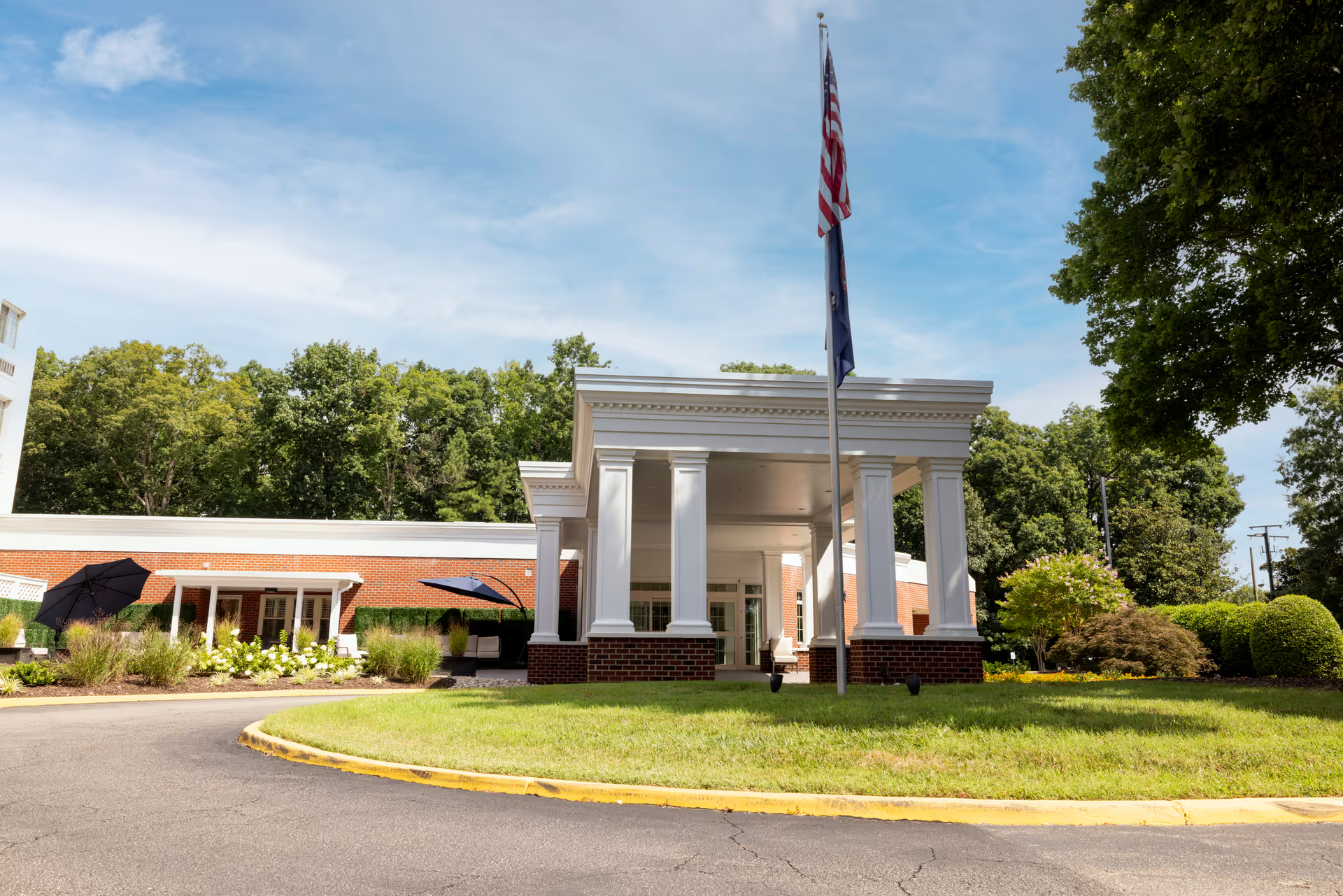
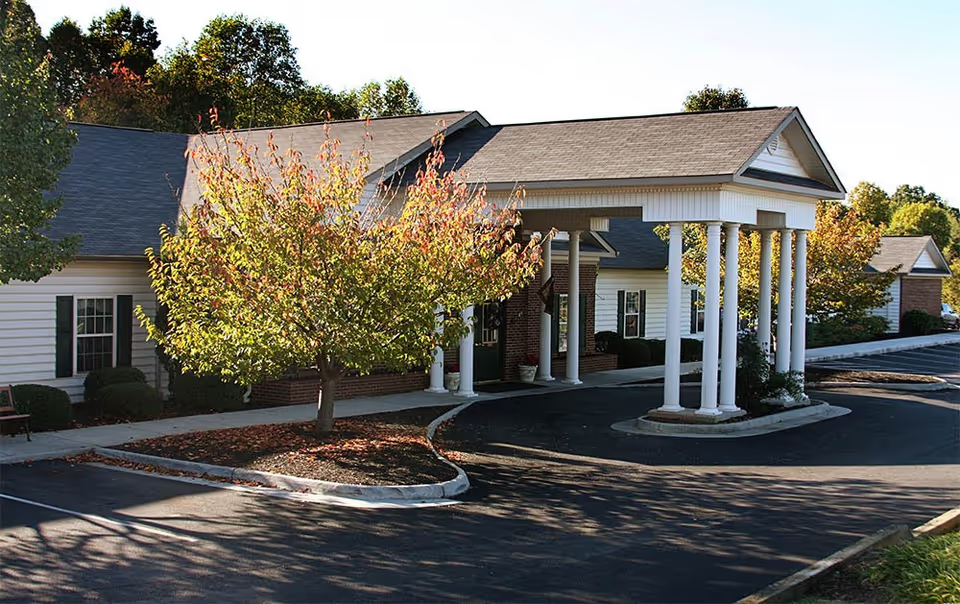
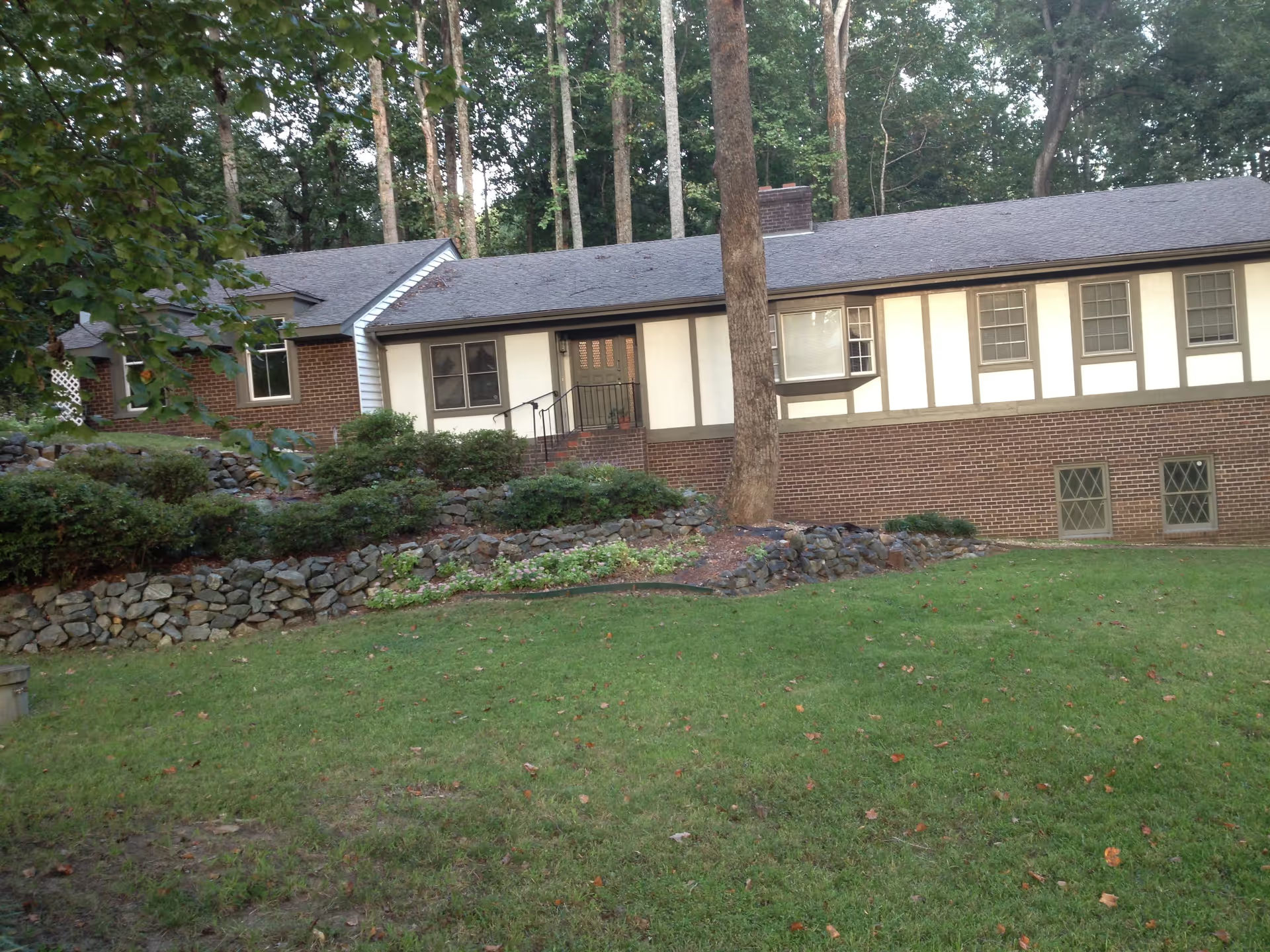
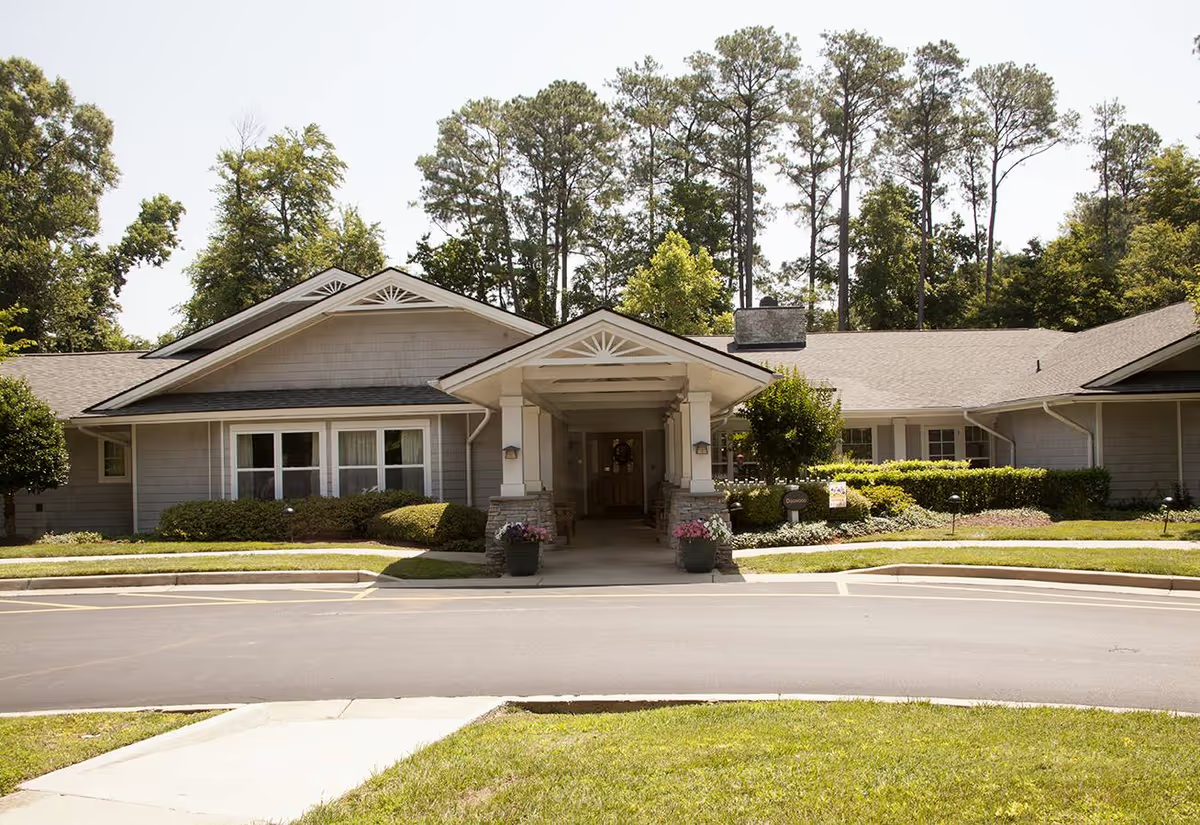
Facilities and operations: Physical plant and operational issues are recurrent themes. Reviewers cite deferred maintenance needs, a temperamental elevator, and parking or exterior-access concerns. Interior areas and rooms are generally described as clean, but overall facility upkeep and infrastructure reliability are areas for improvement. Administrative and organizational shortcomings — described as lack of organization or inconsistent processes — are another pattern that families identify. These operational weaknesses intersect with supervision gaps and with concerns about financial protections for residents; at least one instance of resident solicitation raised questions about monitoring of resident financial interactions.
Management and notable patterns: Management style is described by some as rigid or strict, which can influence family interactions and perceptions of responsiveness. While clinical resources and staff dedication are clear strengths, the combination of organizational disorganization, maintenance shortfalls, and supervision/financial-protection gaps creates mixed impressions. Prospective families should weigh the facility's specialized clinical capabilities and stable caregiving staff against operational limitations and consider an on-site visit to assess the physical plant, review supervision protocols, and discuss management and financial-safeguard policies in detail.