Reviewer feedback for Rosedale Health & Rehabilitation presents a mixed picture with clear strengths in its rehabilitation services and administrative responsiveness, and recurring operational weaknesses in day-to-day nursing and aide care. The facility's physical and occupational therapy programs receive frequent praise for individualized plans, measurable gains in mobility and stamina, and confident, safety-focused transfers. Many families credited therapy teams with meaningful functional recovery and successful discharge outcomes.
Staffing and clinical-care quality show notable variability. Nursing and nursing-assistant performance ranges from compassionate and competent to brusque or inattentive, with multiple accounts of slow response times to call lights and lapses in basic assistance. Several reviews describe gaps in medication administration, missed treatments, and inconsistent clinical documentation; these issues have been associated with additional medical care needs or hospital transfers in isolated cases. Wound-care practices and other higher-acuity clinical oversight were flagged as inconsistent, indicating an area for targeted quality improvement.
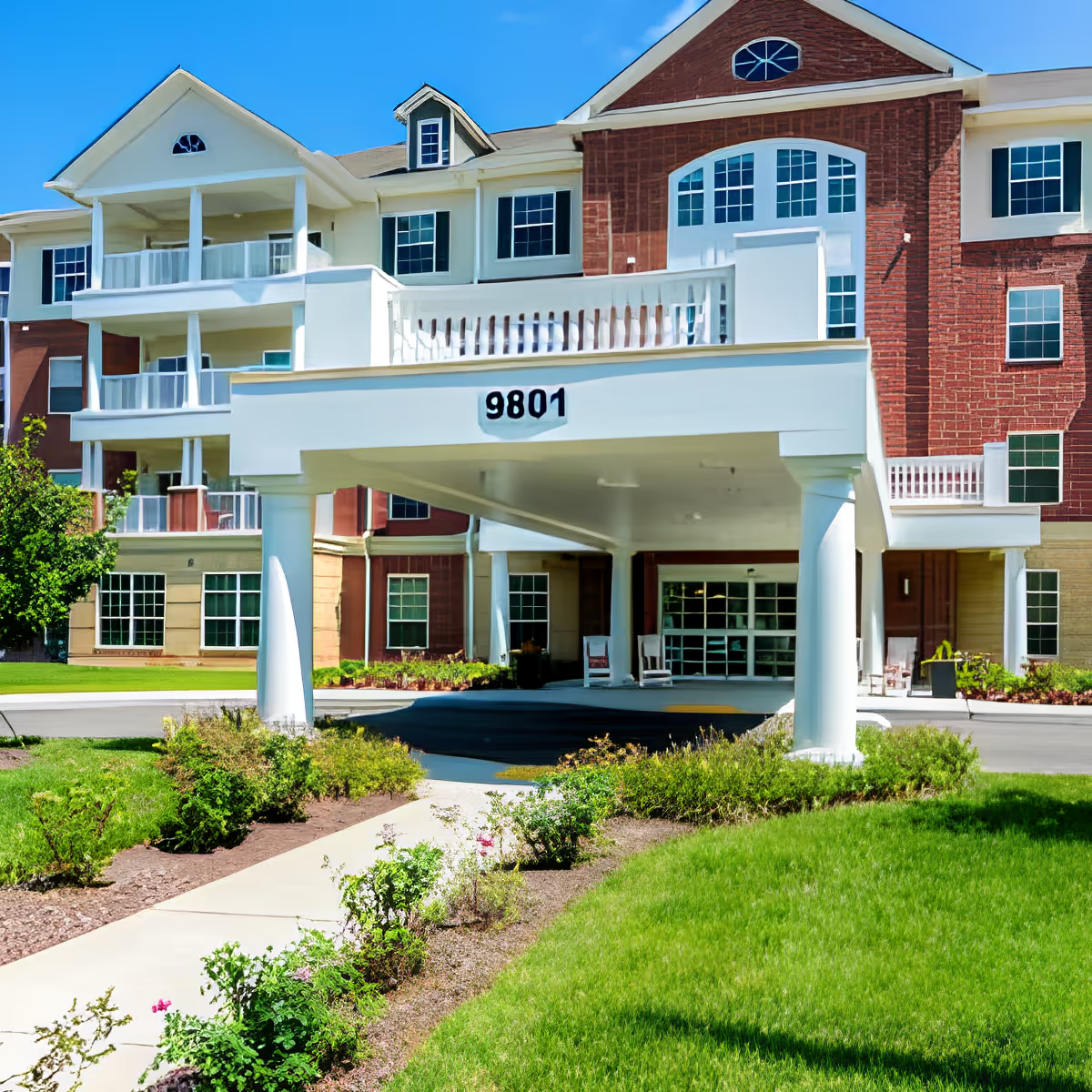
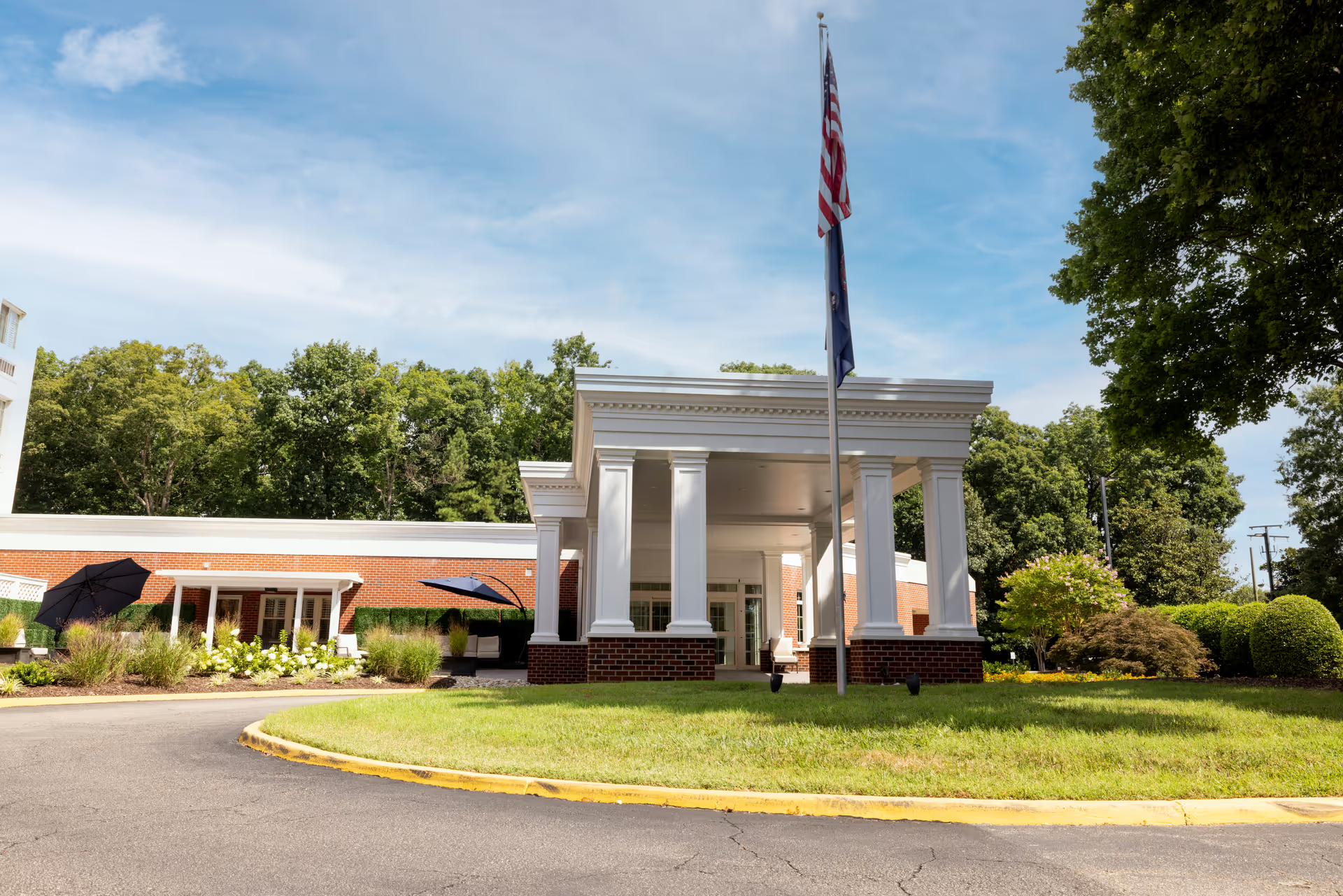
Dining and daily living operations are likewise mixed. Numerous families praised meal quality and the role of food in recovery, while others described late trays, limited menu choices, and uneven vegetable availability. Housekeeping and maintenance are often cited as strengths—many reviewers highlight timely maintenance and a generally well-kept facility—yet other families raised sanitation and odor concerns in some units and described older, cramped resident rooms that contrast with the cleaner common areas.
Activities and family access are consistent positives. The facility offers a variety of social programming, flexible visitation, and staff who facilitate resident engagement. Administrative leadership draws favorable comments for being responsive and involved; several reviewers noted improvements under new leadership and named administrators who assisted with admissions and coordination. At the same time, communication with families can be inconsistent: some families describe proactive advocacy and clear discharge planning, while others experienced delayed callbacks, billing frustrations, or pressure related to length-of-stay decisions.
Taken together, the dominant pattern is one of excellent rehabilitation services and pockets of strong, attentive staff and administration, offset by operational variability in staffing levels, bedside responsiveness, clinical-administration processes, and certain cleanliness and dining practices. Prospective residents and families should weigh the facility's strong therapy program and administrative responsiveness against the documented variability in day-to-day nursing and aide care, and consider asking specific, documented commitments about staffing ratios, medication and wound-care protocols, and communication practices during tours and admissions discussions.