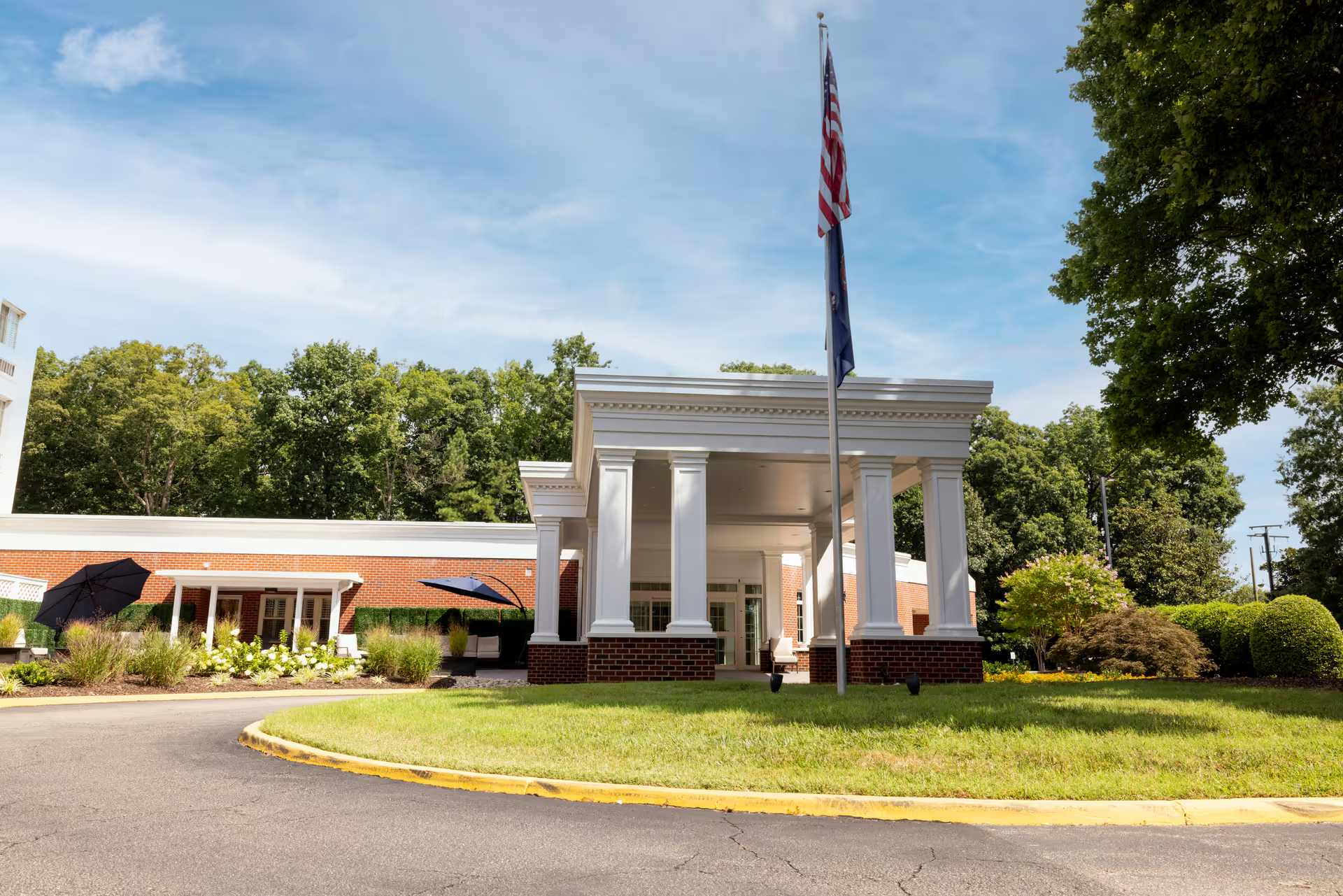
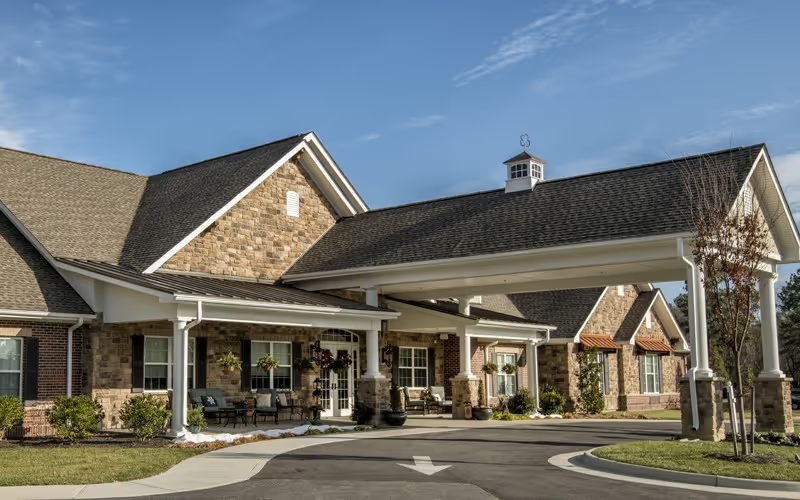
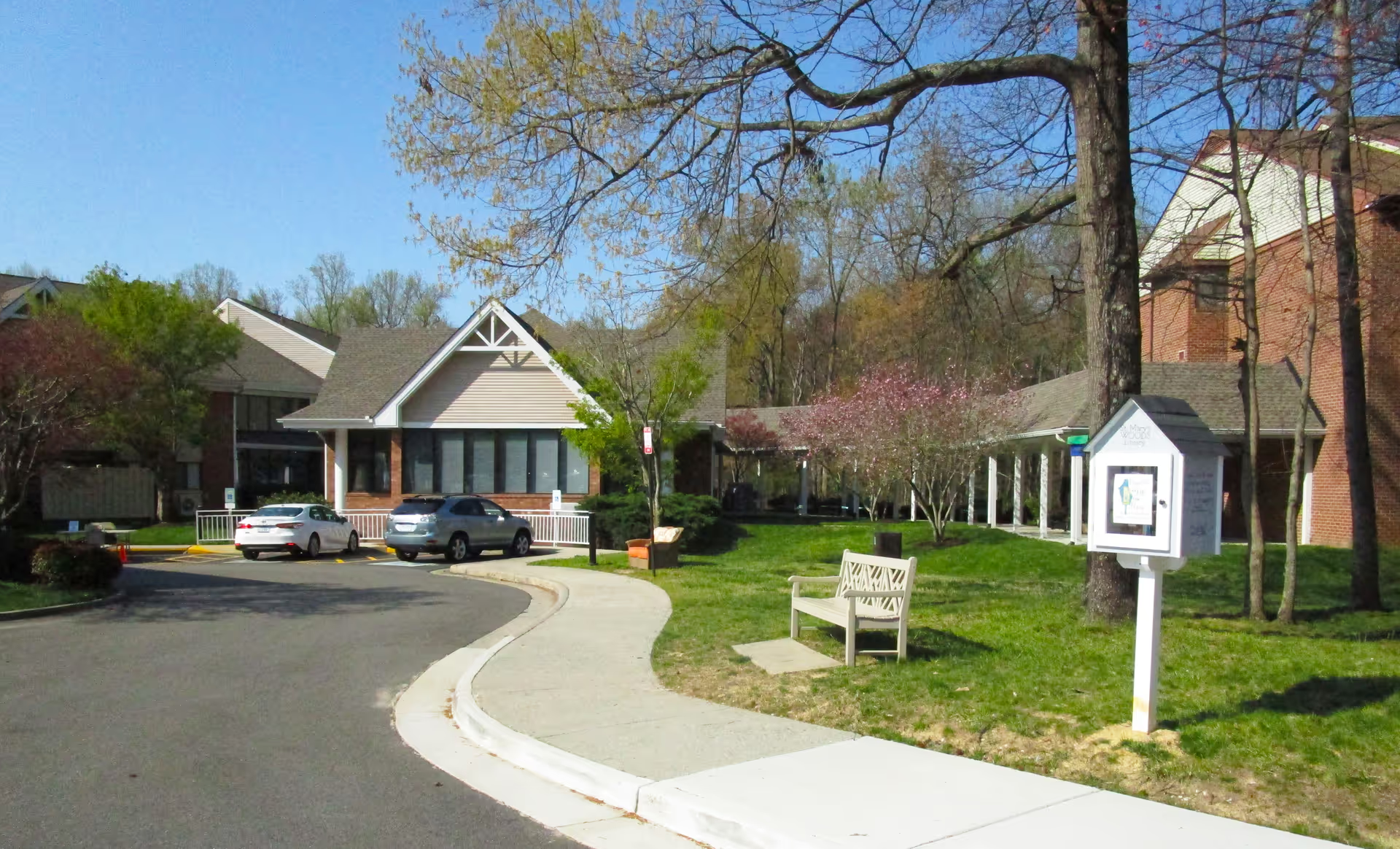
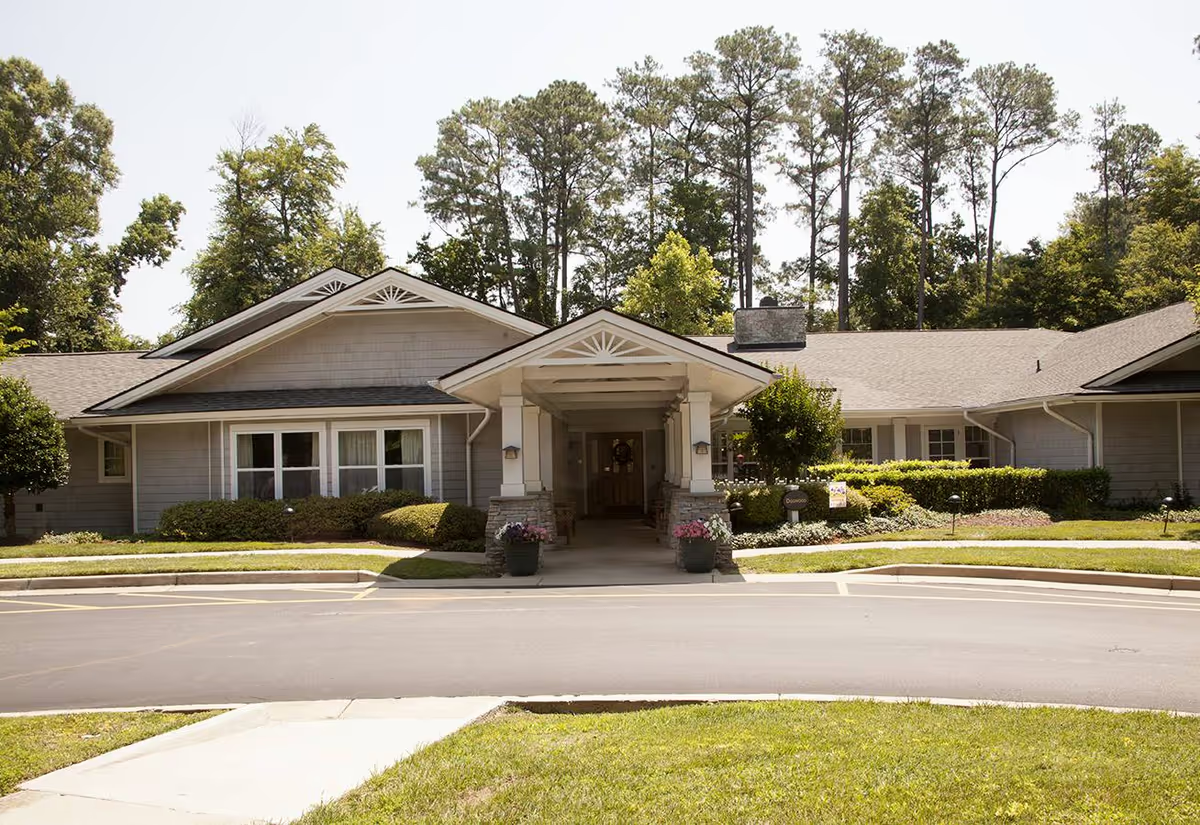
The review corpus for Southampton Rehabilitation & Healthcare Center is highly polarized, with many families describing strong positive experiences alongside accounts of significant operational concerns. Positive accounts emphasize compassionate bedside care, an effective therapy program that produces measurable recovery for short-term rehabilitation, attentive admissions and front-desk teams, and a robust activities program that supports social engagement. Multiple reviewers also note clean and welcoming common areas, active renovation efforts, and efficient transportation and discharge coordination.
Care quality appears uneven. Numerous reviews praise individual nurses, CNAs, therapists, and wound-care specialists for attentive, personalized care and good communication with families. At the same time, others describe delayed clinical response, missed changes in condition, and inconsistencies in medication administration and clinical documentation. Related operational themes include insufficient RN coverage at times, delays in assistance with activities of daily living, and variable follow-through on wound and skin-care plans. Families seeking placement should specifically inquire about current staffing ratios, wound-care protocols, and medication-safety procedures.
Dining, activities, and therapy are frequent strengths. Many families applaud varied menus, enjoyable special events (proms, balloon volleyball, life-enrichment outings), and a therapy team that is described as motivating and result-oriented. Conversely, food temperature and meal consistency are recurring complaints, and some reviewers cited missed or delayed meal service. Activities and social programming are consistently reported as engaging and helpful to resident morale.
Facility condition and management present mixed signals. Several reviewers describe a clean, well-maintained facility with visible improvement and renovation work; others cite odor concerns in certain units, maintenance delays (including elevator and room infrastructure issues), and inconsistent laundry or personal-belongings handling. Administrative leadership is likewise described variably: some families credit visible, hands-on directors and improved direction under new management, while others report unresponsiveness, departmental miscommunication, billing delays, and allegations of theft or mishandling of belongings. A small number of reviews reference regulatory inquiries and concerns following a resident's death; these are serious items that merit direct discussion with facility leadership and review of any public regulatory records.
Notable patterns: (1) Frontline staff and therapy receive frequent, specific praise and are the facility's primary strength; (2) operational consistency—staffing, meal service, sanitation, documentation, and property management—is the principal area of concern; (3) leadership and quality-improvement efforts appear to be changing over time, with both reports of improvement and reports of ongoing issues. For prospective residents and families, recommended due diligence includes an in-person tour, targeted questions about current staffing and clinical oversight, review of incident and regulatory histories, clarification of meal and laundry processes, and periodic checks on documentation and belongings. That approach will help balance the facility's clear strengths in rehabilitation and engagement with the operational risks highlighted in the review set.