The reviews for Westport Rehabilitation and Nursing Center are strongly polarized: many families and patients praise a robust rehabilitation program and individual staff members, while a substantial number of accounts describe operational failures that affected basic care and safety. The facility’s rehabilitation services — physical therapy, occupational therapy, and speech therapy — are consistently cited as a major strength. Reviewers highlight skilled, motivating therapists, a large gym with modern equipment, individualized treatment plans, and measurable mobility improvements. For patients focused on recovery and functional gains, Westport’s therapy team appears to deliver high-value outcomes.
Staffing and nursing care elicit mixed impressions. Numerous reviews commend individual nurses, CNAs, admissions coordinators, and recreational staff for compassionate, attentive interactions and proactive problem-solving. Admissions and discharge coordination, social work, and maintenance support receive frequent positive mentions for helping transitions and equipment arrangements. However, an equally large set of reviews documents inconsistent nurse and aide responsiveness, long call-bell response times, and weekend/night coverage shortfalls. Those operational weaknesses translate into delays in personal care, missed or late medication administration, and variable attention to toileting and bathing schedules. Families should expect variability in bedside responsiveness depending on shift and unit.
Dining and activities present a similar split. The activities program is repeatedly described as a strength — organized events, daily exercise classes, memory therapy, and social opportunities that contribute to resident well-being. Dietary staff are noted for accommodating special diets and providing alternative meal choices. At the same time, there are recurring concerns about meal timeliness, cold meals, occasional food-service lapses, and isolated pest-control observations. Prospective residents who prioritize an active social life and structured therapy programming are likely to benefit, while those who prioritize consistent meal-service quality should inquire specifically about current kitchen operations.
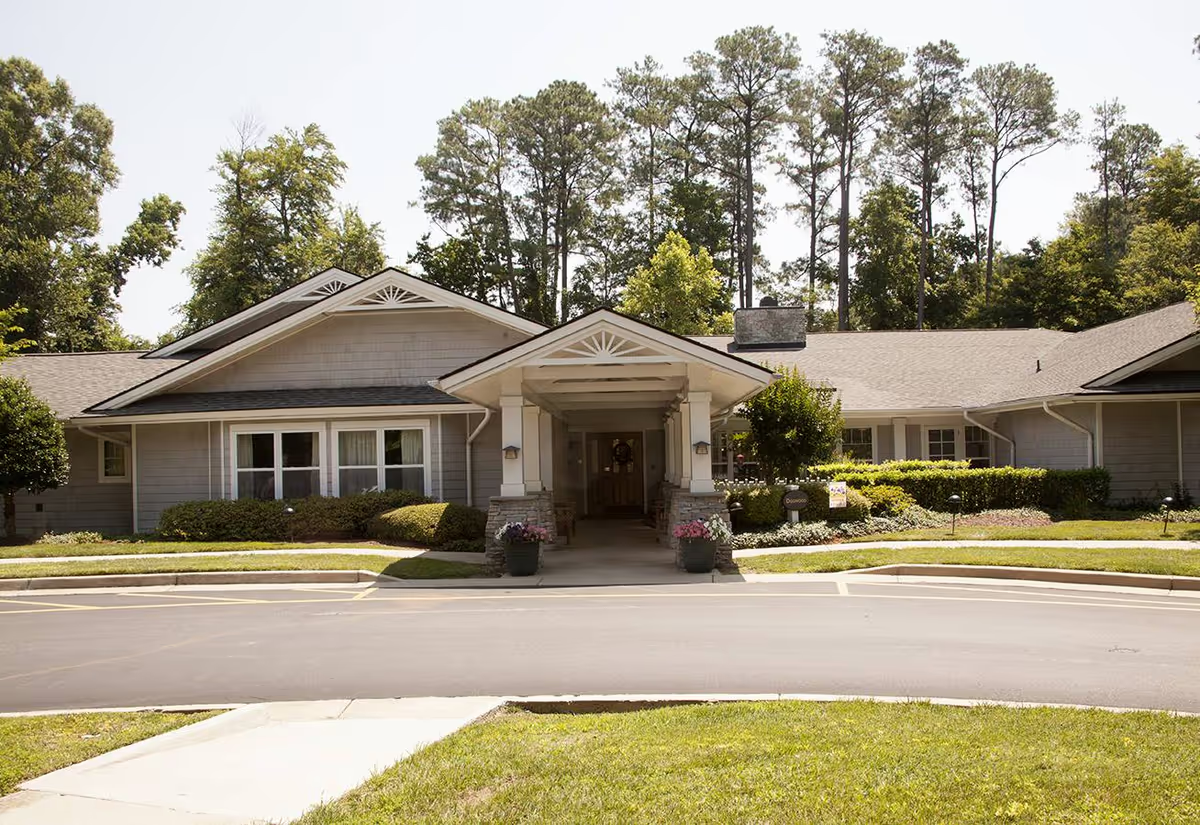
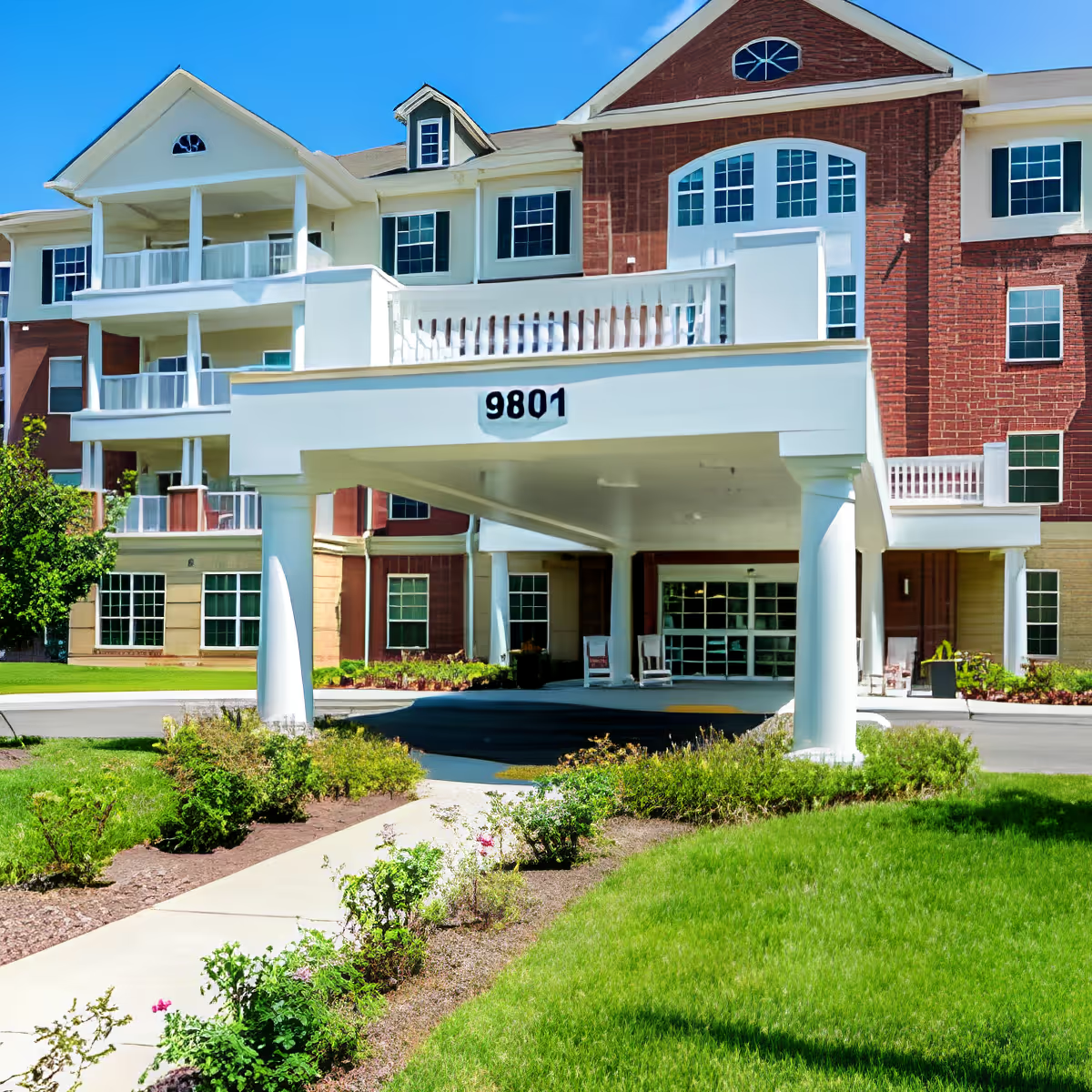
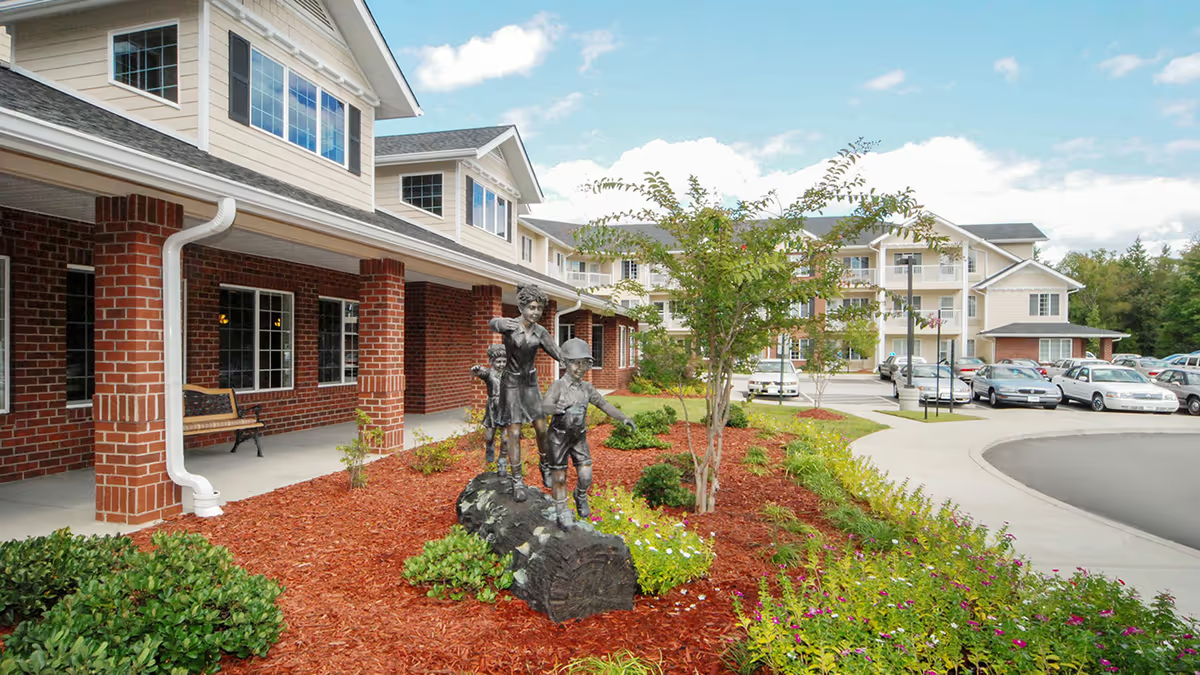
Facility condition and safety are areas of notable divergence. Several reviewers describe a clean, well-maintained, and welcoming environment; many others report aging infrastructure, accessibility barriers, dust or mold concerns in vents, narrow rooms that complicate mobility, and inconsistent housekeeping in resident rooms and shared bathrooms. Safety-process issues are raised repeatedly: falls, transfer-related incidents, and failures in fall-prevention or supervision are described in some accounts. These point to systemic gaps in supervision and transfer protocols rather than isolated clerical errors. For residents with complex or high-acuity medical needs, reviewers frequently recommend a facility with stronger clinical nursing capacity.
Management and organizational oversight emerge as a mixed picture. Several families praise responsive administrators, improvements under new leadership, and excellent department heads. Conversely, other reviews describe inconsistent oversight, slow complaint resolution, billing or admission-process frustrations, and in a subset of accounts, serious allegations that have prompted external media coverage or investigation. These serious claims — including concerns following resident deaths or regulatory scrutiny — warrant specific follow-up: families should ask the facility about current quality metrics, recent inspection results, and any open investigations before making placement decisions.
In summary, Westport offers a high-quality rehabilitation environment for many patients, driven by strong therapy staff and a robust activities program. At the same time, persistent operational issues — inconsistent cleanliness, variable nursing responsiveness, staffing shortfalls on off shifts, medication and pharmacy coordination weaknesses, and physical-plant/accessibility constraints — create risk for residents who require consistent medical supervision or intensive personal care. Prospective residents and families should weigh the therapy advantages against the variability in nursing and housekeeping reliability, and they should perform targeted due diligence: tour the specific unit, ask about staffing ratios by shift, review recent inspection reports, and speak with the therapy and nursing leaders responsible for a proposed care plan.