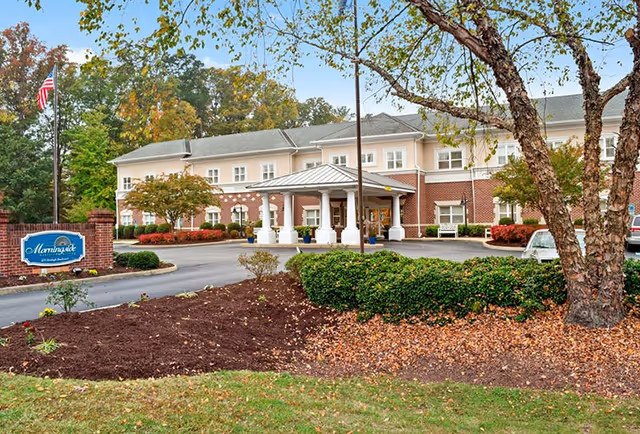
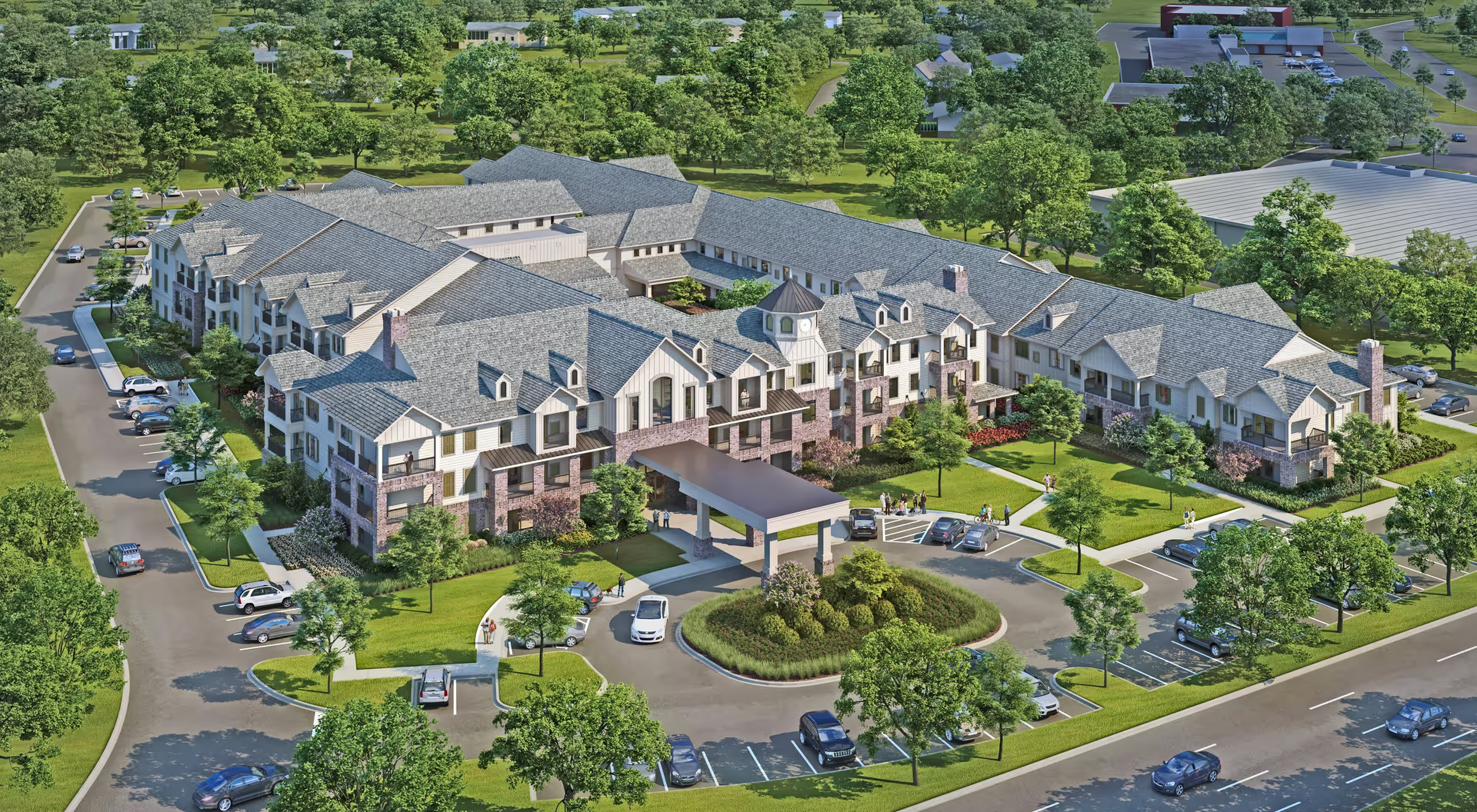
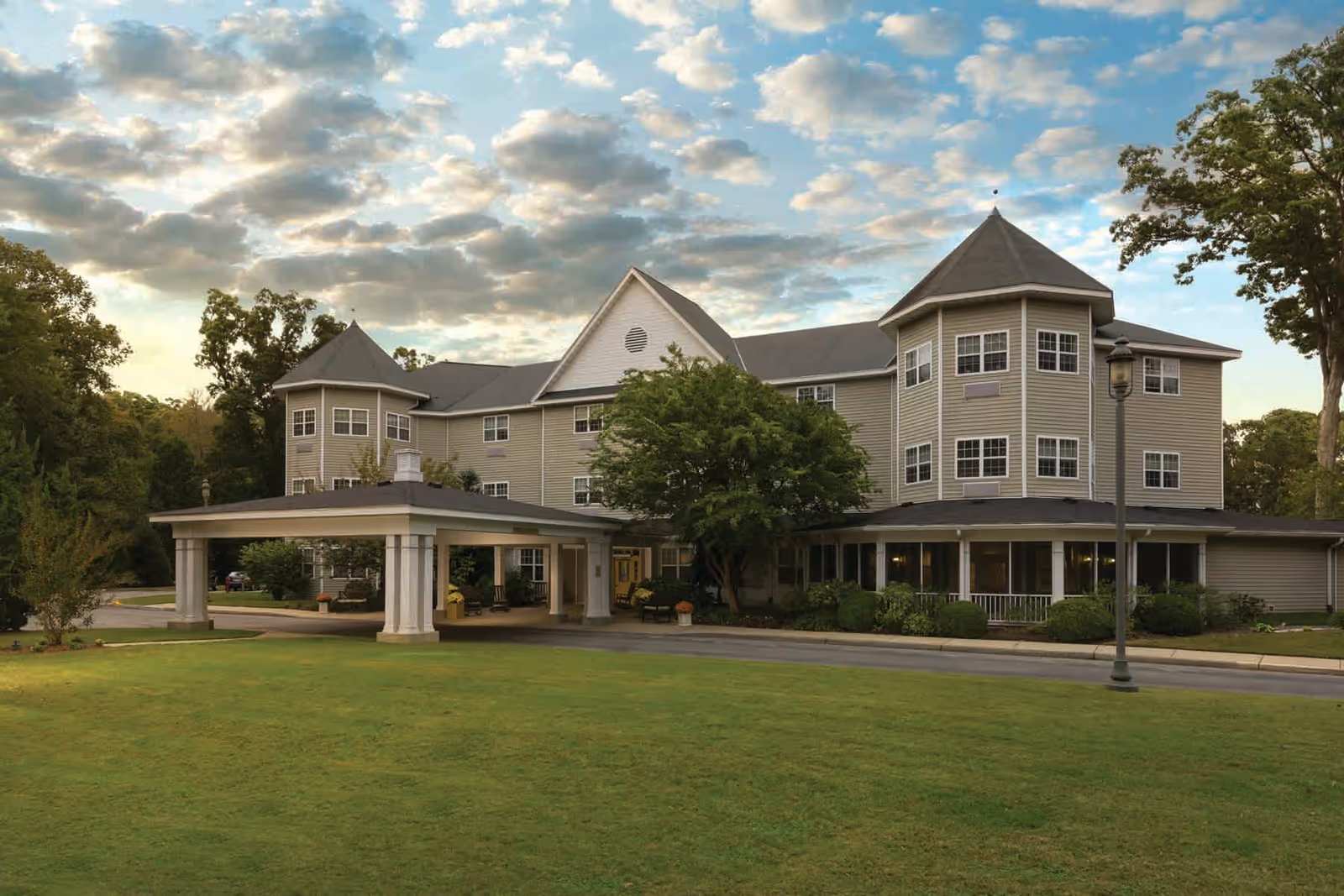
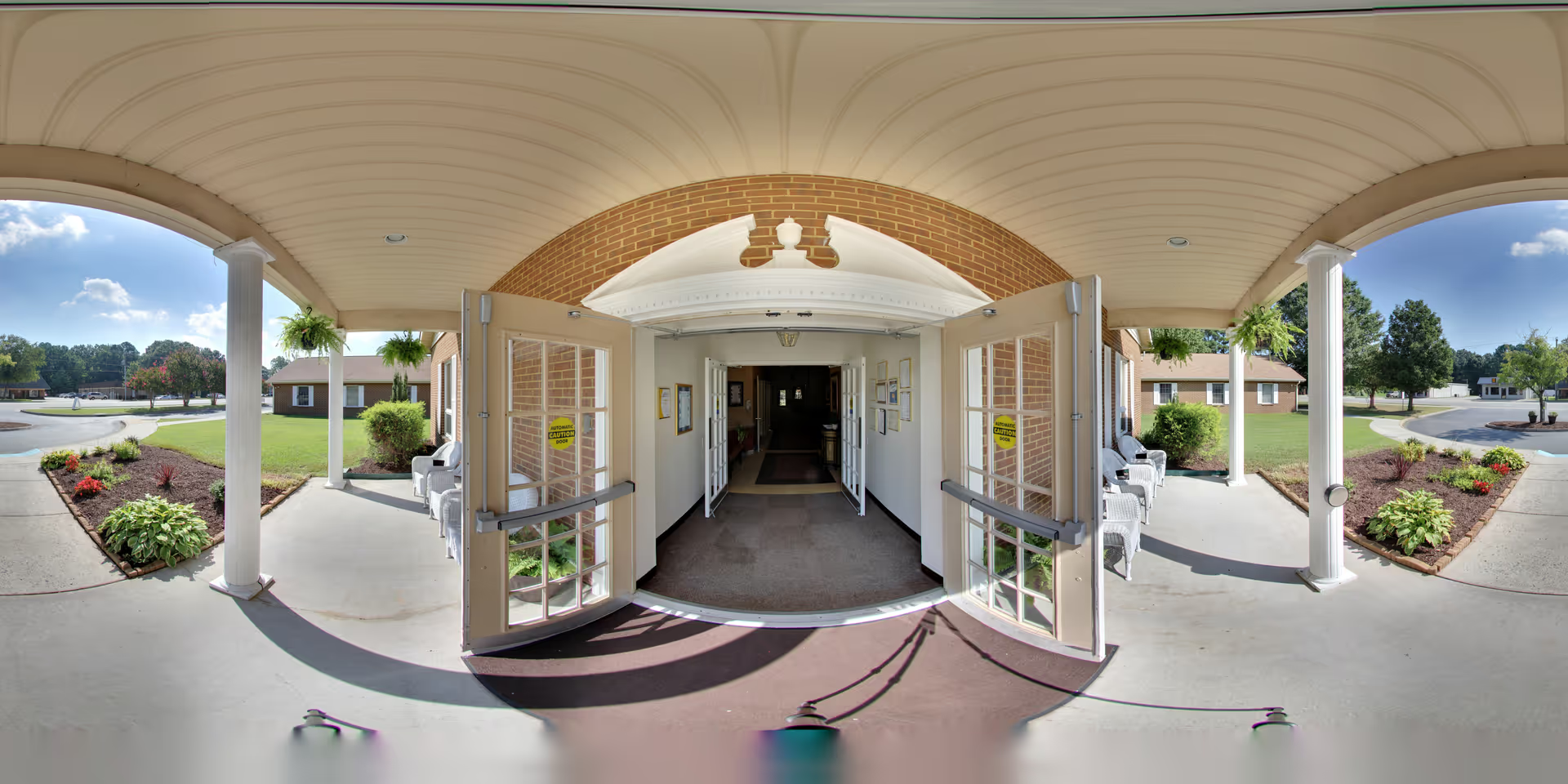
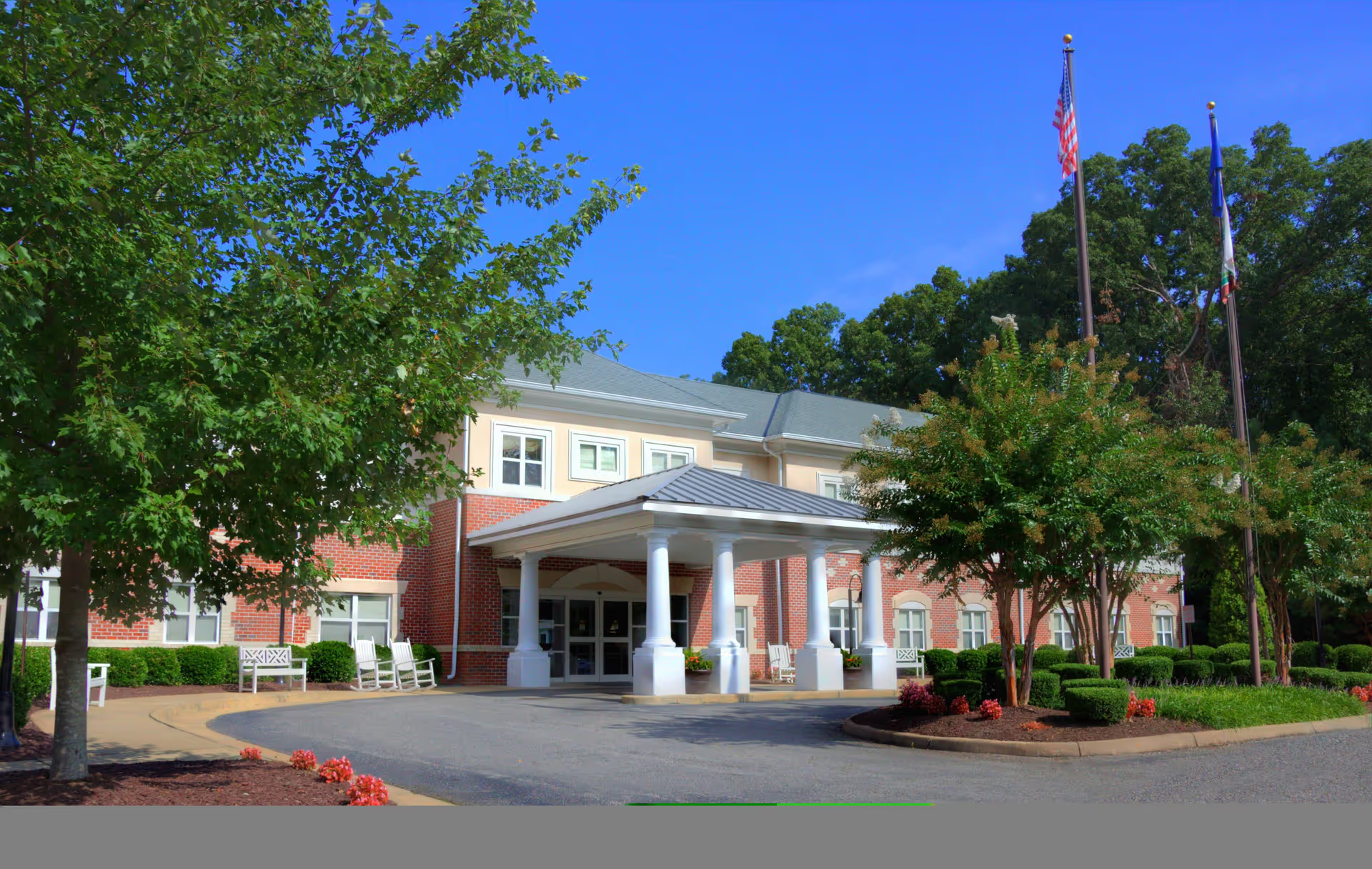
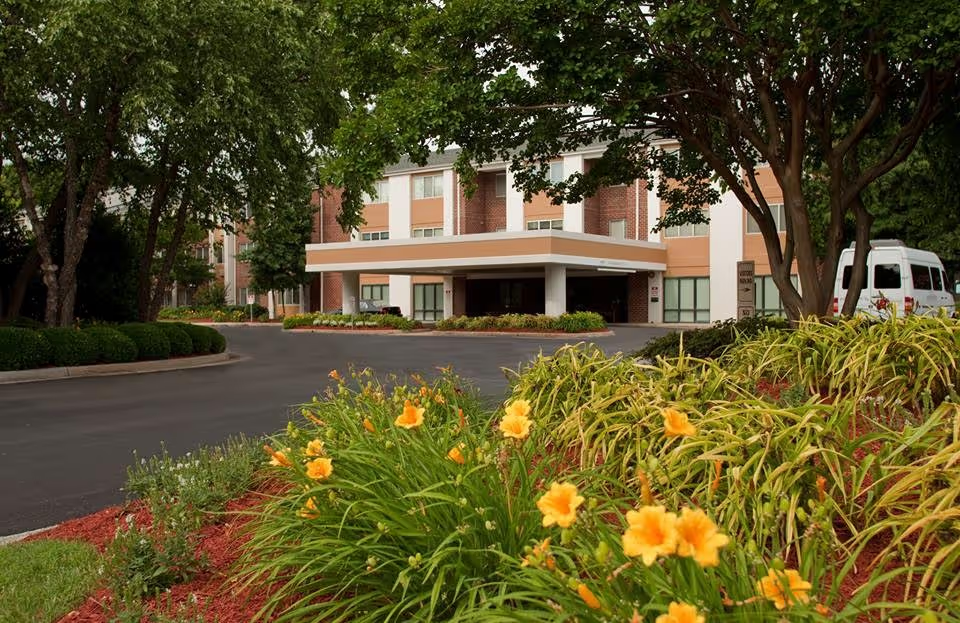
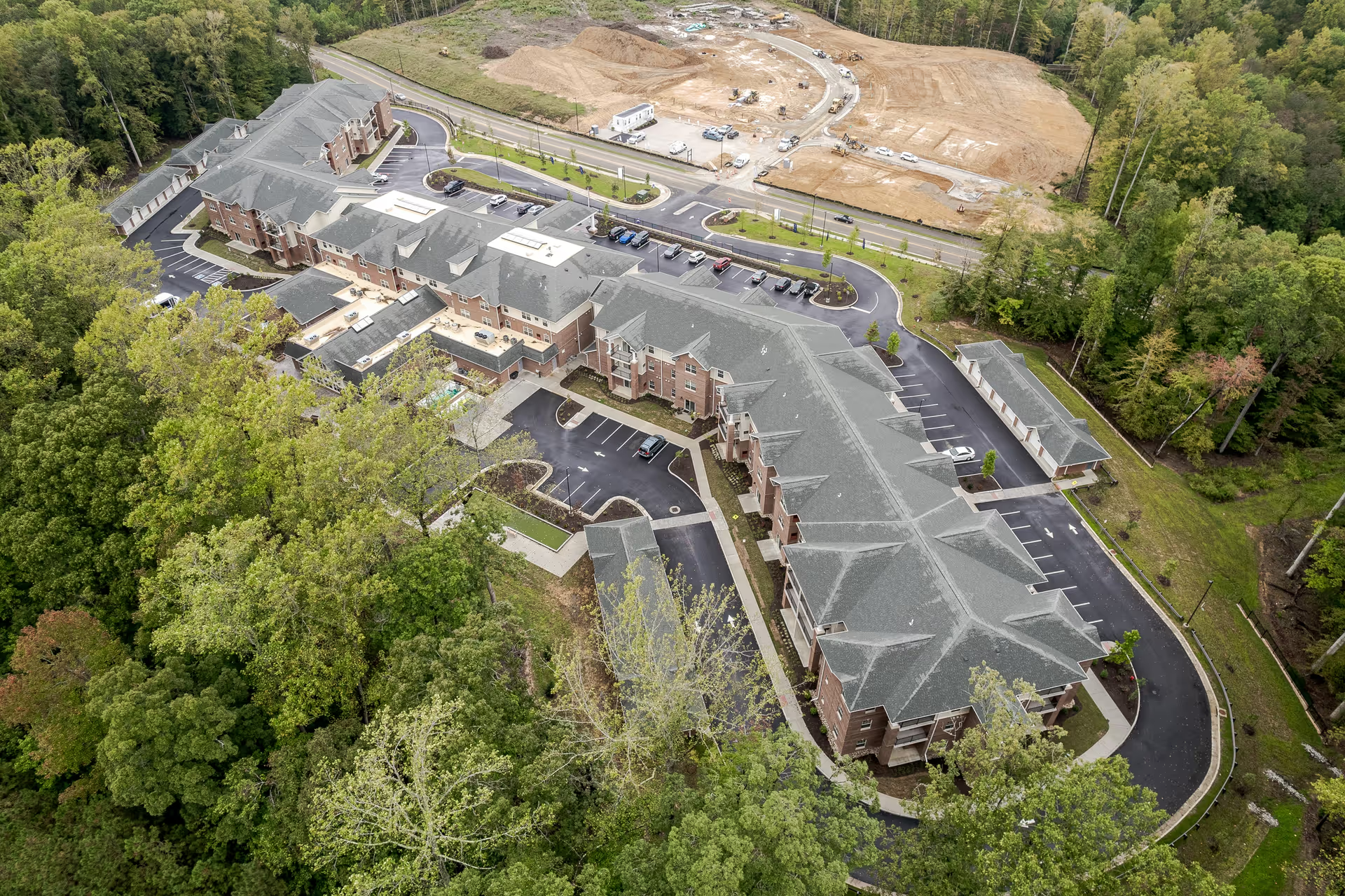
Colonial Harbor presents a mixed but generally positive profile for independent-living residents. Many comments emphasize a welcoming, family-like community, well-kept historic facilities and a wide range of amenities: restaurant-style dining, multiple social spaces, fitness and therapy-style classes, arts and crafts, frequent outings and an active events calendar. Apartment options commonly include kitchenettes, patios or balconies, and housekeeping and linen services are included for many residents. The property’s ground plan, landscaping and interior design (often described as a "cruise-ship" dining feel) are consistently praised.
Care and staff are frequently cited as the facility’s strongest assets. Front-line employees, including live-in managers and specific staff members, are described as compassionate, personable and attentive; several accounts highlight successful assistance with activities of daily living and good rapport between staff and residents. At the same time, there are repeated remarks about inconsistent staff responsiveness and communication in some cases, including changes in tone after move-in and slower attention for non-emergency requests. Prospective residents who require regular clinical oversight should note that Colonial Harbor is configured as independent living with limited on-site clinical coverage and no overnight nursing staff.
Dining and food service are a central theme with divergent experiences. The dining room environment and the concept of three daily meals are viewed positively by many; several reviewers praised the chef and food when staffing and menu leadership were stable. However, numerous comments describe variability in meal quality, preparation issues, missing menu items, and at least some food-safety concerns. Some families reported a perceived decline in food quality after chef or management changes and described corporate-level menu decisions as affecting meal satisfaction. If dining is a major factor, visitors should ask about current culinary leadership, sample menus, and the facility’s food-safety practices.
Activities programming is a highlight for residents who seek social engagement: scheduled exercise, chair yoga, arts, card games, concerts, and twice-monthly outings are commonly available. The staff organizing activities are often praised for creativity and friendliness. That said, the activities program has experienced variability — reductions or restrictions during infection-control periods, occasional leadership turnover, and constrained budgets that have, at times, reduced the frequency or variety of offerings.
Facility operations and maintenance show strengths and weaknesses. The property is often described as clean and well maintained, with useful amenities like on-floor laundry, salon services, library and accessible common areas. Countervailing concerns include slow responses to non-urgent repairs, intermittent equipment failures (refrigerators, vans), weak Wi‑Fi in parts of the building, and isolated sanitation issues in some public bathrooms. Transportation reliability is a recurring operational concern; the shuttle has been out of service at times or limited by an aging vehicle.
Management and administrative matters are mixed. Several reviewers singled out individual managers and the marketing director for positive engagement, while others described frequent leadership turnover, inconsistent responsiveness to family concerns, billing disputes, and unexpected rent increases. There are also serious individual allegations — including theft and mishandling of personal property — that families reported and that merit direct inquiry during a visit. Prospective residents should request clear billing terms, ask about recent leadership changes, and inquire how the community handles complaints and incident follow-up.
Overall, Colonial Harbor appears well suited for independent-living seniors who prioritize social programming, a staffed front line, and a historic, well-appointed environment. The main operational risk areas to evaluate during a tour are dining consistency and food-safety practices, transportation reliability, maintenance response times, clarity on clinical and overnight staffing, and billing transparency. Visiting at mealtime, meeting current activity staff, and asking for written policies on maintenance response, transportation schedules and recent fee history will help families assess whether the community’s current strengths align with their needs.