Harmony on the Peninsula elicits strongly mixed impressions. Many families and visitors praise the physical environment and frontline caregivers: the building is frequently described as clean and well‑appointed, apartments are roomy and often include kitchenettes, and common amenities (movie theater, library, bistro, craft and game rooms) are well liked. Direct‑care staff are repeatedly characterized as caring, friendly, and hardworking; several accounts note good coordination with hospice and on‑site clinical services, and the admissions/tour experience is often informative and welcoming.
Despite those strengths, a recurring operational theme is chronic understaffing that affects day‑to‑day care. Reviewers describe delays in attending to residents, inconsistent bathing and grooming schedules, linens not changed promptly, and longer waits for assistance with toileting or transfers. These issues have been linked to medication‑administration gaps in some accounts, occasional falls, and what families perceive as lapses in supervision—particularly in the memory‑care unit. While some families cite well‑managed medications and responsive nursing, others cite delayed clinical follow‑up and gaps in communication about incidents.
Dining and activities present a mixed picture. The facility offers restaurant‑style dining, varied menus, and homemade items that many residents enjoy; special treats and a bistro format are positives. At the same time, reviewers note inconsistent food quality and occasional disorganization in meal service (long waits, limited snacks at times). The activity program is robust on paper—trips, movies, crafts, and intergenerational events—but activity quality and evening/post‑dinner stimulation are described as uneven, and the memory‑care programming is specifically called out as inconsistent in supervision and engagement.
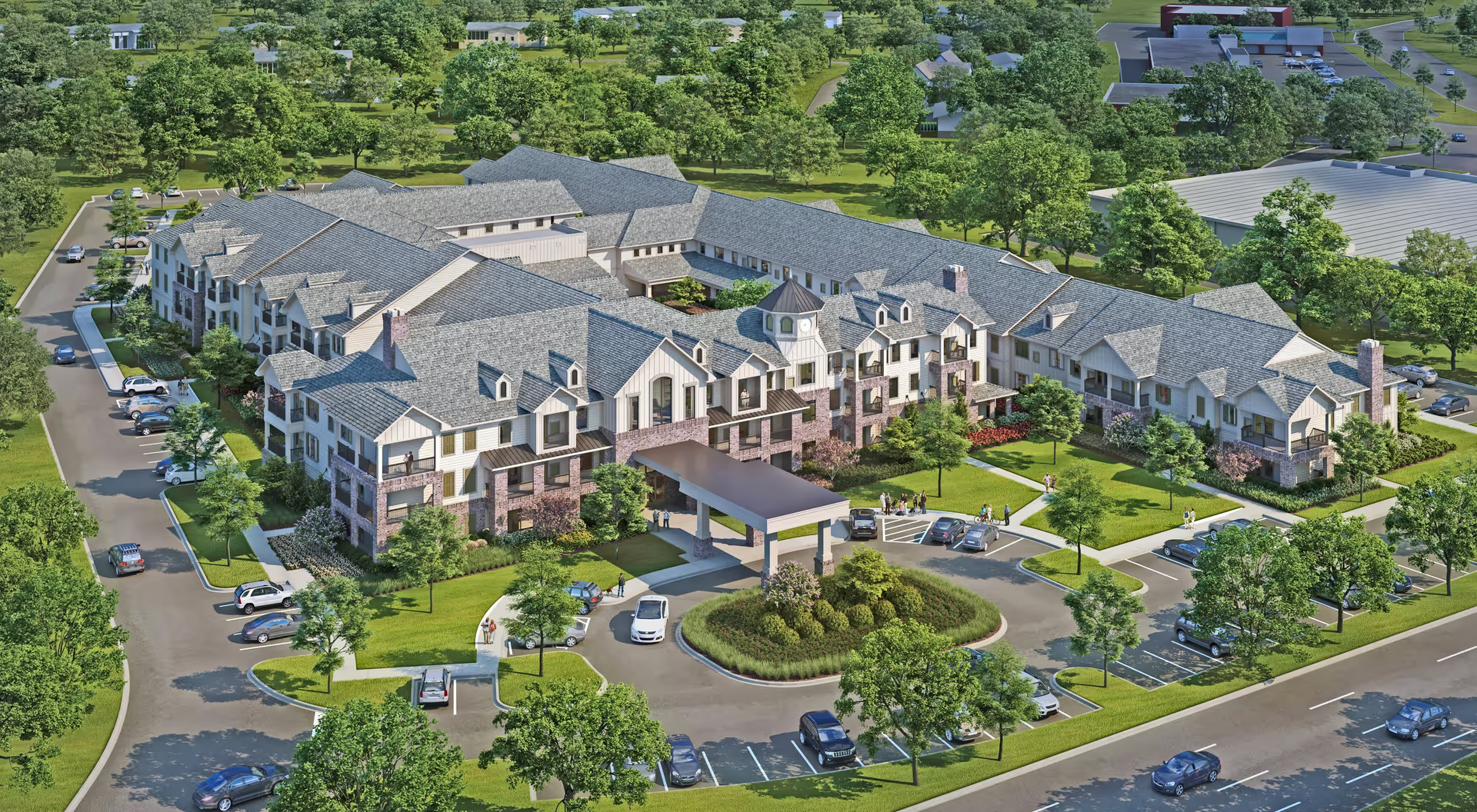
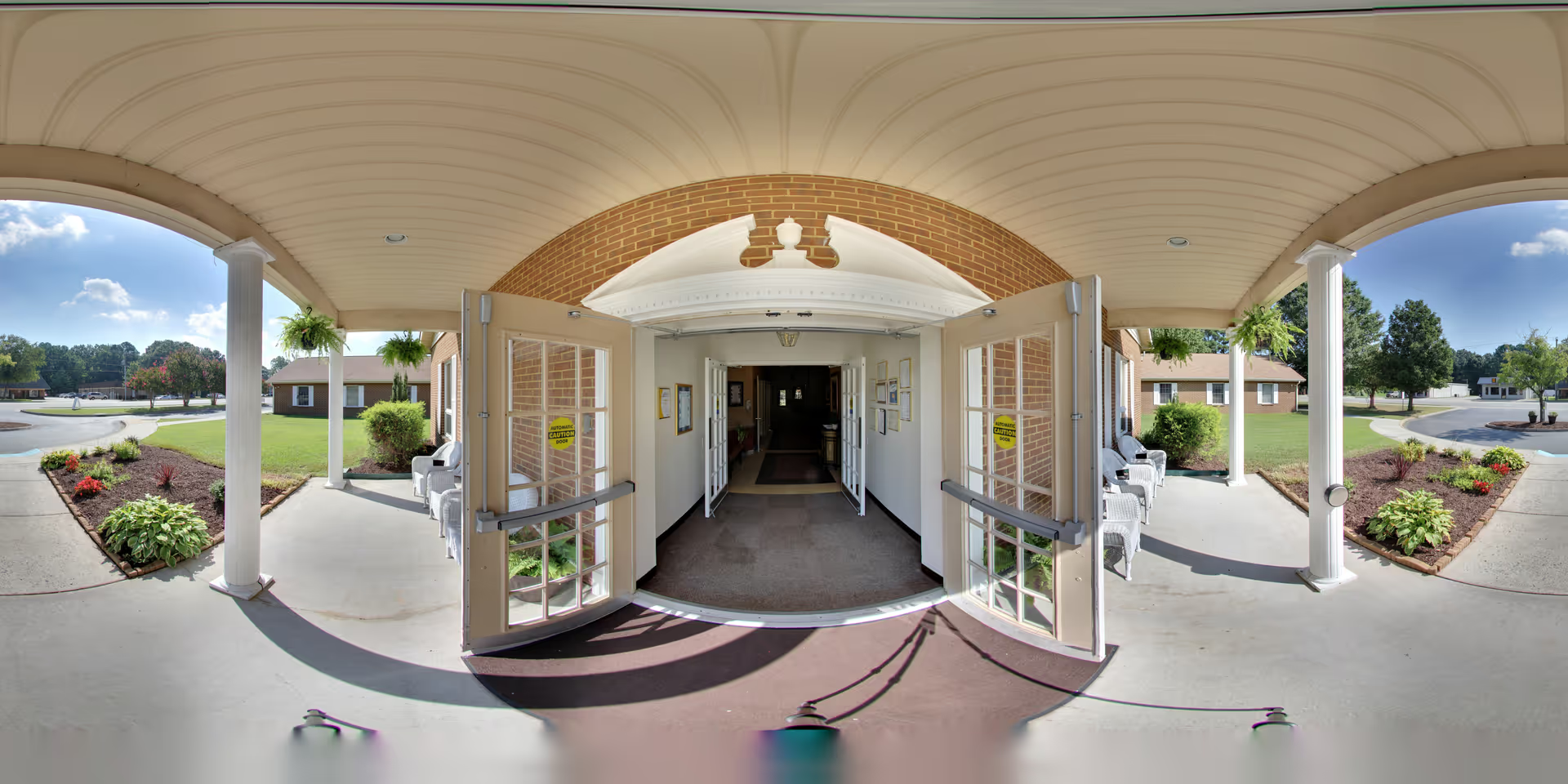
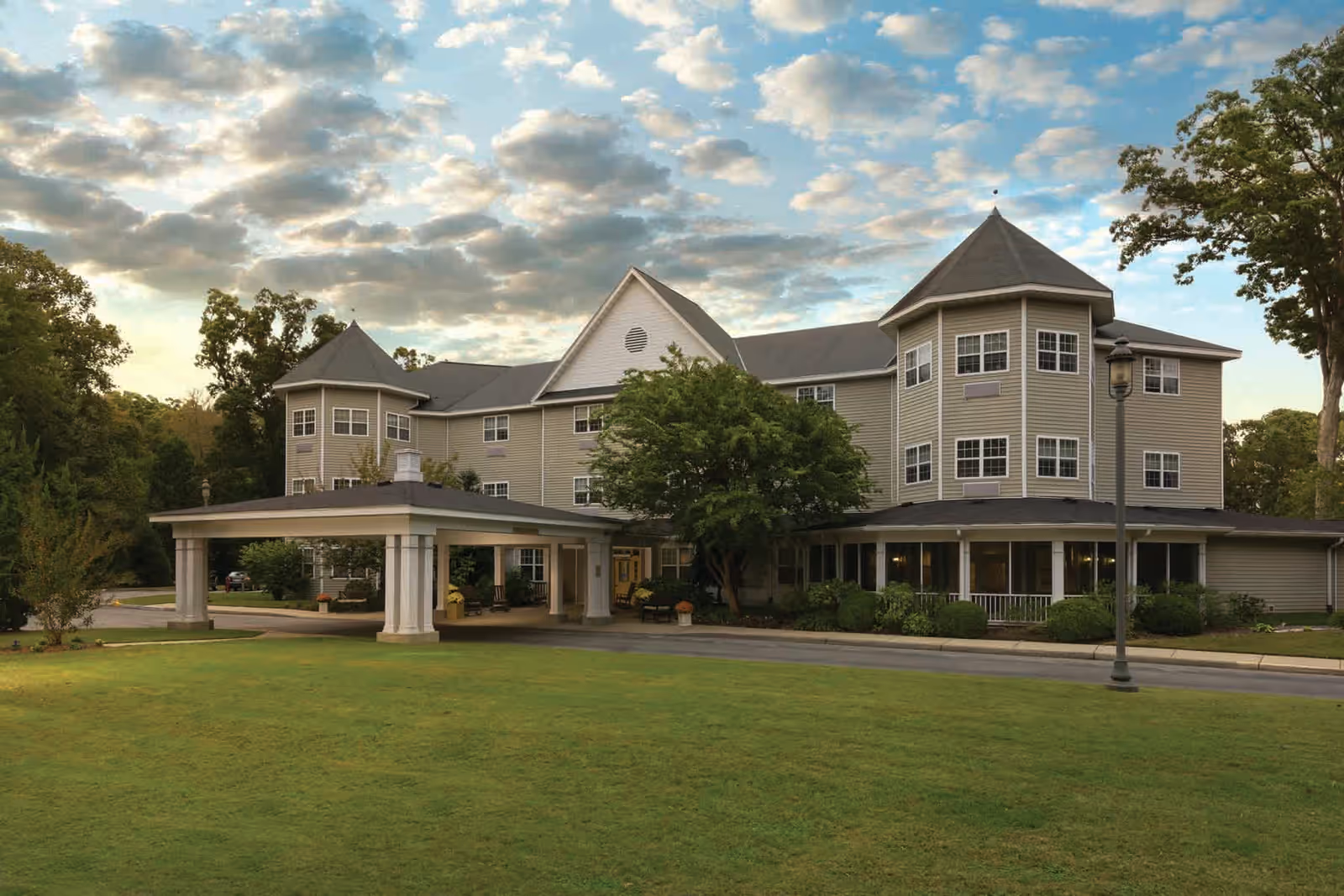
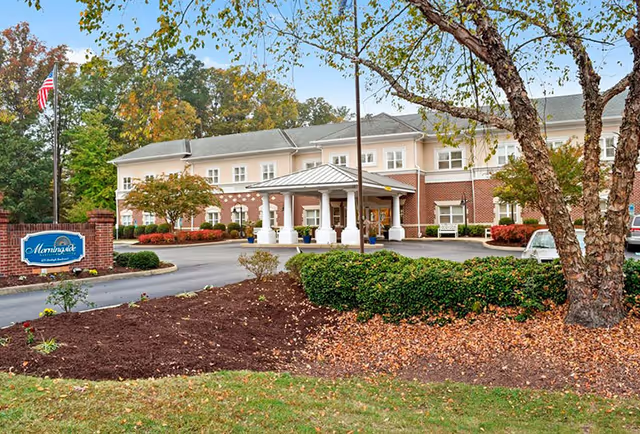
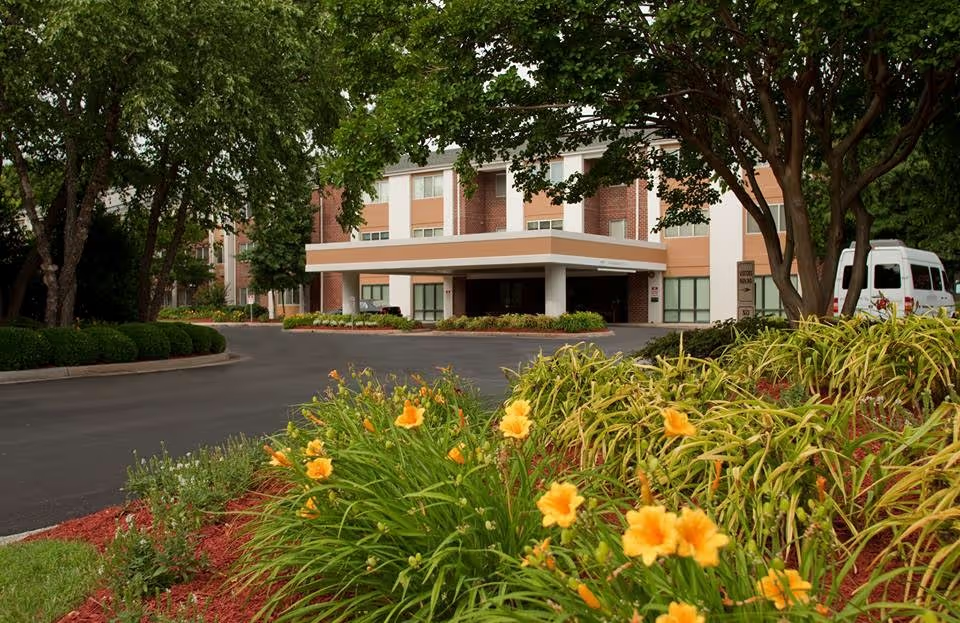
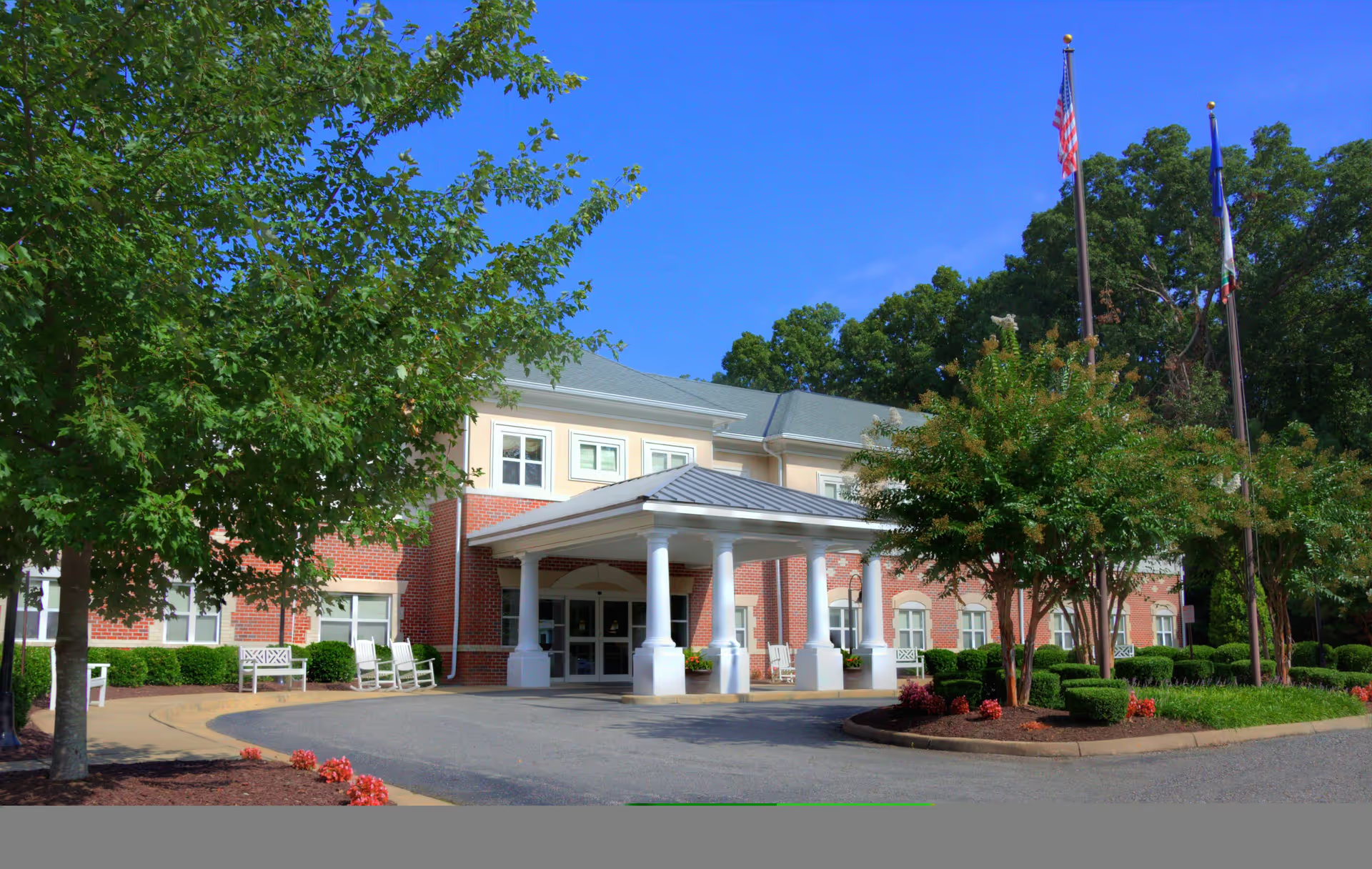
Facility amenities and layout are regularly praised: bright public spaces, pleasant grounds, and functional suites with generous storage. Some practical limitations were noted, including limited garden/outdoor programming and mobility considerations because of multiple levels. Sanitation and odor concerns in particular areas were raised by multiple sources, indicating uneven housekeeping or environmental maintenance in parts of the building.
A prominent pattern across reviews is management instability and weak upper‑level responsiveness. Families report frequent executive or regional leadership turnover, slow or no follow‑up on complaints, and inconsistent communication from administration. There are also allegations of discriminatory or unethical leadership behavior and references to state complaints and ownership changes; these items point to recurrent governance and accountability questions rather than isolated operational glitches. At the same time, a subset of reviewers reports recent improvements and positive leadership interactions, indicating variability by time and by household experience.
For prospective residents and families: the community offers strong amenities and many compassionate frontline caregivers, but it also shows systemic operational vulnerabilities that can affect daily care—especially when acuity or memory‑care needs are higher. Visitors should observe staffing levels during different shifts, ask for current staffing ratios and turnover data, review memory‑care supervision protocols, clarify sanitation and laundry procedures, confirm medication‑management practices, and get written detail on pricing and contract terms. A focused visit during mealtime and an opportunity to speak with current families can help assess whether the facility’s operational performance aligns with a prospective resident’s needs.