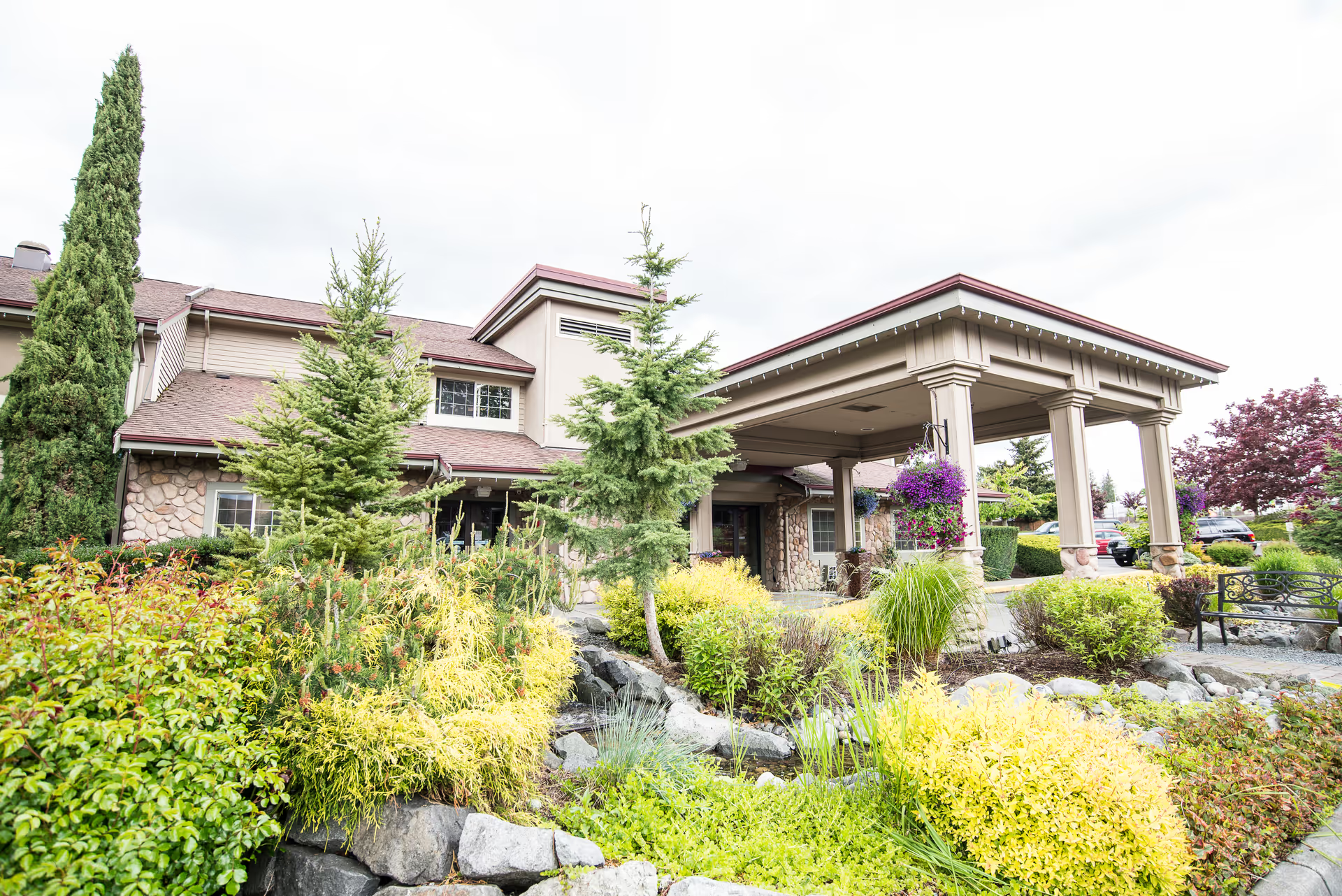
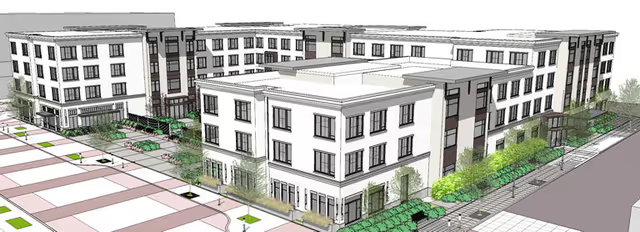
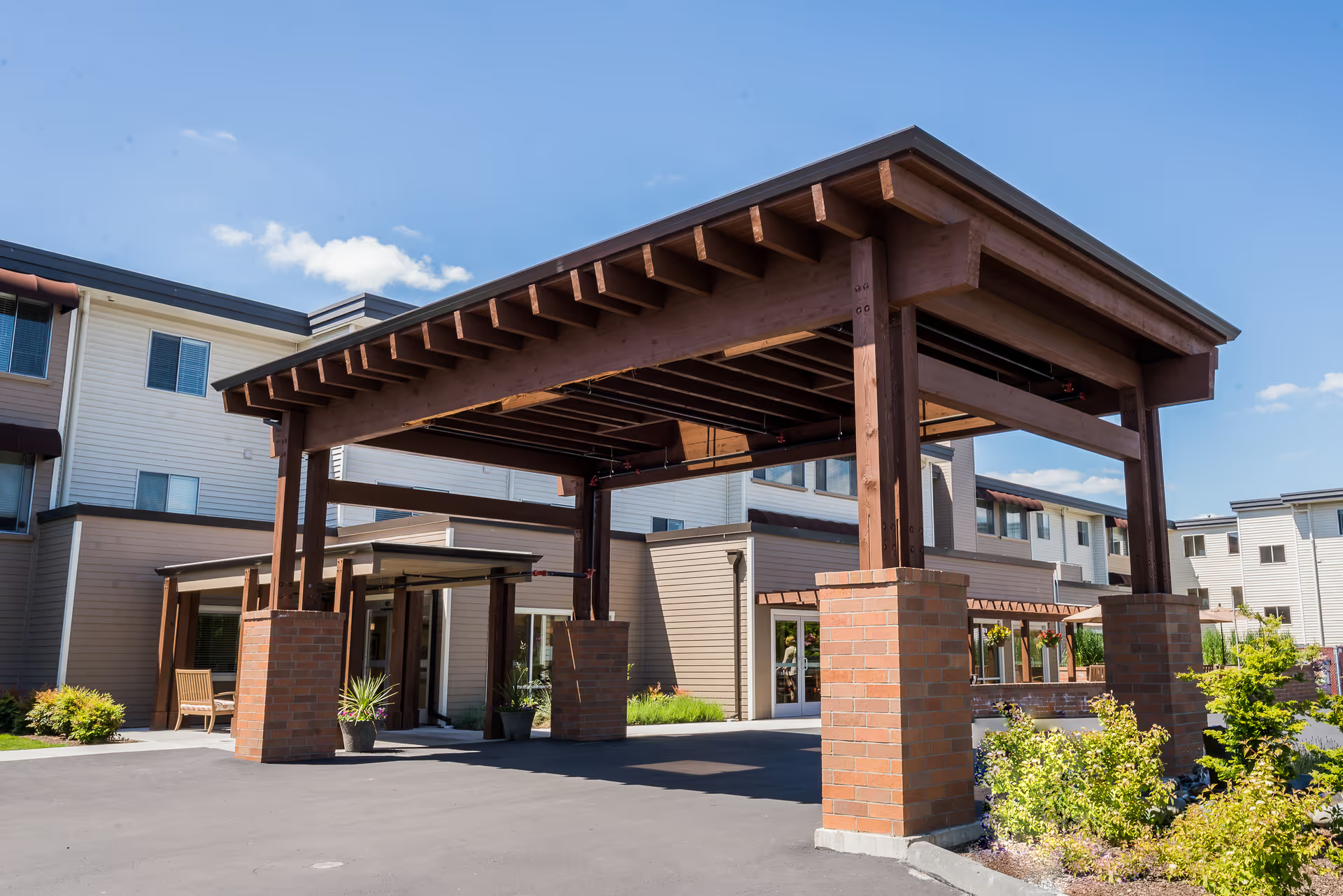
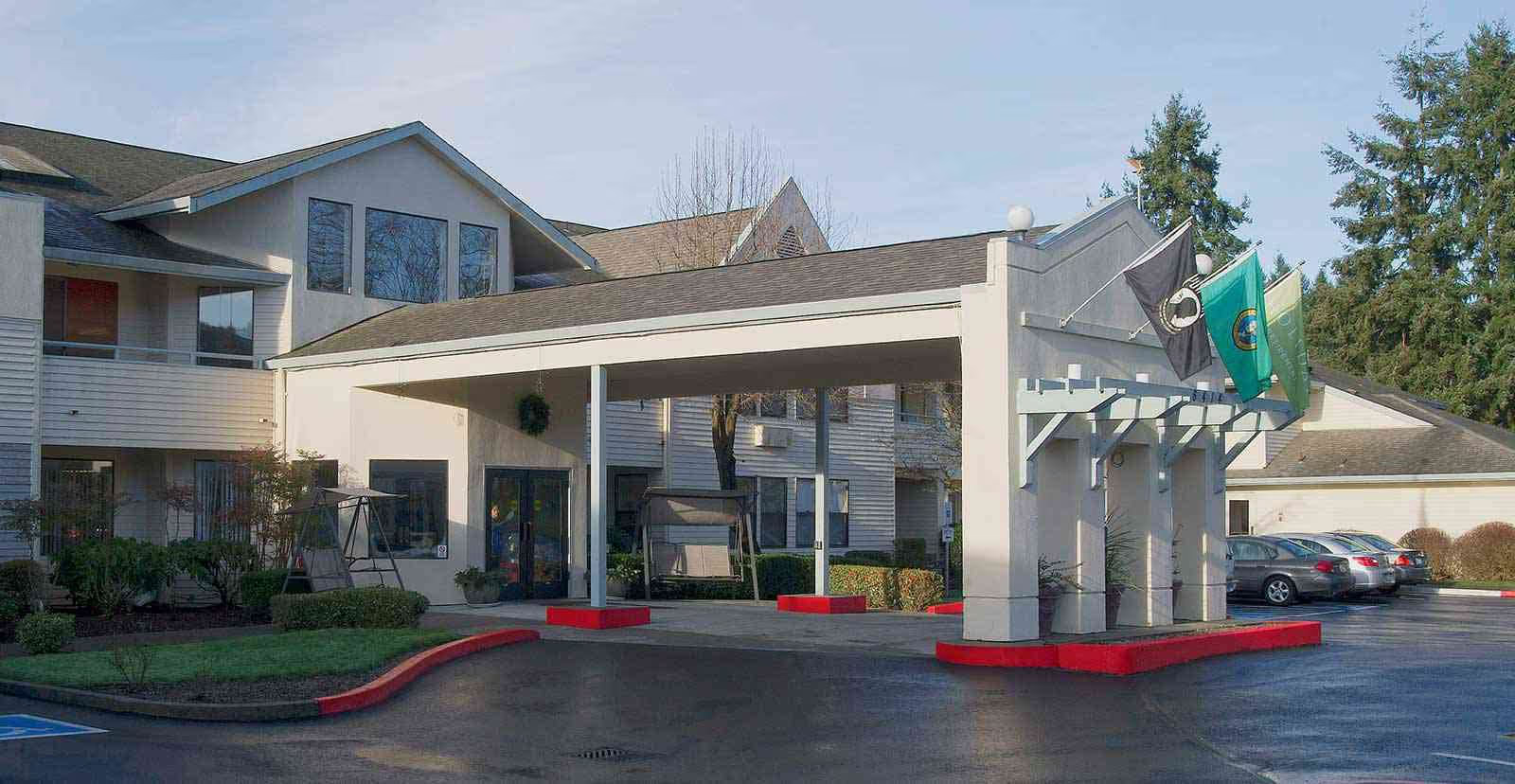
Dash Point Care Adult Family Home is portrayed consistently as a small, well-kept, homelike residential setting with strong clinical oversight and hands-on ownership. Reviewers emphasize a bright, modernized house plan with large, accessible common areas, roomy private spaces and an oversized outdoor deck. The physical environment is repeatedly described as clean, airy and wheelchair friendly, and the location is characterized as quiet with pleasant views.
Care quality and clinical services are a central strength in the reviews. Families describe attentive day-to-day care, active nursing involvement (including an owner who is an RN), and 24/7 staffing patterns that support residents with dementia and those receiving hospice services. Multiple accounts highlight improvements in mobility and wellbeing after admission, respectful transfer and personal-care routines, and an emphasis on maintaining resident dignity. Communication with families is noted as good, and reviewers cite timely responses and ongoing updates.
Staff behavior and culture receive particularly strong praise. Caregivers are depicted as compassionate, patient, and experienced; reviewers use terms like loving, kind and professional. Ownership and management are described as engaged and accommodating, with hands-on leadership that contributes to a sense of safety and continuity of care. The homey atmosphere, coupled with caregivers who build personal relationships with residents, is a recurring theme.
Dining and daily life are presented as home-centered: reviewers note healthy, home-cooked meals and staff who attend to residents’ preferences. The physical layout—with multiple gathering areas and outdoor space—supports socializing and quiet time. However, reviewers provide limited detail about formal, structured activity programming beyond social interaction and family-style gathering; prospective families seeking an extensive activity calendar or on-site specialty therapies should clarify those offerings directly with management.
Operationally, the facility’s small scale is both a benefit and a constraint: it supports personalized care and a family-like culture but may limit the availability of specialized therapy services and broader amenity variety that larger facilities provide. Review language also implies the possibility of limited bed availability at times, so prospective residents should inquire about current capacity and waitlist procedures.
Overall, the reviews form a strong pattern of positive experience—clean, accessible accommodations; consistent, compassionate nursing and caregiving; effective communication; and a management team that is involved and professional. The primary areas to investigate further during a tour or intake conversation are the scope and scheduling of formal activities, availability of specialized therapies if required, and current admission capacity.