Overall impression: Reviews for Six Star AFH are predominantly positive about the home's atmosphere, basic care, and cleanliness, but include a small number of serious concerns that warrant direct follow-up by prospective families. Many comments emphasize a homey, bright environment with a caring culture and an owner who is visible and engaged. At the same time, reviewers describe operational weaknesses that indicate variability in the resident experience.
Care and clinical support: Multiple reviewers praise compassionate, attentive caregivers and specific clinical supports such as assistance with transfers, physical-therapy involvement, UTI treatment, and incontinence care when provided. The facility is frequently described as responsive to dietary needs and supportive of residents with cognitive impairment; dementia-capable care and a sense that residents are "at home" recur across positive accounts. However, a subset of reviews raises concerns about incontinence-care practices and sanitation-related lapses. Those comments suggest families should ask directly about care protocols, staffing coverage during high-need times, and clinical oversight when evaluating the home.
Staffing and management: Staff are often characterized as friendly and competent, and the owner receives consistent praise for engagement and warmth. Counterbalancing this, reviewers report high caregiver turnover and periods of insufficient staffing that appear to correlate with delays in care or negative interactions. There are also comments describing problems with staff conduct and honesty, and one or more serious allegations regarding management behavior and unpaid wages. These latter claims are substantial enough to recommend that prospective families request information about staff retention, background checks, wage-related disputes, and any regulatory actions or complaints.
Dining and activities: Dining is a clear strength in many accounts — meals are described as home-cooked, nutritious, and flavorful, with accommodations for individual dietary needs. Conversely, there are isolated reports questioning meal safety and consistency; prospective families should consider sampling meals and inquiring about kitchen oversight and food-safety procedures. Activity programming receives mixed feedback: the home offers games, puzzles, books, and television and encourages outdoor time, but several reviewers describe limited or underutilized activity engagement. Given the smaller, home-style setting, activity offerings may be more modest and individualized than in larger communities.
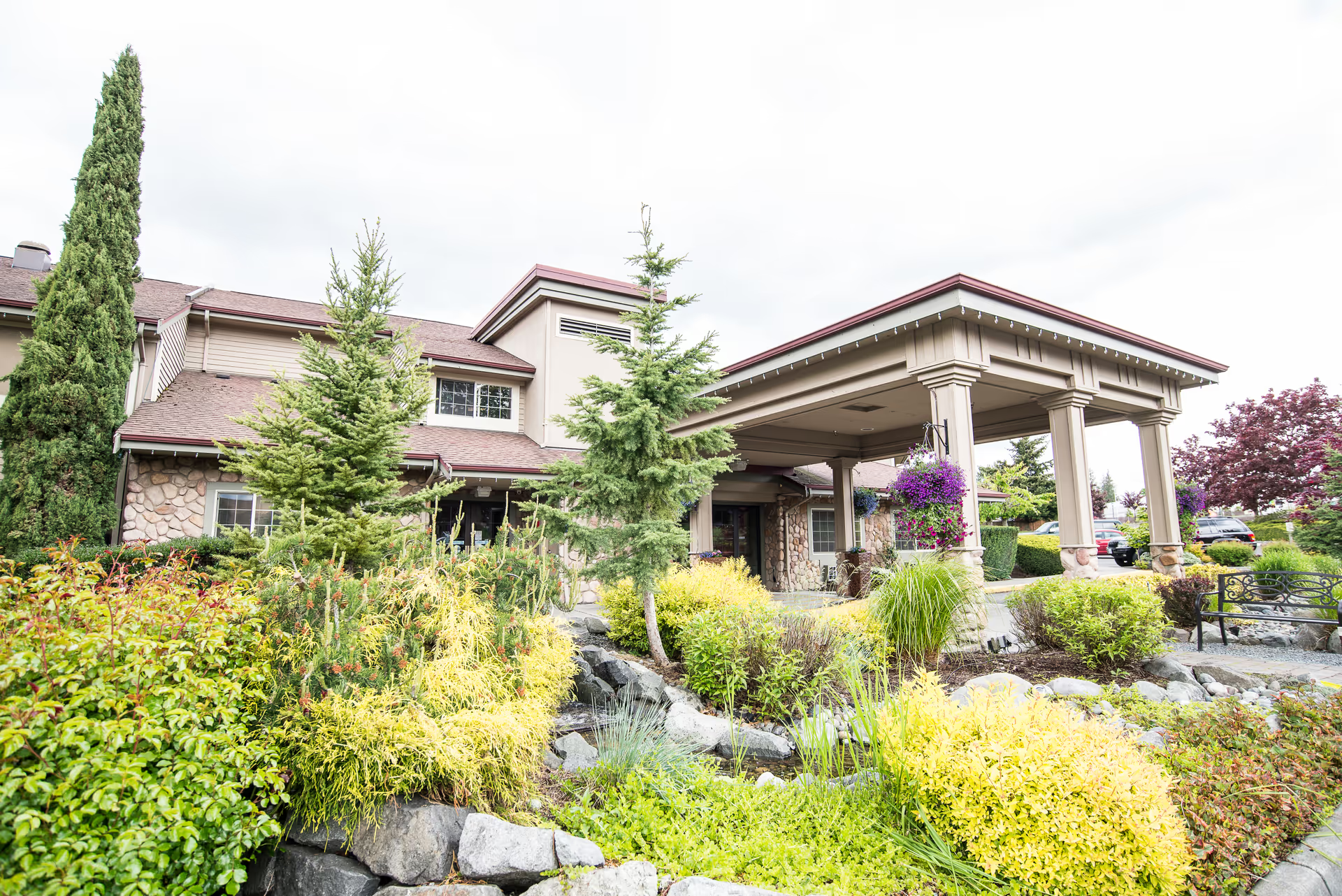
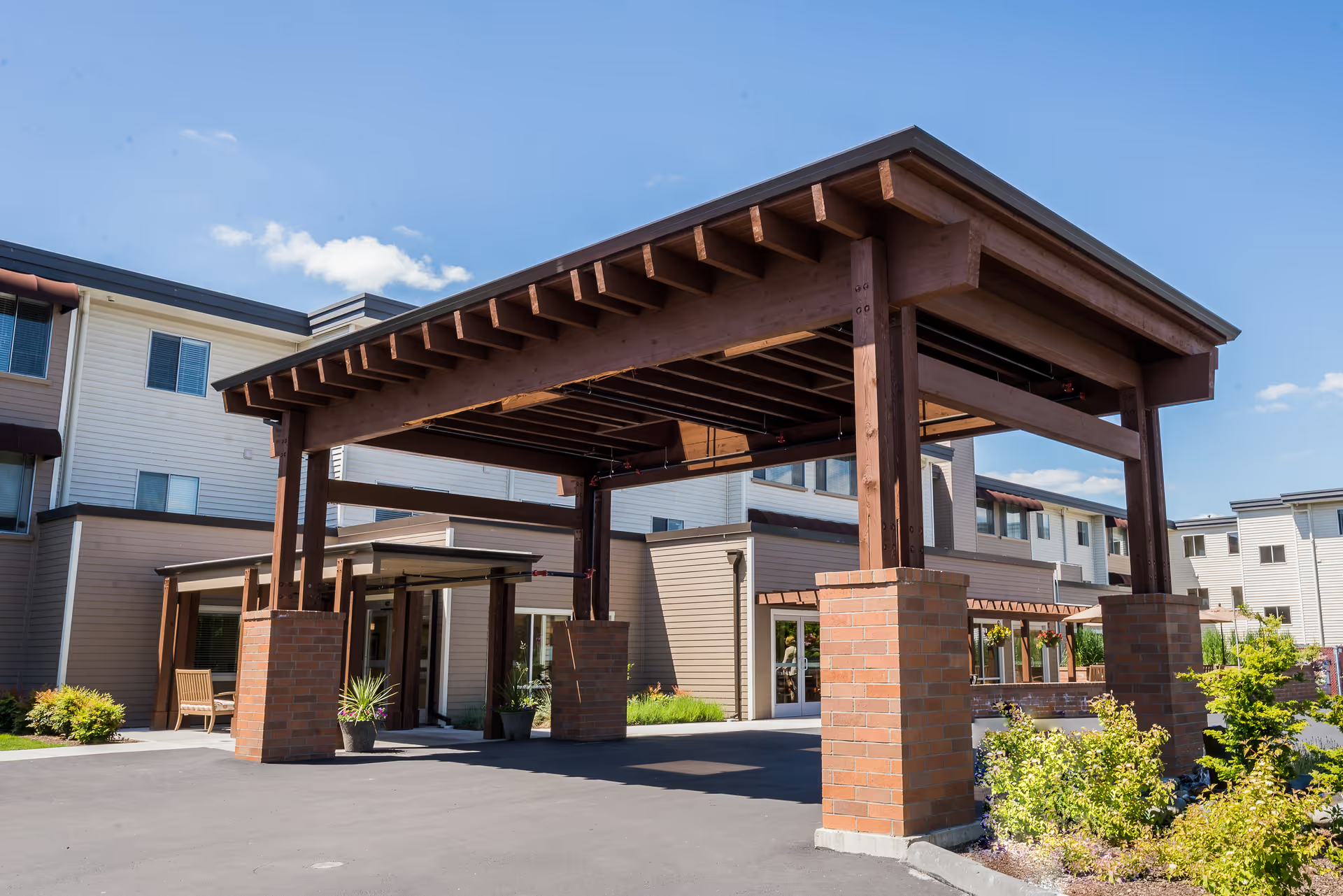
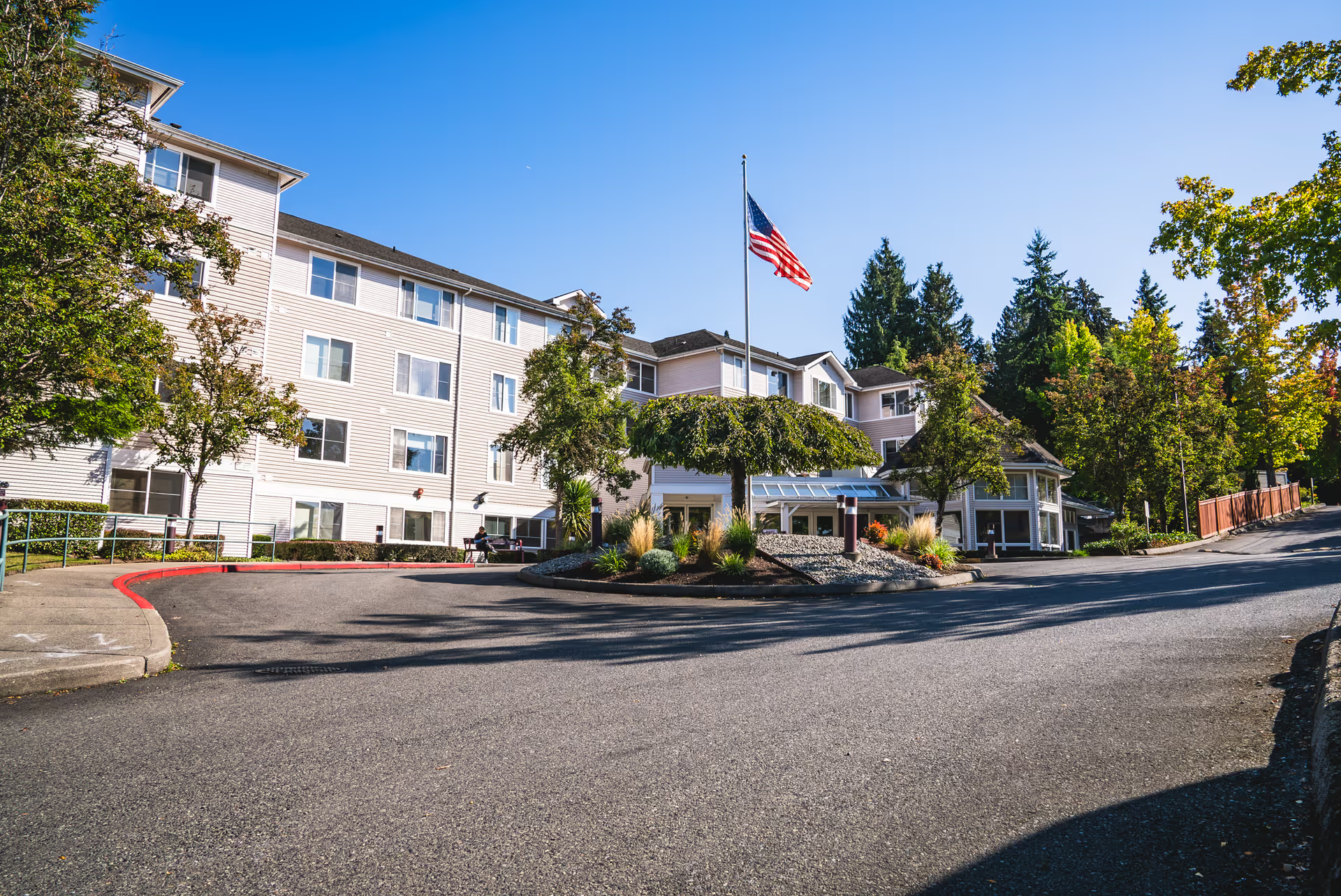
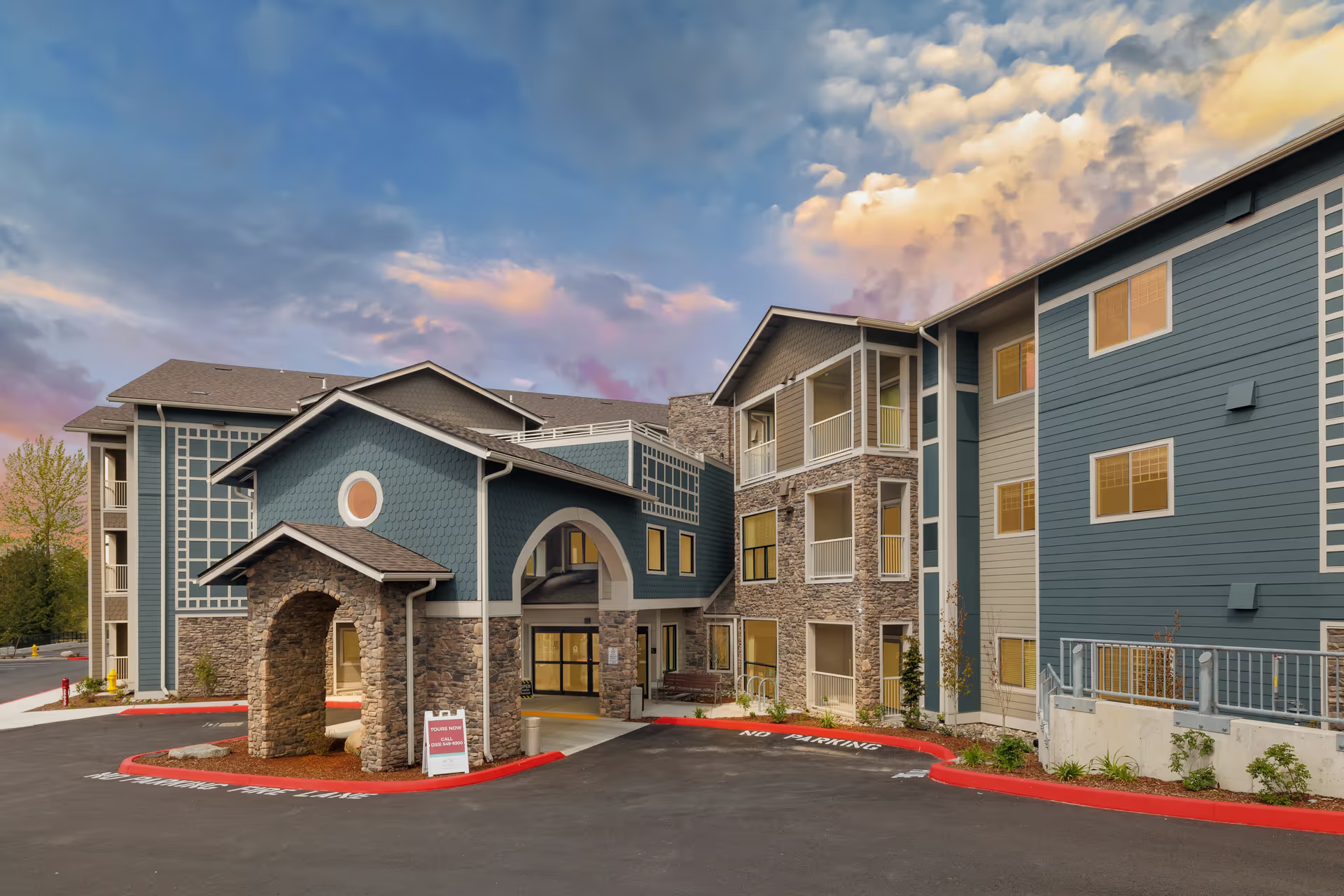
Facilities and visitation: The physical environment is consistently noted as clean, bright, and well-decorated, with private rooms and pleasant common areas. Outdoor access and a welcoming visitation approach are also recurring positives. Cleanliness and odor-free conditions are emphasized in many reviews, though sanitation-related concerns mentioned elsewhere suggest it is prudent to tour the facility and observe housekeeping and personal-care routines.
Notable patterns and recommendations: The dominant pattern is one of high relational and environmental quality — a small, home-like facility with attentive staff, good meals, and dementia capability. The primary operational risks are variability tied to staffing and turnover, occasional communication barriers related to language, and a handful of serious allegations about management and workplace practices. Prospective residents and families should visit during meal and activity times, ask for recent staffing ratios and turnover statistics, review medication and clinical oversight procedures, request references from current families, and inquire about any formal complaints or investigations. These targeted questions can help clarify whether the home’s positive attributes are consistent with the level of oversight and reliability you require.