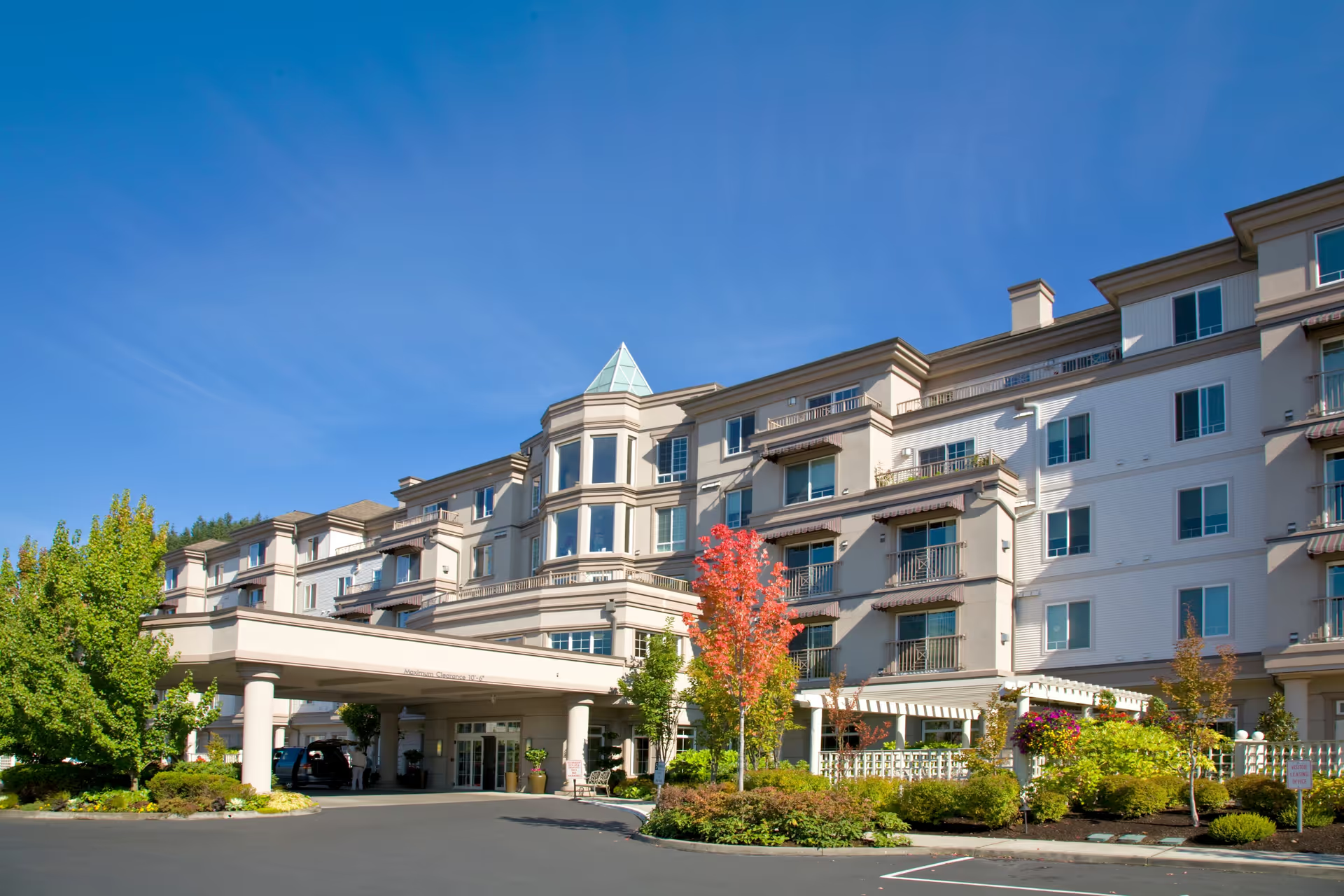
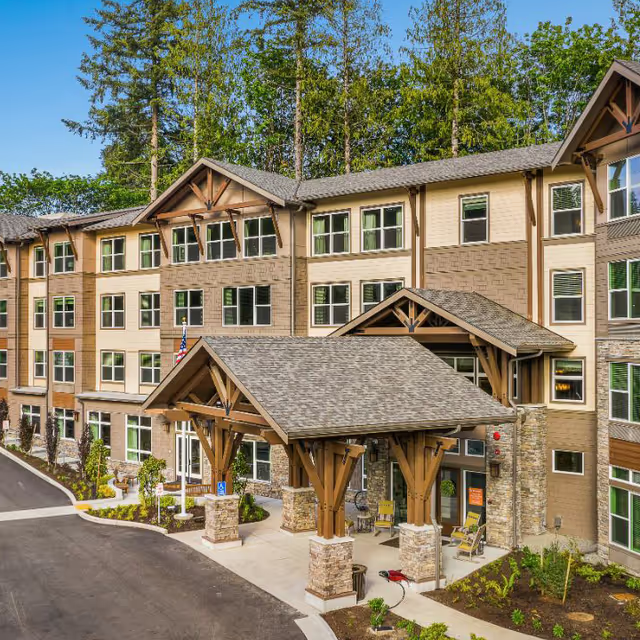
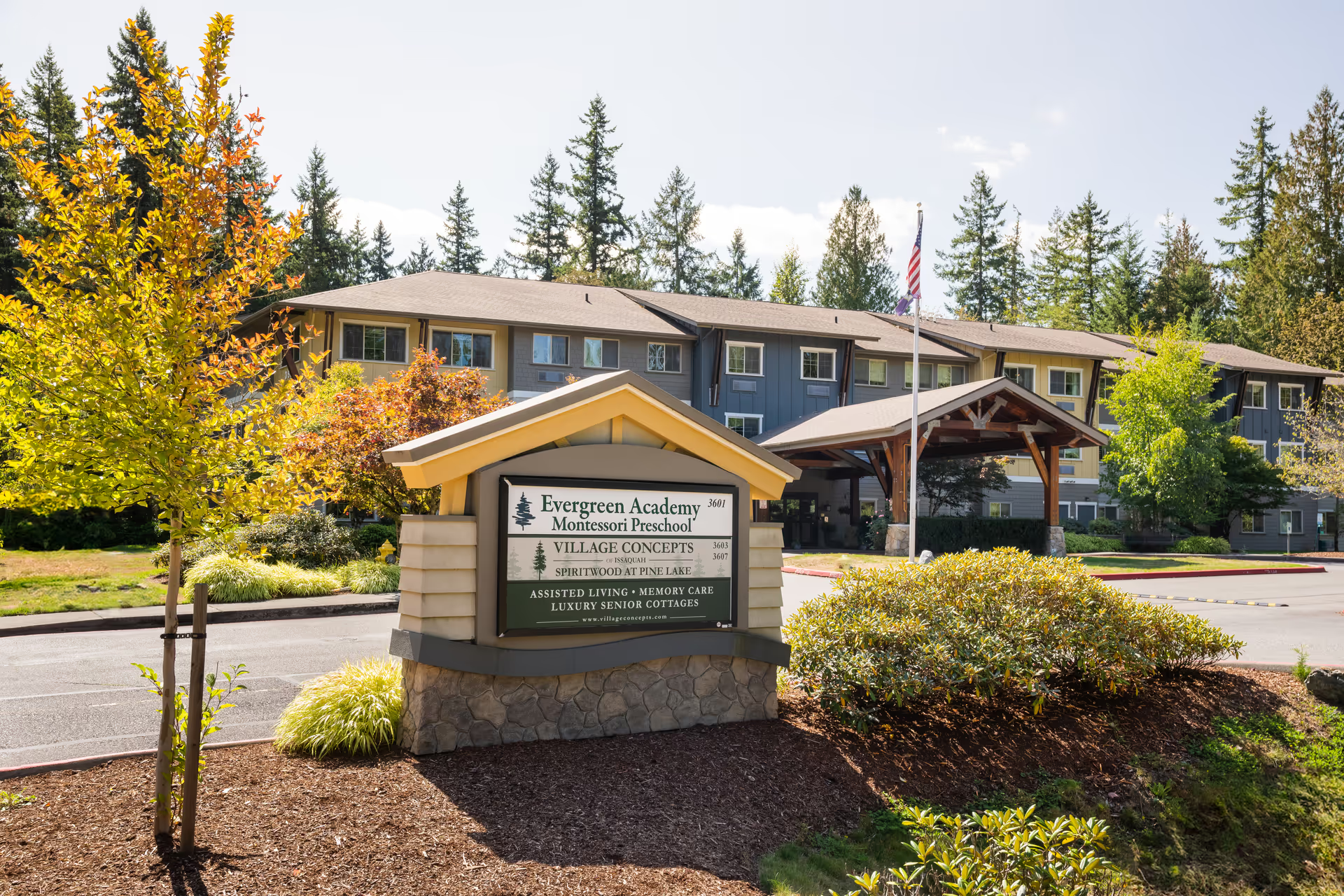
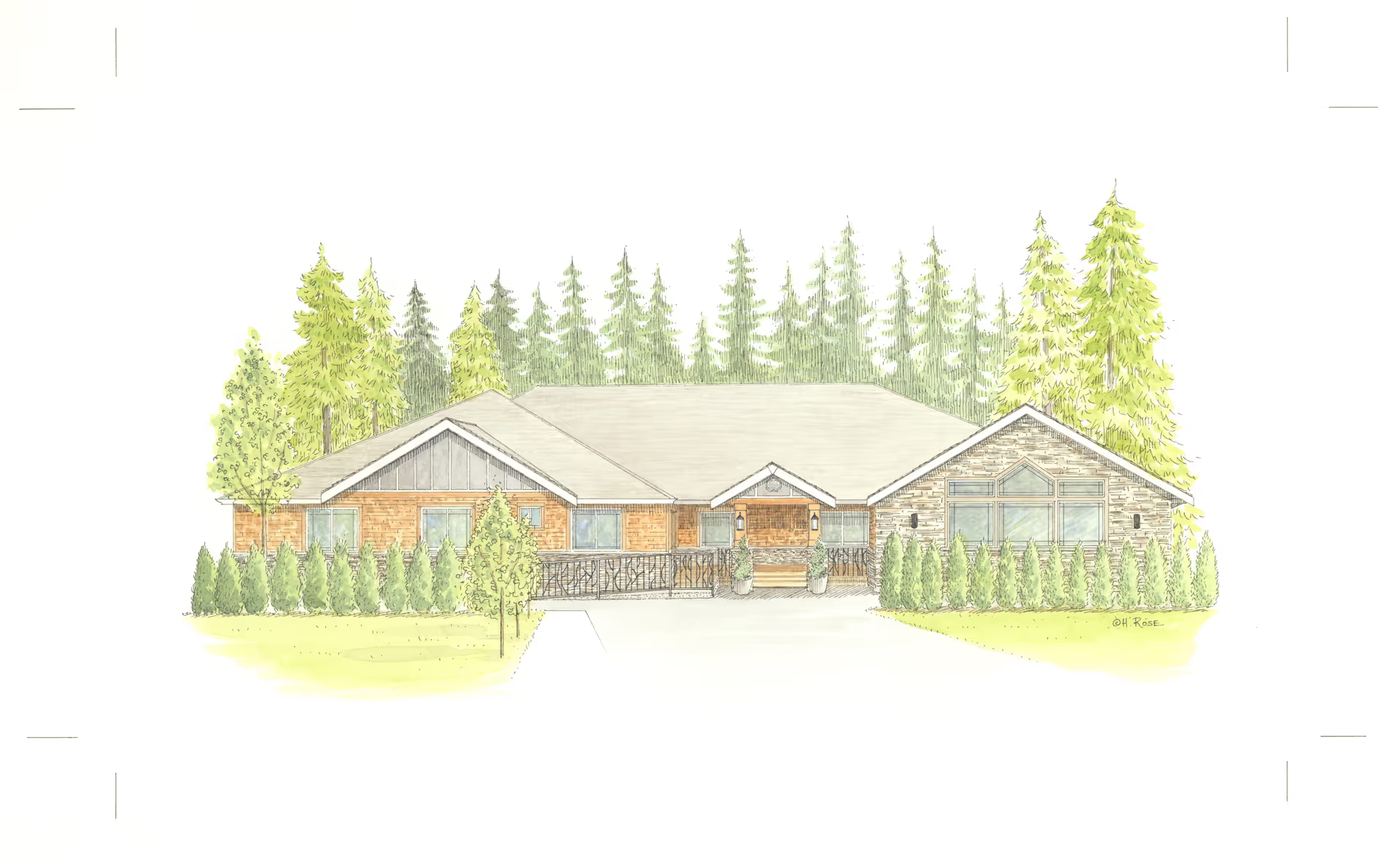
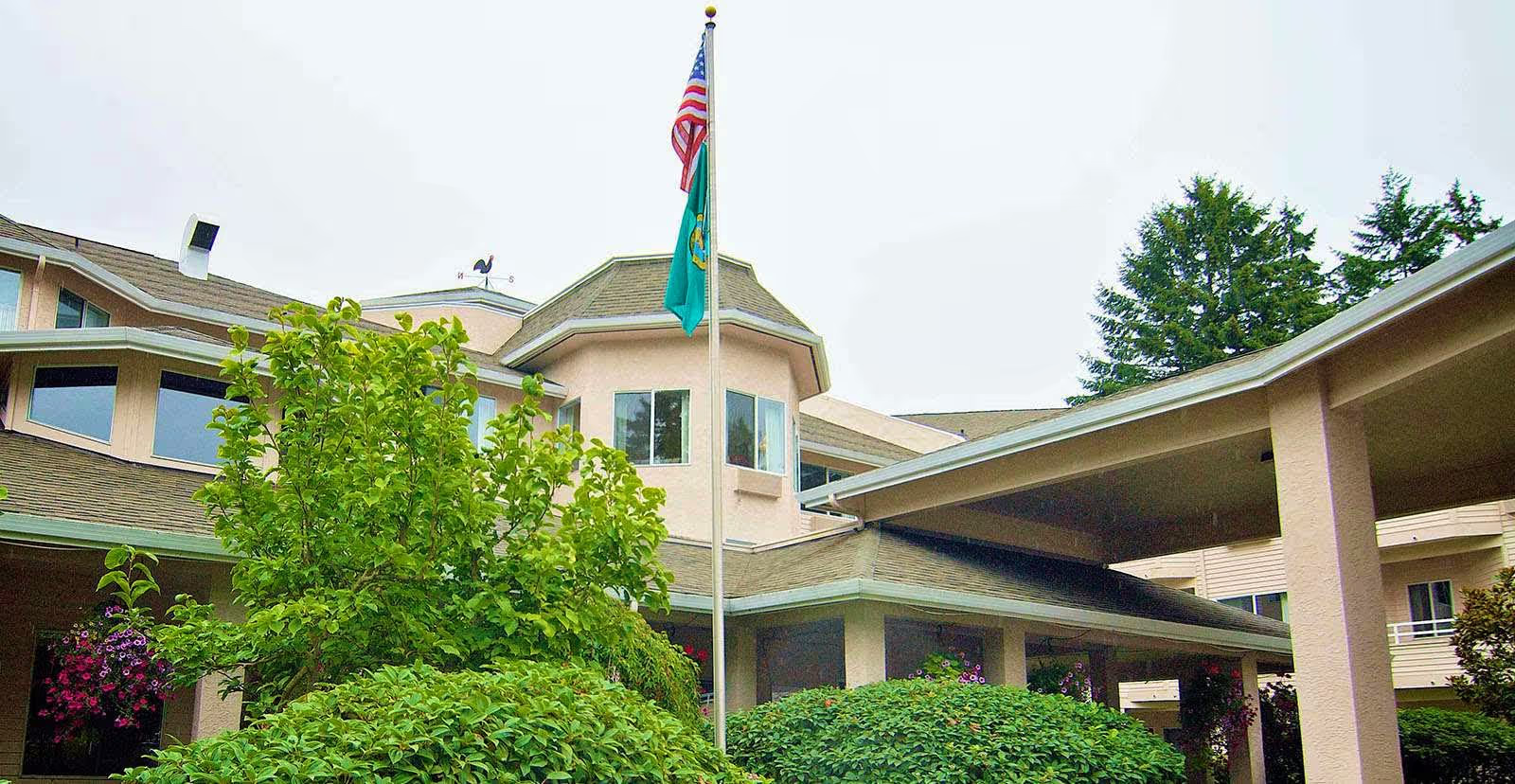
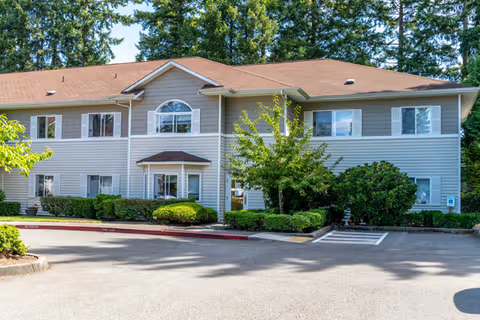
The reviews describe a highly mixed experience at this facility, with consistent themes of variability across clinical care, staffing, and operations. Many families describe individual staff members — therapists, nurses, and aides — who were attentive, communicative, and effective in advancing rehabilitation goals. Several reviews highlight strong rehabilitation outcomes, engaging therapy sessions, and the presence of extra clinical coverage such as a nurse practitioner or physician oversight that families found reassuring. Positive impressions also include a pleasant campus location, private rooms with fresh-smelling accommodations, a welcoming admissions experience for some, and satisfactory meal service for many residents.
Counterbalancing those positive accounts are recurring operational weaknesses. Reviewers describe inconsistent staffing levels (notably reduced staffing on weekends), delayed responses to call lights, and gaps in supervision that have contributed to falls, near-misses, and pressure-injury concerns. These issues point to broader weaknesses in resident-safety monitoring and handoff practices rather than isolated incidents. Nursing responsiveness and medication/pain-management timeliness came up repeatedly as areas needing improvement.
Facility condition and infection-control practices were also variable. Several families raised sanitation and maintenance concerns — peeling paint, cluttered hallways, odor issues in common areas, and inconsistencies in housekeeping — alongside reports of inconsistent PPE use and masking during infection-control events. Therapy space limitations and scheduling practices that prioritize therapist convenience over resident needs were noted as barriers to optimal rehabilitation for cognitively impaired or distracted patients. Additionally, there are recurring complaints about discharge coordination, problems arranging home care follow-up, lost clinical specimens or documentation gaps, and billing/insurance hurdles that complicated transitions out of the facility.
Communication and management responsiveness are another notable pattern. While some families received timely, clear updates and felt well-involved, others describe difficulty reaching administration by phone, delayed or brusque responses from leadership, and admission or billing staff perceived as unhelpful. Allegations of missing personal items and inconsistent handling of family requests further undermined trust for some evaluators. Several reviews advise visiting in person, assessing staffing during both weekdays and weekends, and preparing to advocate actively for nonverbal or higher-dependency residents.
Overall, the facility provides effective rehabilitation and compassionate care in many cases, with standout staff members and measurable functional gains for many residents. However, consistent operational issues — staffing variability, responsiveness delays, cleanliness and maintenance gaps, inconsistent infection-control practices, and weaknesses in discharge and administrative coordination — are important patterns to consider. Prospective residents and families should tour the facility, ask specific questions about weekend staffing, supervision practices, therapy scheduling, discharge planning, and infection-control protocols, and identify points of contact for ongoing communication and escalation.