The reviews present a strongly mixed picture of NorthCare Kennewick: several families and partners describe a well-maintained, small-house environment with compassionate direct-care staff and private suites, while other accounts raise significant operational and safety concerns. Positive comments emphasize a home-like atmosphere, attentive caregivers, dementia-specific experience, and active family communication. At the same time, multiple recurring operational issues suggest variability in how consistently those strengths are delivered across households or shifts.
Care quality and staffing: Many reviewers praised the direct-care staff as kind, patient, and skillful, and several reviews described relief for families due to frequent check-ins and hands-on support. However, others described deficiencies that point to systemic staffing and clinical-process weaknesses: insufficient supervision at times, undertraining, and inconsistent medication-administration practices. Reviews included examples of missed or delayed medication administration and slow responses to clinical concerns; these indicate gaps in standard clinical oversight and staff coverage rather than isolated aesthetic problems.
Staff and conduct: The facility draws contrasting assessments of staff behavior. Positive feedback highlights caring, nurturing interactions and proactive communication from some members of the care team and leadership. Conversely, there are serious concerns about staff conduct and professional consistency, including allegations of physical incidents and restrictive practices in a minority of accounts. Families also described variability in communication tone and truthfulness from individual employees. Taken together, the pattern suggests staff performance and interpersonal skills vary notably across individuals and shifts.
Dining and activities: Dining impressions are similarly mixed. Several reviewers enjoyed home-cooked meals, fresh options, and meal variety; others reported meals that felt pre-prepared, inconsistently heated, and lacking fresh fruit. This points to variable meal-service execution and temperature-control practices rather than a single, uniform dining model. Activity programming also appears inconsistent: some residents described social engagement, new friendships, and regular visits, while others experienced very limited organized activities over extended periods.
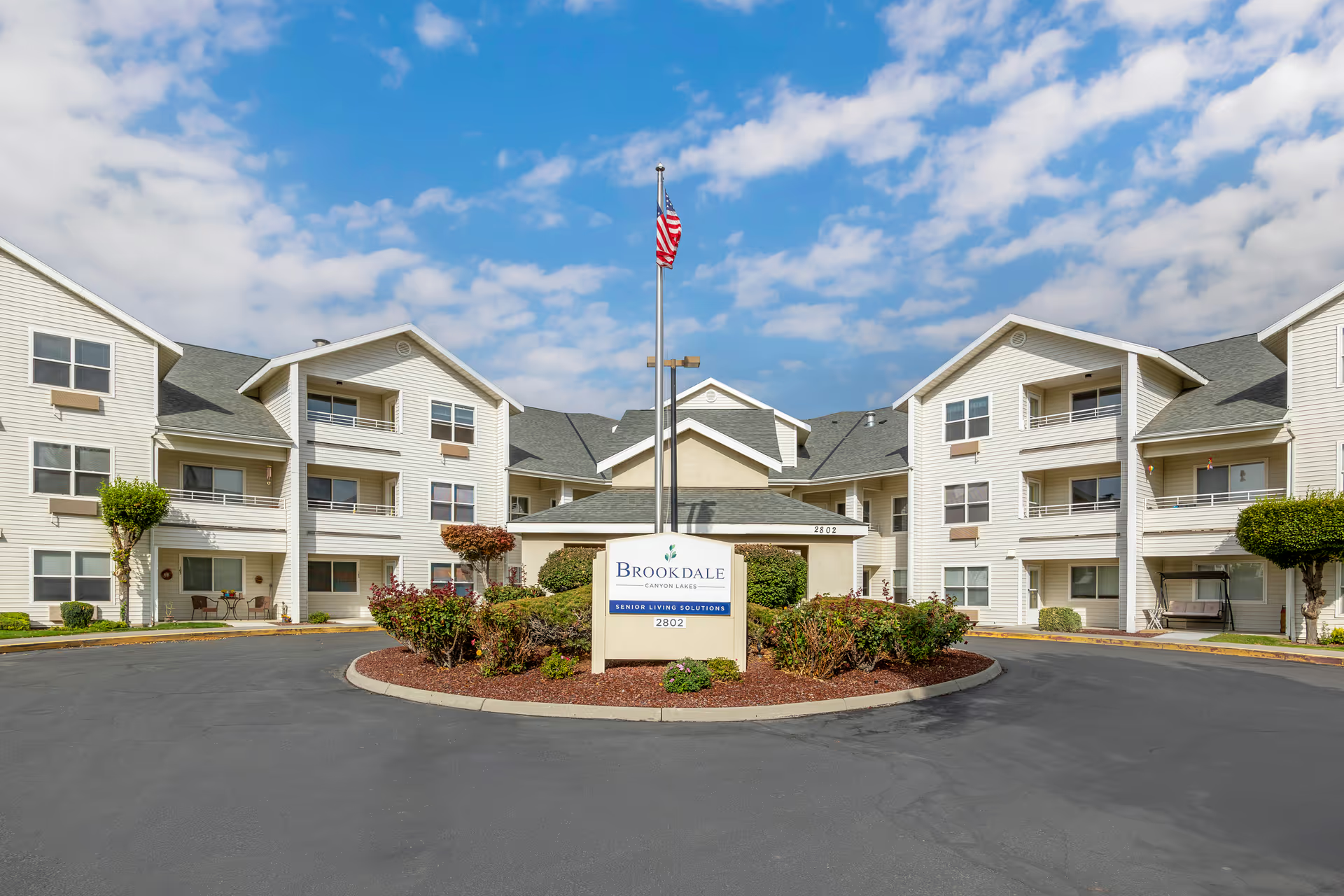
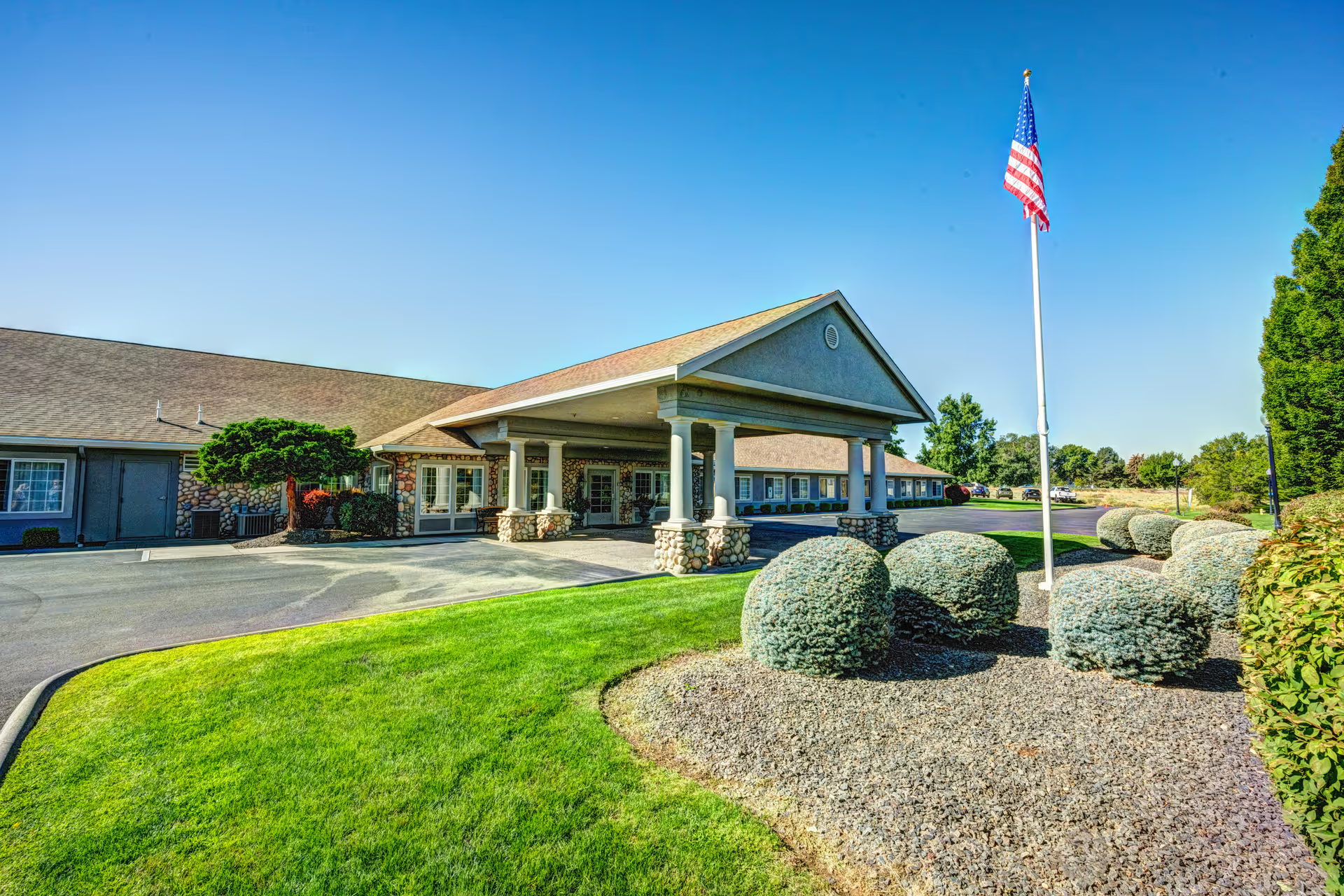
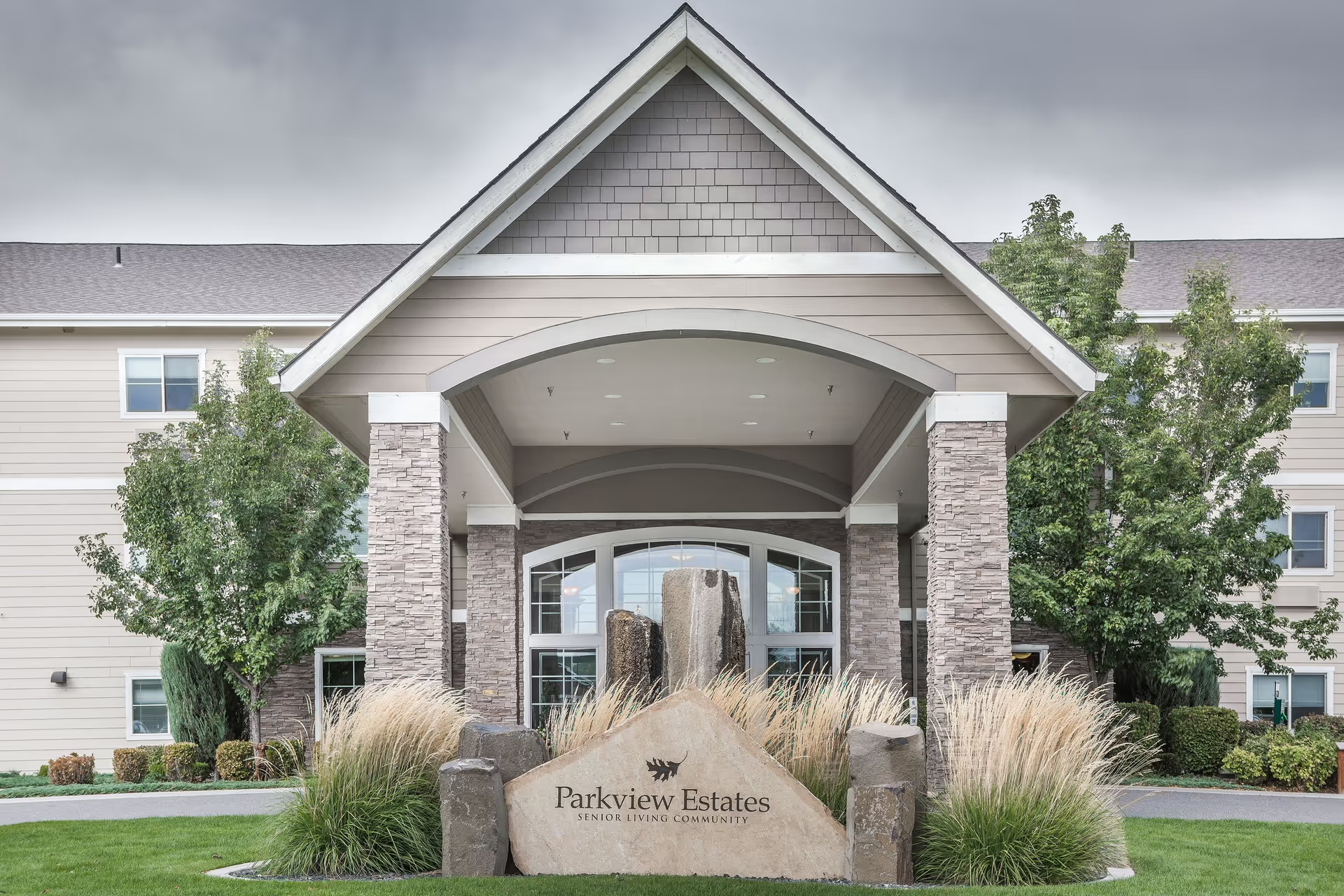
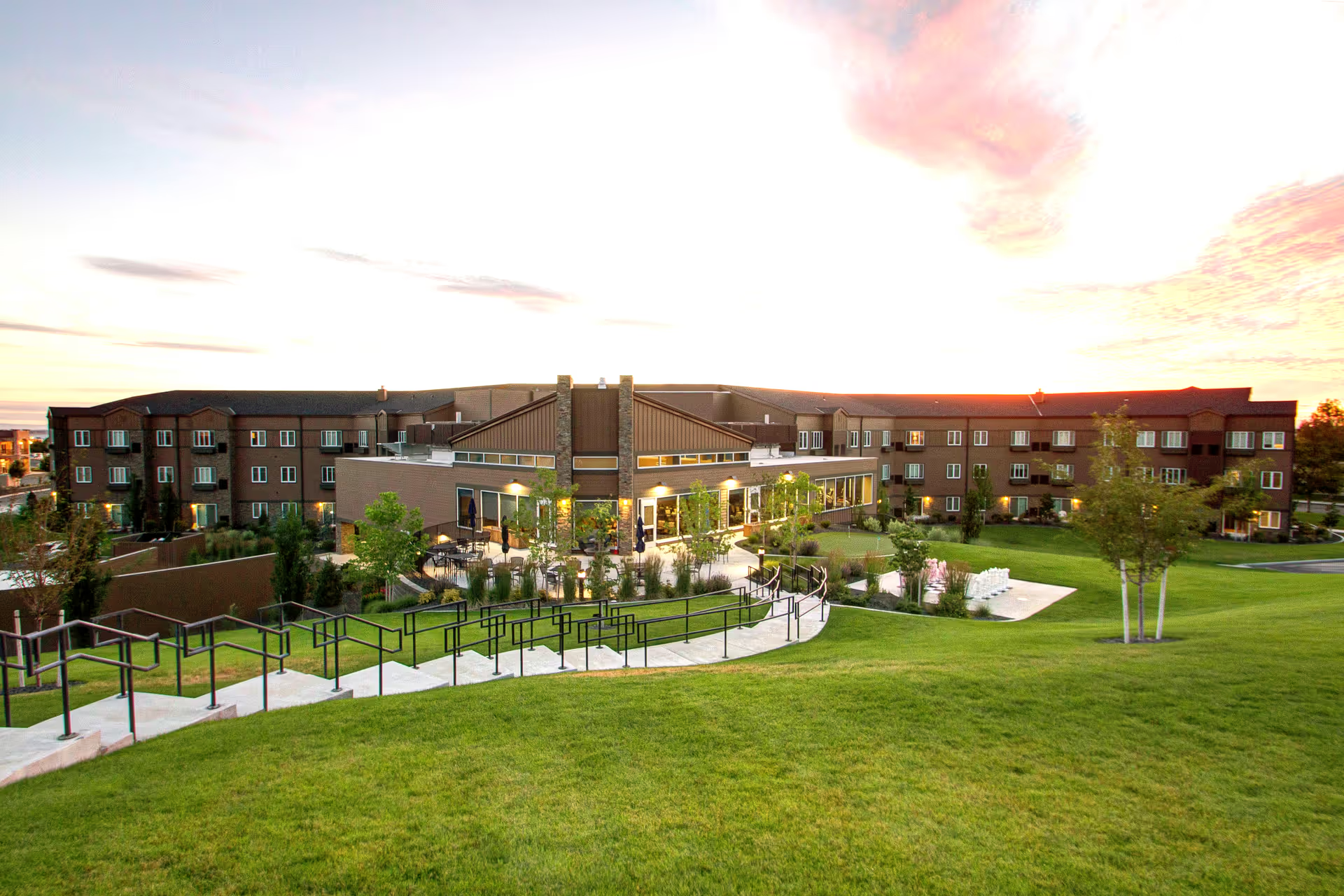
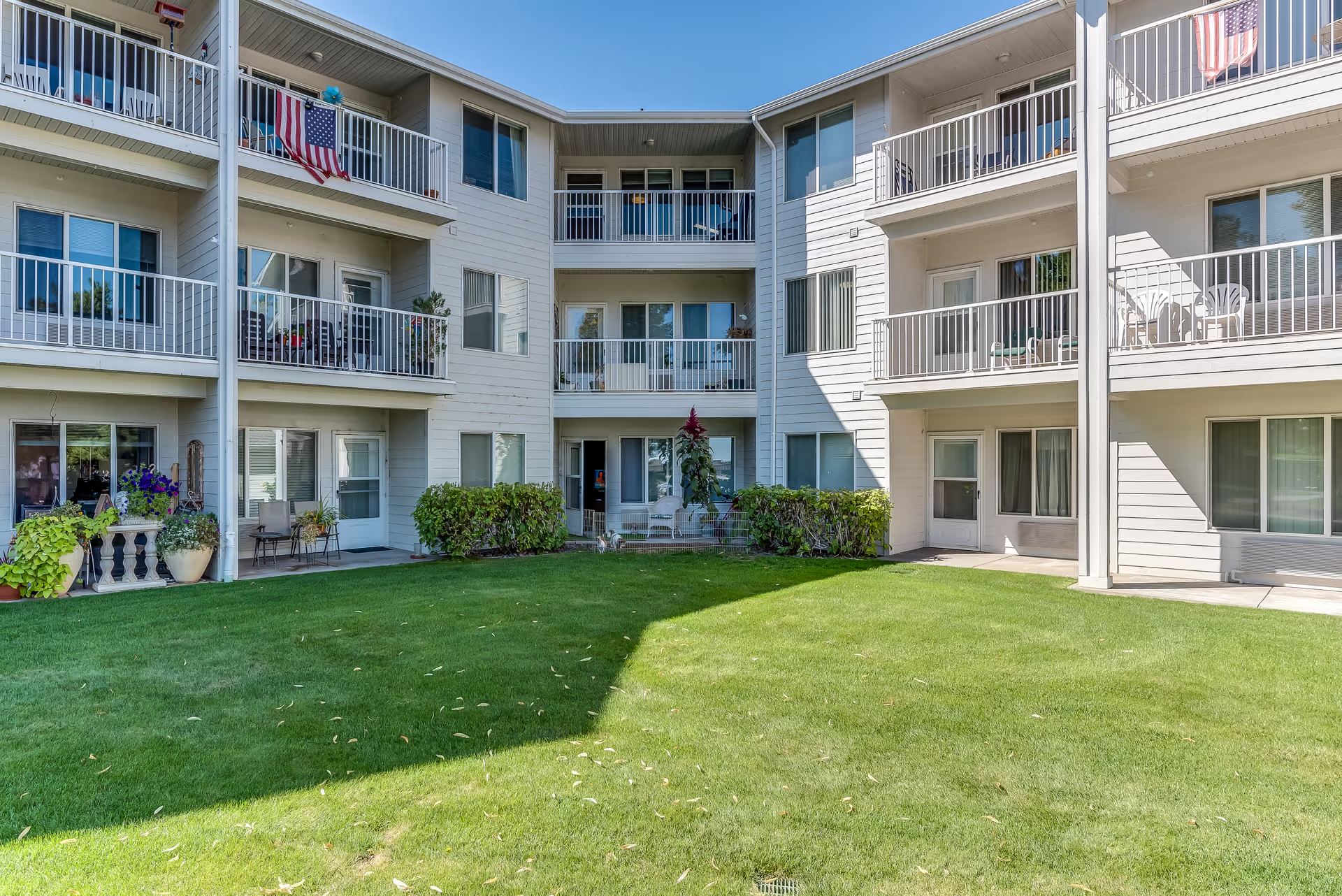
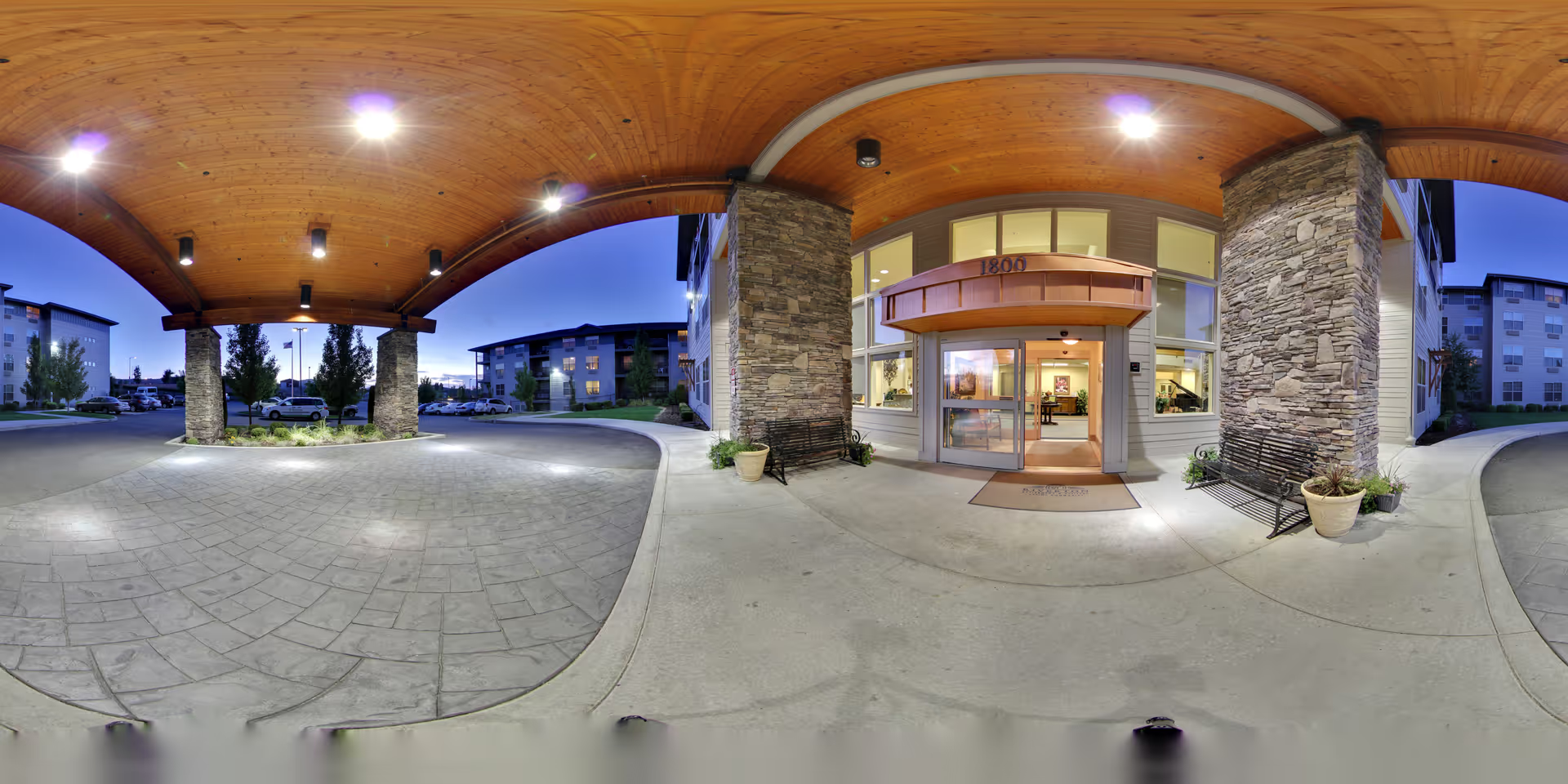
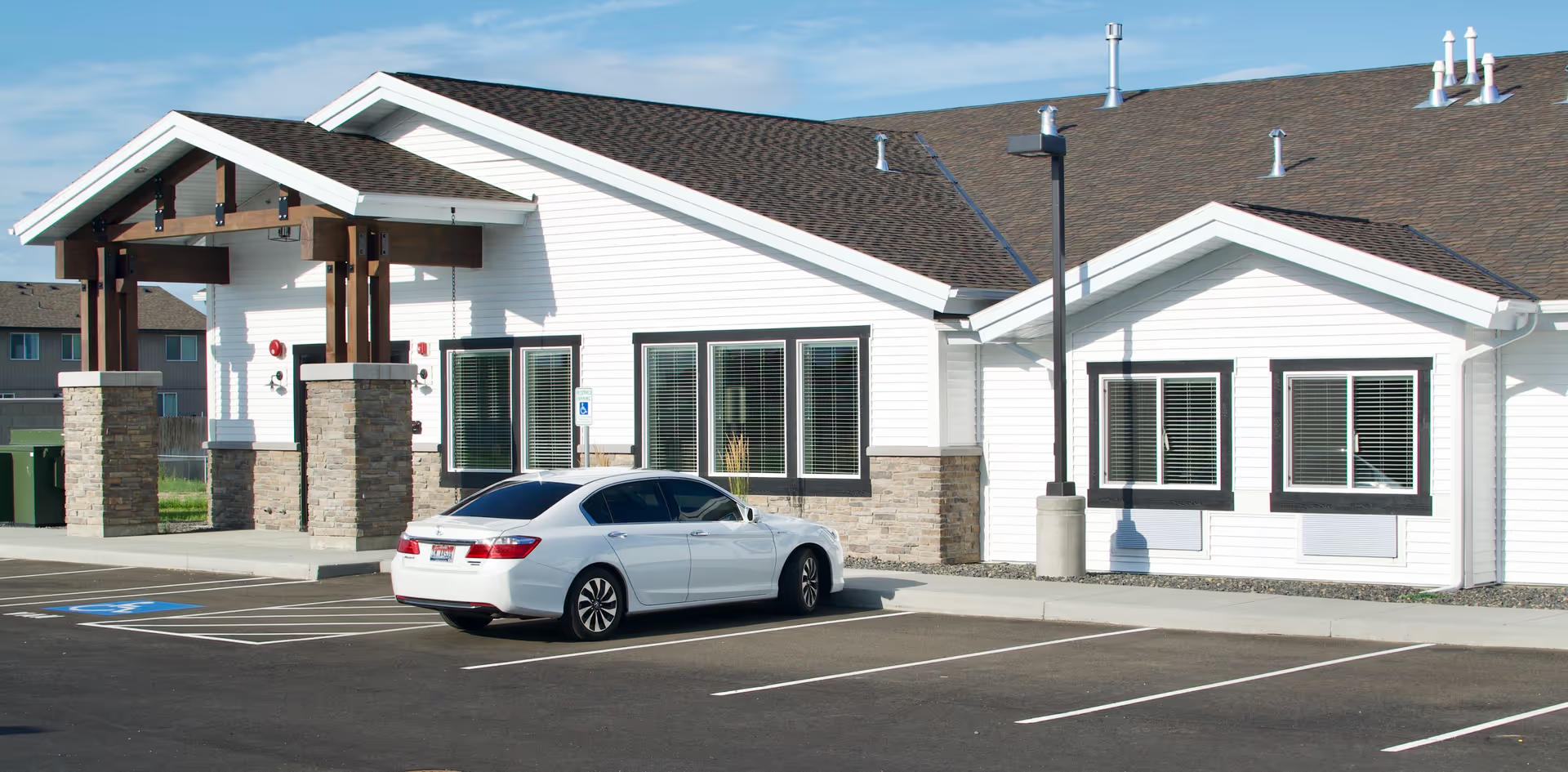
Facilities and safety: Physically, the site is described as attractively decorated, not crowded, and composed of smaller household units with private rooms—attributes families often find appealing. At the same time, reviewers raised security and environmental-safety concerns including unlocked entry points and other lapses in safety controls. These observations indicate the facility’s physical design and decor are strong, but operational control over building security and day-to-day risk mitigation may be uneven.
Management and organizational patterns: Management receives both praise and criticism. Positive comments highlight proactive leadership, good B2B relationships, and leaders who routinely communicate with families and staff. Negative comments emphasize inconsistent managerial oversight, perceived prioritization of financial considerations over safety by some families, and inadequate follow-through on incident investigations. The coexistence of strong leadership reports and serious administrative gaps suggests variability between leadership teams, individual homes, or time periods.
Notable patterns and takeaways: The most striking pattern is polarization—many families describe high-quality, compassionate care in a small, well-appointed setting, while others report operational failures that affect safety and clinical reliability. Key operational areas to probe during a visit or follow-up questions are medication-administration controls, staffing levels and supervision patterns across shifts, meal-service processes (temperature and freshness controls), activity schedules, door/security procedures, and the facility’s incident-investigation practices and family-communication protocols. Allegations of staff misconduct are serious; prospective residents and families should ask management about staffing, training, background checks, documented incident responses, and any regulatory history before arranging placement.