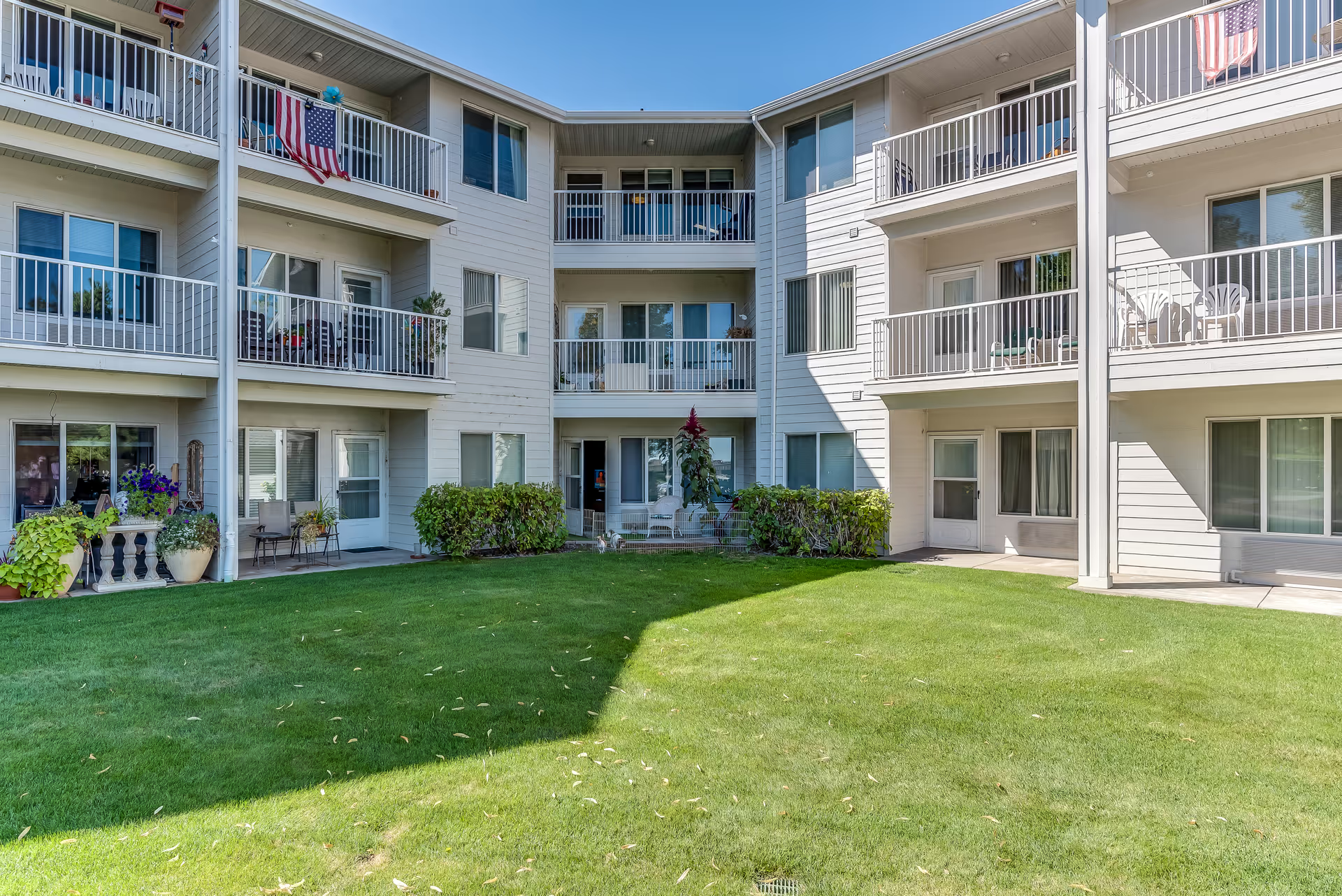
Three Rivers Place presents as a small, one-level assisted-living community that many families find comforting and personal. Reviewers frequently highlight a caring, attentive staff and active nursing oversight, including on-site nursing and hospice collaboration. The facility’s small scale is repeatedly described as producing a home-like, close-knit atmosphere and personalized one-on-one attention. Physical features that draw positive comment include bright, well-laid-out rooms with windows and kitchenettes, wide hallways that facilitate easy walking, walk-in showers, a courtyard, and on-site amenities such as haircare services and monthly family dinners.
Dining is a prominent strength for many families: an experienced chef and chef-driven menus receive consistent praise and are cited as a reason residents enjoy meals and social dining. At the same time, there are recurrent notes about variability in meal acceptability for some residents, and a subset of families described limited texture-appropriate or resident-specific menu options. Prospective families should sample menus and ask about accommodations for dietary and swallowing needs.
Activity offerings appear robust when staffing and infection-control conditions permit; reviewers mention bingo, puzzles, crafts, a wellness fair, and other social opportunities that contribute to a sense of community. However, activity levels have been reduced at times — notably during infection-control periods such as the coronavirus pandemic — and some reviewers described fewer organized activities when the facility is short-staffed.
Operationally, the most consistent concerns involve staffing stability, clinical processes, and transparency. Several reviewers described staff turnover and periods of limited staffing that affected continuity of care. There are specific operational-level issues raised about medication-administration practices and documentation, laundry service reliability, and inconsistent housekeeping or sanitation standards in parts of the facility. Billing and charge transparency also emerged as a notable concern for some families. These items represent areas to investigate further during a tour or intake discussion.
The facility’s small size is both an advantage and a limitation. It supports personalized attention and a family atmosphere but also means limited capacity and fewer specialized resources for residents with higher-acuity needs — several families explicitly noted that the community is not well equipped for progressive dementia care or increased supervision needs. Additionally, some units and common areas show signs of aging and smaller room footprints, so prospective residents should review specific floor plans and maintenance plans.
In summary, Three Rivers Place is widely regarded by many families as a warm, affordable, and well-staffed option for residents who need assisted living but not high-level dementia care. The dining program, personal touches, and community feel are frequently cited positives. At the same time, prospective residents and their families should probe staffing ratios and turnover, medication and clinical protocols, housekeeping and laundry procedures, billing policies, and the facility’s capability to support higher-acuity or dementia-related needs before committing. Scheduling a tour during active programming, requesting a sample menu, and speaking with current families can help evaluate fit for a specific care profile.