Review feedback for WindSong at Southridge is mixed, with clear areas of strength alongside recurring operational concerns. Many reviewers praised the caregiving team when it is staffed and stable: staff are frequently described as compassionate, dementia-capable, and able to form personal connections with residents. The community’s Montessori-inspired approach and a broad activity calendar (arts and crafts, cooking, gardening, outings, bingo, church days, happy hours and fundraising events) are consistently cited as meaningful contributors to resident engagement and quality of life. Several accounts describe strong end-of-life support and cases where residents regained mobility and enjoyed an improved social life.
Staffing and clinical care quality are the primary sources of concern. While some units or periods had consistent RN supervision and favorable staff-to-resident ratios, other accounts describe high turnover, reliance on less-trained or outsourced workers for memory-care needs, and variable nursing oversight. These operational inconsistencies are tied to reported delays or variability in personal-care routines (bathing, grooming, toileting), unreliable call response, and gaps in fall-prevention and transfer-safety processes. Reviewers also raised infection-control vulnerabilities during outbreak periods.
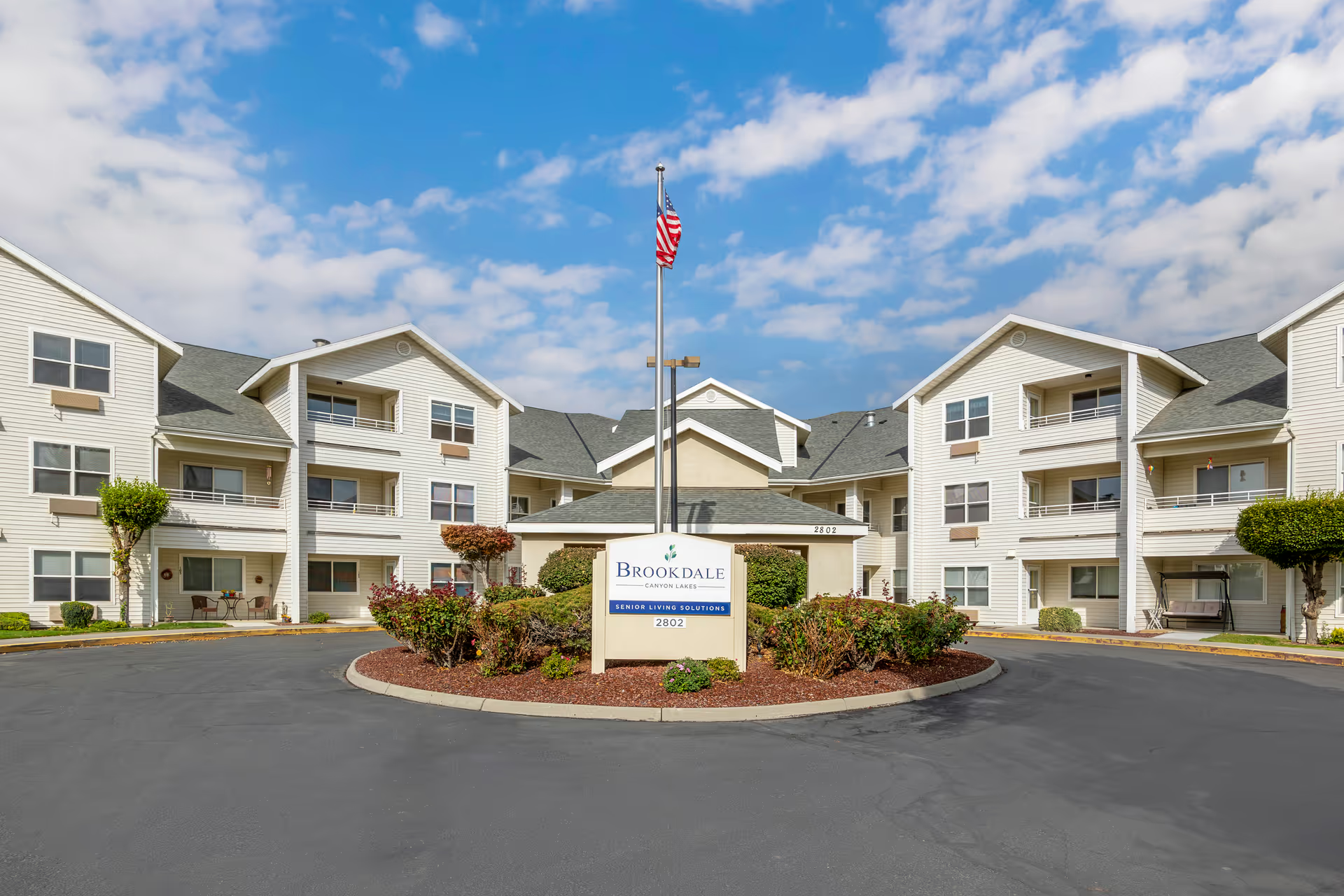
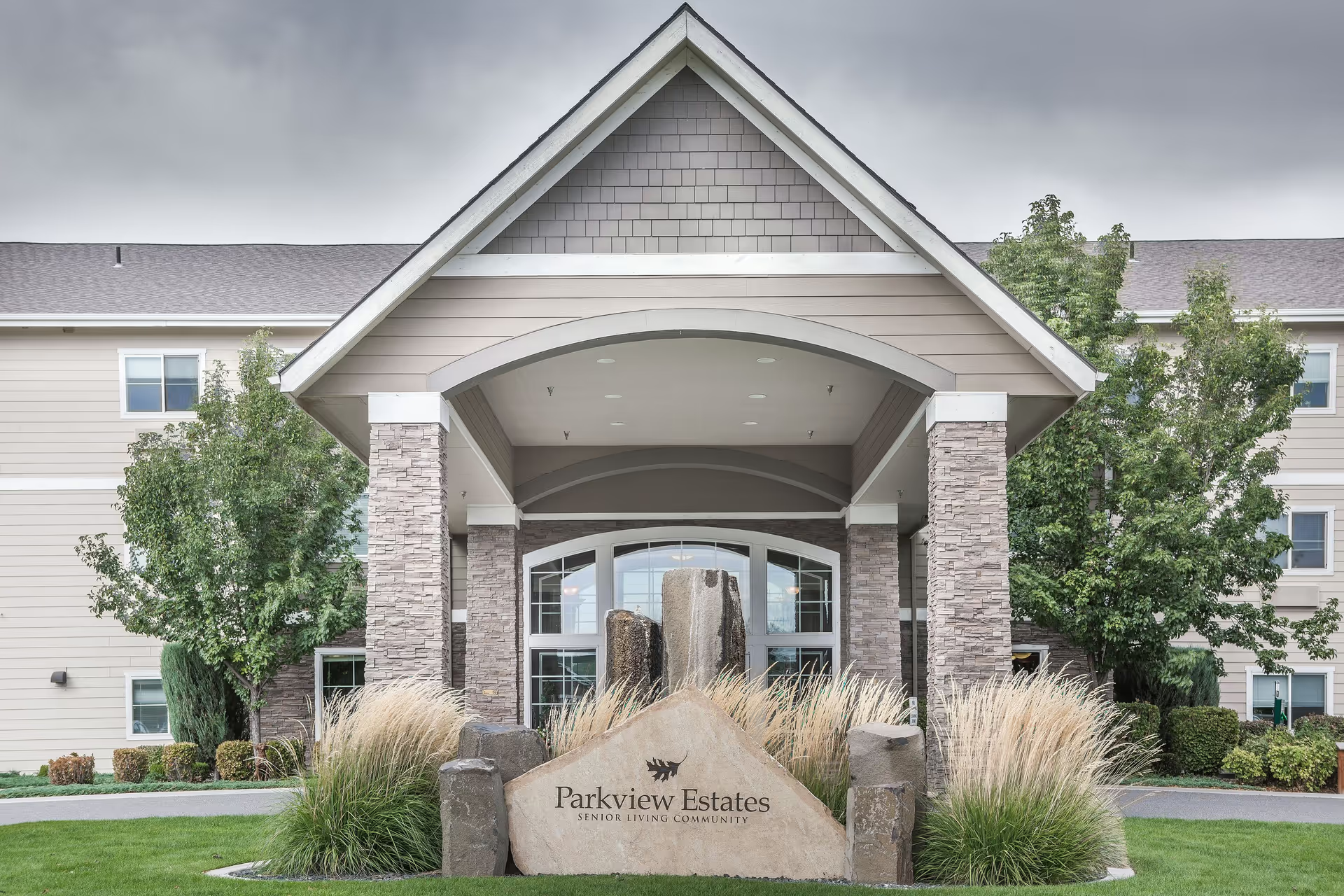
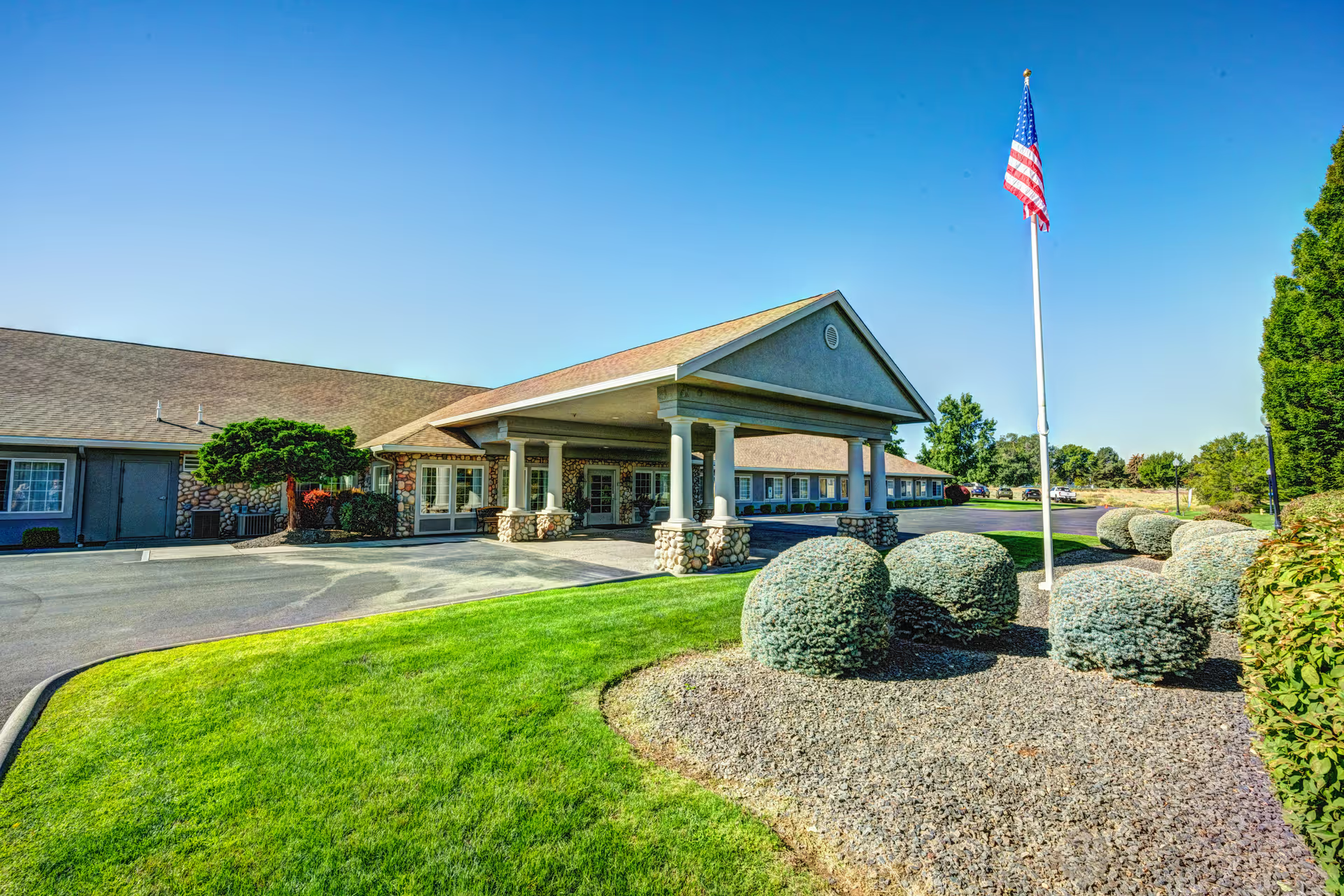
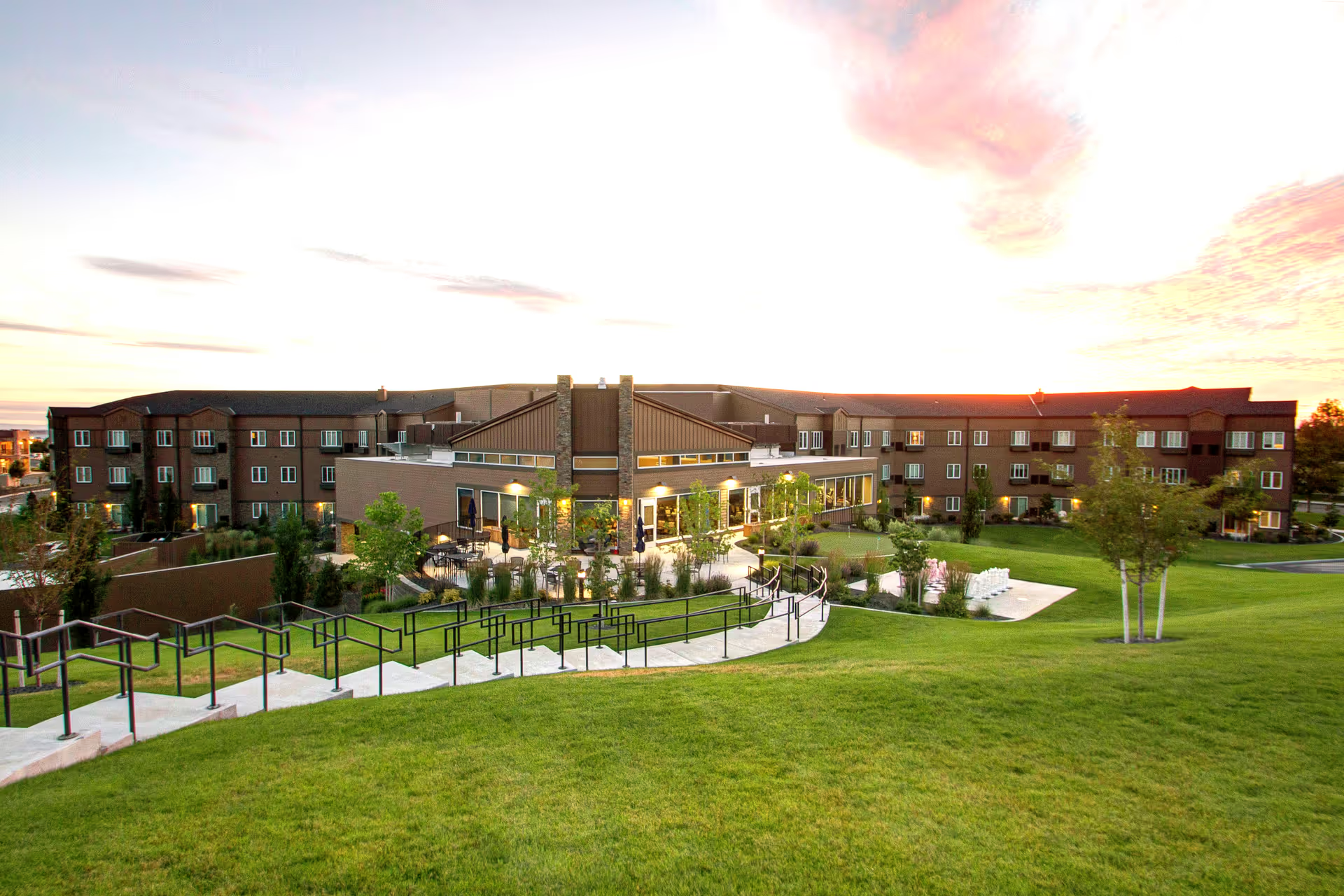
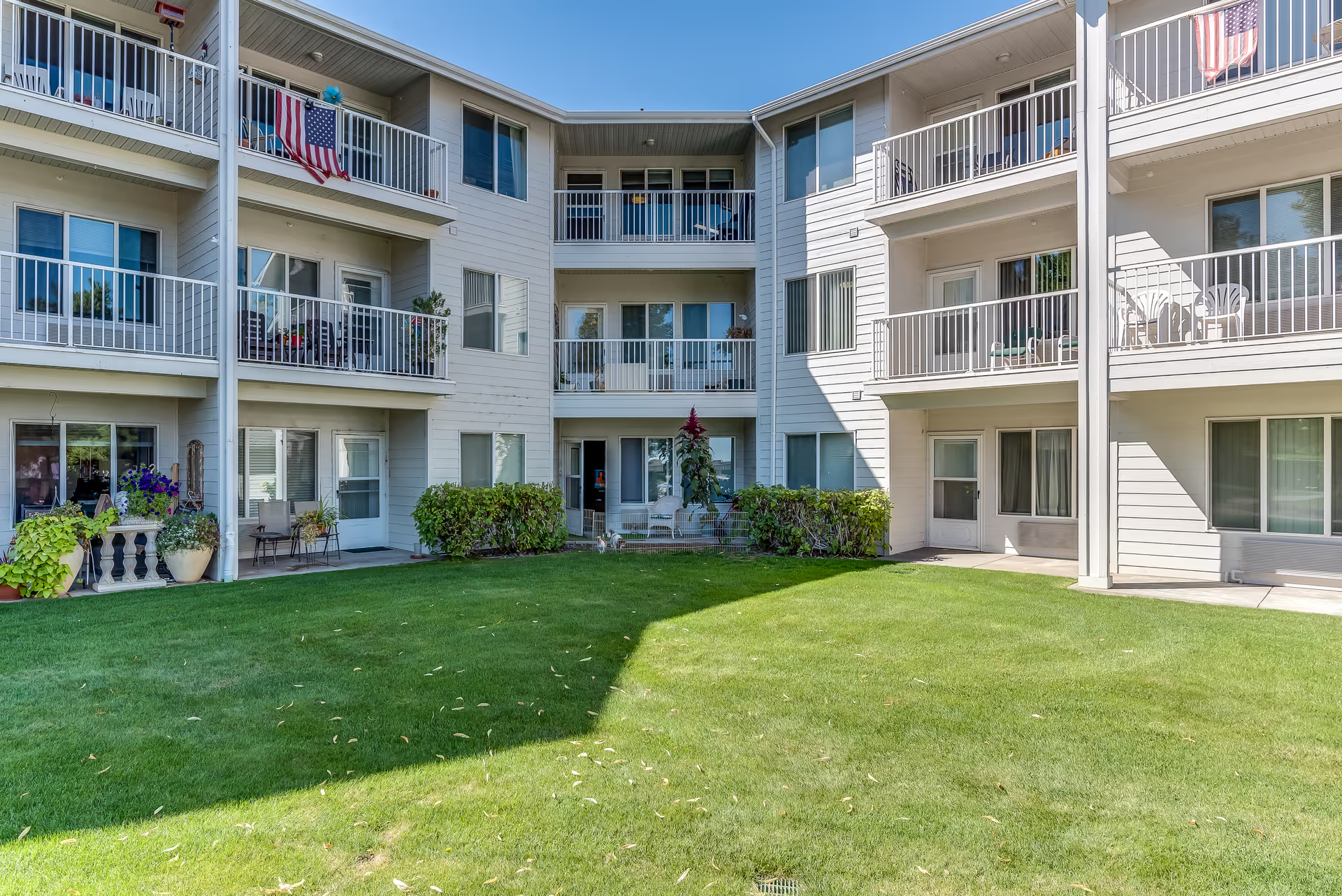
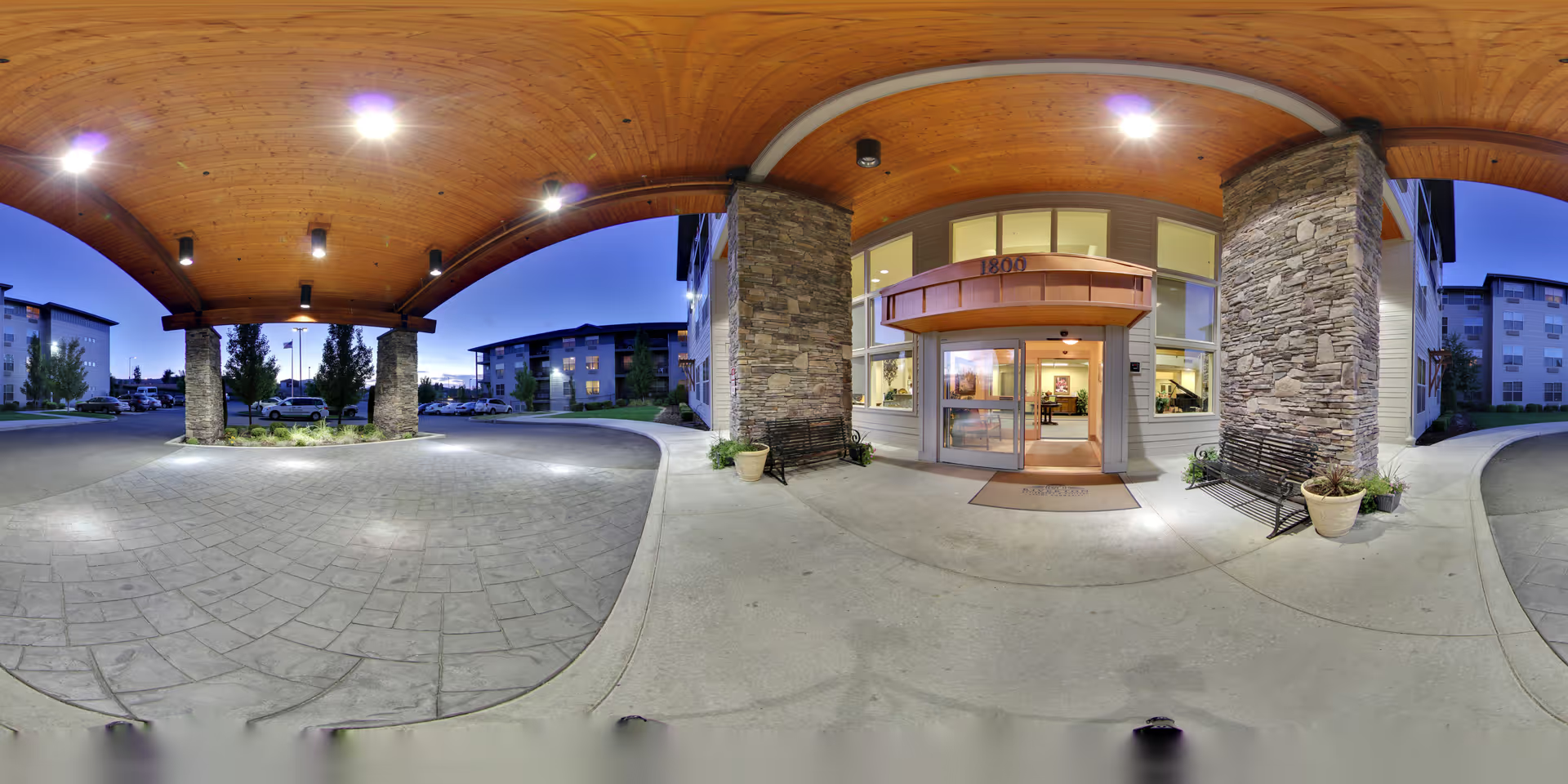
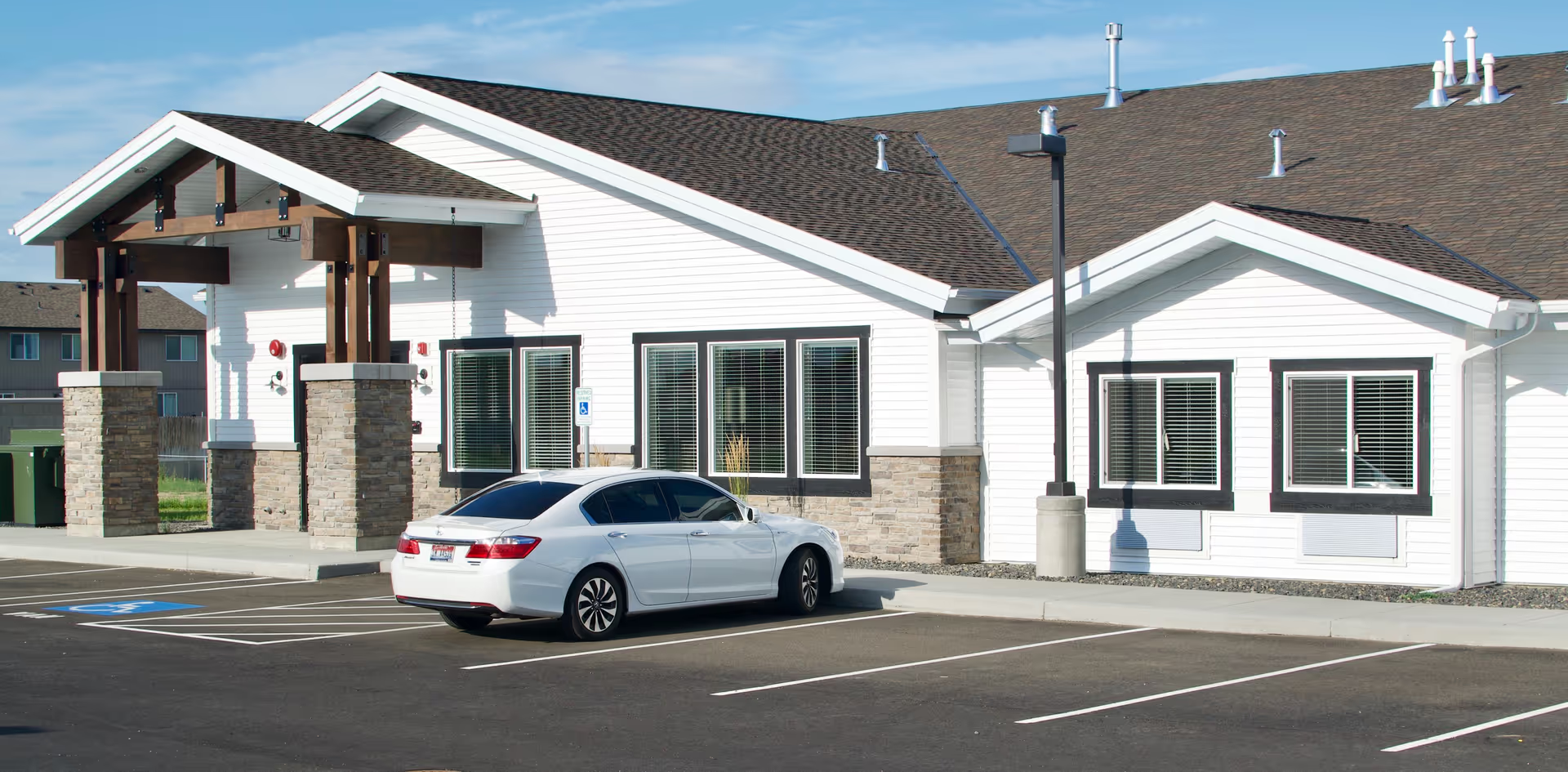
Dining and housekeeping emerged as mixed items. The facility’s common areas and outdoor/social spaces are often described as new, bright, and well maintained, and some reviewers found the community clean and welcoming. At the same time, there are recurring references to inconsistent cleanliness in resident rooms, variable meal quality over the day, limited dietary accommodations (including diabetic needs), and concerns about food-safety oversight. Marketing and admissions impressions are uneven: some families praised upfront communication and responsiveness, while others objected to photographic representation and perceived a mismatch between marketing and lived experience.
Management and communication practices are another pattern. Several reviewers described poor complaint-resolution processes, inconsistent family communication, billing or refund disputes, and a sense of management instability that correlated with staff departures. A subset of feedback raised workplace-culture concerns that families felt affected staff morale and continuity of care. Conversely, where leadership and staffing were stable, families described honest admissions interactions and strong day-to-day communication.
For prospective families: WindSong at Southridge shows strengths in programming, environment, and—when staffed appropriately—resident-centered dementia care. To evaluate current performance, ask for specifics on current RN coverage and typical shift staffing ratios for the unit your loved one would enter; inquire about staff training for memory care and the use of any contracted/outsourced personnel; request recent inspection or incident logs; review infection-control and food-safety policies; test call-light responsiveness during a visit; and ask how complaints, billing disputes, and marketing representations are handled and documented. Observing a mealtime and an activity period can help verify alignment between promotional materials and daily operations.