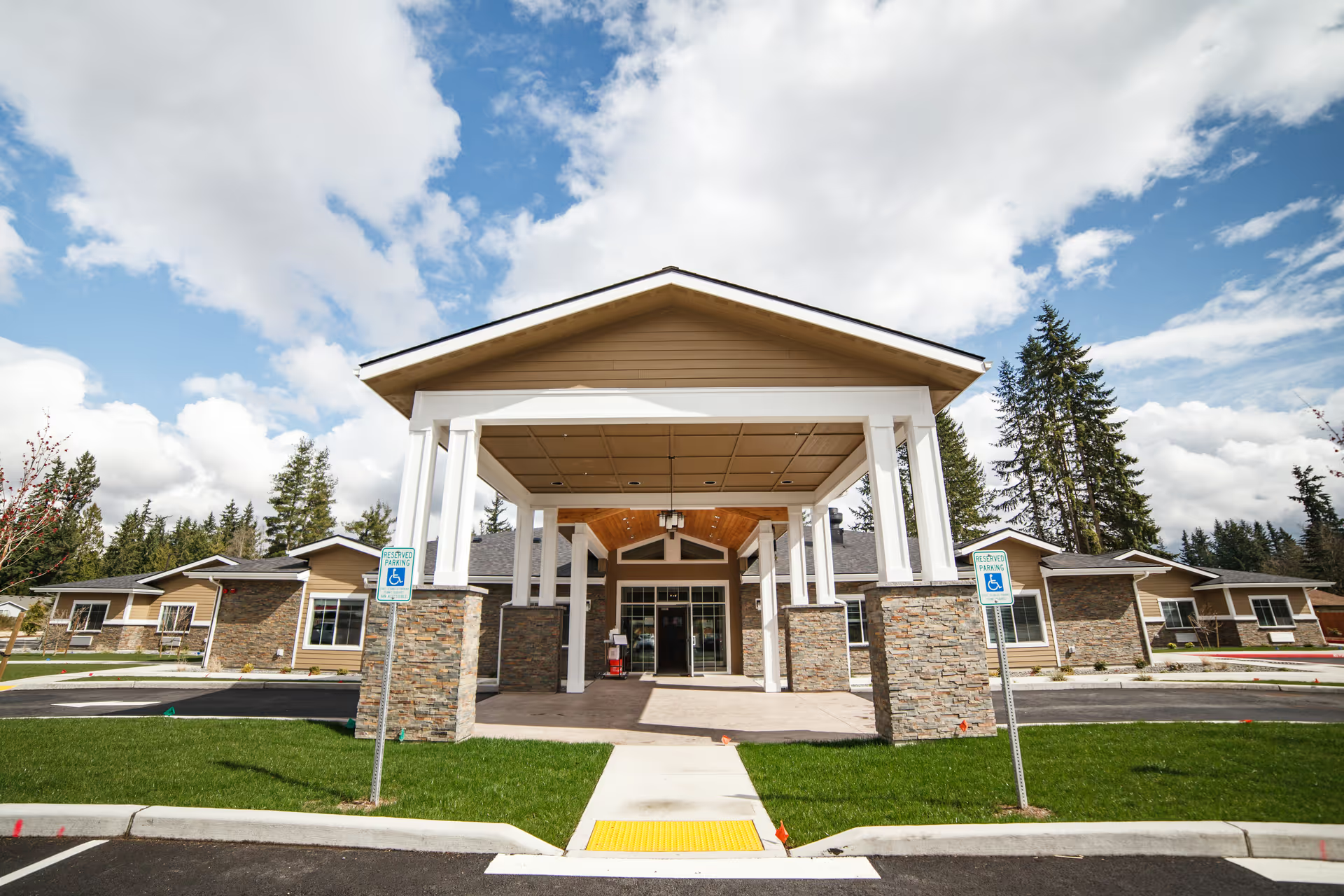
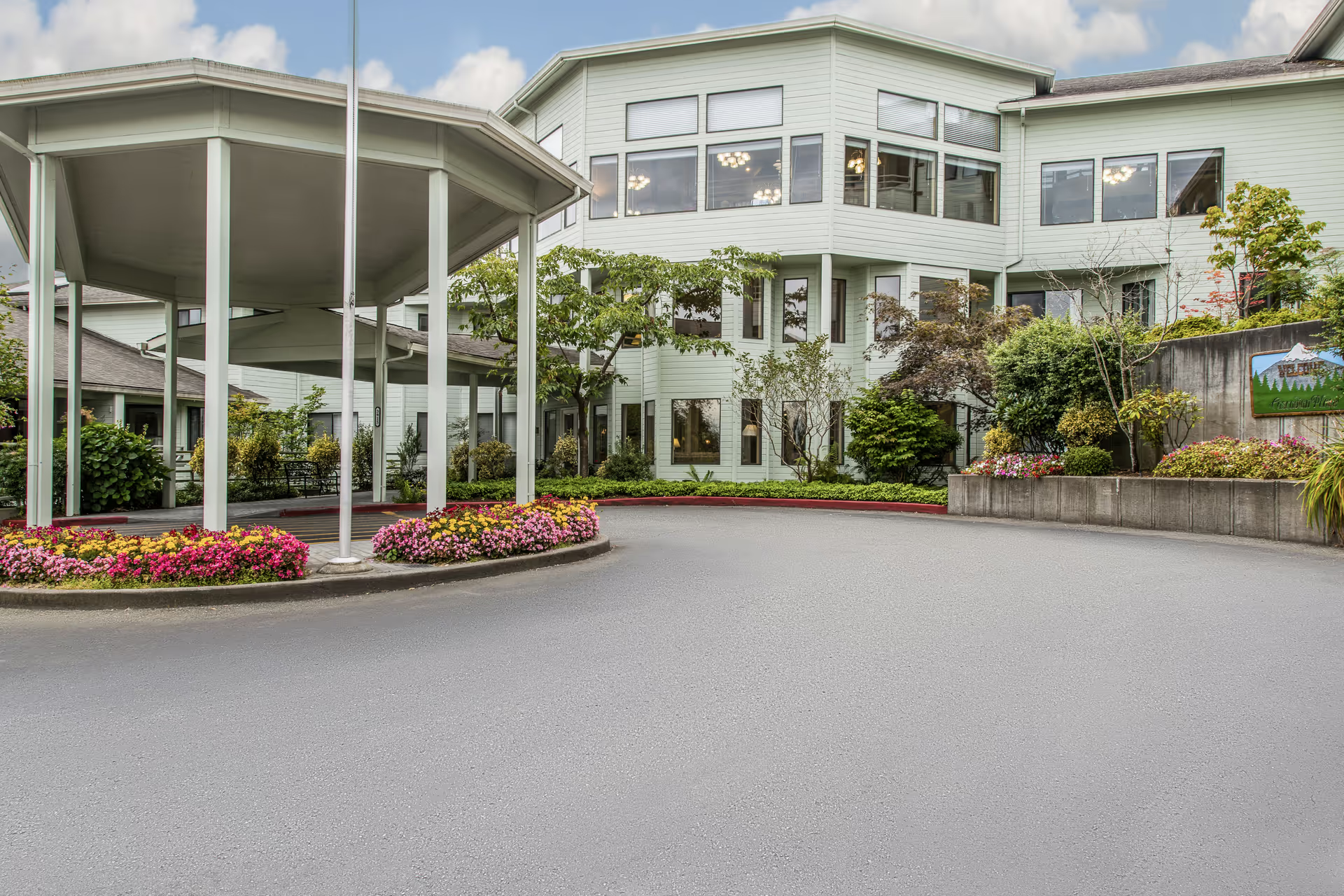
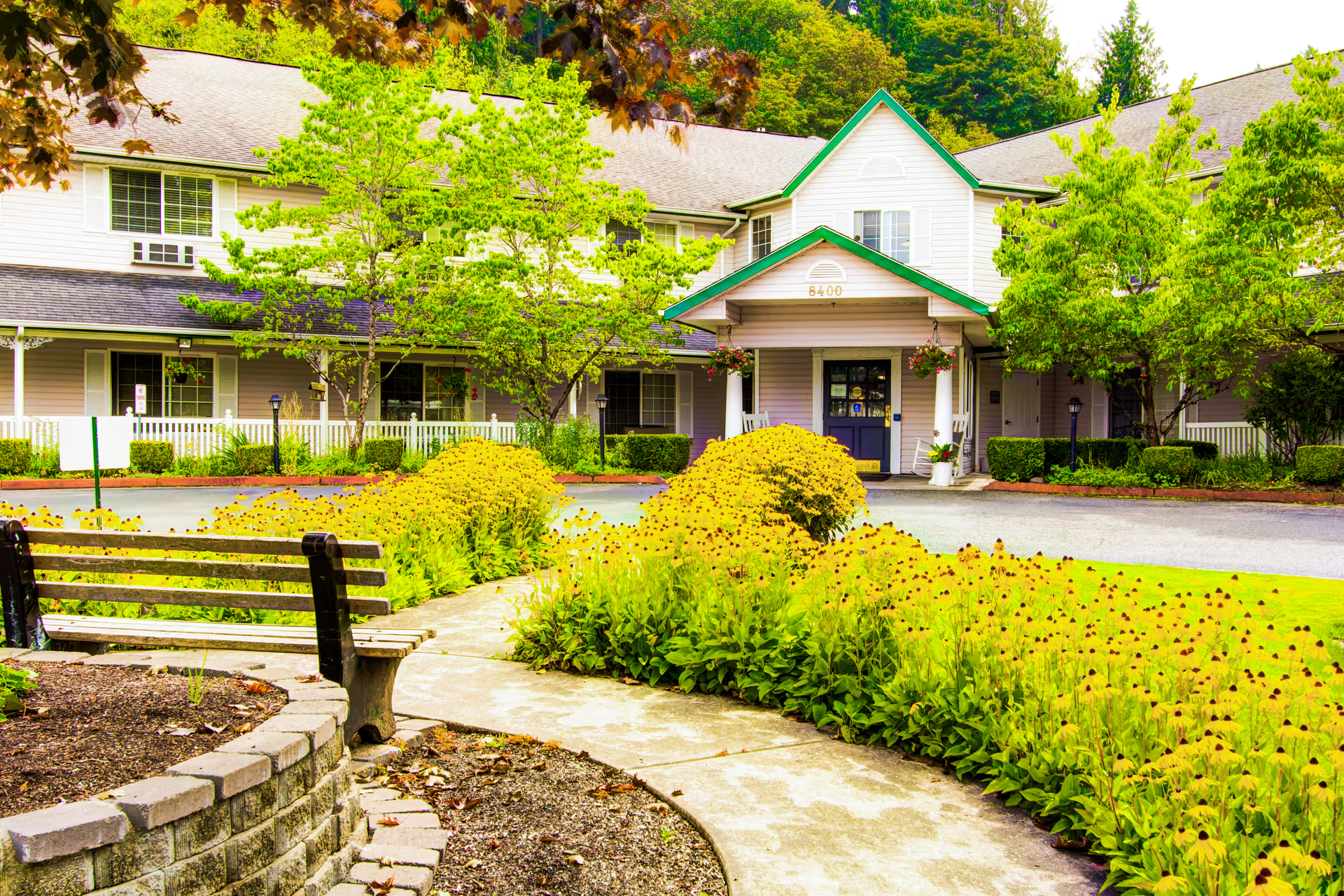
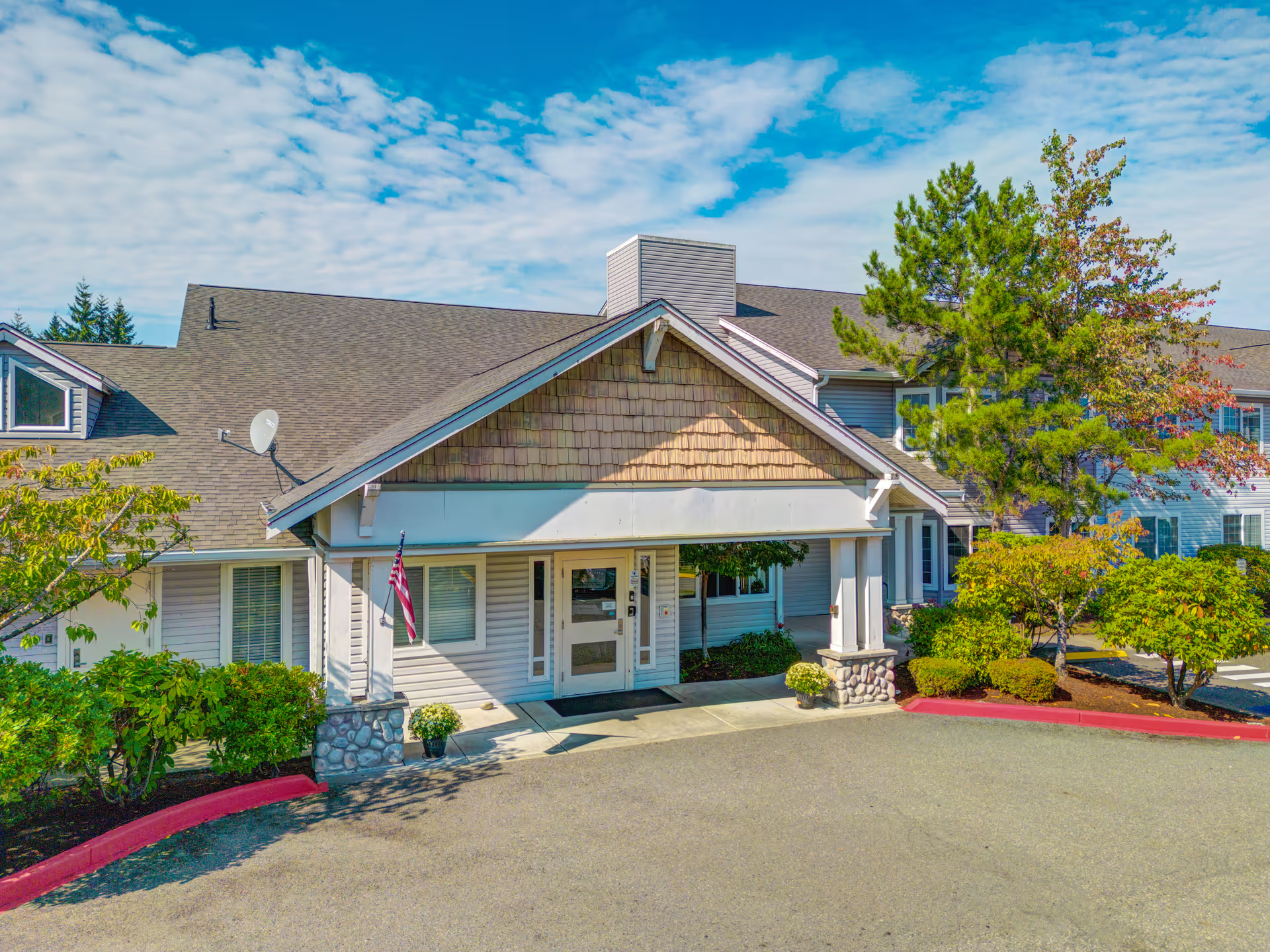
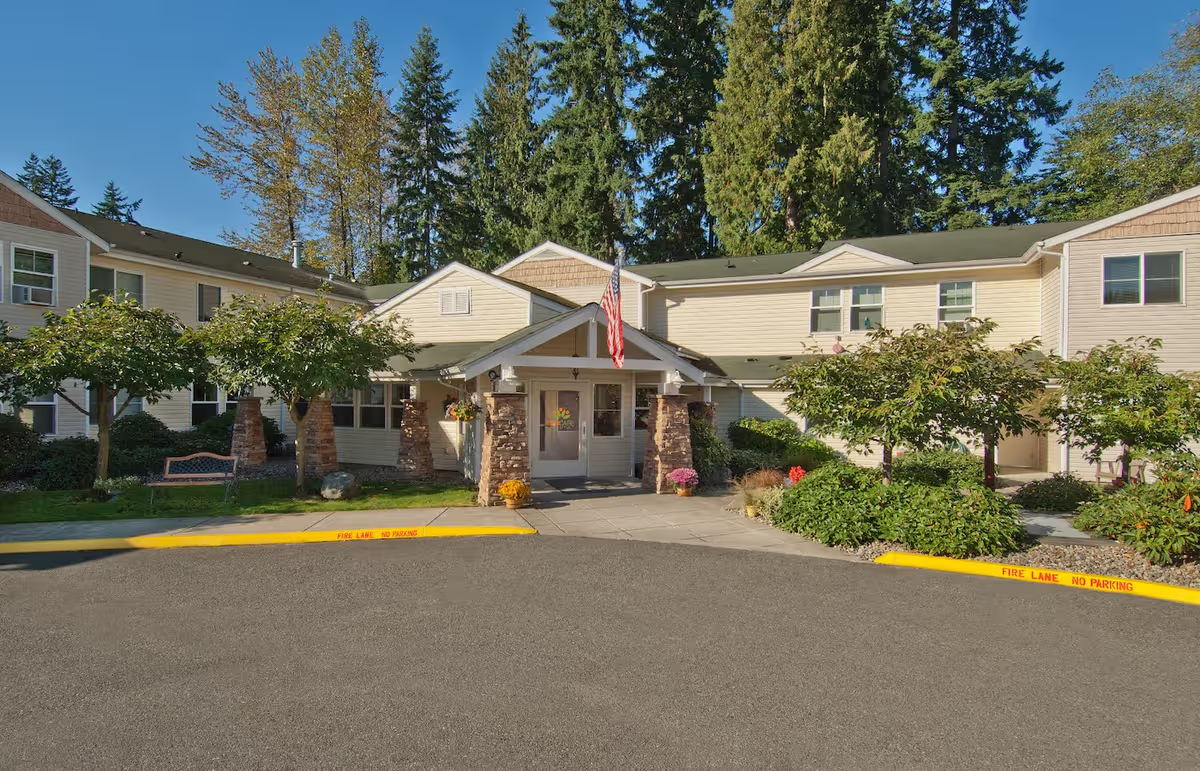
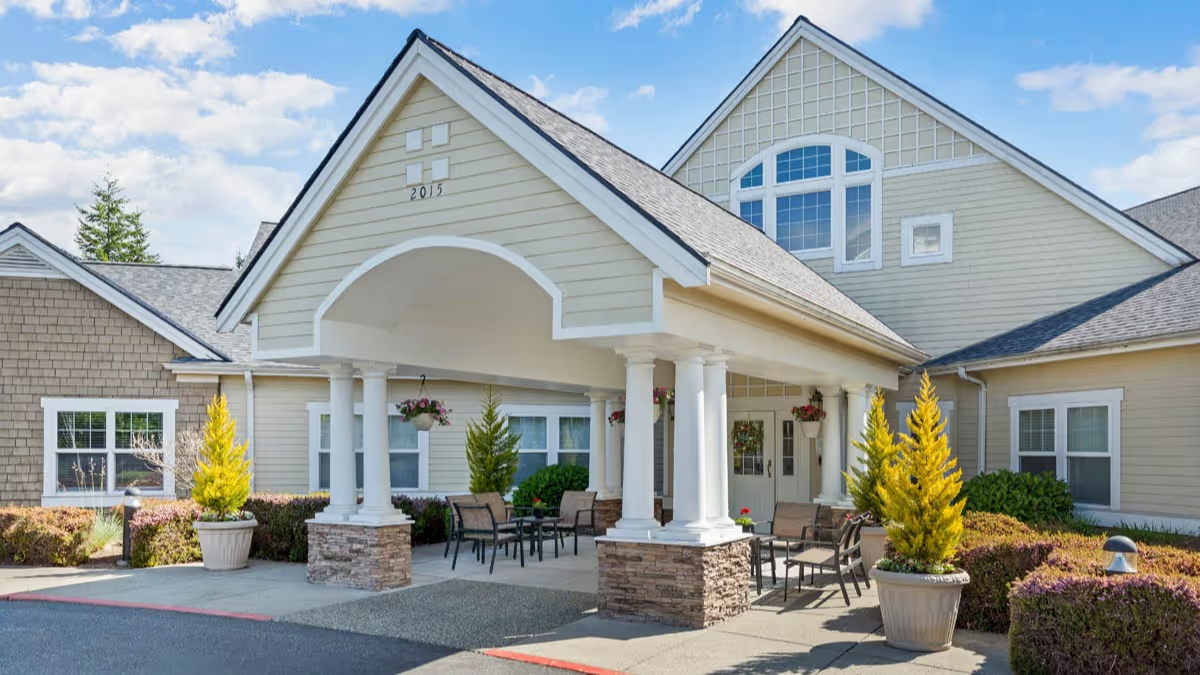
Overall impression: The facility is frequently described as attractive, well maintained and home-like, with pleasant outdoor spaces, private rooms, a bright dining area and accessible amenities such as Wi‑Fi. Many families and observers highlight a warm, family‑style atmosphere, consistent caregiving, and a memory‑care program staffed with 24/7 nursing and caregiving personnel. On the positive side, administrative staff are often cited as helpful with Medicare and dementia information, and the on-site kitchen offers three meals a day with dietary accommodations.
Care and staff: Numerous accounts emphasize compassionate, attentive caregivers and a staff culture that can feel familial and resident‑focused. The presence of on‑site nursing around the clock is a recurring strength noted for clinical oversight, and several reviewers praised staff responsiveness and knowledge. At the same time, there are recurring operational concerns about staffing consistency: some families report periods when caregiver availability and attention are stretched, particularly for residents with higher physical or clinical needs. Relatedly, a subset of reviewers described delayed responses to clinical changes and hospital transfers; these comments point to gaps in incident response protocols and in consistent family communication when health events occur.
Dining and clinical management: The facility’s kitchen and dining program receive positive comments for variety and the accommodating dining environment. However, there are specific concerns about dietary and medication oversight for residents with complex conditions (for example, diabetes management and insulin control). Prospective families should verify individualized care plans, meal‑management procedures for chronic conditions, and protocols for monitoring glucose and other critical parameters.
Activities and daily life: Activity programming — including gardening, outings, weekly live music, and entertainment — is a clear strength for many residents, contributing to an engaging atmosphere. Conversely, some reviewers describe uneven daytime engagement, with reports that scheduled activities may not consistently reach all residents or provide sufficient stimulation for those who require more structured daytime programming. Ask for current activity schedules and participation rates if engagement is a priority.
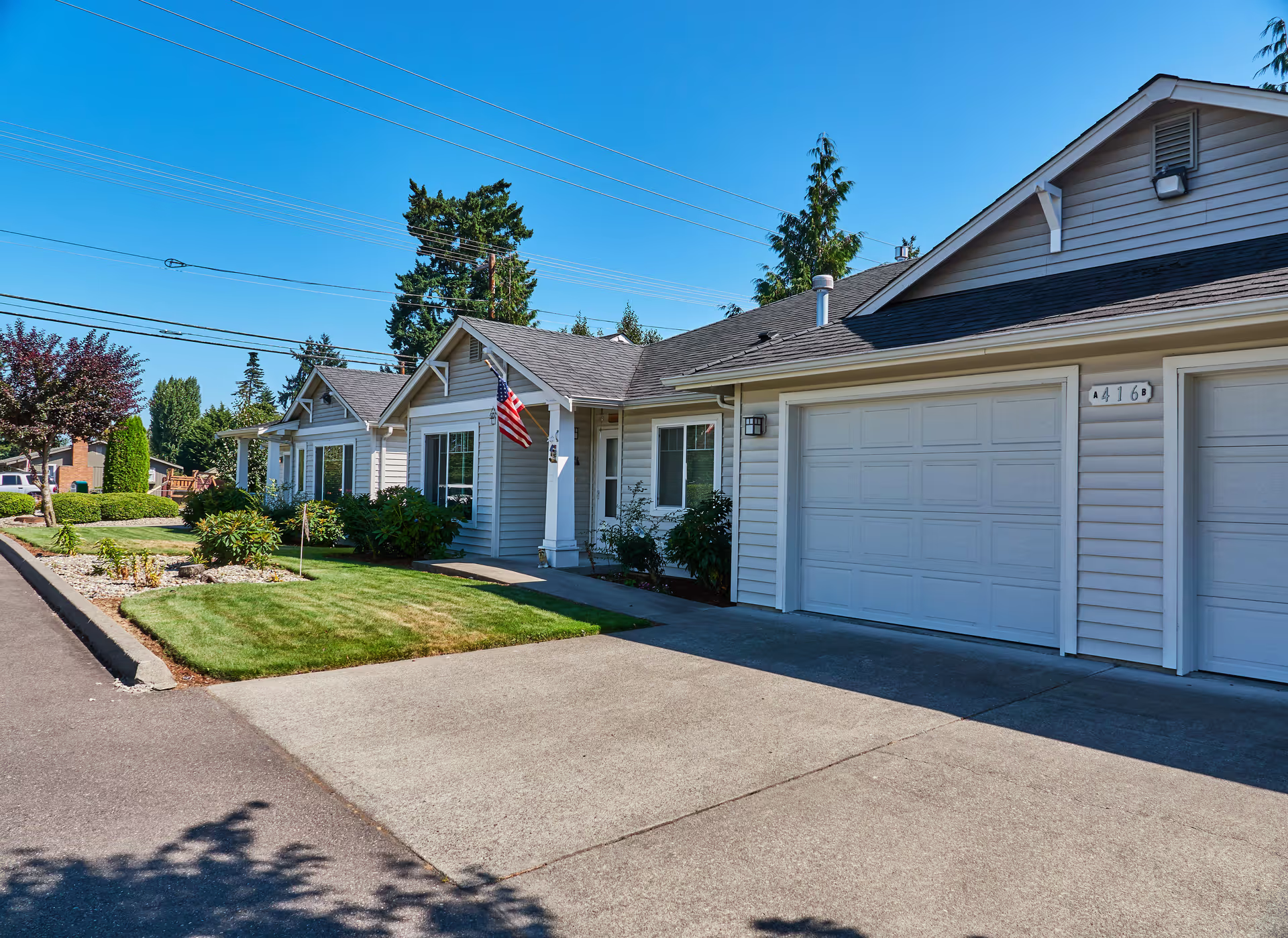
Facilities and sanitation: The campus and cottages are commonly described as clean, bright and well kept, with attractive courtyards and outdoor seating. Nevertheless, a minority of accounts raised sanitation and housekeeping concerns in certain units or common areas. These remarks suggest variability in housekeeping consistency that families may want to confirm during a tour.
Management and transparency: Experiences with administration are mixed. Several families praised responsive office staff and helpful guidance on dementia care and benefits. Conversely, other reviewers expressed concerns about administrative transparency during infection events and about staff‑relations practices. These concerns include questions about internal communication and how the facility notifies families during health‑related incidents. Prospective residents should ask about infection‑control policies, family notification procedures, staff training, and recent regulatory or staffing changes.
Notable pattern and recommendation: The overall pattern is mixed but not contradictory: many families find the facility caring, safe and well suited to memory care, while others report operational inconsistencies that affected clinical outcomes or day‑to‑day supervision. To evaluate fit, visitors should observe staffing levels at different times of day, review clinical and dietary-management plans for complex conditions, ask for recent examples of incident responses and family notifications, and request a current activity calendar and housekeeping standards. These targeted questions can help determine whether the facility’s strengths align with a prospective resident’s specific care needs.