Overall sentiment is mixed but leans positive about the care and personal attention provided, while raising clear concerns about cost, private-room amenities, and some aspects of the facility's physical condition and management culture.
Care quality and staffing are the clearest strengths in these reviews. Multiple summaries emphasize helpful and attentive caregivers and state that residents (specifically one reviewer’s mother) are well cared for and treated very respectfully — even described as being treated "like a queen." Reviewers note appreciation for the staff and highlight that a nurse-owner is actively involved and "on top of everything," which suggests clinically informed oversight and hands-on management of care. The small-home setting is repeatedly framed as an advantage: residents receive more interaction and personal attention than might be expected at larger facilities, and several comments explicitly say the environment is better than a larger facility.
Staff and management impressions are generally favorable but not uniformly so. Many reviewers praise the staffing level and individual caregivers, calling them helpful and nice. At the same time, at least one summary calls out a judgmental staff member or manager, indicating there may be occasional interpersonal or cultural issues among personnel or variability in how families experience leadership. The presence of a nurse-owner who is praised suggests strong clinical leadership, but the note about judgmental behavior signals that prospective residents and families should meet the management team and observe interactions directly.
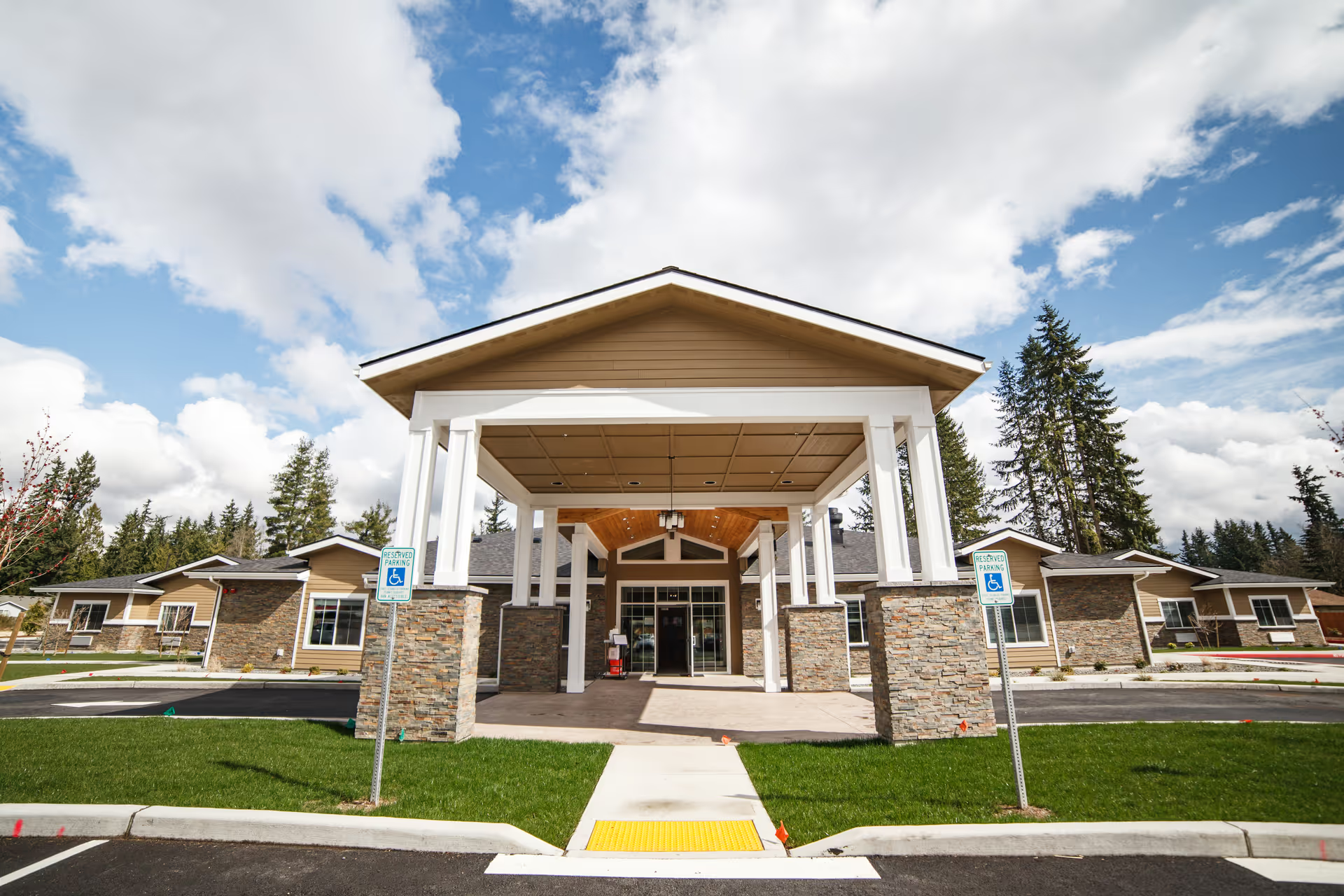
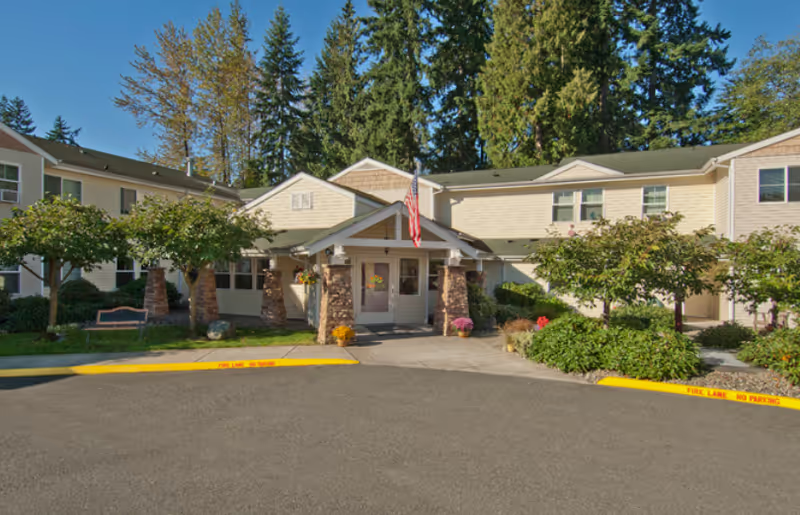
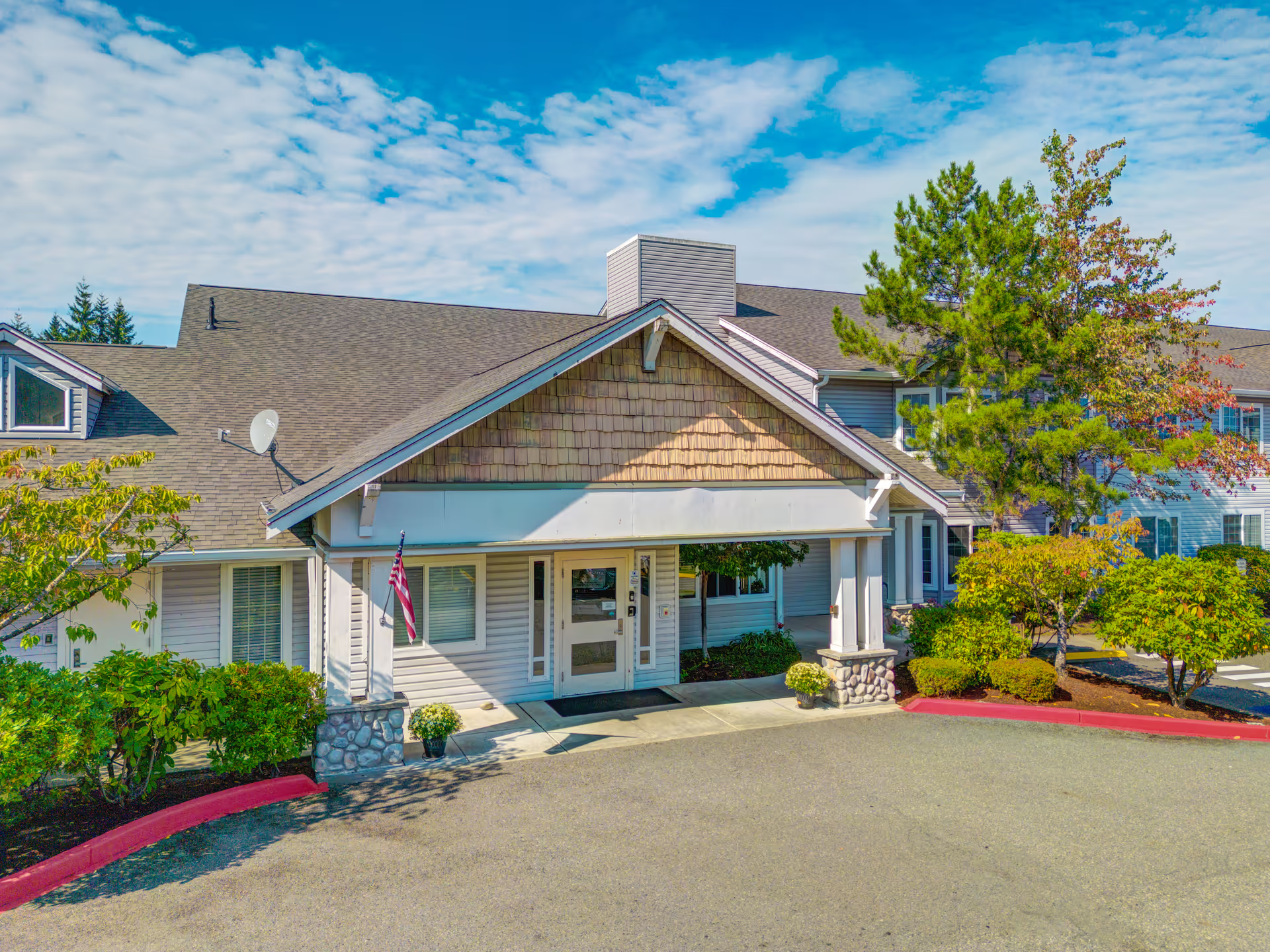
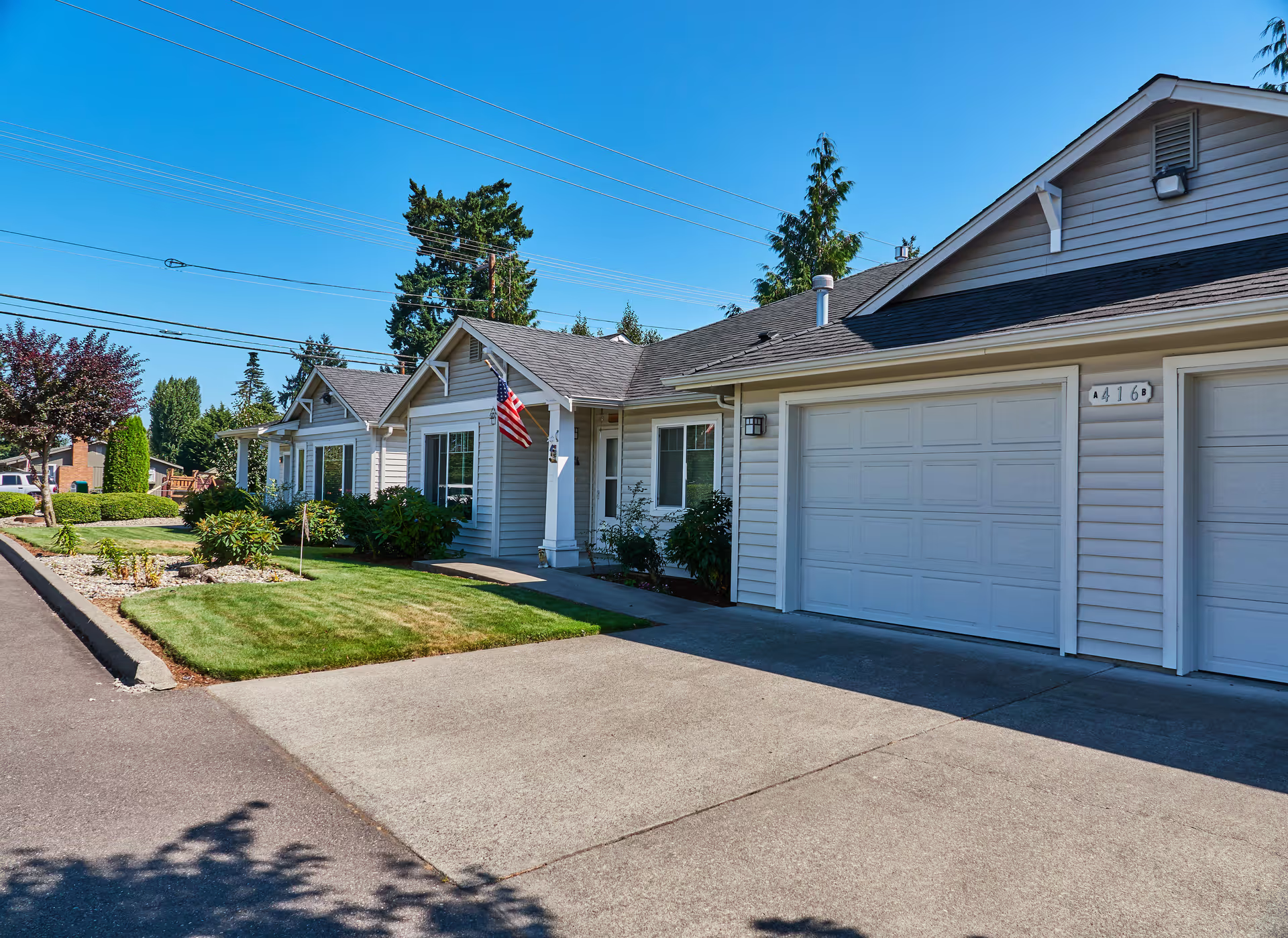
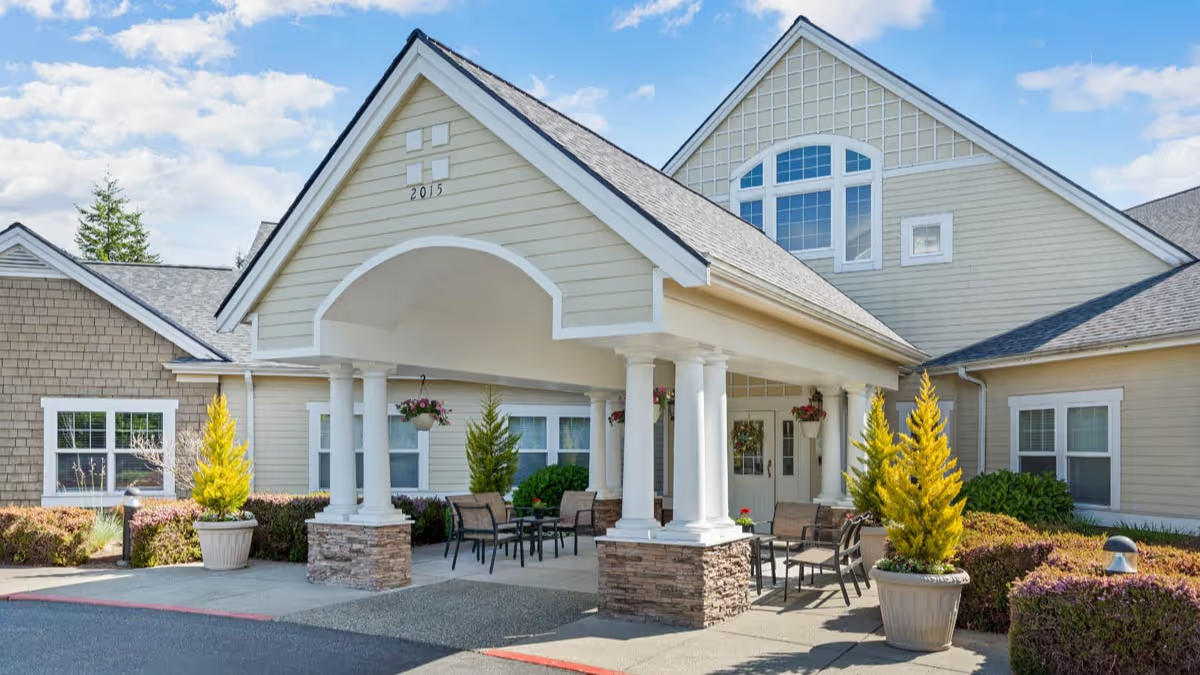
Facility and room conditions show a split impression. Several comments call the place "beautiful," suggesting attractive common areas or an overall pleasant aesthetic. However, those positive impressions are tempered by multiple specific concerns about the facility entry being rundown or "creepy," which can create a poor first impression and raise questions about exterior maintenance and safety. More concretely, private-room conditions appear problematic for at least one resident: a tiny room with missing basic furnishings (no bed) and no TV were explicitly mentioned. This suggests inconsistency between communal spaces and private accommodations, and it points to the need for clear pre-move inspections of individual rooms and included amenities.
Activities and daily life are described with nuance. The smaller home reportedly provides more interaction among residents than larger facilities, which can be a significant social benefit. However, activities are also described as limited by residents' mobility, implying that programming may not be highly active or that the resident population has significant mobility constraints. This means social interaction comes more from staff and roommate engagement than from a robust calendar of physical activities; families should ask about activity plans tailored to varying mobility levels.
Cost is a major and recurring concern. Several reviewers explicitly identify the monthly fee as high, and one notes the cost is higher than other facilities. While some families appear to feel the quality of care justifies a premium price, the combination of expensive fees with reports of tiny or unfurnished rooms and a rundown entry creates a tension: families are paying above-market rates in at least some cases but not always receiving uniformly high-end physical accommodations. This pattern makes it important for prospective residents to get a full written breakdown of what the monthly cost covers, what amenities or furnishings are included, and whether additional fees apply.
Taken together, the dominant themes are strong personalized care and engaged clinical oversight balanced against concerns about value, private-room quality, and mixed impressions of management/personnel behavior. For prospective families: prioritize an in-person tour that inspects the specific room you would receive, meet the nurse-owner and frontline staff to assess fit, request a clear written list of included furnishings and services, and ask for specifics about typical activities and how programming is adapted for limited-mobility residents. Those steps will help determine whether the facility’s strong caregiving culture aligns with your expectations given the higher-than-average cost and the reported physical shortcomings.