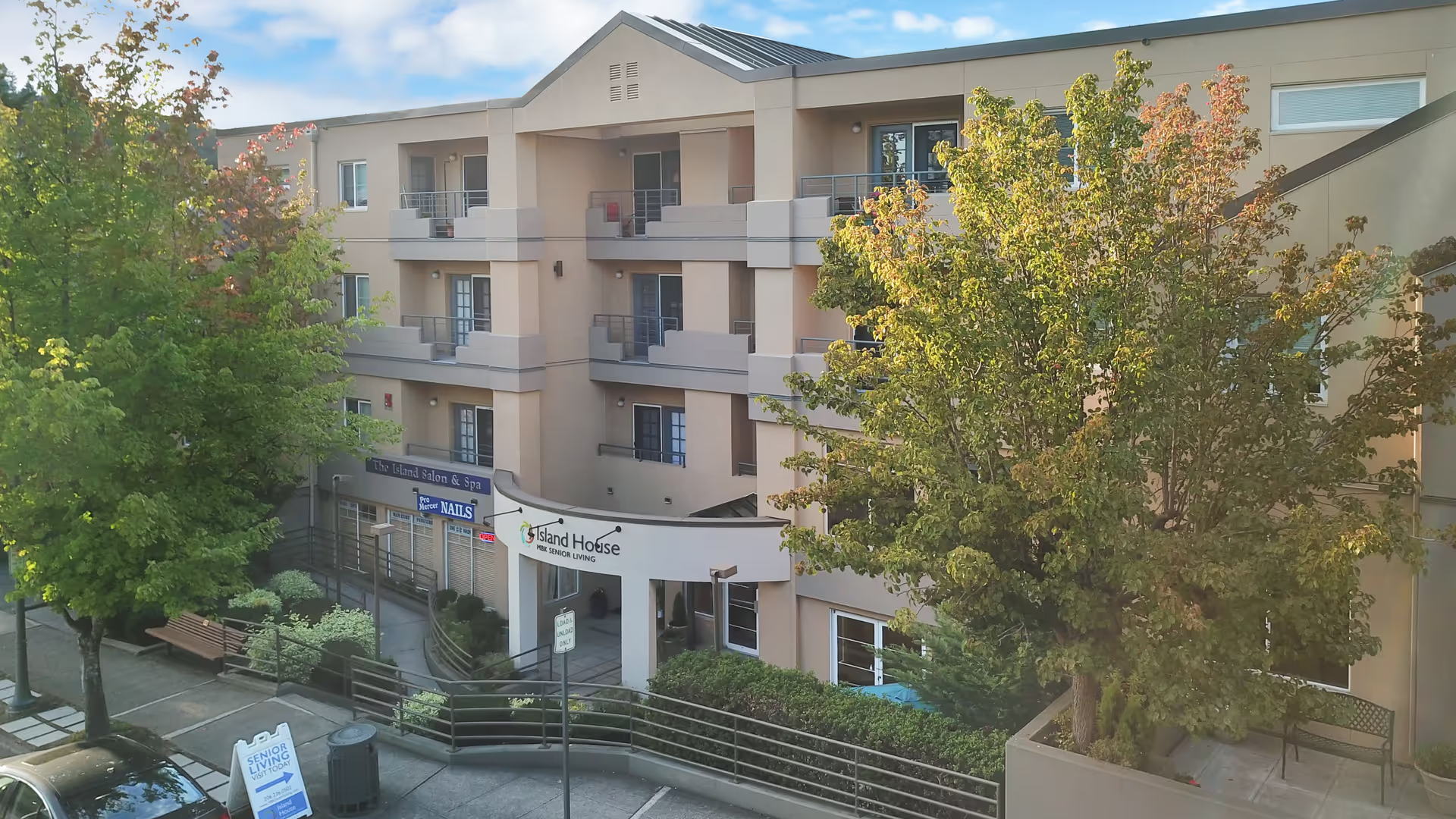
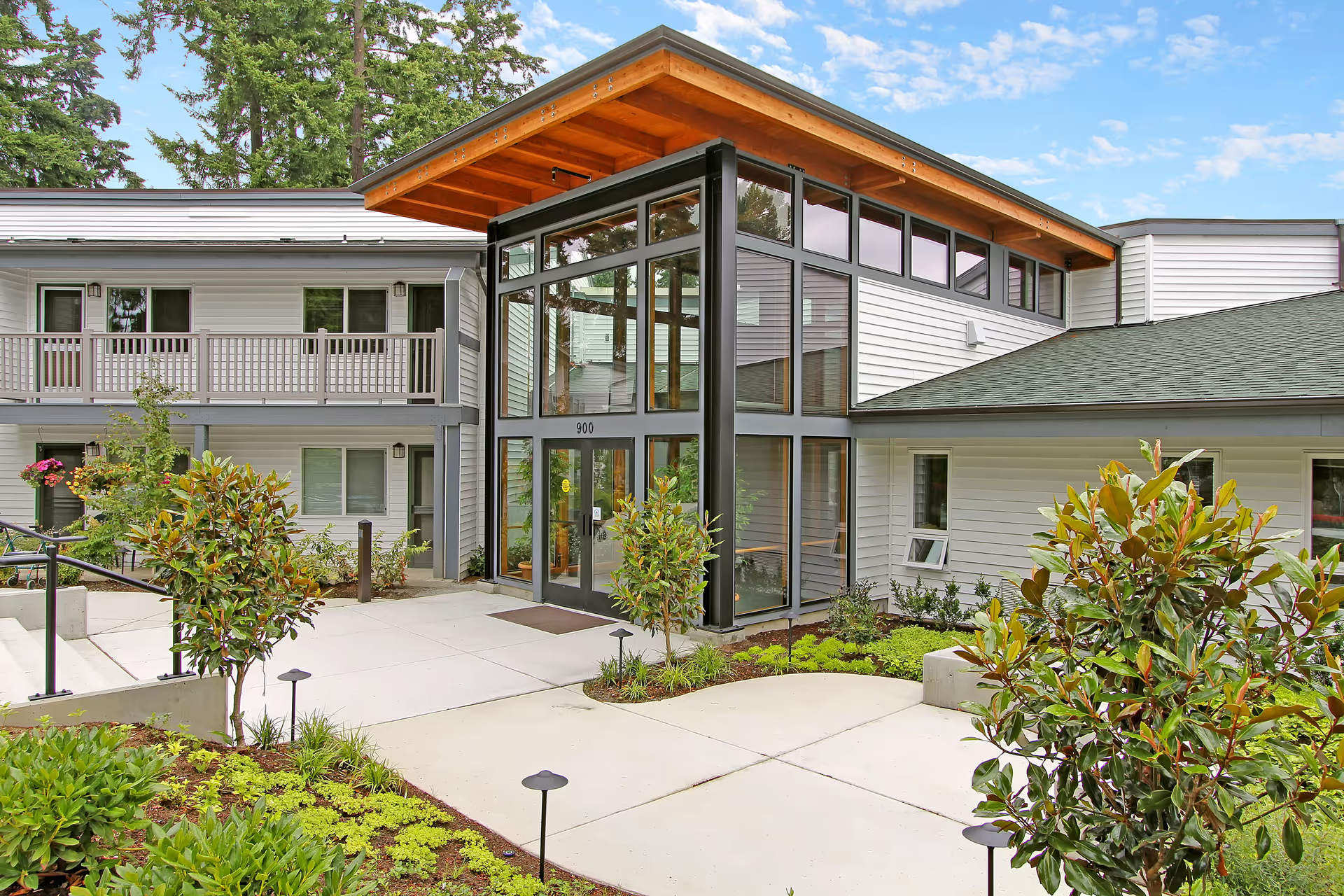
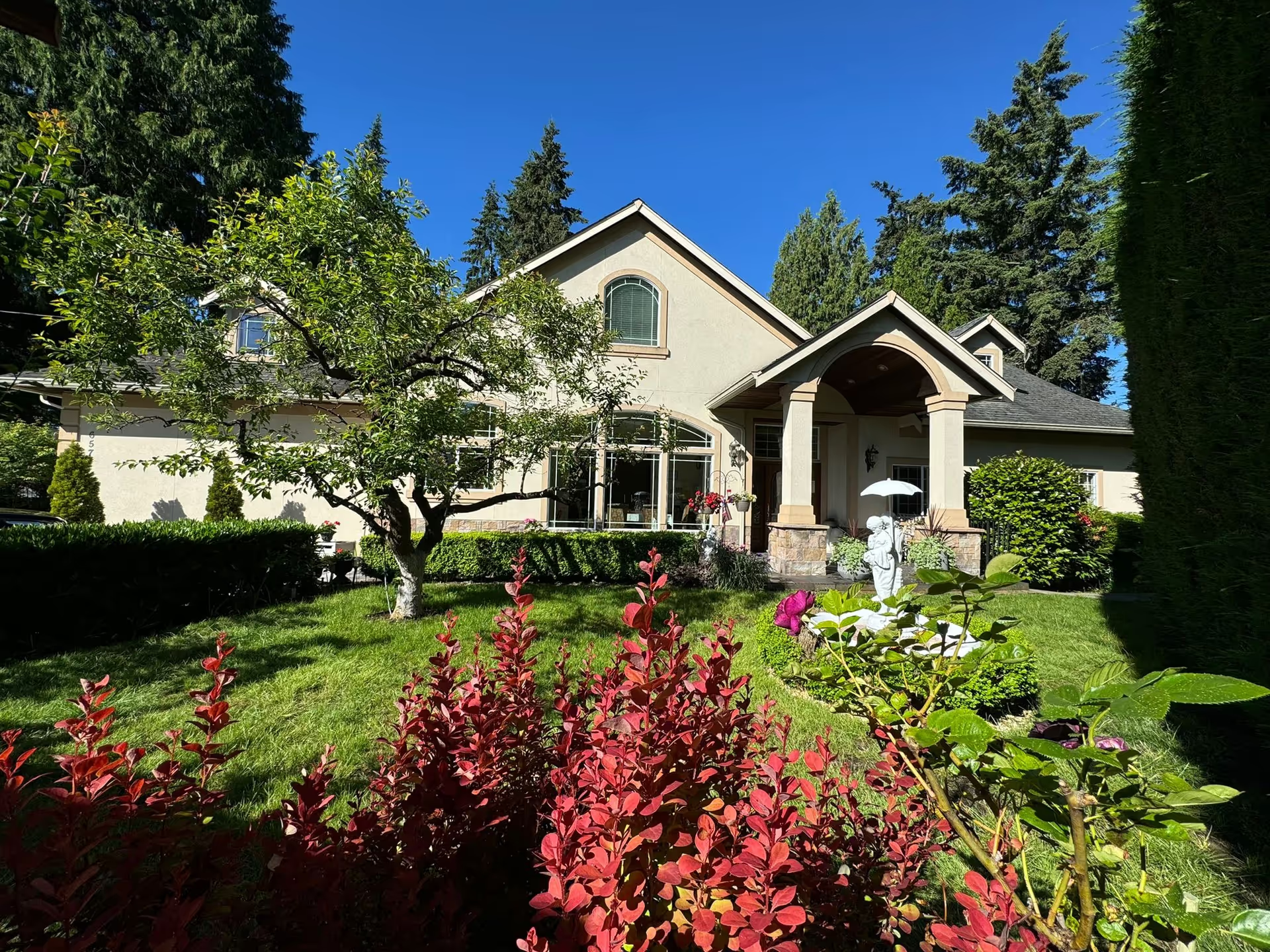
Covenant Living at the Shores presents a pronounced contrast between its physical campus and some operational practices. The facility consistently earns praise for its waterfront location on Lake Washington, attractive landscaping, remodeled lakeview apartments, and amenities such as a dining lodge, fitness room with water views, boat dock, and on-site transportation. It operates as a continuing-care campus with an on-site health center and rehabilitation services, and reviewers frequently cite a broad activities program (music, art, wood shop, committees) and a large, engaged resident population. There is also a noted financial-assistance/scholarship option and examples of committed long-term staff who residents and families describe as compassionate and attentive.
Care quality and staffing produce mixed impressions. Positive accounts highlight skilled rehab directors, attentive nurses, and effective medication management in some units. However, a clear pattern of staffing instability and leadership turnover emerges as a major concern: frequent changes in management and nursing leadership, understaffing during weekends and off-peak hours, and reliance on agency personnel with uneven training and supervision. These operational vulnerabilities are associated with lapses described as medication-administration errors or delays, delayed responses to call lights, and inconsistent supervision during nighttime hours. Reviewers also raise sanitation and incontinence-care concerns in certain areas, and families describe variability in staff conduct and responsiveness across shifts.
Dining and activities are generally seen as strengths but with qualifications. Many residents and visitors find the food and dining venues to be good to excellent, and the campus supports an active program of social, musical, and creative activities that foster engagement. A few reviewers found food quality to be inconsistent or repetitive over time. The activities offering is broad — including memory-support programming and community committees — but some families perceived that individualized programming or personalized care plans were less consistent for certain residents.
Facilities and logistics reflect the campus’s upscale location but also practical constraints. The grounds, views, and amenities are frequently praised; however, reviewers mention small or cramped rooms in some units, parking inconvenience, and limited on-site specialty services such as dental care or an accessible transport van. Maintenance and refurbishment are underway in places, though some felt renovation progress was slower than expected.
Management, costs, and transparency are recurring themes. Several families expressed concern about unclear billing practices, extra ala-carte fees, and high monthly charges for both independent living and nursing care. Others described an aggressive sales approach and a perception that organizational priorities can emphasize occupancy and marketing. There are also references to regulatory compliance challenges and state citations, which reflect periods when the facility underwent corrective attention.
Taken together, the pattern in reviews is polarized: many long-term residents and families report a highly satisfying lifestyle driven by the campus setting, activities, and dedicated staff, while other families have encountered operational problems significant enough to prompt transfers, complaints, or regulatory involvement. Prospective residents and families should weigh the campus amenities and care continuum against the facility-level risks described above; when touring, consider asking specifically about current nursing leadership stability, weekend and nighttime staffing levels, medication-administration protocols, billing transparency, and recent corrective actions related to regulatory findings.