Reviews of Vineyard Park of Mercer Island describe a community with clear strengths in day-to-day caregiving, social programming, and facility ambiance, alongside recurring operational and clinical concerns that prospective families should evaluate carefully.
Care and staff: Many families praised caregiving teams as compassionate, patient, and long-tenured. Reviewers highlighted staff who form warm resident relationships, provide individualized attention, and deliver emotionally supportive end-of-life care. At the same time, there are repeated accounts indicating inconsistent nursing continuity and gaps in clinical oversight. Those concerns encompass medication-management weaknesses (including inappropriate modification of medication forms), inconsistent bathing and hygiene scheduling, delayed recognition or response to possible infections, and staffing levels that may be insufficient when residents’ acuity increases. These factors create a mixed picture: strong caregiver rapport and moments of high-quality clinical care coexist with episodic lapses in clinical processes and escalation.
Dining and activities: The community's activity program is frequently described as robust and varied (bingo, exercise, salon services, movie nights, outings, and social events). Dining is generally characterized as nutritious and varied, with reviewers noting adaptive meal preparation for different eating needs. Common areas, dining rooms, and memory-care spaces are often described as clean, bright, and well maintained, and on-site personal services (hair stylist, salons) are an appreciated convenience.
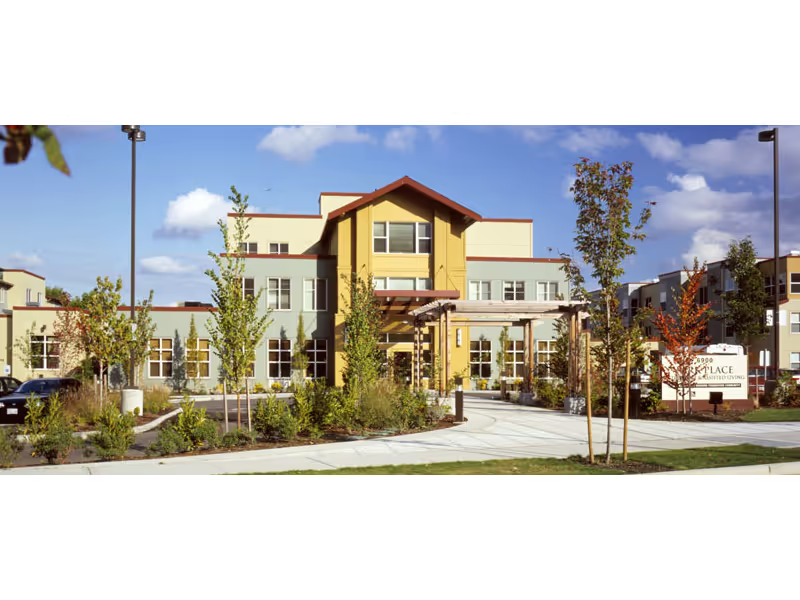
Facilities and environment: Vineyard Park is noted for a warm, home-like atmosphere, scenic hillside views, and proximity to parks and shopping. Ongoing refurbishing and updated interiors were mentioned positively. The memory-care unit is described as secure and dementia-friendly, though some reviewers found memory-care rooms small with limited closet space and a degree of isolation. The site's hillside layout and stairs produce accessibility and parking challenges for some visitors and residents. A minority of accounts raised pest-control concerns and maintenance-related disturbances (for example, morning noise and delayed repairs).
Management and communication: Experiences with management were variable. Positive accounts describe helpful marketing and admissions staff, transparent COVID updates, and family conference calls. However, several families reported gaps in communication during clinical incidents, inconsistent executive presence, unexpected fee increases or unclear billing practices, and an ownership transition that created pricing and process uncertainty. A few reviewers raised serious allegations involving medication errors and clinical response; these were described alongside instances where management acknowledged issues and apologized.
Notable patterns and considerations: The dominant pattern is a facility with strong daily caregiving, meaningful activities, and an inviting physical environment, paired with operational weaknesses that can affect clinical safety and family confidence. Prospective families should balance observed staff–resident rapport and program offerings against the need for clear answers about nursing coverage, medication protocols, infection surveillance, contingency plans for clinical deterioration, pest control, and a transparent, itemized fee schedule. Asking for recent staffing ratios, medication-administration policies, incident-response procedures, pest-control records, and examples of family communication during clinical events can help assess whether the facility’s operational controls meet an individual prospective resident’s needs.