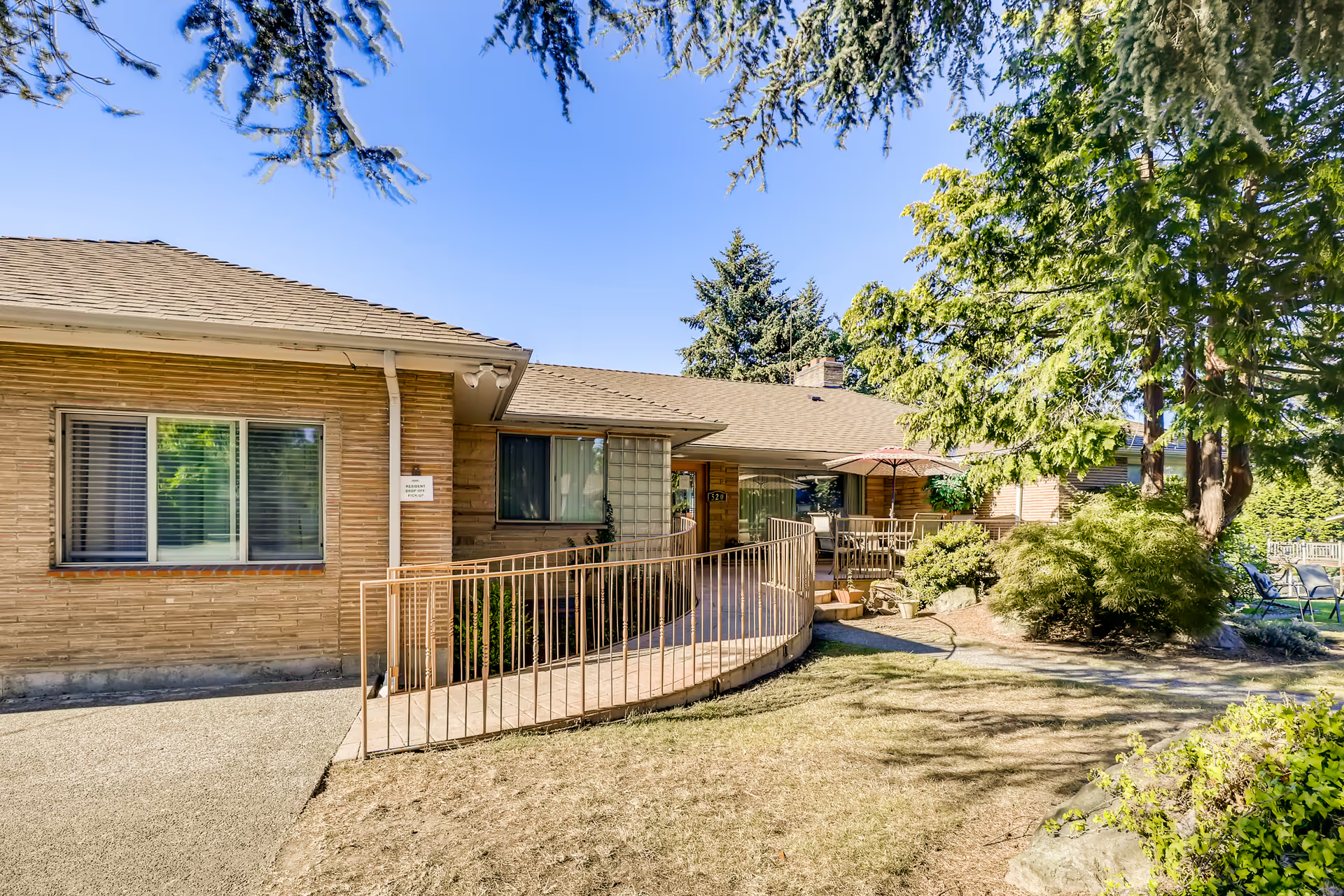
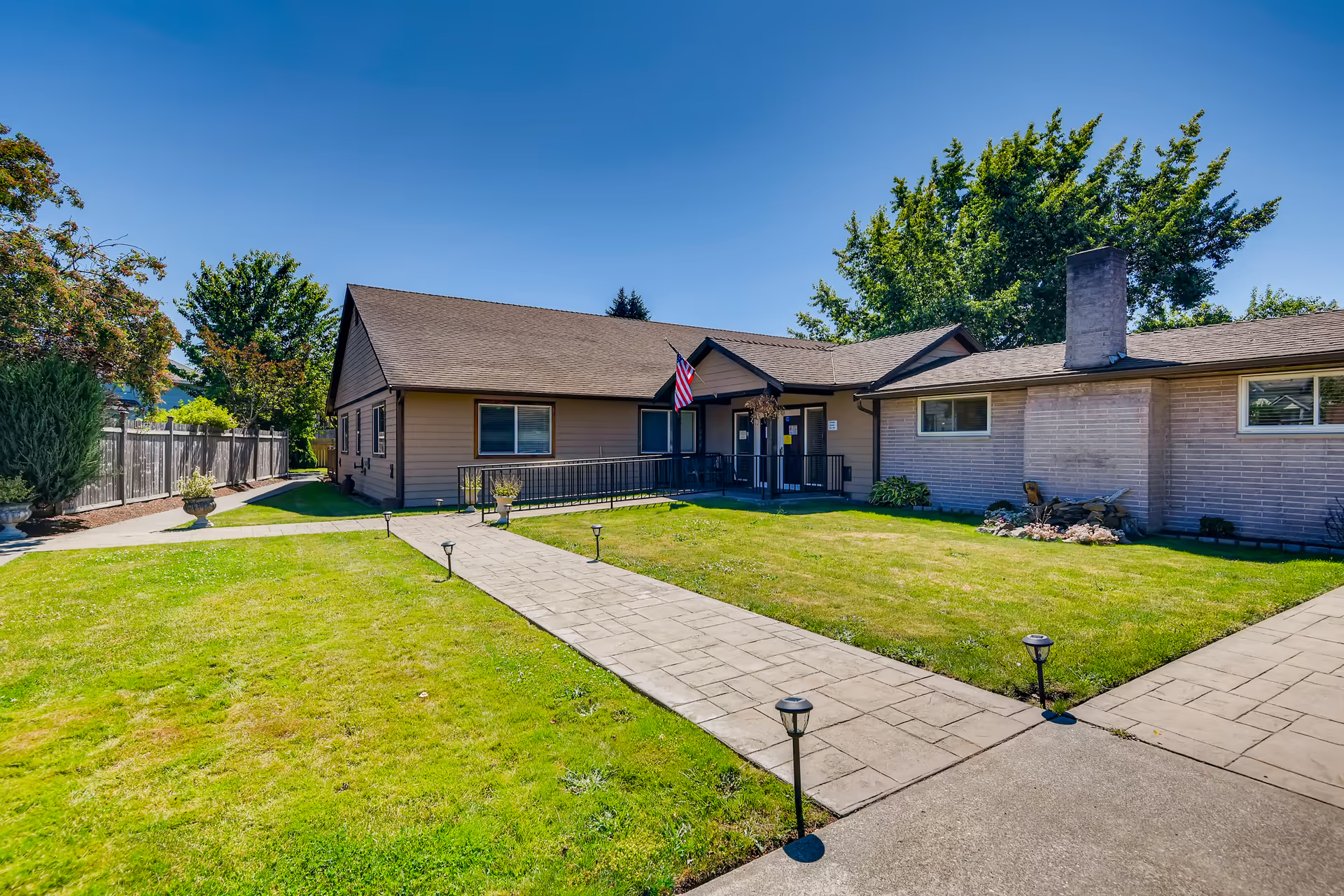
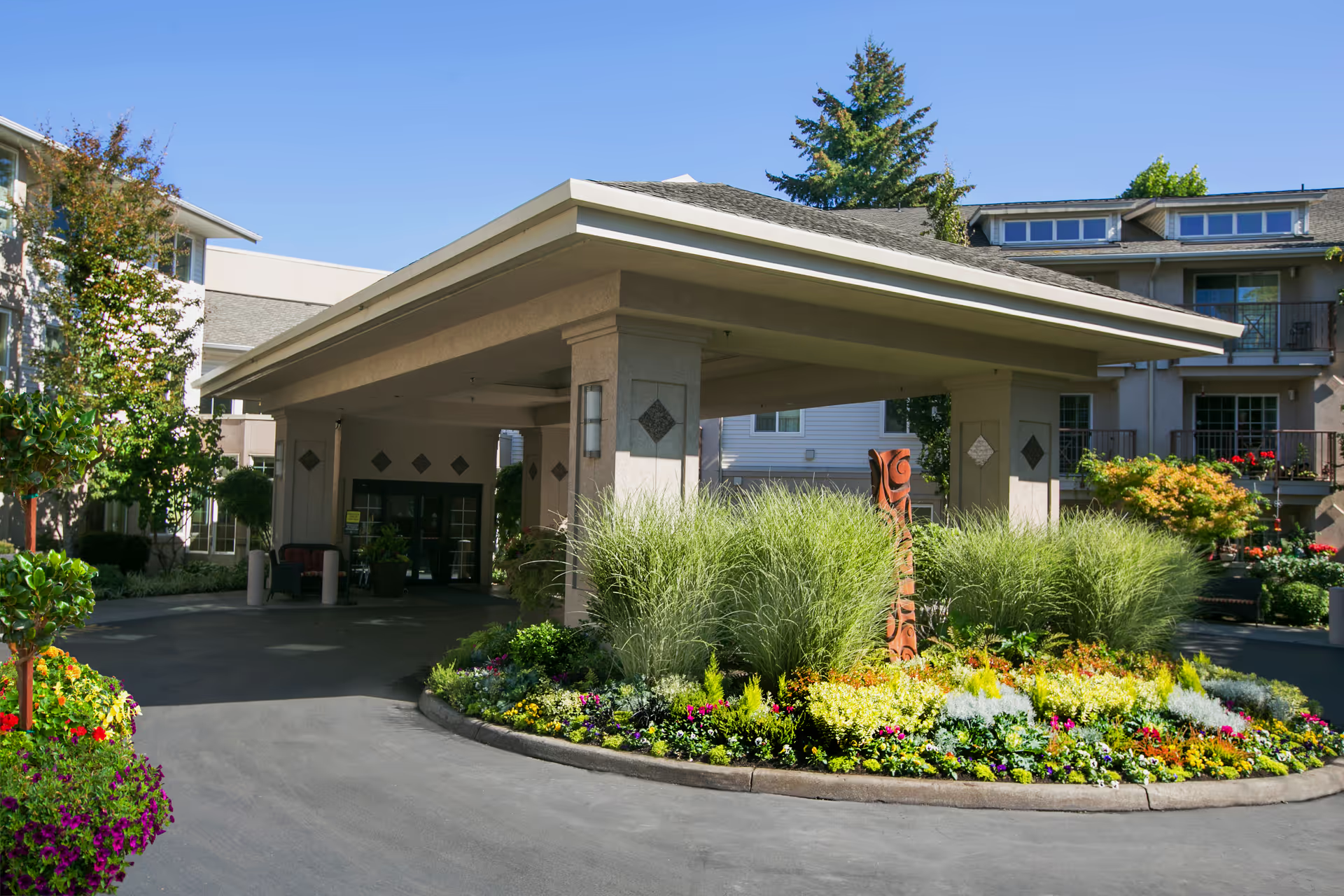
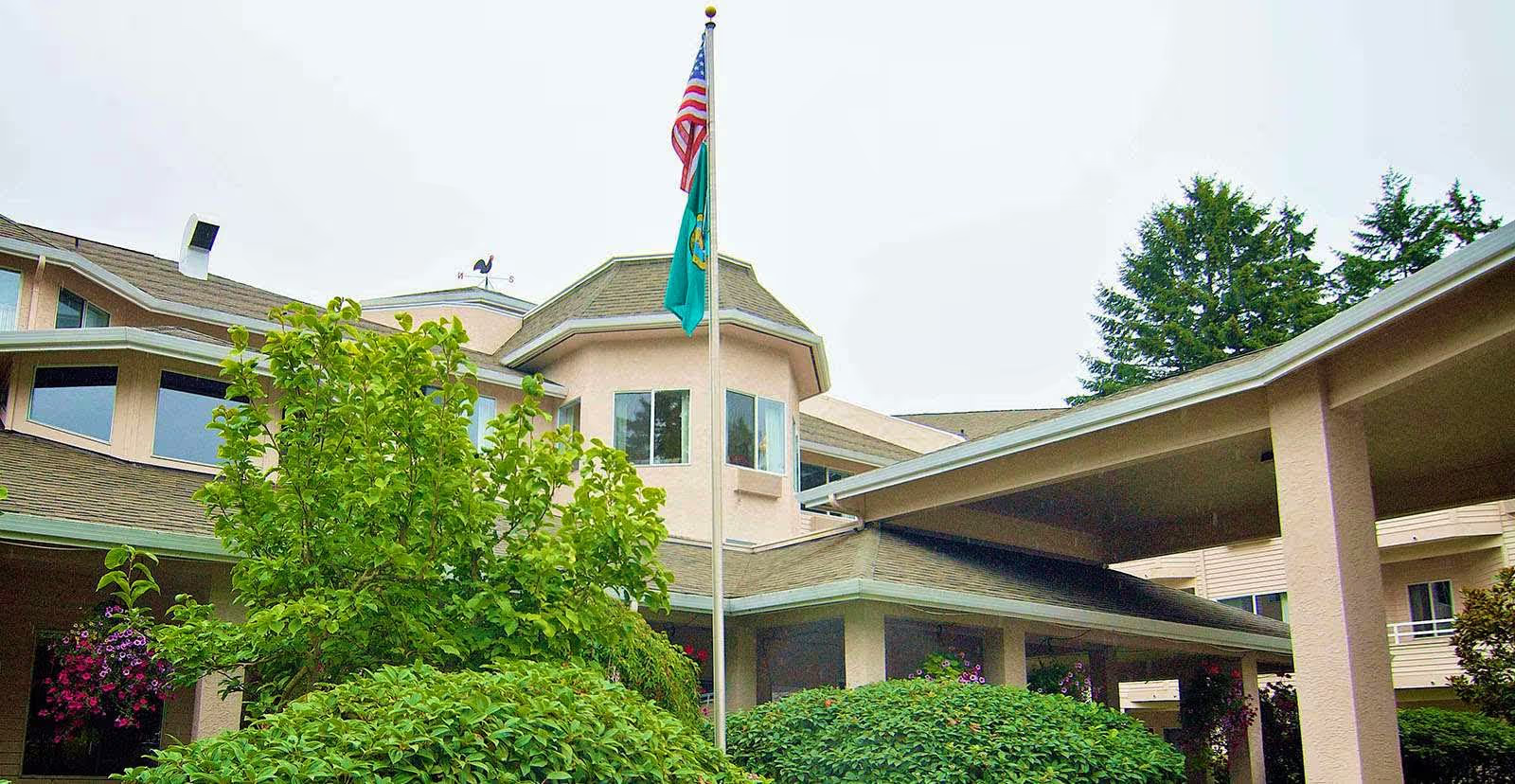
Cottages of Renton is described overall as a small, home-like community that emphasizes dementia-specific care and social engagement. Strengths commonly highlighted include a tiered cottage model that separates residents by level of cognitive decline, individualized care plans, and staff who are characterized as compassionate and patient. Families and residents commend the facility’s coordination with home health providers — including access to a nurse practitioner and podiatry services — and note supportive transition processes managed by attentive admissions coordinators.
The community’s programming and communal aspects are frequent positives. Reviewers point to an active activities schedule with arts and crafts, sing-alongs, and puzzle groups; encouragement to participate in meals and activities; and an inviting dining-room atmosphere around features such as a fireplace and an intimate courtyard. Infection-control practices, particularly COVID protocols, are noted as robust. Many families also describe the interior as clean and well cared for, and they appreciate the smaller cottage footprint for its more personal feel.
Operational patterns raise several areas of concern that prospective families should evaluate. Staffing appears inconsistent: occasional short-staffing, high turnover, and variability in staff experience were cited and can affect continuity of care. Relatedly, reviewers describe medication supply interruptions and uneven medication-management practices; these are operational risks that merit direct questions during a tour. Several comments point to administrative change and new office staff, which some families experienced as a period of adjustment.
There are facility- and privacy-related limitations to consider. Several reviewers noted limited private bathrooms in rooms and constrained common spaces in certain cottages, which can contribute to a more crowded feeling. Concerns about privacy and room-access protocols — for example, residents entering rooms without knocking and families feeling the need to lock doors for personal-use privacy — indicate gaps in routines and controls. Additional comments highlighted incidents involving personal-item loss, suggesting a need to review property-security practices. Finally, a serious alleged staff conduct incident was mentioned and would warrant direct inquiry about current safety oversight, incident response protocols, and any corrective actions taken.
In summary, Cottages of Renton offers strengths in dementia-focused programming, a home-like cottage model, engaging activities, and supportive coordination with outside health providers. At the same time, prospective residents and families should examine staffing stability, medication-supply procedures, privacy and property-security measures, bathroom availability, and how the facility has addressed any past safety or conduct concerns. Asking for current staffing ratios, sample care plans, recent infection-control audits, and documentation of corrective actions for prior incidents will help clarify whether the operational gaps noted by some families have been resolved.