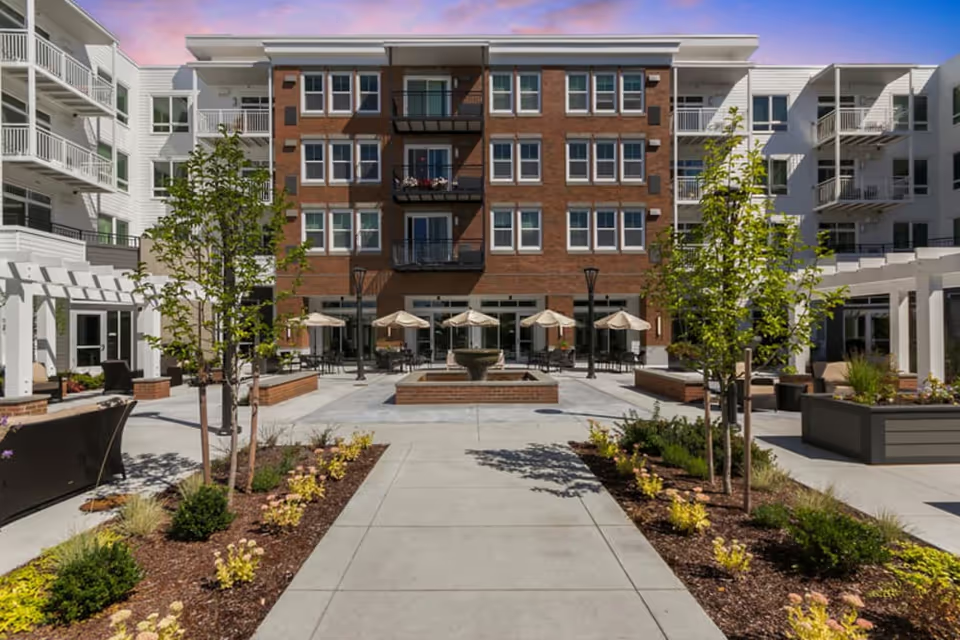
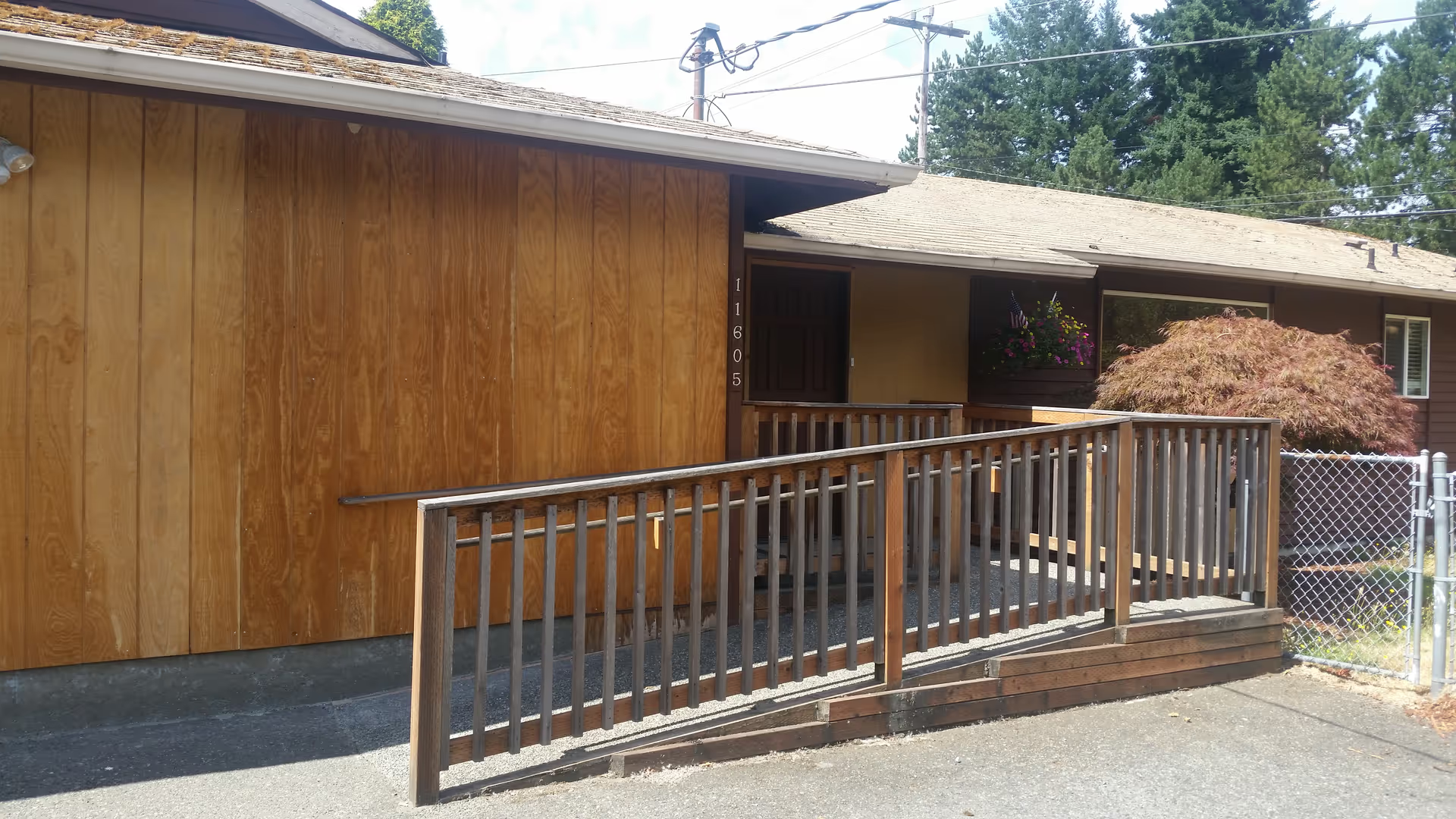
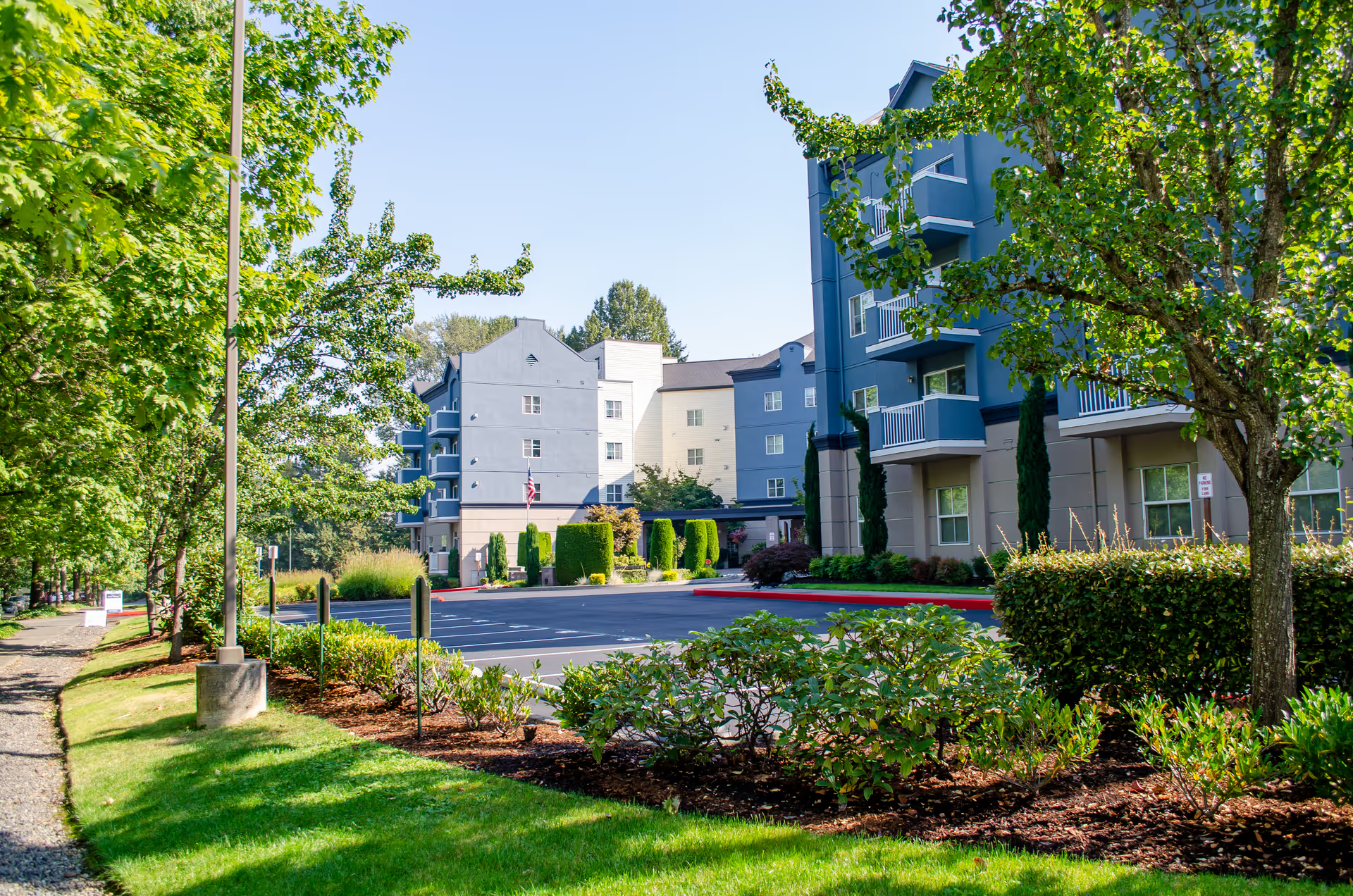
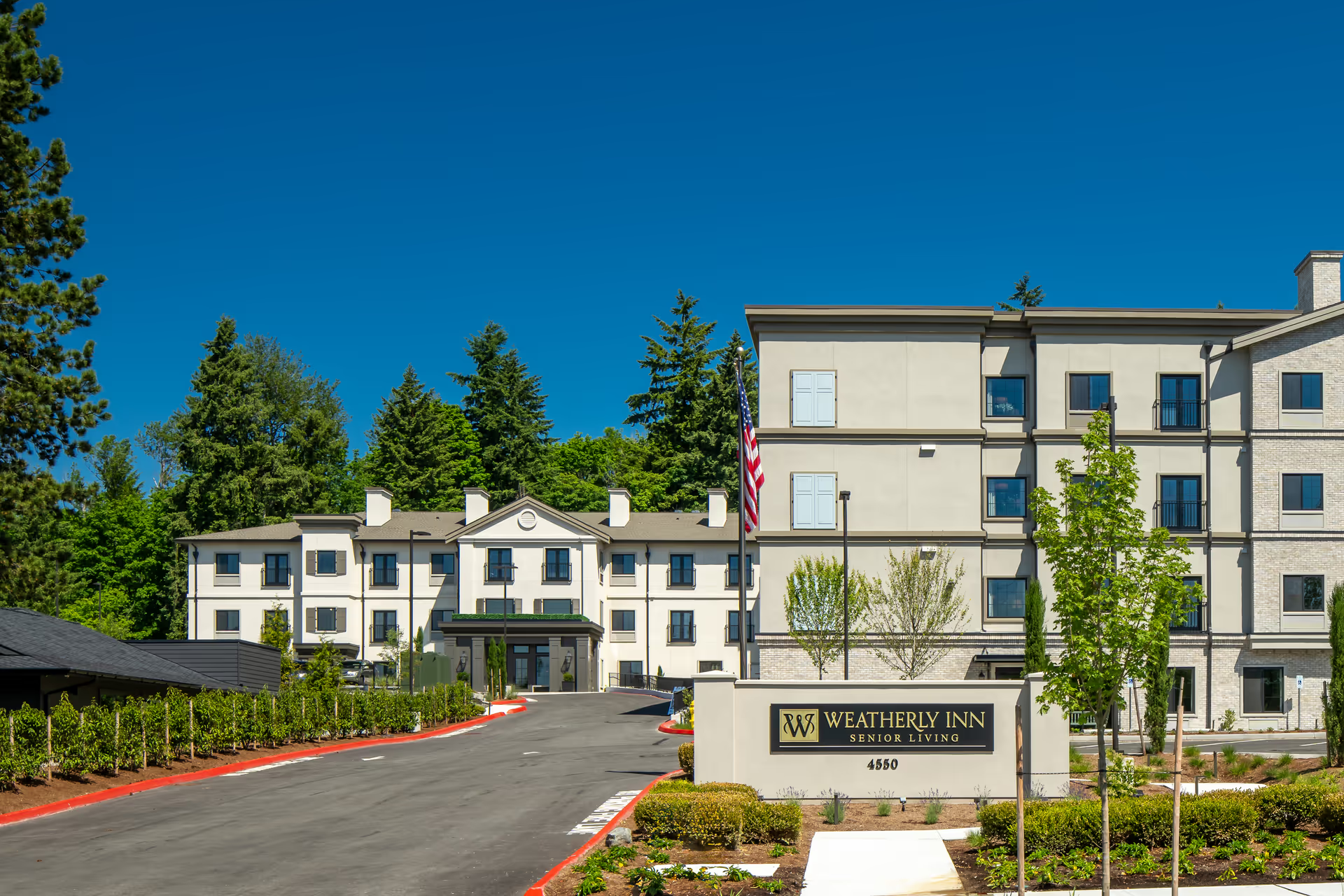
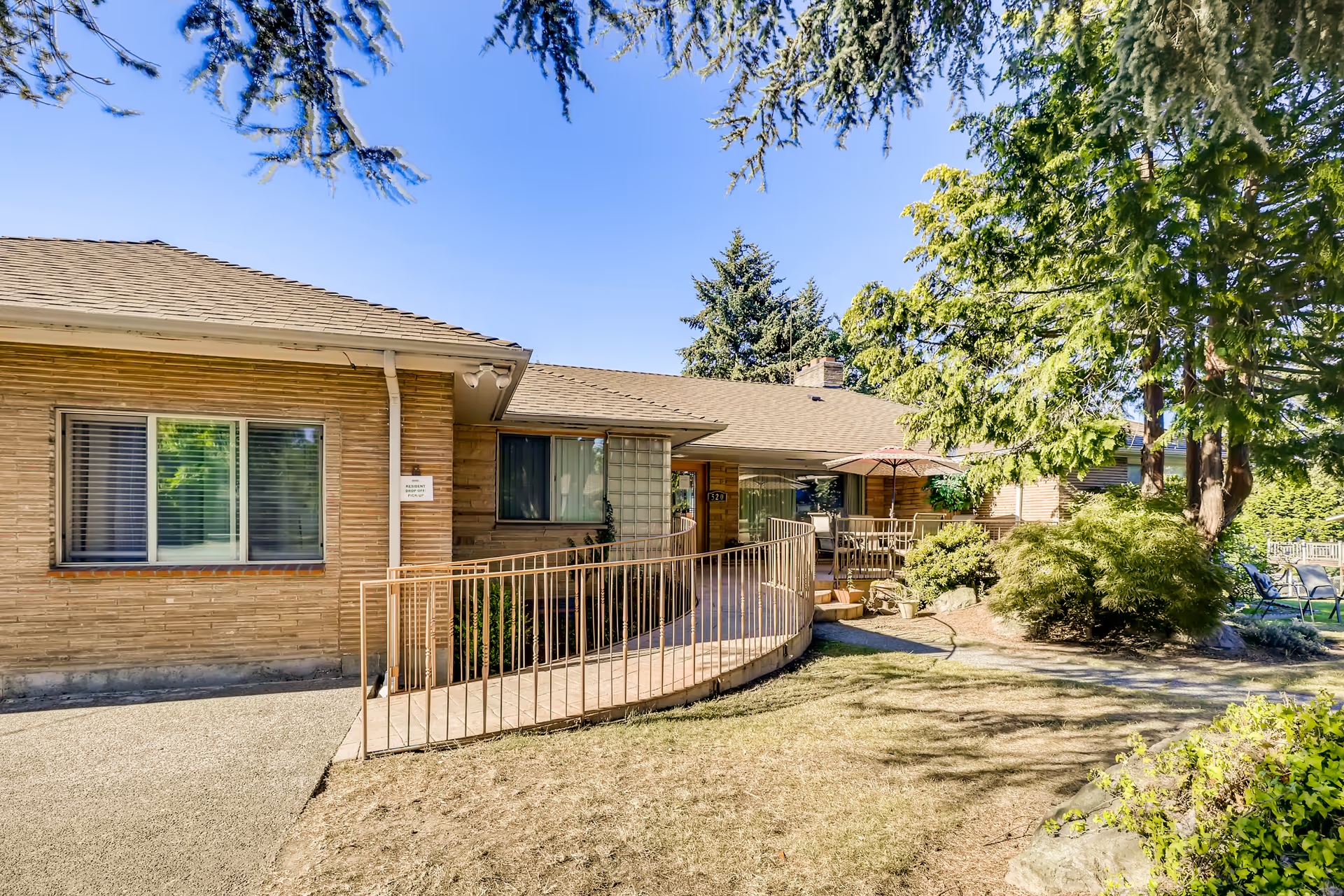
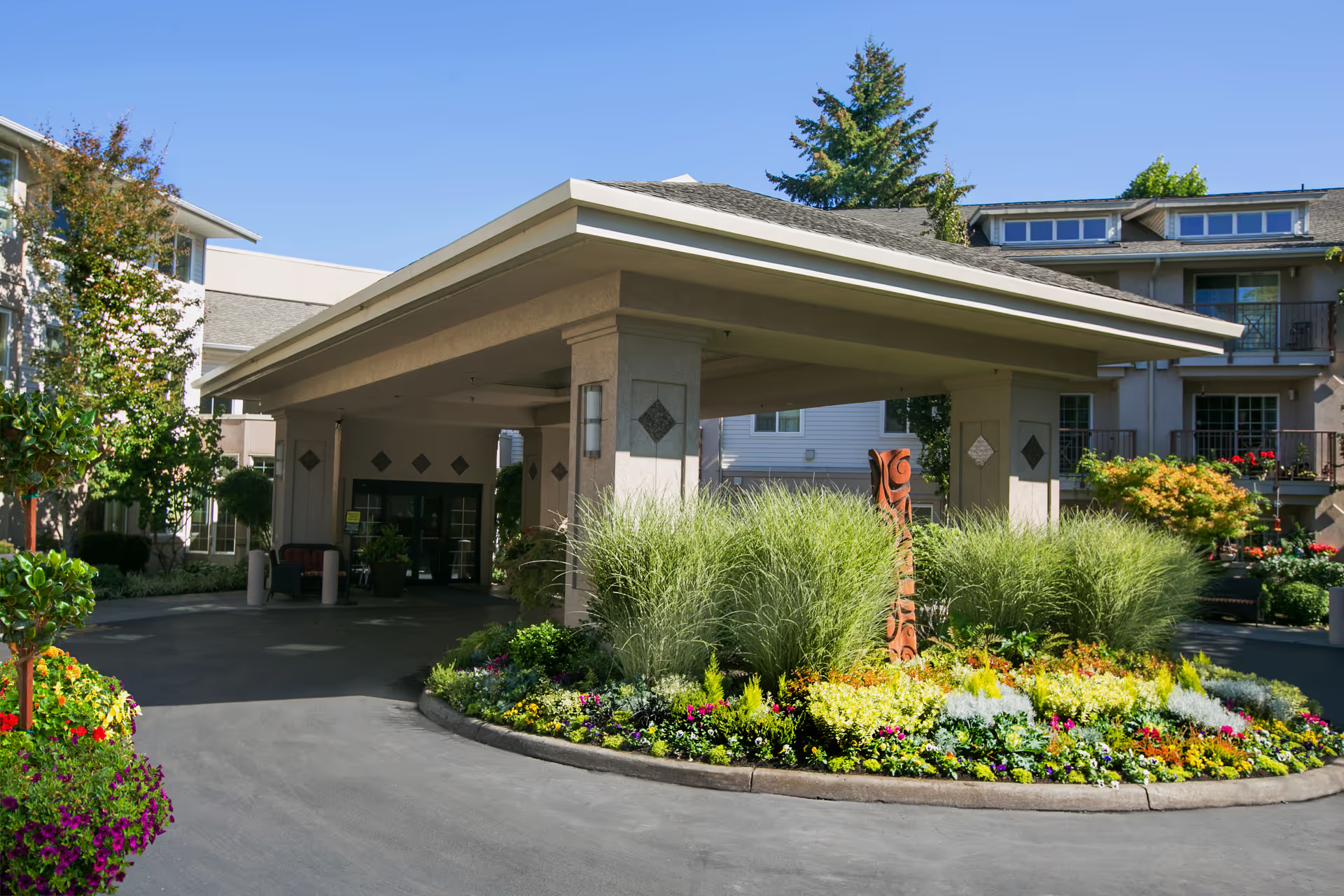
Normandy Park Senior Living elicits a mixed but informative picture for prospective residents and families. Many accounts highlight strengths that are consistent with a midsize assisted-living community: a renovated, bright campus with attractive landscaping and ample parking; mobility-friendly apartments and accessible bathrooms; on-site amenities such as a salon, laundry, dining room, and community spaces; and included basic housekeeping and utilities. The property’s location and secure layout are also frequently cited as conveniences.
Care and staff performance are a central theme with substantial variation across accounts. Numerous families describe compassionate, hands-on caregivers and accessible nursing or medical staff, with active check-ins and strong advocacy from certain nurses and leadership. At the same time, reviewers point to operational instability: high staff turnover, uneven caregiver training, and occasional gaps in medication-charting and clinical documentation. These inconsistencies manifest as slower response times to calls for assistance in some instances and variability in caregiver competence and communication.
Dining and activities are another mixed area. The facility offers restaurant-style dining, varied menus, and snack stations; many residents enjoy the food and the dining atmosphere. However, several reviewers noted variable meal quality tied to kitchen staffing changes, and a handful of accounts described disrupted meal-service continuity. Activities are generally well organized and adaptive to differing mobility levels, with multiple daily options and transportation for outings, but some families described inconsistent scheduling, limited activity space at times, or reduced programming during staffing or public-health restrictions.
Facility condition and housekeeping receive mostly positive marks for clean, bright common areas and recent remodeling; weekly apartment cleaning and routine maintenance were noted positively by many. Conversely, there are recurring concerns about maintenance follow-through in specific units and pest-control issues reported in some resident rooms and staff areas. Reviewers also flagged an opaque ancillary-fee structure—charges for small items and add-on services—that can affect perceived value.
Management and administration present a clear pattern of polarized impressions. Several accounts praise new or engaged leadership and an improving culture under recent management changes; other accounts criticize administrative availability, slow or unhelpful office communication, and problems with human-resources practices. A small number of serious allegations—including disputed financial-signature concerns and claims about deceptive sales practices—appear in the feedback and warrant direct inquiry during a visit. Families should also ask about pandemic-era transparency and current infection-control policies, as communication about those measures was inconsistent for some reviewers.
Bottom line: Normandy Park appears to offer many of the tangible advantages families seek—accessible housing, on-site clinical support, a varied dining program, and active social programming—while also showing operational weaknesses that could affect individual experiences. Prospective residents and their families should tour multiple apartments, meet frontline caregivers and clinical staff, request recent staffing and kitchen turnover information, review the full fee schedule, and ask for documentation of pest-control and maintenance logs. Those steps will help determine whether the facility’s strengths align with an individual resident’s care needs and expectations.