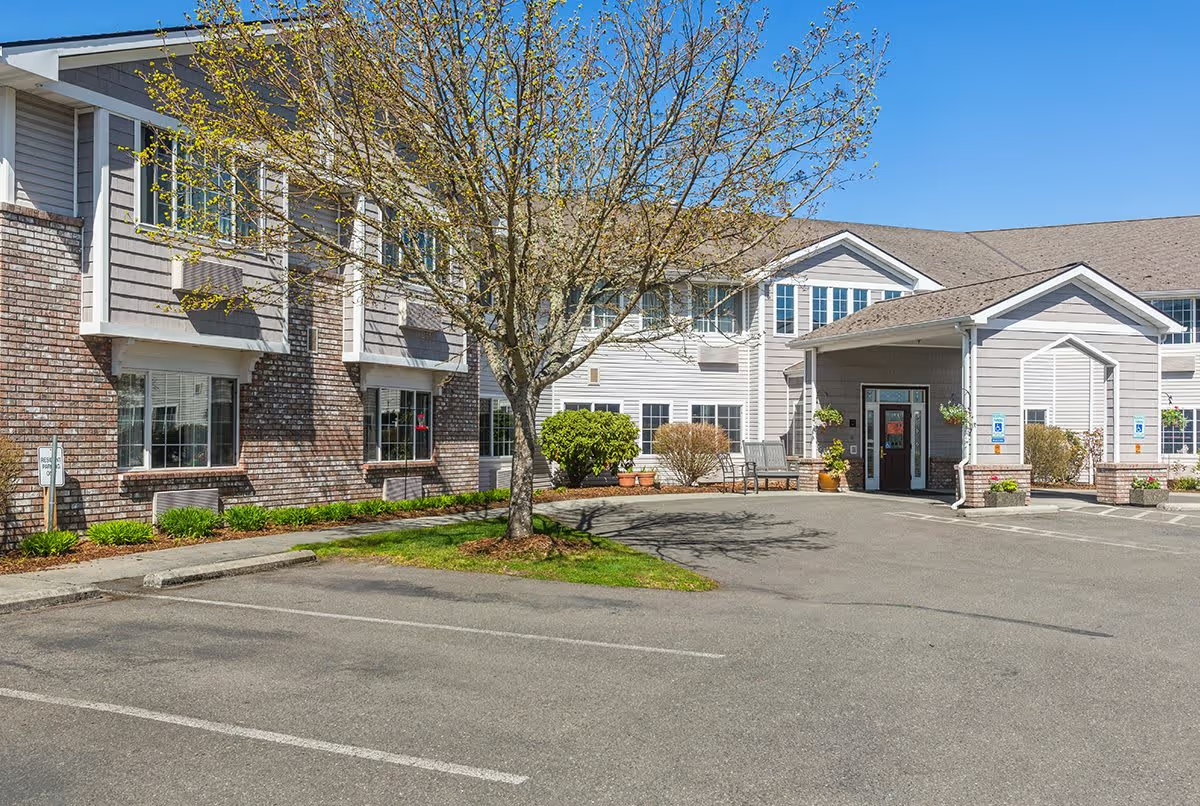
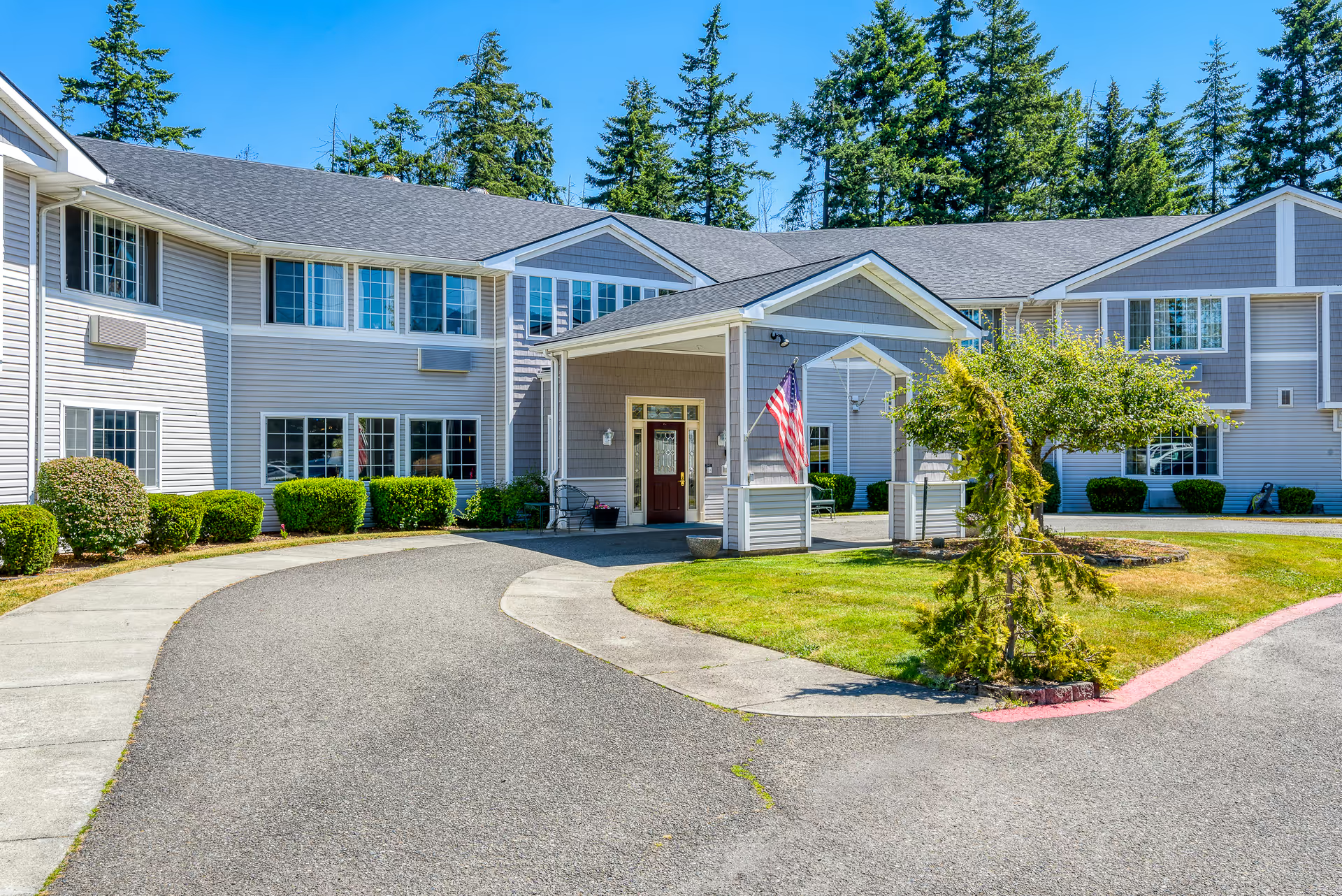
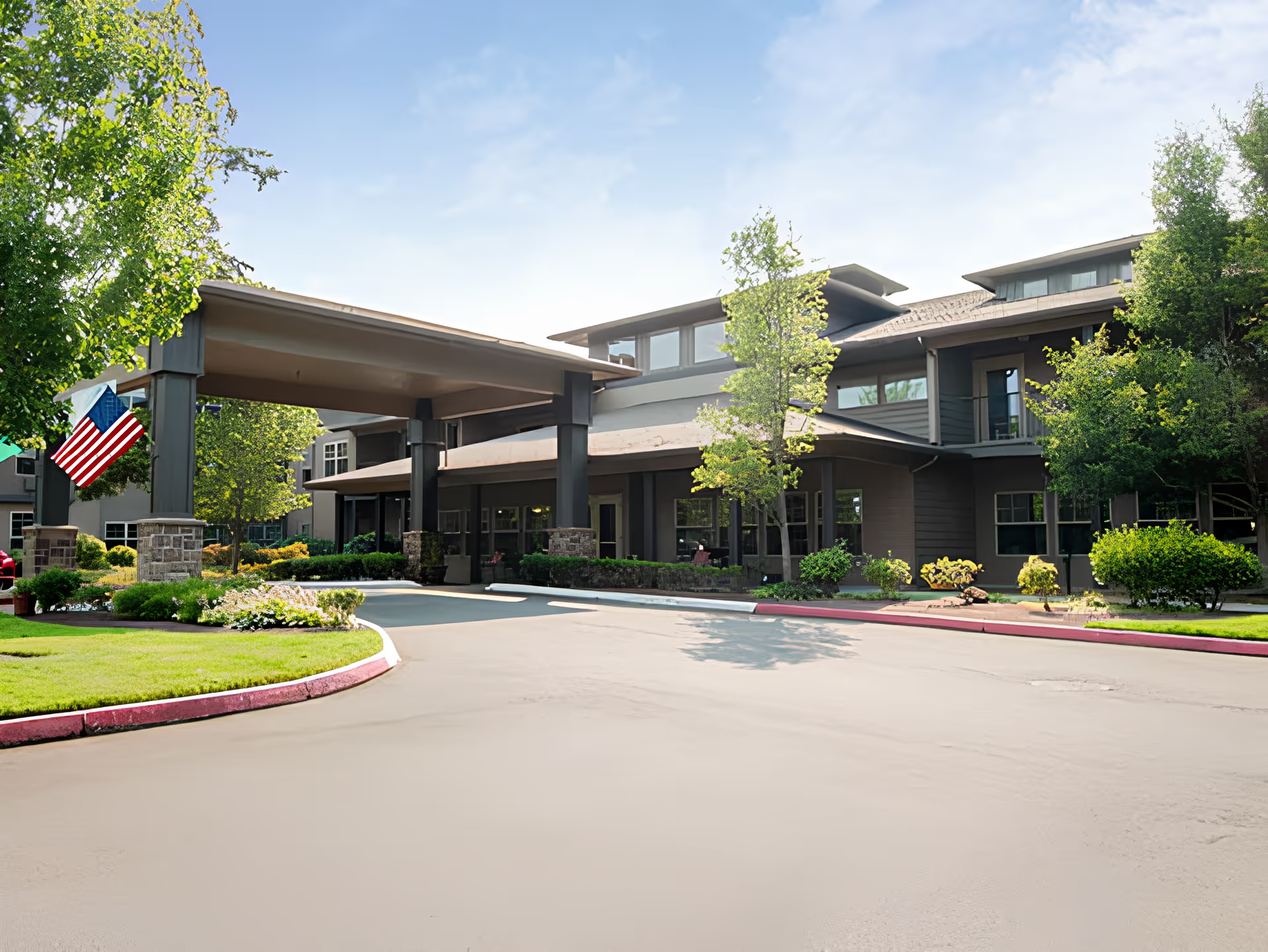
Avamere Olympic Rehabilitation of Sequim elicits strongly mixed impressions. A substantial portion of feedback highlights strengths typical of a well-run subacute/rehabilitation setting: a compassionate and attentive caregiving team, structured rehabilitation programming (physical, occupational and speech therapy), an on-site registered nurse, a well-equipped therapy gym, and an accessible, garden-oriented campus that families describe as homelike and comfortable. Many accounts describe attentive bedside care, measurable functional gains from therapy, helpful clinical monitoring (blood-pressure and medication checks), and staff who provide clear, courteous family communication and emotional support.
Concurrently, a number of reviews raise operational concerns that contrast with those positive reports. The most consistent theme is staffing: reviewers describe chronic understaffing and frequent use of agency or travel staff, which reviewers link to slower responsiveness, inconsistent personal-care routines, and variability in the quality of daily assistance. Related clinical concerns include uneven medication administration and coordination with outside providers, as well as gaps in clinical expertise for specialized needs (for example, stroke-specific rehabilitation). Several accounts cite delays or inconsistencies in responding to incidents and in transfer-safety practices.
Sanitation and infection control are another recurring area of concern. While some families describe clean, well-maintained rooms and common areas, others report inconsistent housekeeping and sanitation practices and express worry about infection-control adherence, including during COVID-related events. These mixed observations suggest variability in day-to-day operational consistency across units or shifts. Property-management issues also appear: families report instances of missing or misplaced personal items and unclear policies about valuables and lost items, which contributes to family frustration.
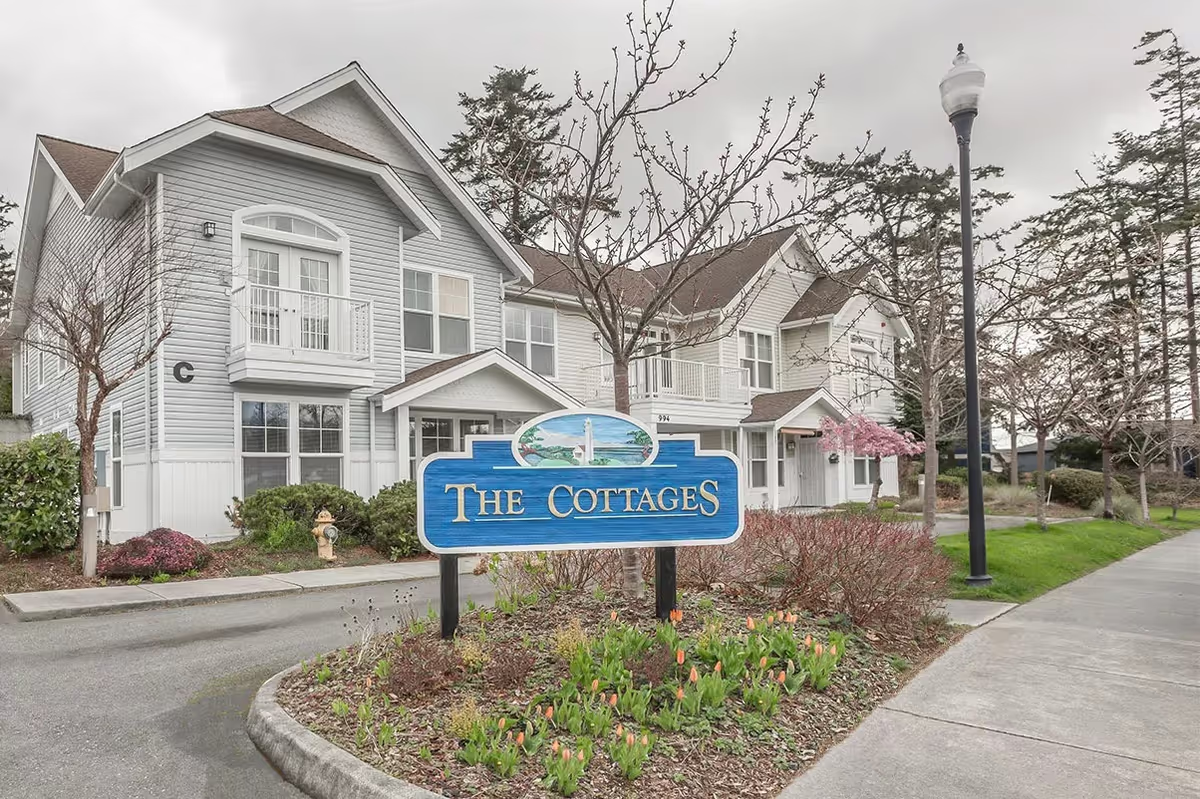
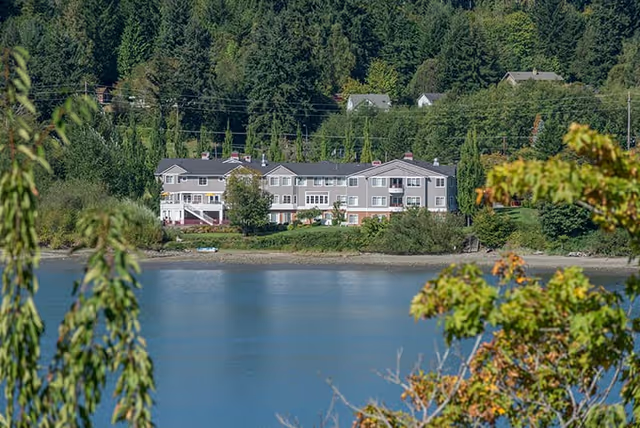
Dining and activities present a mixed picture as well. The facility offers a social dining environment, scheduled activities, and outings, and several reviewers praised the food and dining staff. However, other reviewers found meal quality inconsistent and noted limited fresh produce or elderly-appropriate preparations at times. The grounds, courtyard, and landscaping are frequently cited as a strong positive, providing accessible outdoor space and pleasant views.
In sum, prospective residents and families can expect a facility with strong rehabilitation resources, a generally caring staff, and appealing grounds. At the same time, the reviews indicate variability in operational reliability—particularly staffing levels, infection-prevention consistency, housekeeping, medication coordination, and property-management practices. Families considering placement should tour the site, ask specific questions about staffing ratios and agency-staff use, clarify policies on valuables and lost items, review infection-control practices and recent inspection results, and discuss how the facility addresses specialized therapy needs and communication during clinical events.