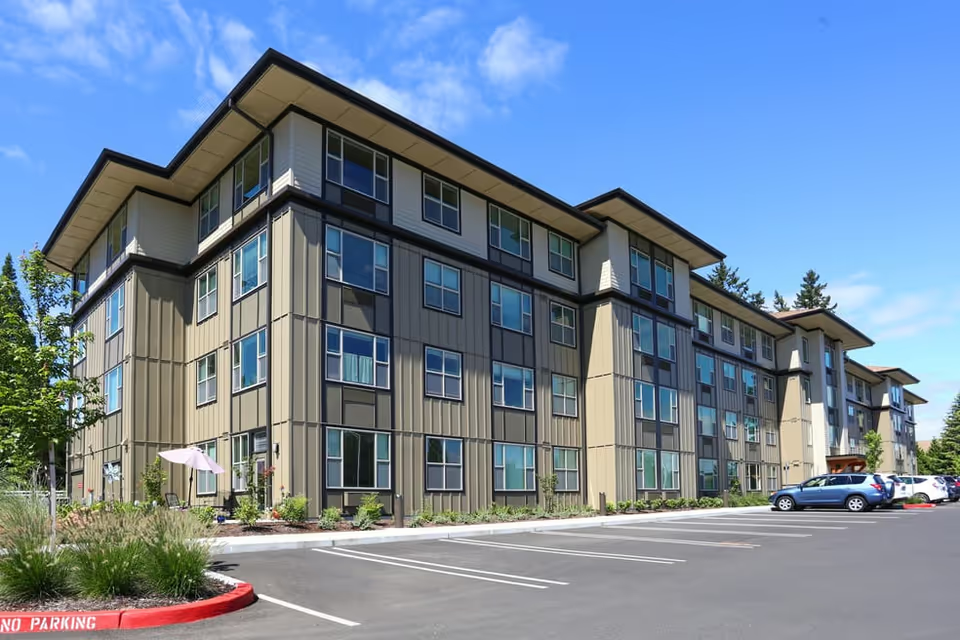
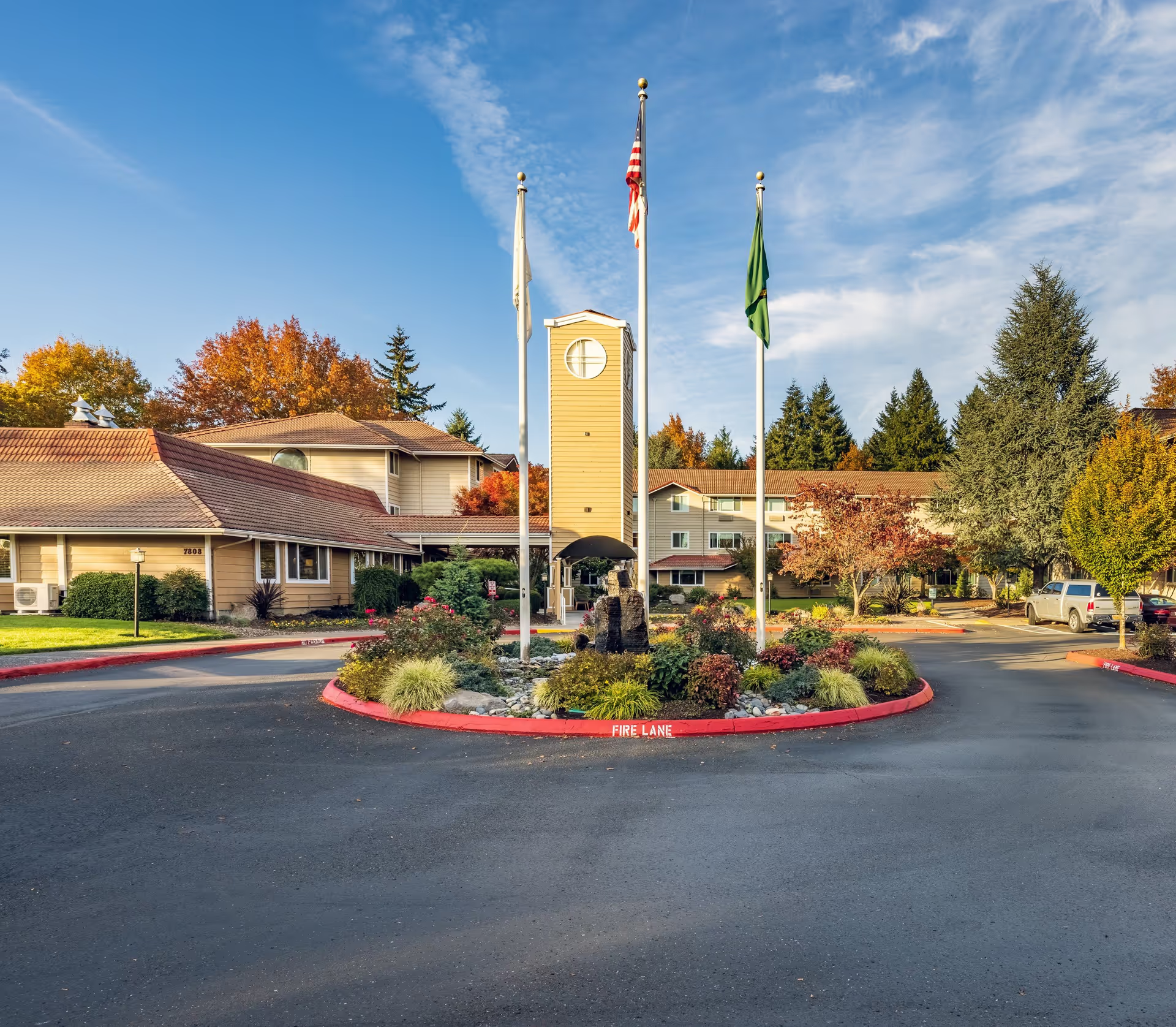
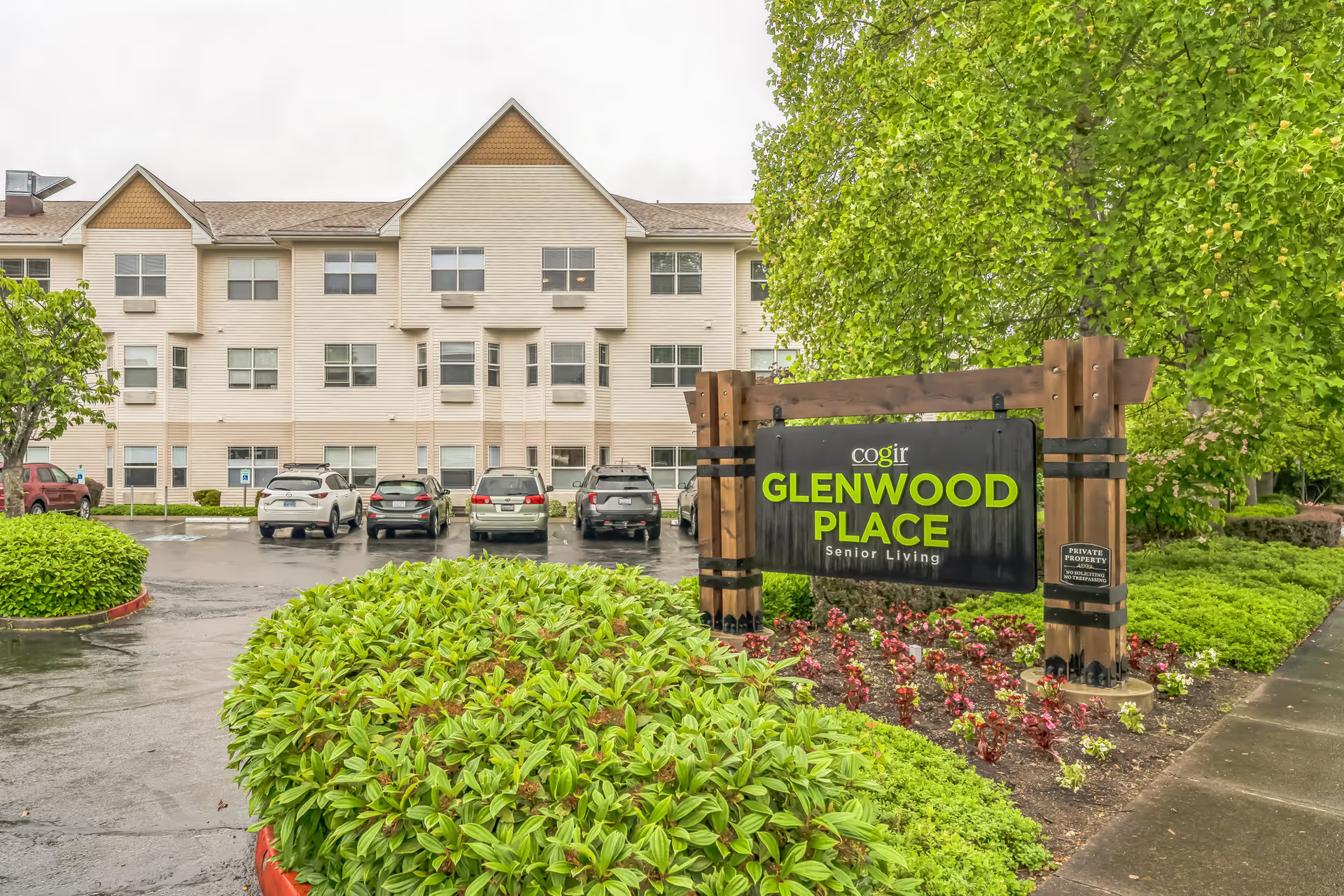
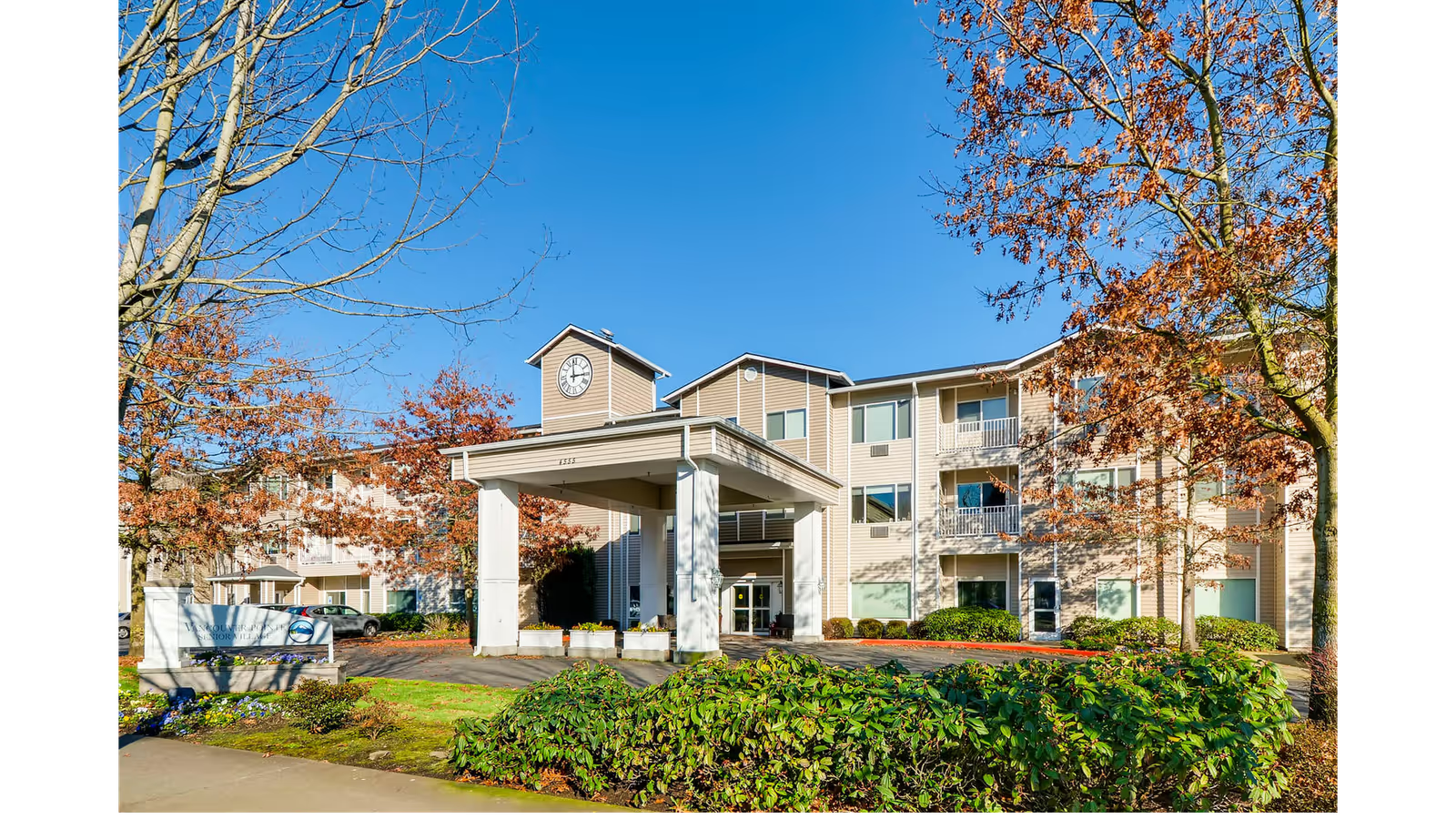
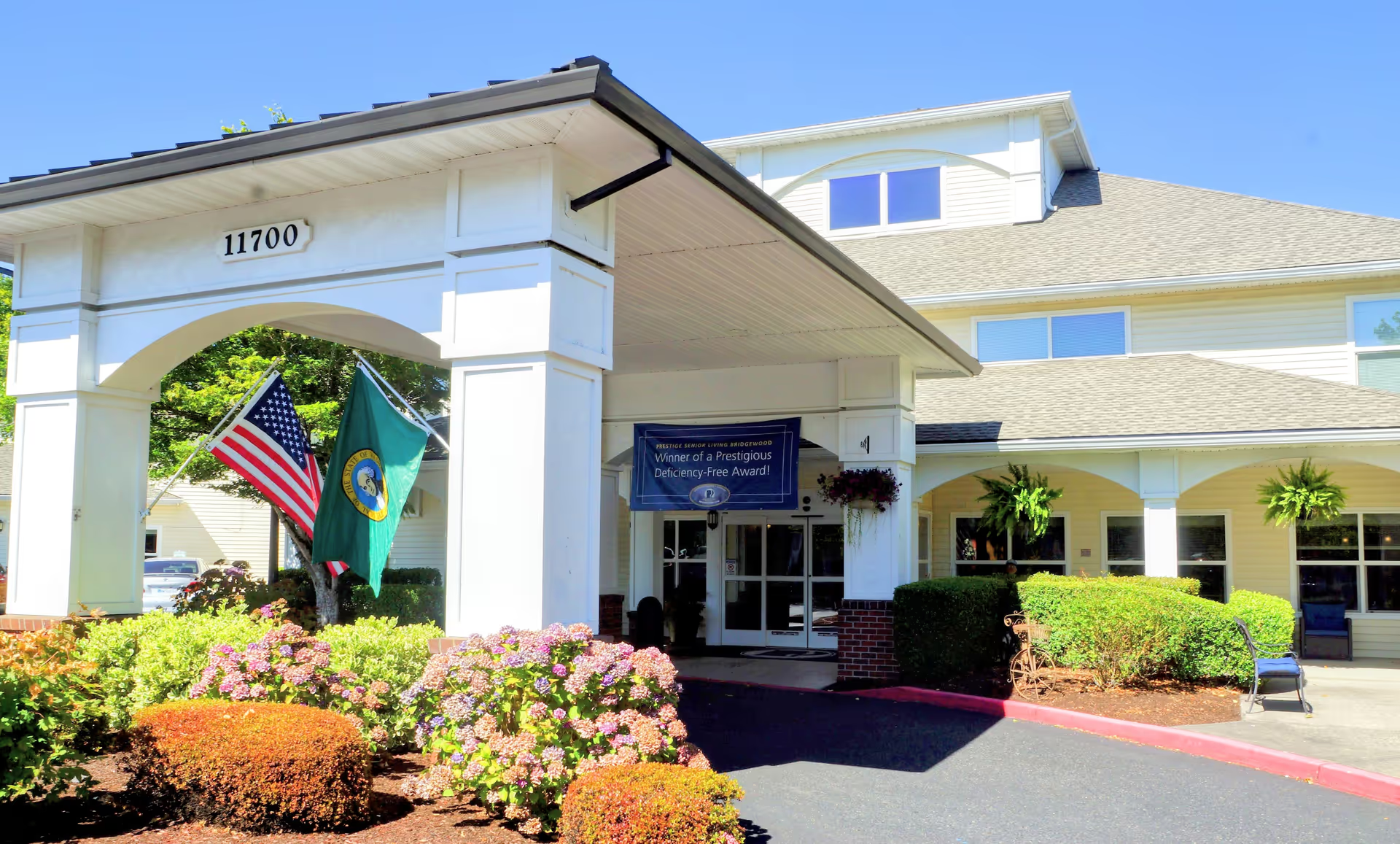
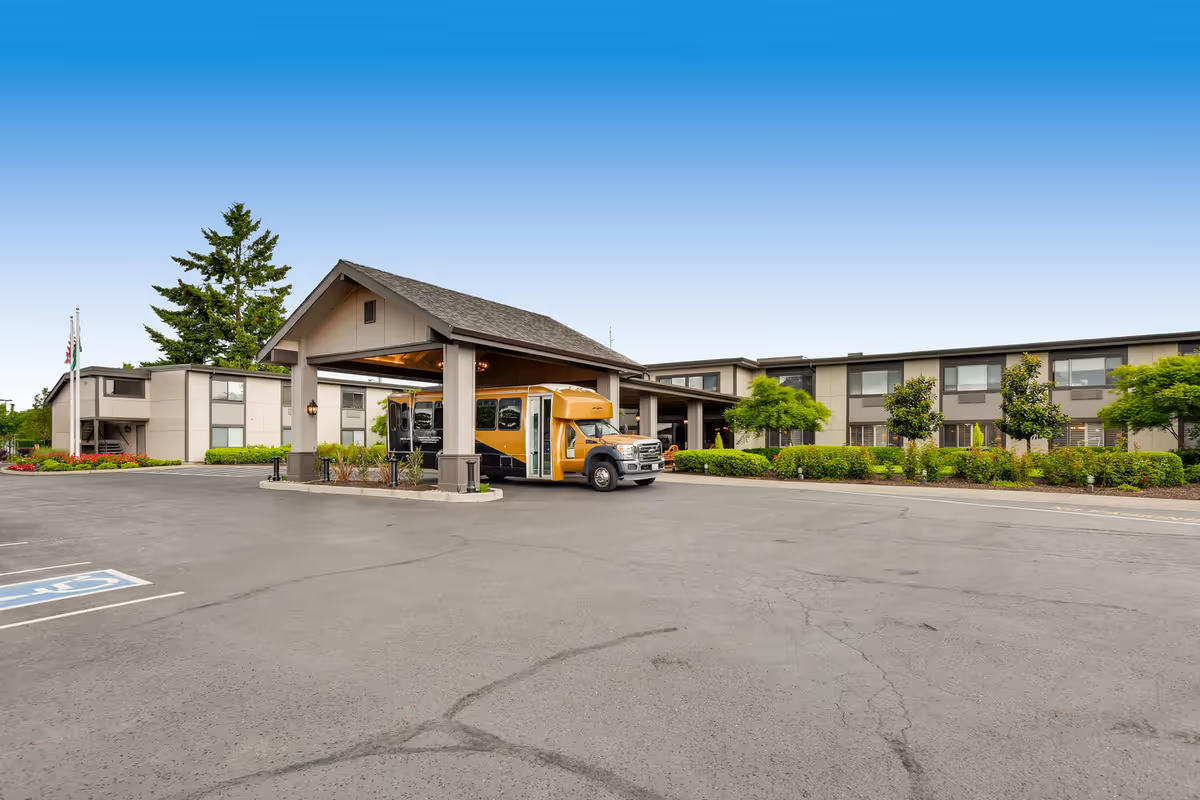
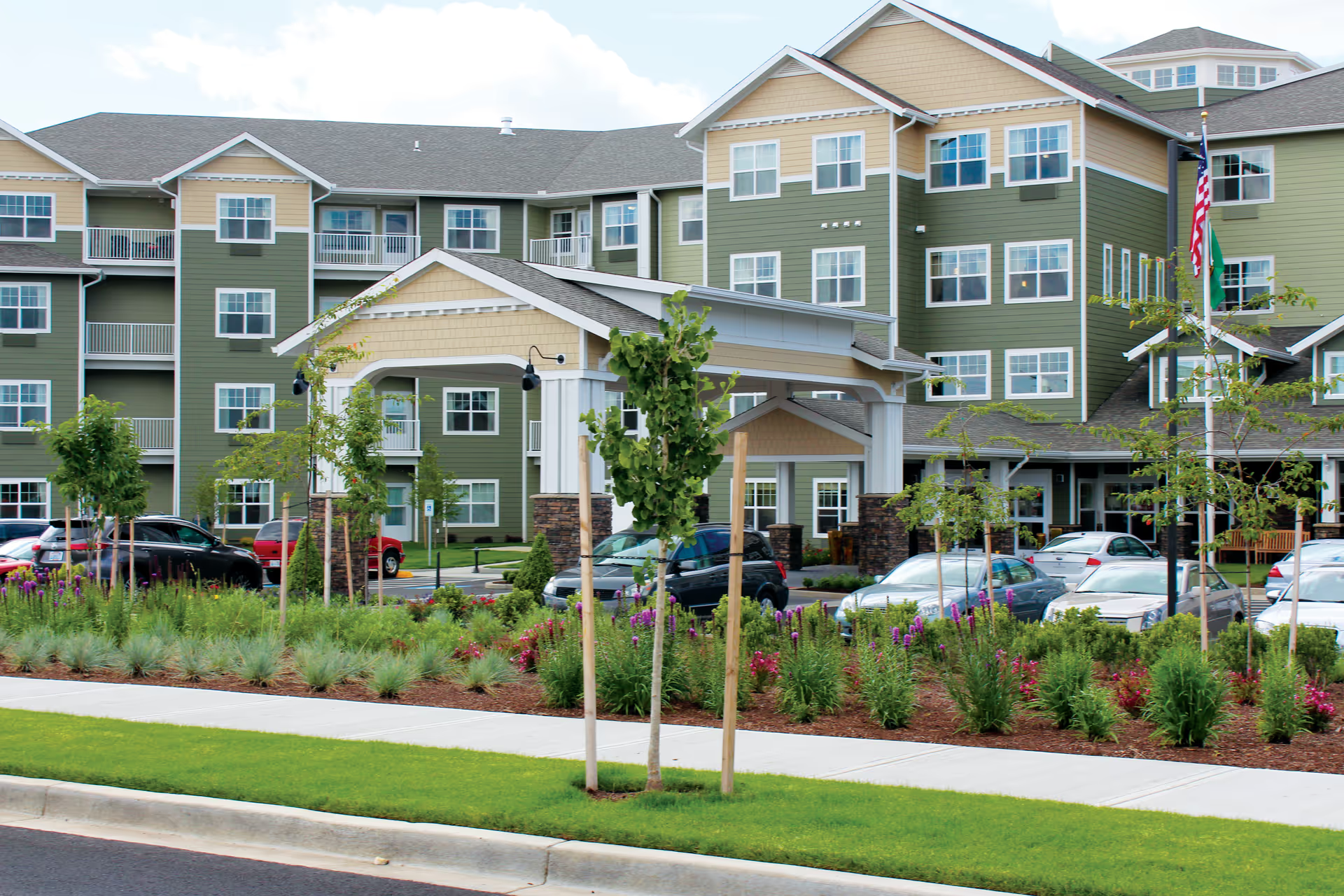
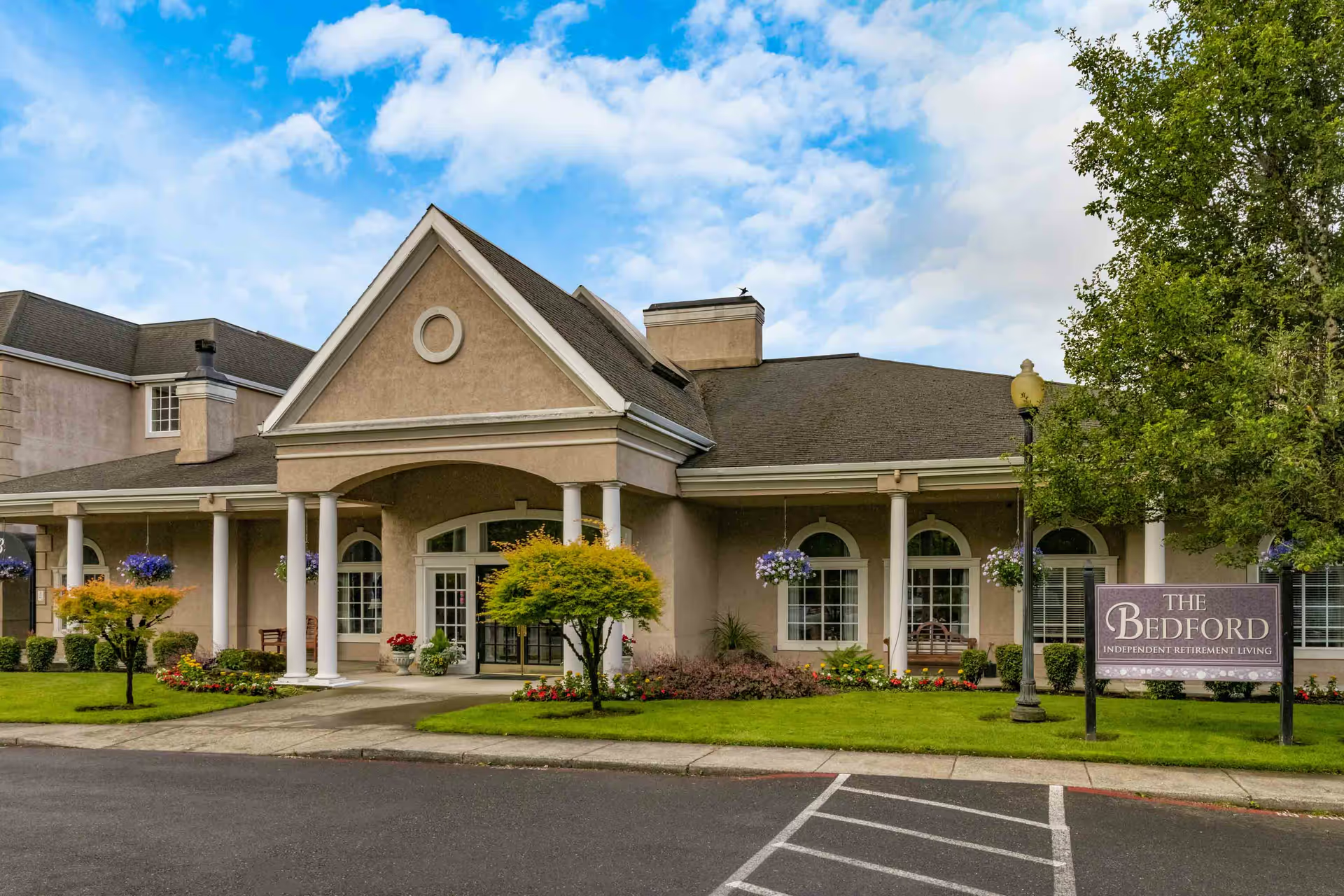
The reviews present a mixed picture. Physically, the community is described as clean and well maintained, with an attractive campus, an on-site beauty/barber shop, and a secure memory-care area that allows supervised resident mobility. Dining is characterized as adequate: portions are ample and daily desserts are available, though several families called food quality only "fair." The activities program is a notable strength; the activity director is frequently singled out for personalized, engaging programming and strong rapport with residents.
Direct care and clinical coverage show contrasting patterns. Many families praise certified nursing assistants and caregiving staff as compassionate and attentive, and the facility does maintain 24-hour on-site nursing coverage. At the same time, reviewers describe operational problems that affect care consistency: inconsistent following of individualized care plans, delays in responding to call lights, coordination problems with medications and the pharmacy (including fax-dependent workflows), and examples of skin integrity concerns and transfers to the emergency department. These items point to gaps in care-process reliability even where staff demonstrate compassion.
Staffing and workforce issues recur across comments. Caregivers are often described as caring and willing to go beyond job descriptions, but reviewers also note high caregiver turnover, staff being stretched thin, and concerns about low compensation. Those workforce pressures appear linked to slower response times and variability in routine care. Maintenance and infrastructure reliability were also raised — for example, prolonged elevator outages and delays in processing refunds or maintenance requests — indicating weaknesses in facility-level service continuity.
Management, billing, and corporate oversight are the most frequent sources of dissatisfaction. Families report billing and ACH processing problems, invoicing errors, delayed reimbursements, and extended collection activity despite payments. Communication gaps include delayed or absent callbacks, administrative absences, and perceived unresponsiveness from corporate leadership, which reviewers describe as bureaucratic. There are also serious process concerns around privacy and nondiscrimination policy enforcement and inconsistent family communication during clinical events; one or more reviews characterize these as allegations warranting follow-up.
Taken together, the pattern is polarized: many reviewers convey a sense of relief and trust in frontline caregivers and the activities program, while others express significant frustration with care-process reliability, management responsiveness, and billing/administrative systems. Prospective residents and families should weigh the strong interpersonal care and activity offerings against operational and administrative weaknesses. Practical next steps before committing could include: reviewing a resident’s current care plan and how it will be implemented, asking for examples of recent staffing levels and turnover metrics, clarifying the facility’s medication/pharmacy workflow and expected response times, obtaining a detailed explanation of billing procedures and refund policies, and confirming escalation contacts at both the facility and corporate levels.