The reviews for Vancouver Specialty and Rehabilitative Care are highly polarized, with clear clusters of positive and negative experiences. Many families and patients praise the facility’s strengths in rehabilitative services, respiratory care, and individualized bedside attention. Physical therapy and respiratory teams receive repeated commendation for clinical competence and measurable functional improvements. Several reviewers also highlight strengths in social work, coordinated admissions/transfers, on-site services (transportation and hairdresser), and a renovated, homelike environment in much of the building.
At the same time, a substantial set of concerns recurs across reviews. The most consistent operational theme is variability: staffing levels and performance appear uneven, with day shifts often described as attentive while some night shifts and individual staff members are described as less responsive. Delays in answering call lights, inconsistent bathing and incontinence care, and lapses in basic responsiveness are described frequently enough to suggest systemic staffing or workflow issues rather than isolated incidents. Reviewers also describe gaps in medication management and problems reconciling discharge medications, which raises continuity-of-care risk at transitions.
Sanitation and odor-control concerns are mentioned alongside positive notes about infection-control practices; this indicates mixed performance across units or shifts. Property-management problems (missing personal items, billing and refund errors) and inconsistent family communication are other recurring operational weaknesses. A few reviews allege serious clinical incidents, end-of-life care concerns, and regulatory attention; those are significant and merit direct follow-up with the facility and state inspection records when evaluating placement.
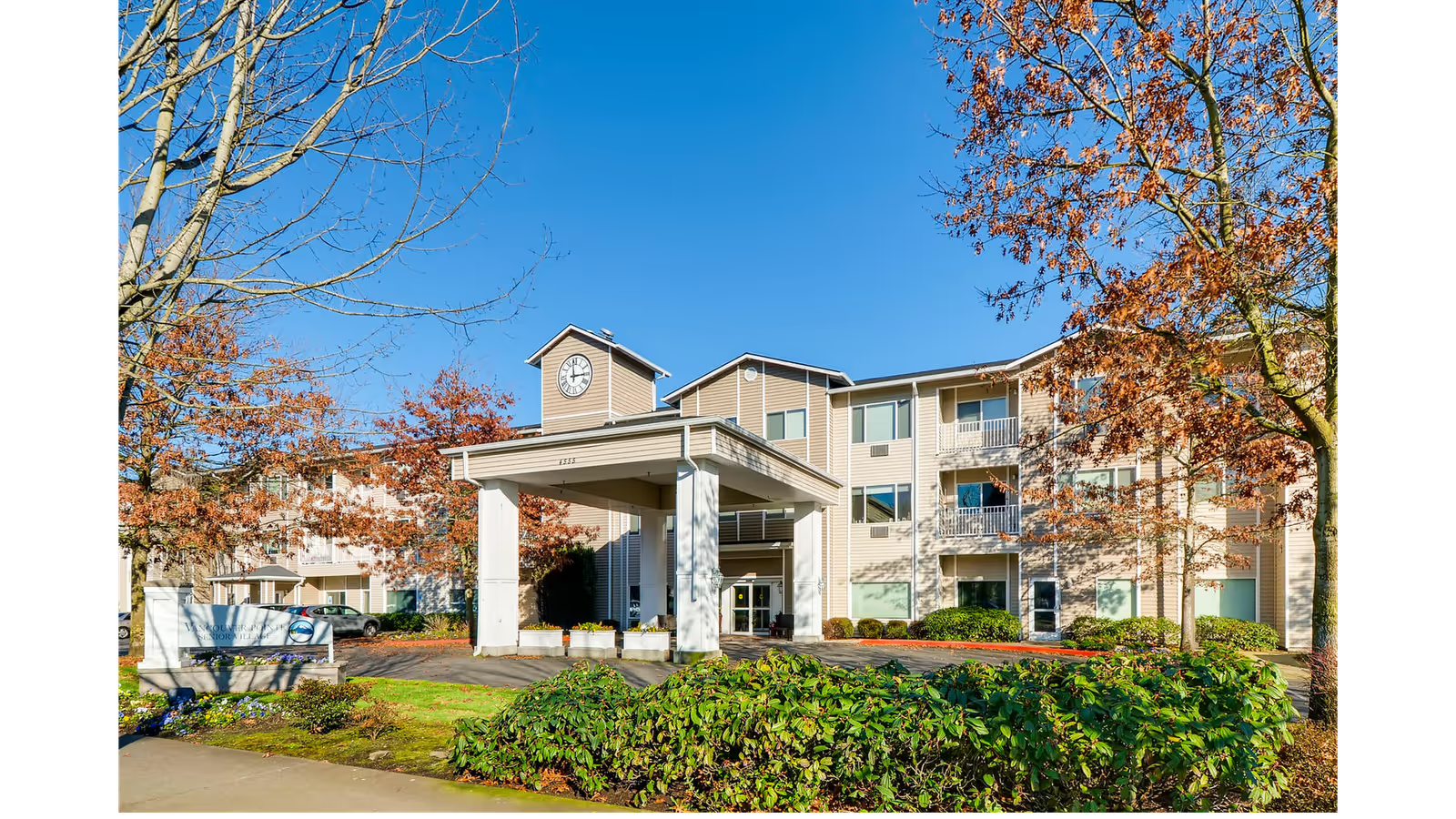
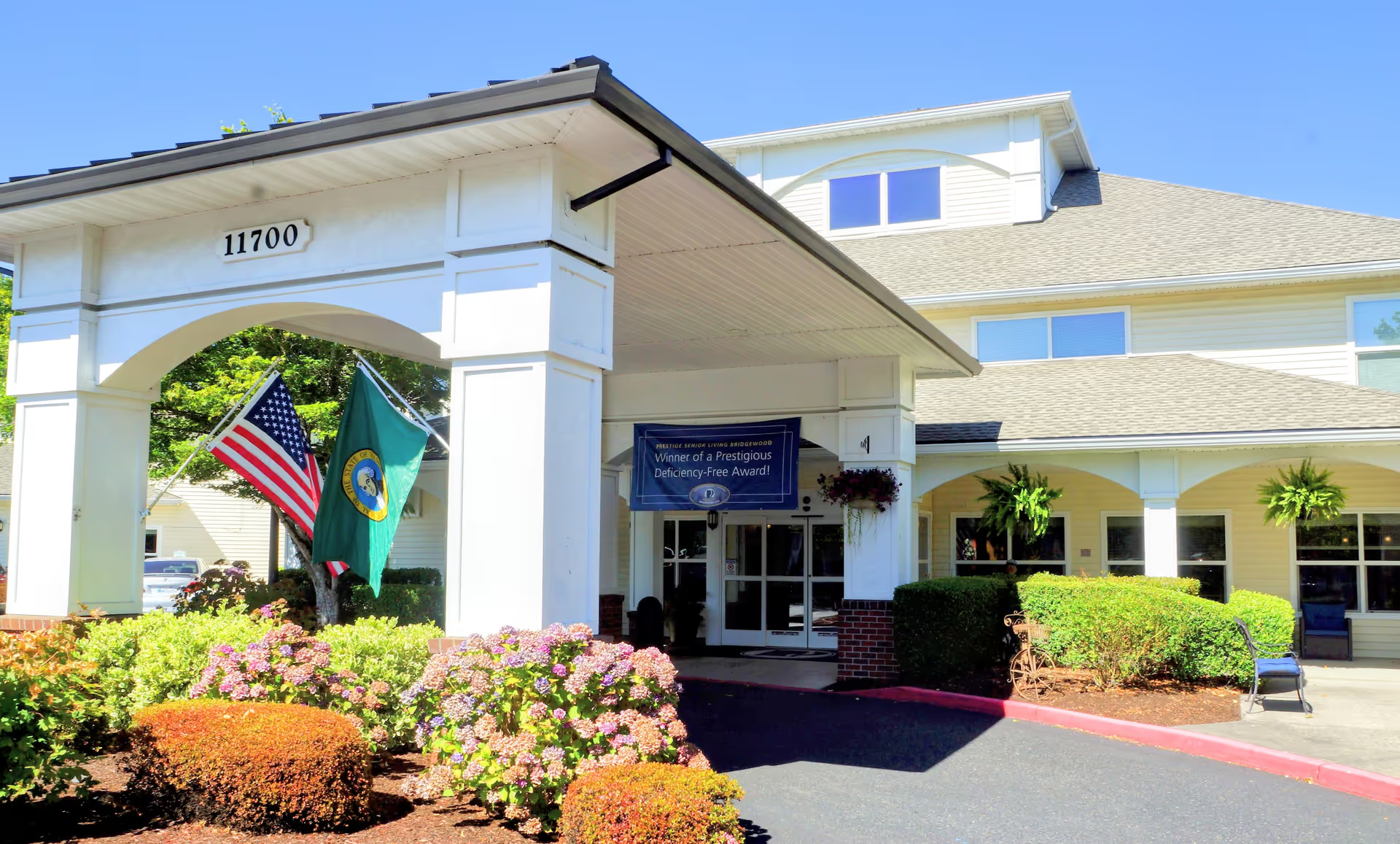
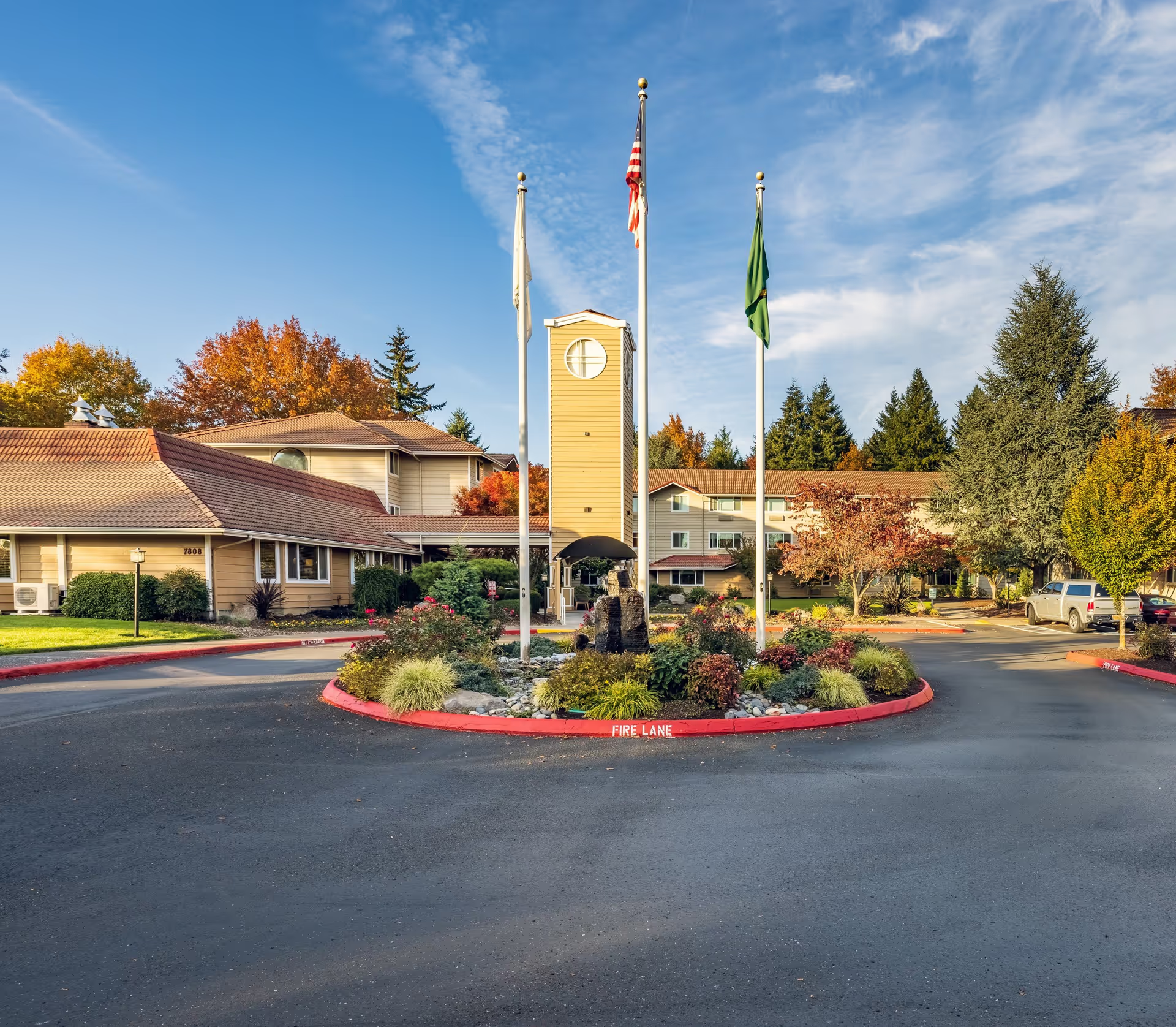
Dining and activities receive mixed but generally positive feedback: many reviewers praise the food quality and the range of activities, cultural programming, and opportunities for engagement, which contribute to a homelike atmosphere for some residents. Facilities are described as renovated and comfortable in multiple comments, though other reviewers describe persistent odor or cleanliness issues in particular common areas or rooms.
Management and administration are a frequent focal point for criticism: families describe inconsistent follow-through on complaints, slow or inadequate responses from leadership, and at least one theme of reputational management concerns (including claims about review integrity). Conversely, some reviewers credit leadership and teams for coordinated care conferences, follow-up after discharge-planning meetings, and a team approach that included nurses, social services, and finance.
Notable patterns for prospective families: strengths center on rehabilitation, respiratory care, and the potential for compassionate, individualized nursing care; weaknesses center on inconsistent staffing, responsiveness, medication/discharge continuity, sporadic cleanliness/odor control, and property/billing controls. When considering this facility, families should request current staffing ratios by shift, review recent state inspection reports, ask about medication reconciliation and discharge planning procedures, clarify property and billing policies, and arrange a daytime and evening visit to observe shift-to-shift consistency firsthand.