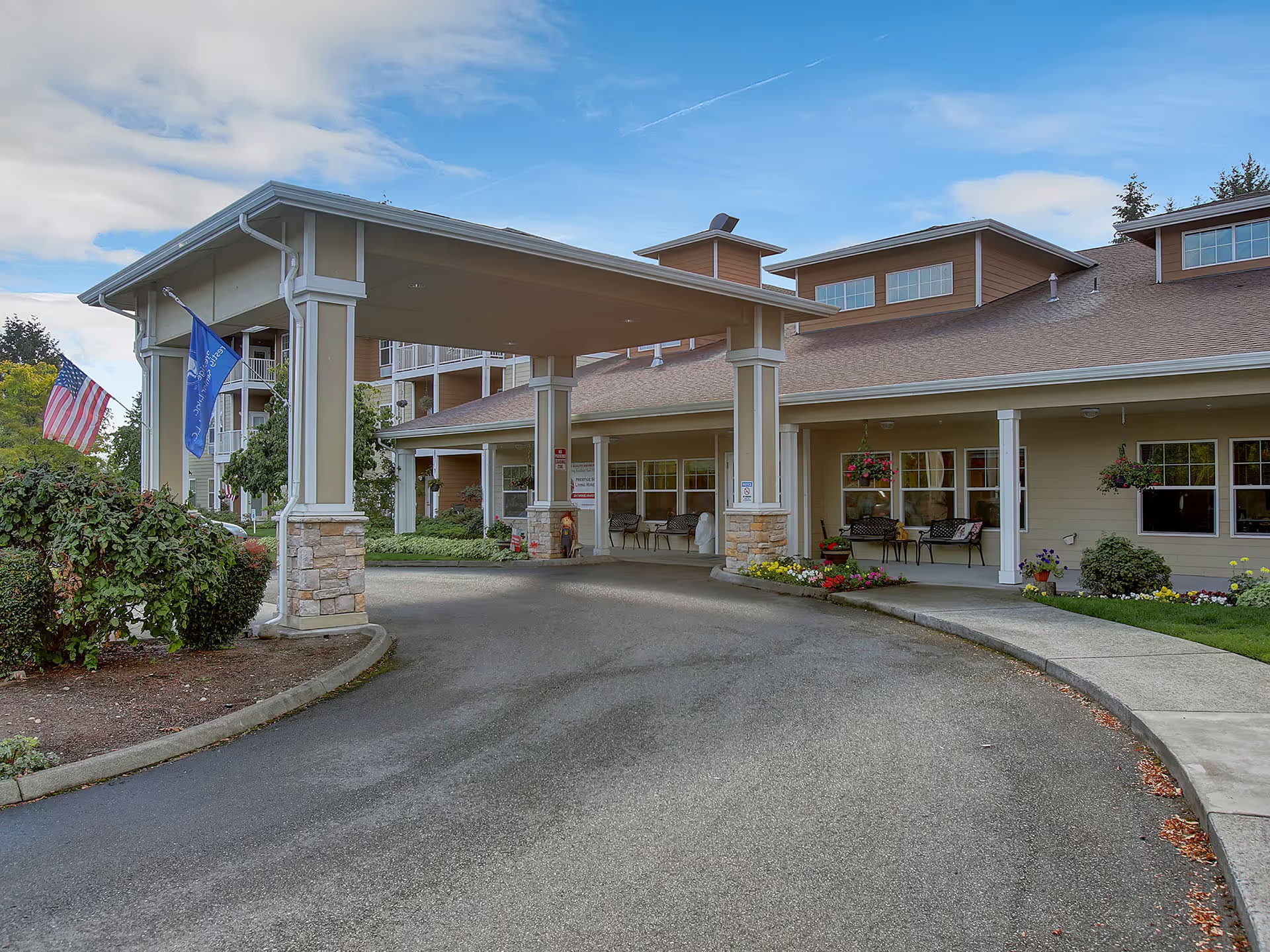
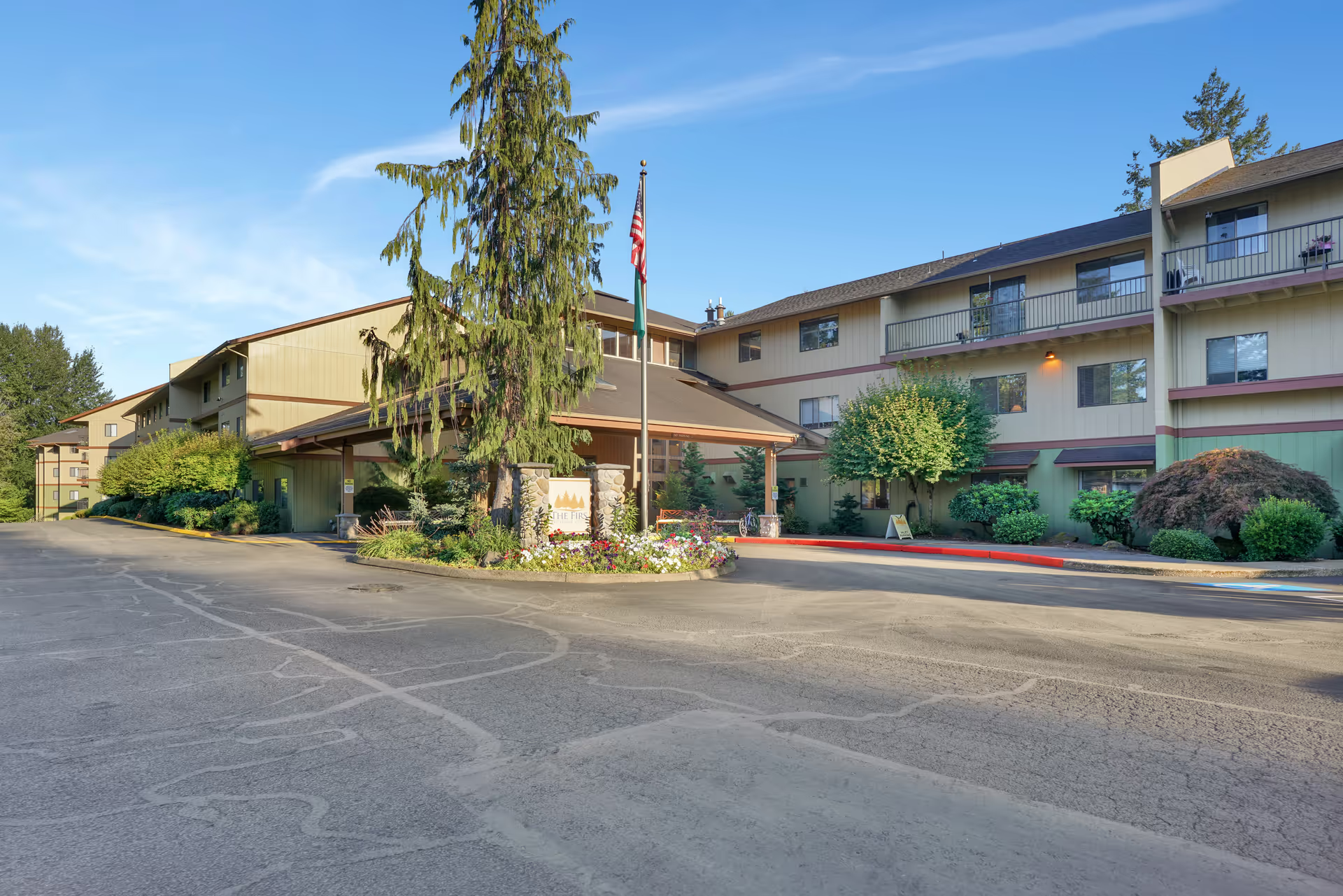
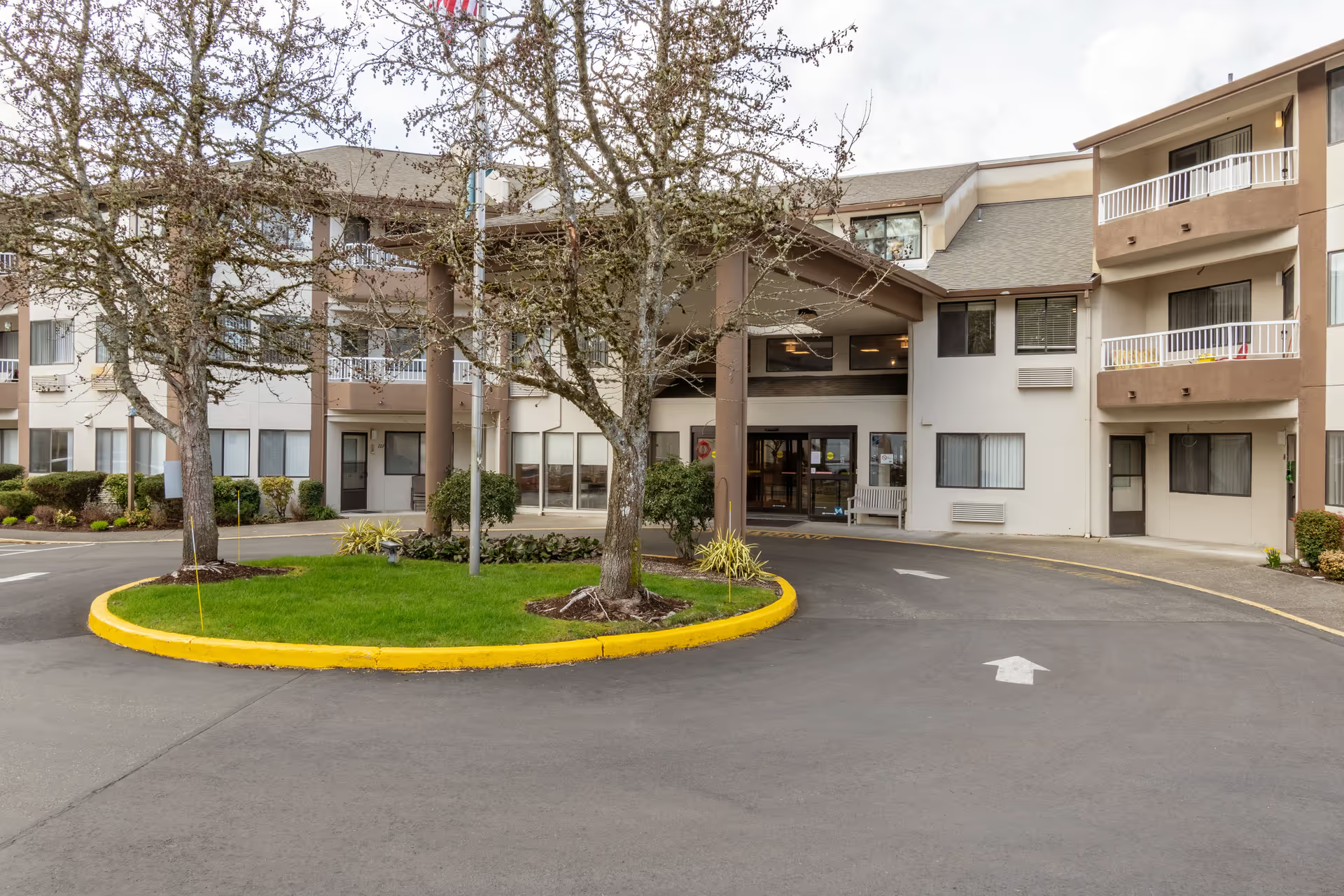
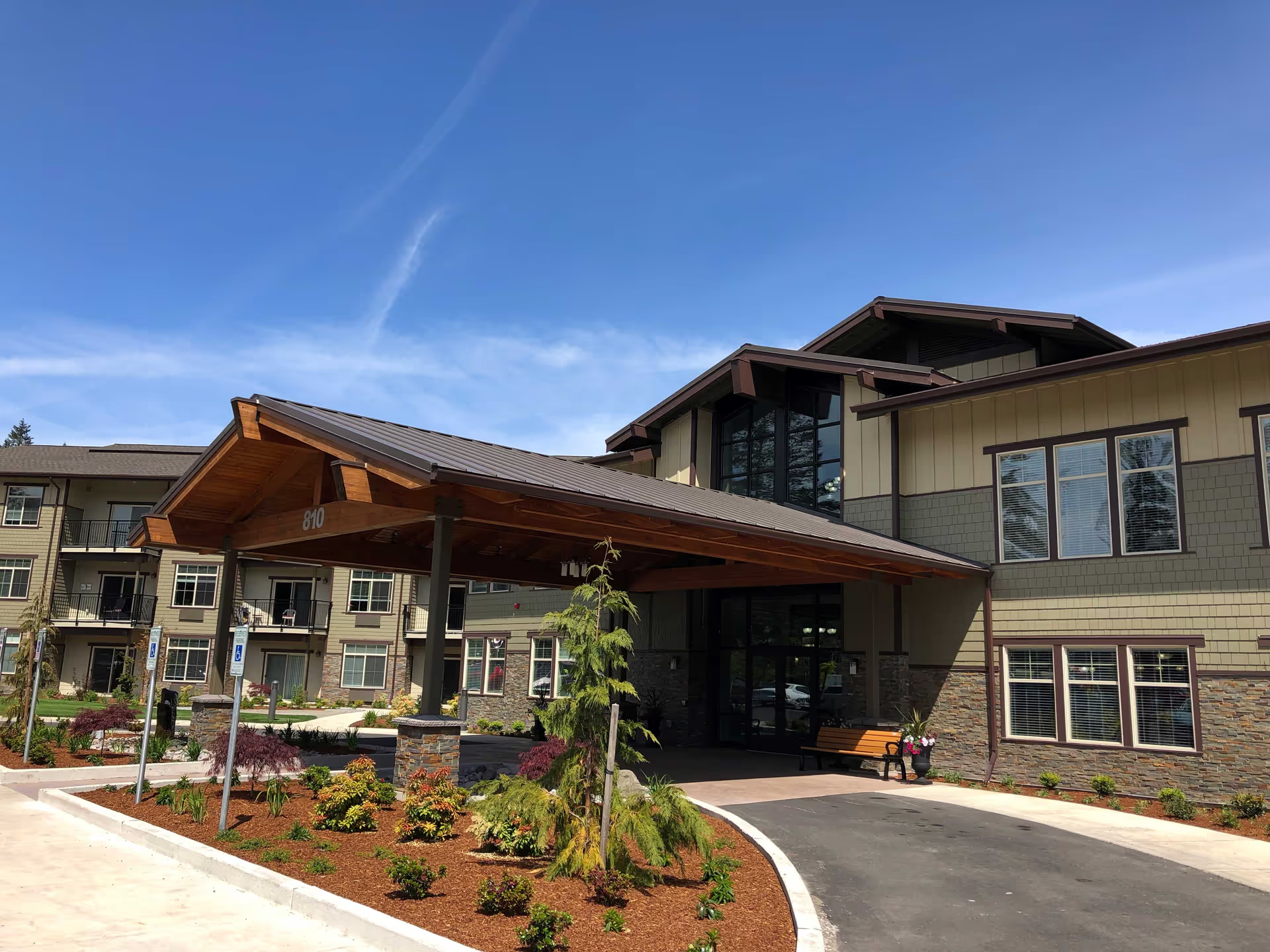
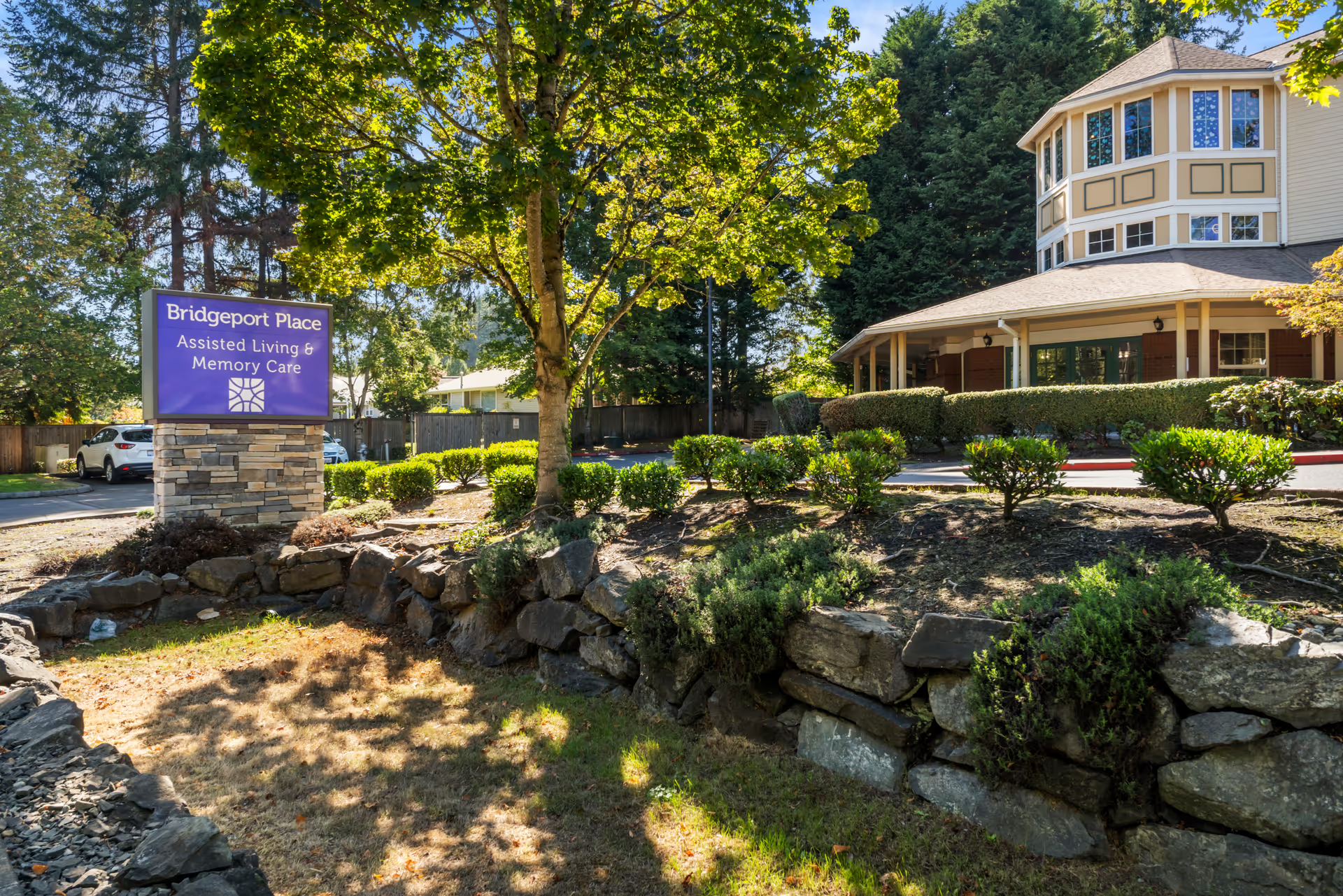
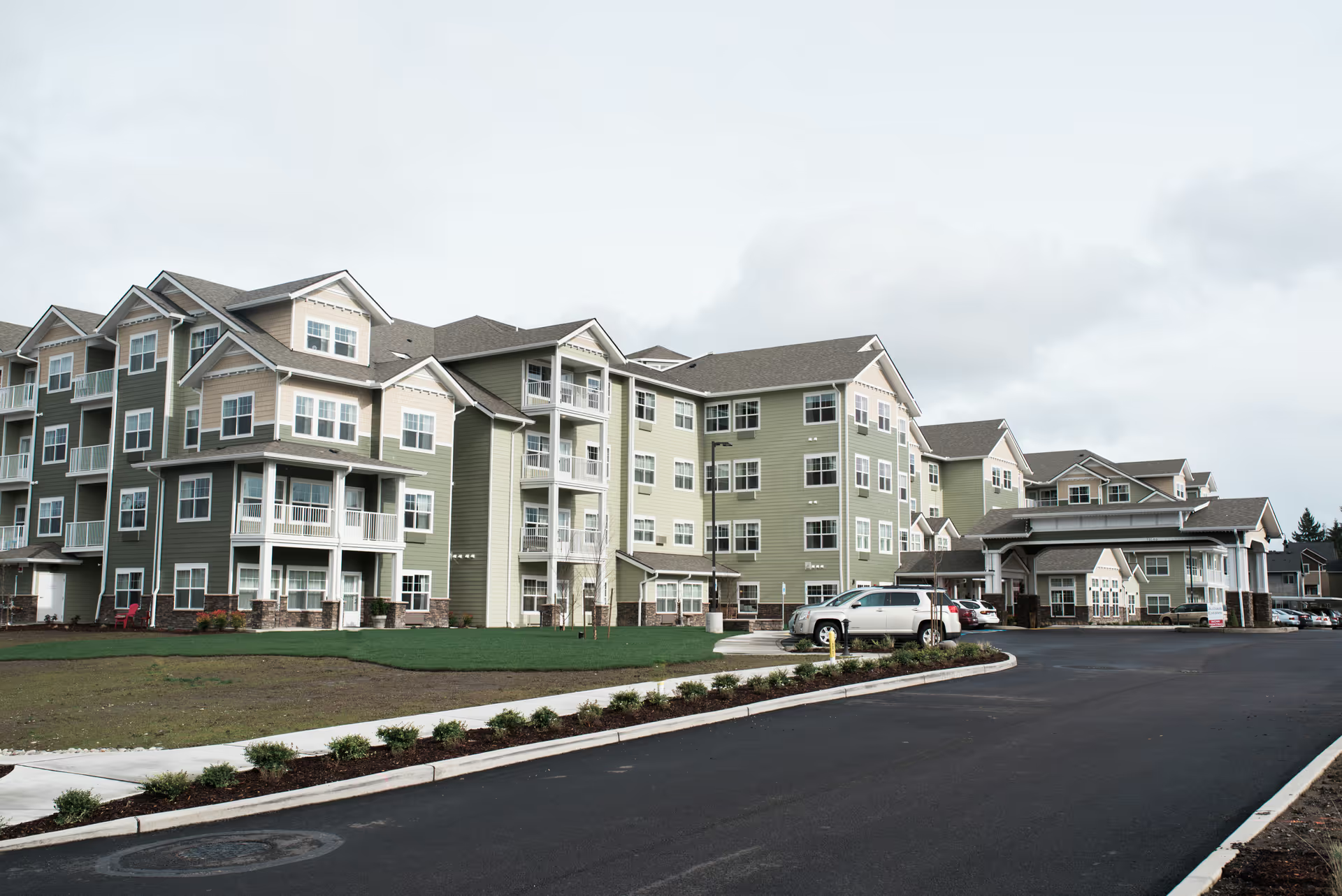
Easthaven Villa presents a mixed but actionable profile. Many families and visitors emphasize a warm, home-like environment with a welcoming staff culture; reviewers frequently cited compassionate caregivers, strong family communication, and an engaged activities team. The community is described as bright and inviting, with attractive landscaping, multiple courtyards, and well-sized rooms — several units include private entry doors, decks, and kitchenettes. The facility accepts Medicaid and has an established local presence, which some families found reassuring.
Care and staffing draw a polarized response. On the positive side, memory-care services and nursing staff receive repeated praise for attentiveness, proactive check-ins, and individualized coordination of medical needs. Activity staff and the kitchen are often singled out as strengths: the activity program is varied (games rooms, pool table, air hockey, card games, outings and casino trips), and food quality is frequently described as excellent, with comments about a caring kitchen and appealing presentation. Several accounts note improvements to menus and the addition of a dietician, indicating responsiveness to dining feedback.
Conversely, operational weaknesses recur across reviews. Chronic understaffing, high turnover, and leadership instability are the most consistent concerns and are linked to multiple downstream issues: inconsistent medication administration controls, gaps in maintenance and housekeeping coverage, and unreliable transportation or appointment coordination. These patterns manifest as missed or canceled appointments, difficulties arranging rides, and inconsistent responsiveness to phone calls and family inquiries. There are also isolated reports that raise concerns about staff conduct and property-handling; while not uniform, these accounts suggest the need for clearer policies and oversight around outings and resident belongings.
Facility condition and layout are generally seen as strengths in terms of cleanliness, bright common areas, and pleasant grounds, but reviewers also noted that parts of the building feel older or worn and that the overall footprint is large. That size can complicate supervision and wayfinding for residents with cognitive impairment, so families should assess unit location and supervision policies. Maintenance staffing gaps were mentioned and may affect the speed of repairs or room upgrades (for example, bathroom finishes in some rooms).
Recommendations for prospective families: visit during activity times to evaluate programming and staff–resident interactions; ask for specifics about staffing ratios, medication administration procedures, and management turnover; review transportation and outing policies, including any fees for off-site meals; and confirm housekeeping and maintenance coverage. The facility shows clear strengths in atmosphere, activities, and dining, but the operational issues described suggest careful due diligence on staffing reliability and clinical controls before making a placement decision.