Reviews present a mixed and at times concerning picture of care at the facility. Several families described individual staff members who provided attentive, compassionate care and noted a head nurse who was a positive influence; there are also specific comments about pain management and comfort-oriented end-of-life care. At the same time, many operational weaknesses are described that appear to affect residents' day-to-day experience and recovery potential.
Care quality appears uneven. Reviewers raised concerns about timely attention to personal-care needs and incontinence-care processes, as well as possible overreliance on medications for comfort or behavior management. Physical and occupational therapy services were described as inconsistent in professionalism and effectiveness, and some families felt the therapy program did not support recovery goals. Taken together, these observations suggest variability in clinical practice and care planning across shifts or teams.
Staffing and staff conduct were a frequent theme. Accounts indicate a mix of helpful, friendly individuals alongside episodes of cold or curt interactions and inconsistent adherence to professional dress and communication standards. Families described delays in staff responsiveness at times and instances where communication with relatives—particularly about infection-control events and changes in condition—was inadequate. These items point to staffing consistency and communication processes as areas needing attention.
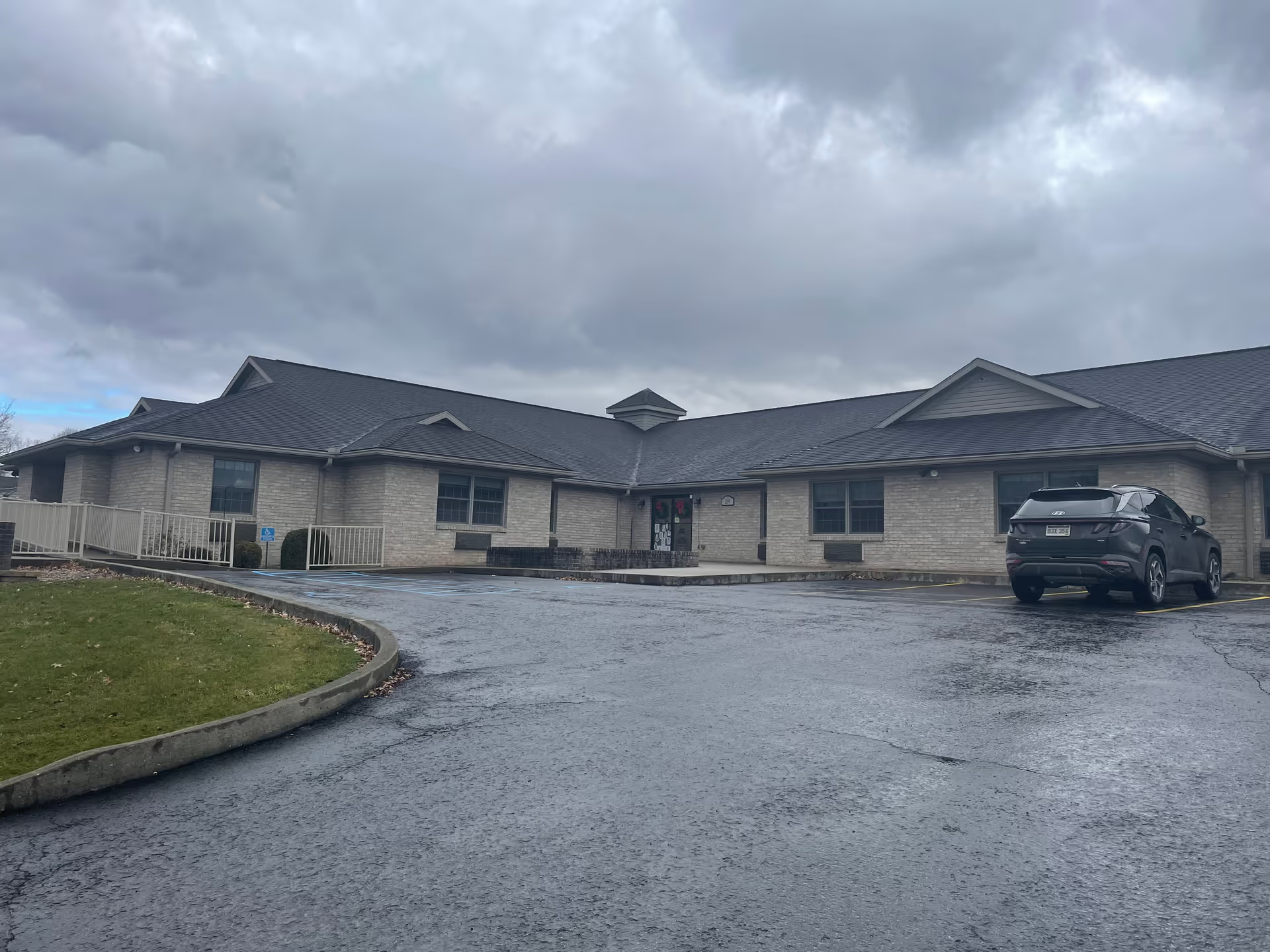
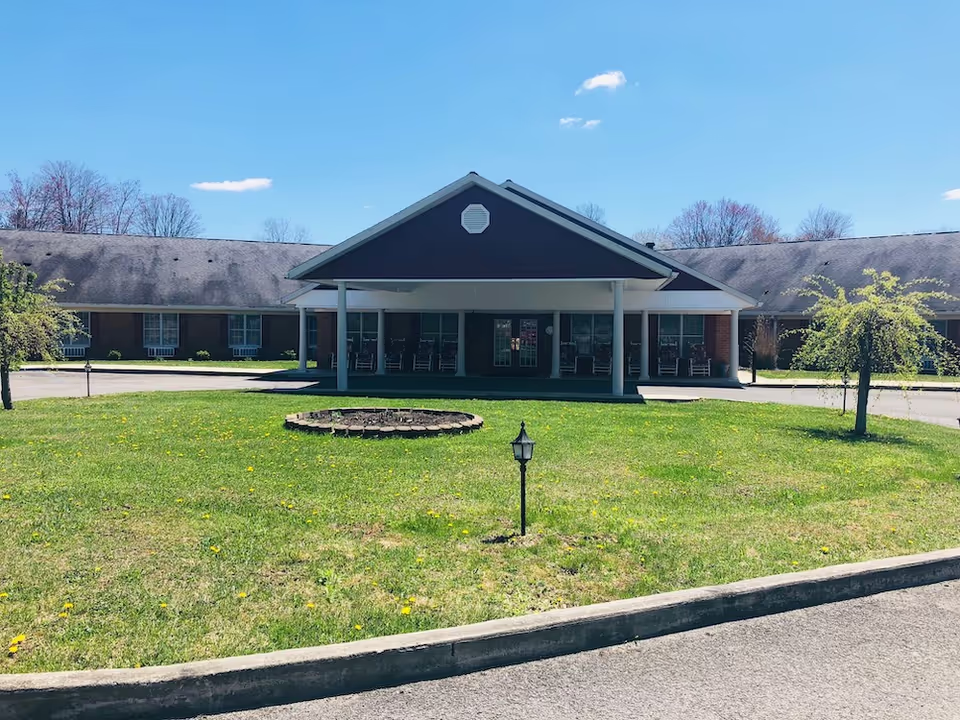
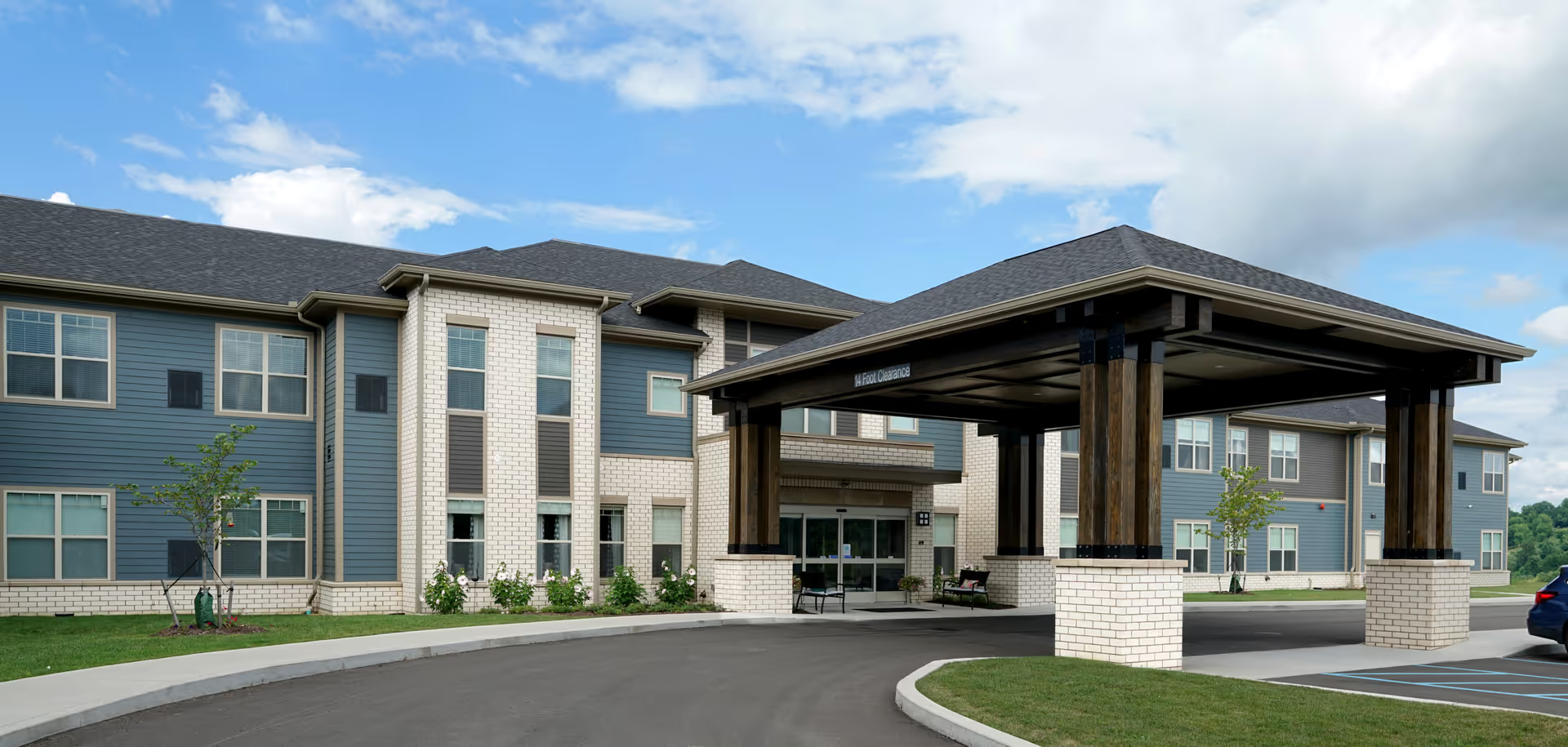
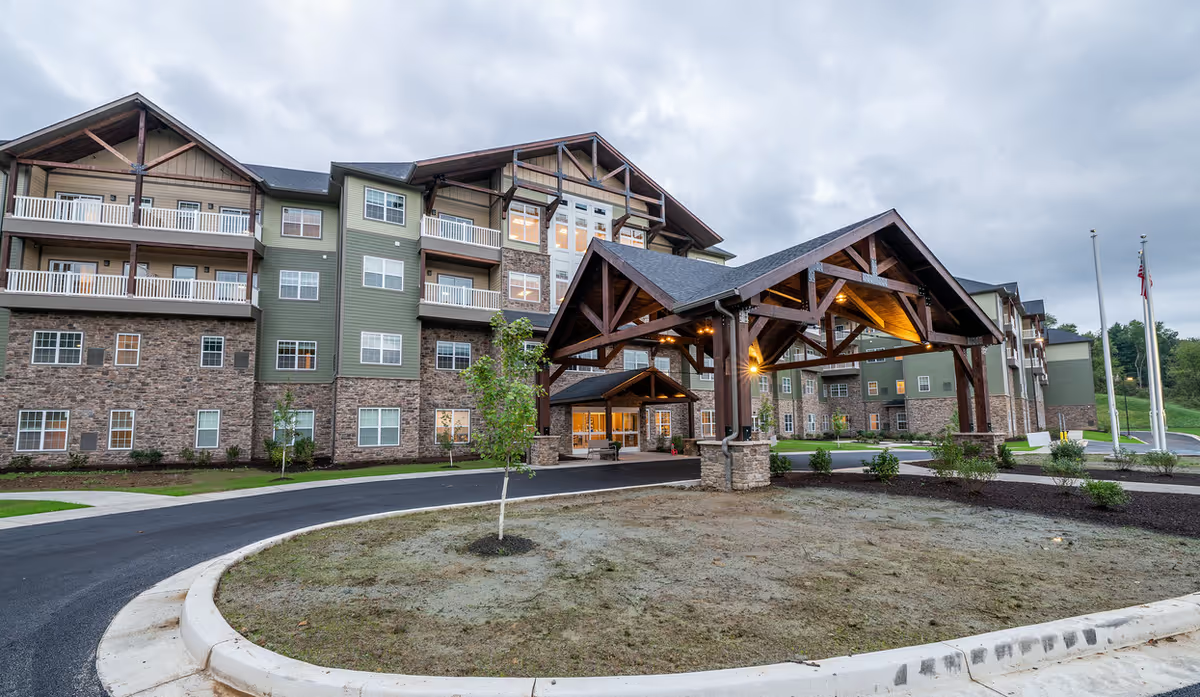
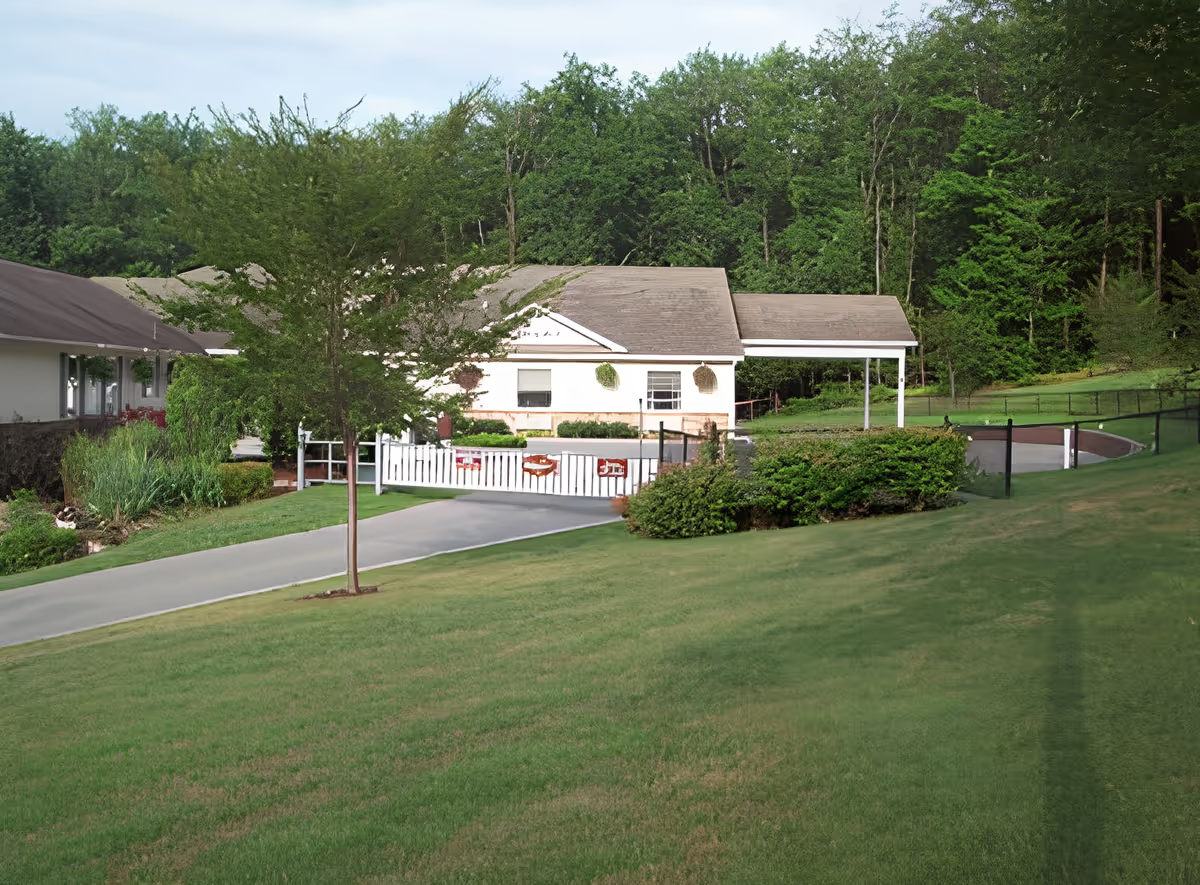
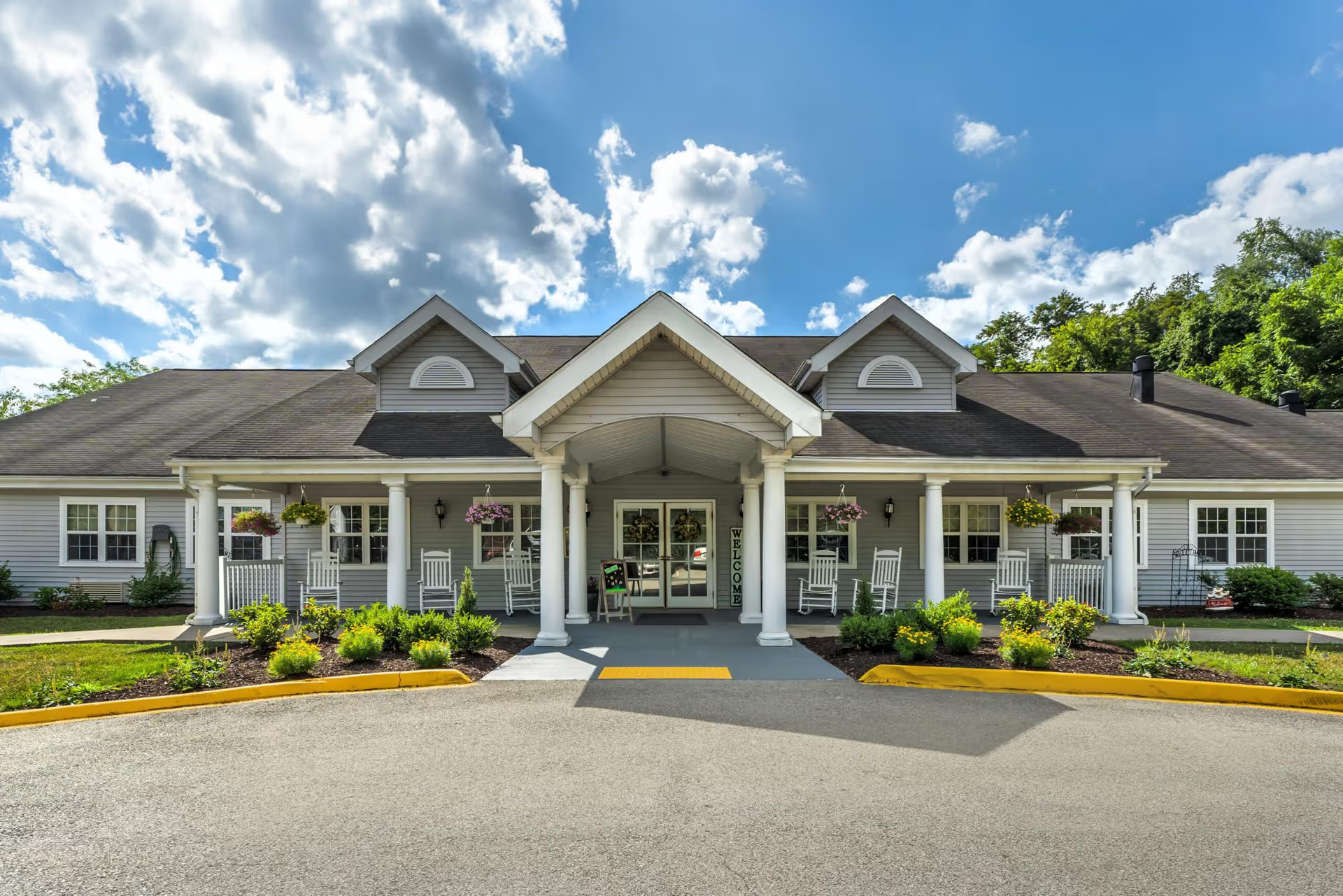
Facility environment and operations drew repeated criticism. The building was described as dated, with maintenance and cleanliness concerns that included recurring odor issues in some areas. Laundry and personal-property handling problems were noted, and at least one safety-related incident in a bathroom highlights potential gaps in transfer and fall-prevention practices. Together these items suggest that infrastructure, housekeeping, and routine operational protocols may not be uniformly reliable.
Management and administration also drew concern. Families reported abrupt discharge decisions, unclear explanations around transitions, and uneven communication about policies (for example, around infection-control measures). These management-level issues compound clinical and operational shortcomings by making it harder for families to plan and advocate for residents.
There is limited commentary in the reviews about dining and activities; reviewers did not emphasize consistent strengths or structured programming in those areas. Prospective residents and families should request specific information during tours about meal quality, menu variety, activity schedules, and how the facility documents participation and social engagement.
Overall, the facility appears to have some strong individual caregivers and examples of comfort-focused end-of-life management, but multiple systemic issues — including facility maintenance, hygiene protocols, medication management, therapy quality, staff consistency, and administrative communication — have been raised by families. If considering this facility, visitors should tour during different shifts, ask about staffing ratios, medication and infection-control policies, therapy staff credentials and programming, laundry and property procedures, safety protocols for transfers and bathroom assistance, and how families will be kept informed about changes in condition or discharge plans.